.webp)


.webp)


.webp)


.webp)


Welcome to ZUTTO
Free shipping for newsletter subscribers (some areas excluded)
- トップページ/
- ZUTTO Journal/
- 選び方・使い方/
- Thinking About "F...

Thinking About "Fragile Items"

Handle with care: fragile.
Seeing such a warning label somehow makes an item feel precarious, and
we tend to hesitate before handling it.
And yet, glass that sparkles beautifully as it catches the light, and
rustic, richly textured ceramics, are both very familiar presences in our daily lives.
Even among glass and ceramics—items that carry within them the possibility of one day breaking—
there are pieces that, if used with care, can be cherished for a long time.
Even while sensing the possibility that "this might break,"
why is it that we're drawn to fragile tableware and accessories, and keep using them day after day?


From window panes and glass cups to camera lenses,
glass is one of the materials indispensable to our daily lives.
Historically speaking, too, it has a long history—for example, we know that as far back as before the Common Era,
obsidian (kokuyouseki), a natural glass, was used as part of weapons and as blades.
It is also said that
artificial glass began to be manufactured around 1600 BCE.
A technique known as "free-blowing," developed around the 1st century CE,
involves gathering molten glass on the tip of a metal rod and blowing air into it,
shaping it without the use of a mold.
This technique has been passed down through the generations and is still widely used in glass craftsmanship today.
In modern times, in addition to free-blowing, glass is also pressed and stretched, and
as the development of various processing techniques shows,
the ability to melt glass with heat and shape it into countless forms
may well be one of glass's greatest charms.
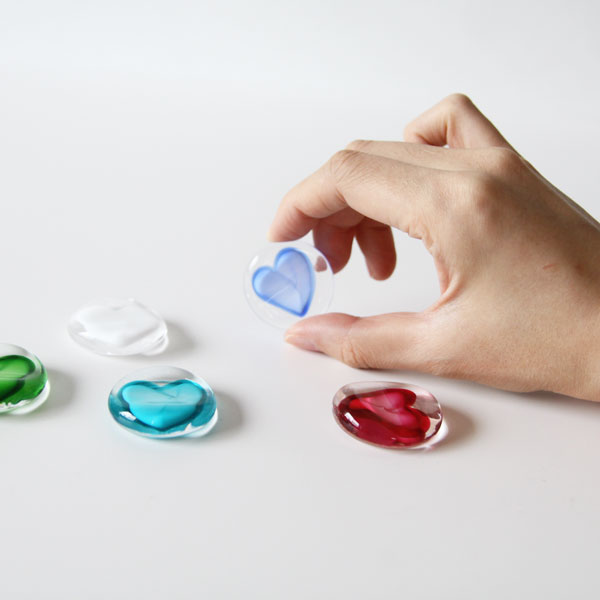
If we were to describe the character of glass in a single phrase, it would be "hard, yet brittle."
There are also glass materials prized for their strength, such as what's called tempered glass,
but given its delicate nature, breaking or shattering when dropped is simply glass's fate.
On the other hand, its irreplaceable charms are
the beauty of its delicate forms and its translucency, which sparkles brilliantly when it catches the light.
Despite its fragile nature, glass takes on countless shapes and colors,
and its sparkle has captivated people since ancient times—a material like no other.

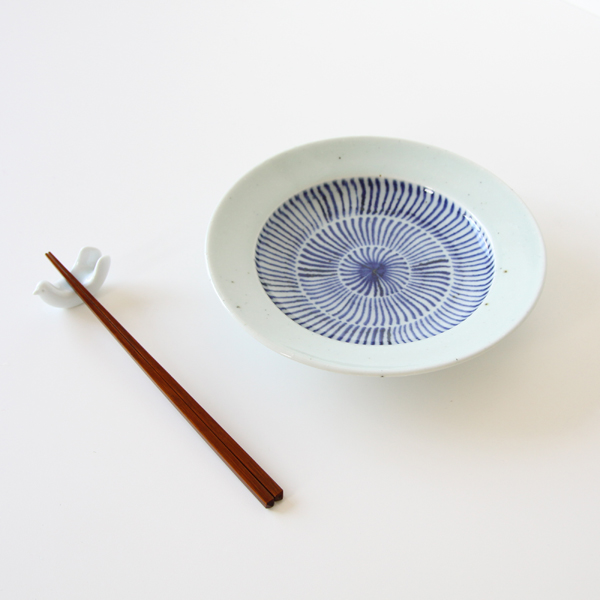
Just as familiar to us as glass are yakimono (ceramic) vessels.
What is generally called "yakimono" refers to what's known as "tōjiki" (ceramics).
Tōjiki is further broadly divided into "tōki" (pottery) and "jiki" (porcelain).
In other words, "tōjiki" is the collective term for both tōki and jiki.
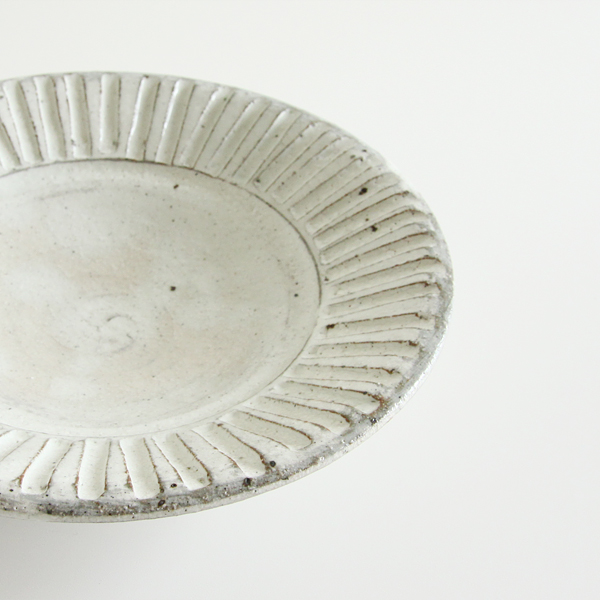
Tōki (pottery) is mainly made from clay known as tōdo, and
is sometimes referred to by another name, "tsuchimono" (earthenware).
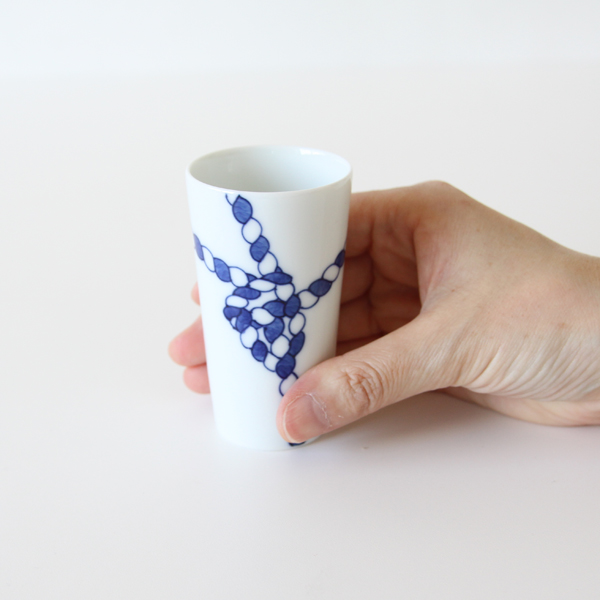
Jiki (porcelain), on the other hand, is mainly made from a rock known as tōseki (porcelain stone).
As opposed to "tsuchimono," it is sometimes called "ishimono" (stoneware).
Tōki, made from clay, is naturally water-absorbent and porous, so
water tends to seep into it. However, once it has been glazed and fired,
it is normally watertight.
That said, care should be taken, as soaking it in detergent for long periods
or washing it with boiling water can sometimes cause it to corrode.
Jiki, on the other hand, is almost completely watertight,
and is characterized by its hard firing, dense quality, and few pores.
While many pieces of jiki are quite hard, they remain
"fragile items" nonetheless. They should be handled with the same care as tōki.
Both glass and ceramics share the fate of breaking easily when dropped, but
there is great variety among them—some prized for the beauty of form unique to "fragile items,"
and others featuring ingenious touches from the maker
precisely because they are fragile, designed so they can be cherished and used for a long time.


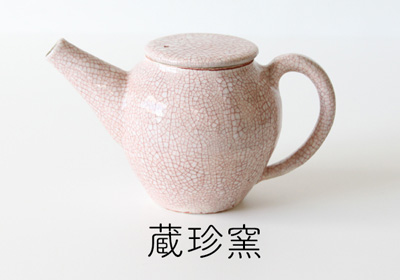
Zouhougama is a Mino-yaki kiln that opened in Showa 45 (1970).
After an apprenticeship studying under a master recognized as a Living National Treasure,
the kiln has, since its opening, won top honors for ceramic design
and has been commissioned by museums to produce reproductions of Important Cultural Properties,
drawing attention for its sense of style and high level of skill.
Mino-yaki, which includes Zouhougama, is the collective term for the wide variety of ceramics produced in the Higashi Mino region of Gifu Prefecture.
With a history spanning 1,300 years, it accounts for roughly 60% of the nation's tableware production, making it a true representative of Japanese ceramics.
Mino-yaki is the kind of ware found in every household as a matter of course—an indispensable presence on Japanese dining tables, both now and in the past.
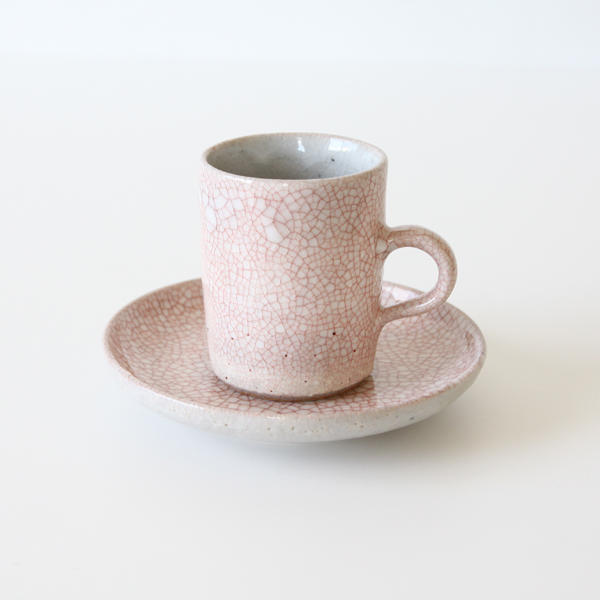
One characteristic of Zouhougama's ware, the "shukan'nyū" or "red vessels,"
is known as Zouhou red, made using an extremely precious pigment called bengara.
The bengara red that so vividly colors these vessels
is a pigment that takes three years to complete, ground slowly and carefully over a thousand days,
resulting, after firing, in a smooth, deep red color.
It is said that the longer the pigment is ground, the more beautiful the red becomes,
and since the early Showa era it has been prized as a rare treasure, known as "phantom bengara."
And the red born of all that time and effort
only grows more beautiful and vivid with continued use.
Zouhougama applies this red color to its vessels using the technique of kan'nyū (crackle glaze).
Kan'nyū refers to the fine, crack-like patterns that appear on the surface glaze when pottery or porcelain is fired, caused by the difference in shrinkage rates between the clay and the glaze. There are two types of kan'nyū:
"direct kan'nyū," which appears right after the piece comes out of the kiln or as it cools afterward, and
"aged kan'nyū," which occurs naturally over time.
Vessels with kan'nyū have a distinctive character that evokes the sense of having been cherished and used with care over many years.

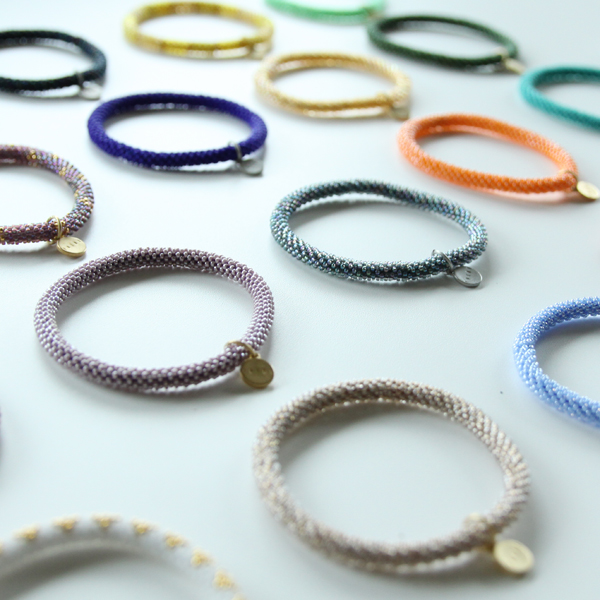
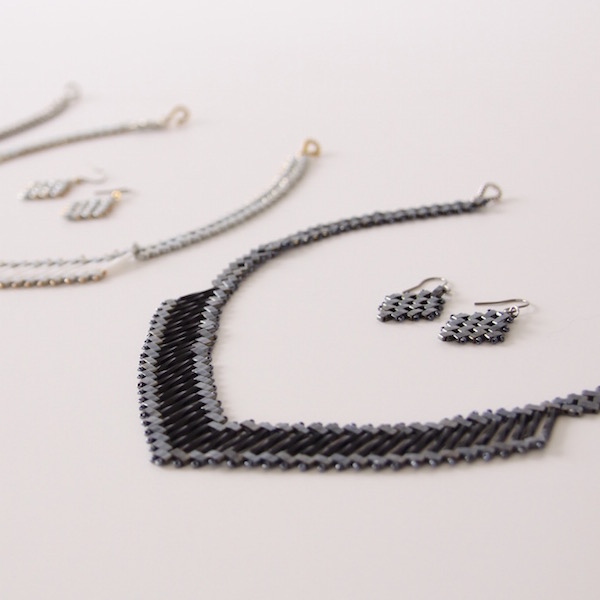
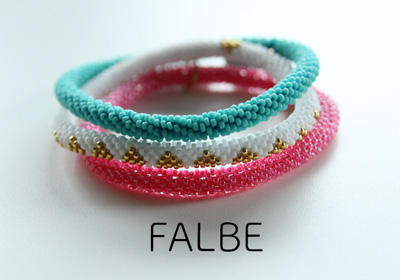
FALBE creates its pieces using "seed beads,"
tiny glass beads shaped like seeds that
sparkle as they let light pass through, each just 1.5mm in diameter.
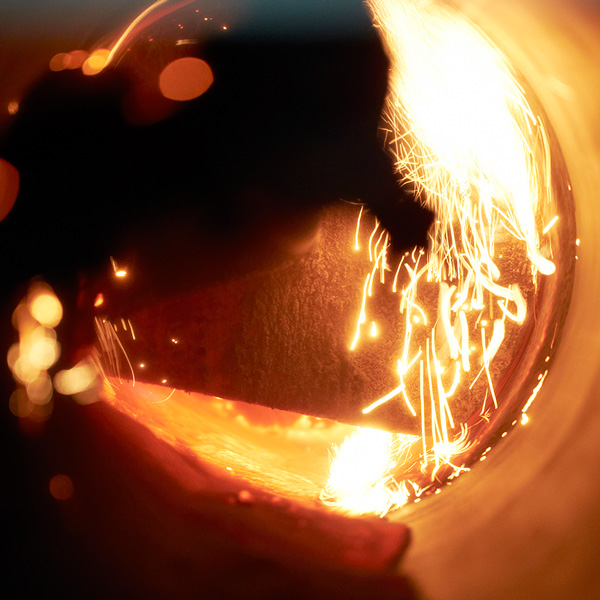
Glass is melted, air is blown into it to form a tube shape, then it's cut into fine pieces,
and colored and processed to create "seed beads."
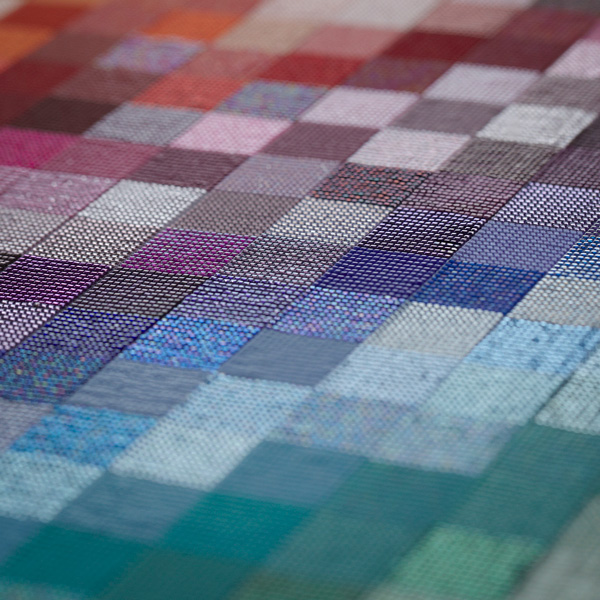
Even when making beads in such a wide variety of colors, slight variations can cause unevenness or irregularities in color and in the cut surfaces,
so many years of a craftsperson's skill are required. The beads, colored through a careful blending of bead glass and dye by skilled artisans,
look like small jewels capable of beautifully expressing delicate patterns.
The origin of beads goes back a long way, and they are known as the very first personal ornaments used by humankind.
Beads have also served as tools that ancient people used to offer prayers to nature.
At FALBE, rather than simply making beads used to decorate dresses and clothing
as a form of glamorous adornment,
each and every piece is crafted by hand, with the hope that more people will be able to use them in their everyday lives.

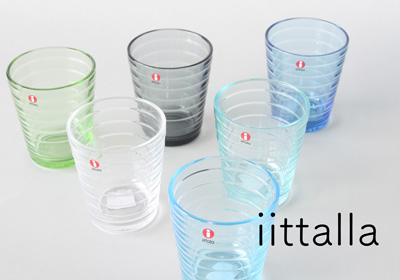
The person who created this tumbler, Aino Aalto,
was the wife of Alvar Aalto, one of the great architects of the 20th century.
Aino Aalto, who was also his work partner,
designed this piece in 1932 with the aim of reflecting practicality and simplicity —
this is the Aino Aalto tumbler.
With the Aino Aalto series, Aino Aalto
won the gold medal at the 1936 Milan Triennale.

When you actually hold this thick glass, it fits comfortably in your hand.
That's thanks to the design on the surface of the glass.
Since glassware tends to be slippery,
it has been designed so that it won't slip out of your hand and fall.
Beyond the simple reassurance of holding the glass securely, this thoughtful attention to detail is something to be grateful for.
In that respect, it could be called a very feminine design.
If you look closely at this tumbler,
you'll often notice it being used
as a table glass in restaurants, such as stylish city cafés.
The reason Aino Aalto has been loved for more than 70 years
is not just its simple design —
its comfortable feel in use may well be another reason it is so beloved.
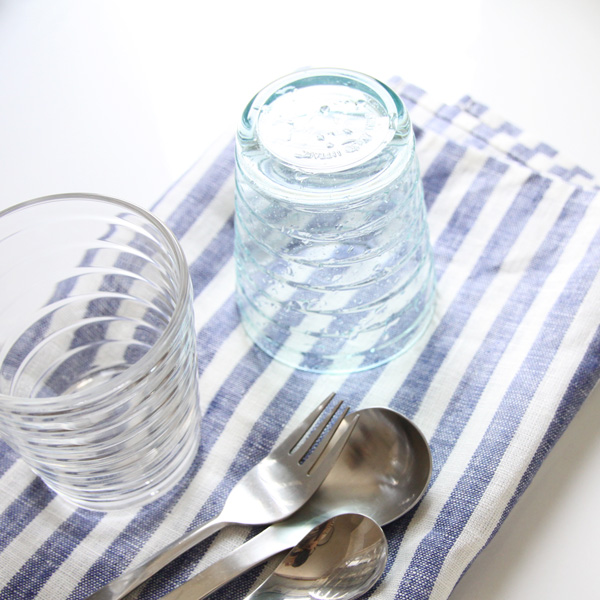
These are "breakables" that require careful handling, but
once you understand the thought that has gone into "designing them to be cherished for a long time,"
you come to feel even more attached to them.
The glass and ceramic items around you in daily life
surely have plenty of such thoughtful ingenuity built into them as well.
GUIDE »
CONTENTS »
CATEGORIES »
- + Gifts by recipient
- + Gifts by scene
- + Clothing
- + Bags / Backpacks
- + Wallets / Card cases
- + Jewelry
- + Shoes
- + Rainy day outfits
- + Kitchen
- + Home
- + Babies / Kids
- + Japanese products
Earn Miles


Payment & Security