.webp)


.webp)


.webp)


.webp)


Welcome to ZUTTO
Free shipping for newsletter subscribers (some areas excluded)
My page
Information
- トップページ/
- ZUTTO Journal/
- 選び方・使い方/
- Classic leather s...

Classic leather shoes that suit your feet as early winter approaches, and that you'll want to wear for years to come
A lustrous expression, paired with a clean, handsome form.
A femininity that lives within a crisp, tailored impression.
Leather shoes are a special pair that hold all of our aspirations.
We often find ourselves deciding what to wear that day just so we can wear that one pair of shoes.
Beyond their beauty, another appeal is that they can be worn for years with proper maintenance.
This time, we'll look at how the expression of leather shoes differs depending on the type of leather used,
as well as the durability and care that comes with the outsole and manufacturing method.
We hope to share with you the appeal of leather shoes, perfect for wearing through autumn and winter.
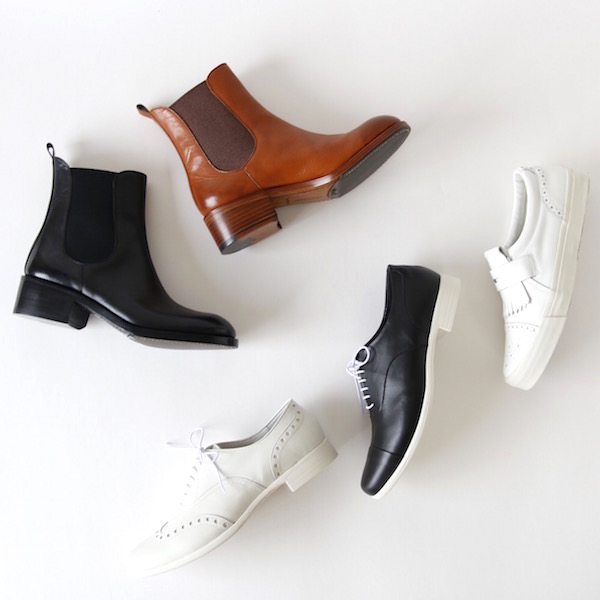

【Durable thanks to the use of leather on the upper】
These shoes are called leather shoes because leather is used on the upper, but
why is leather so durable in the first place?
Leather is made from tanning the raw hides of cows, horses, goats, and so on.
As part of the structure of animal skin, thin fibers and thick fibers
are intricately intertwined, which is said to be the reason leather is so durable.
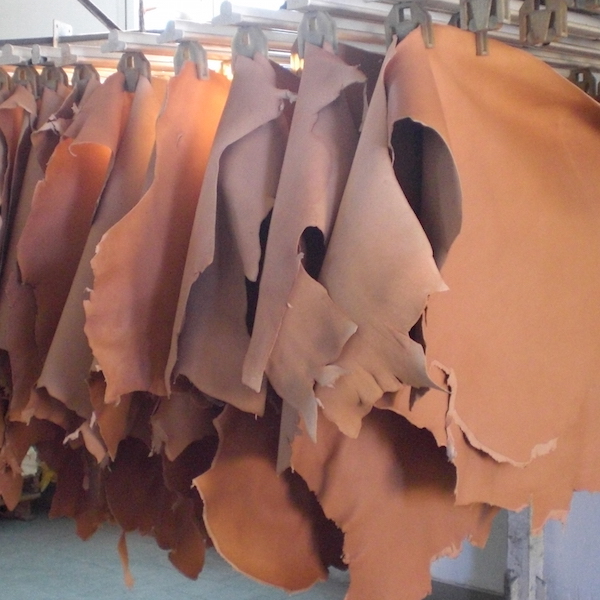
Also, the tanning process, which transforms raw skin into leather,
prevents the skin from decaying or becoming stiff as its moisture is lost,
while giving it the softness and additional strength needed as a leather product.
Furthermore, leather possesses a mix of "flexibility" and "rigidity."
It has the quality of becoming softer and more supple the longer it's used.
At the same time, it also has a rigidity that makes it want to return to its original shape, so
with proper use and storage, it's a material that resists losing its shape.
As a material that absorbs the movement and stretching of the foot while walking, flexible
leather is well suited as a shoe material—it molds itself to your foot while
maintaining the beautiful form of the shoe.
That's part of the appeal of leather shoes.
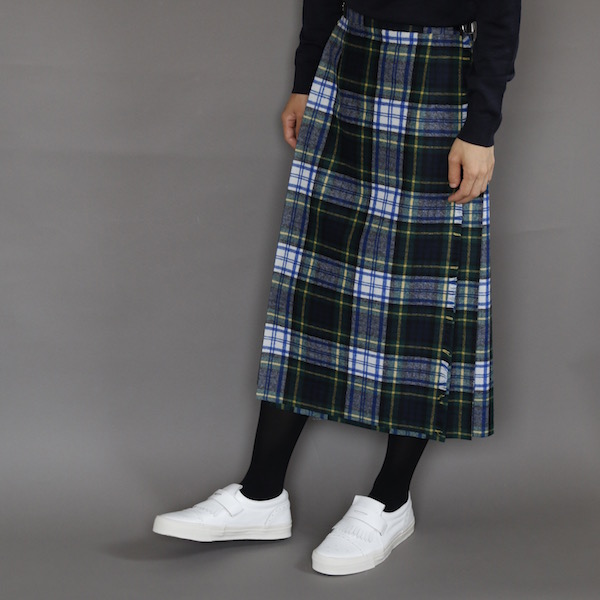
【Lasting longer through outsole repair and replacement】
There's a manufacturing method for leather shoes called "Goodyear welted."
In the early 19th century, this method became the catalyst that mechanized
leather shoes, which had previously been sewn by hand.
The distinctive feature of this method is that the upper and outsole are not stitched directly together, so
the outsole can be replaced once it wears out.
In other words, it's a manufacturing method that allows the shoes
to be used for many years through repeated maintenance and repair.
Through a part called the "rib," the upper, lining, and welt are
firmly stitched together, giving the shoes excellent durability.

Also, since there are no stitches reaching from the ground into the interior of the shoe,
the shoes also have excellent water resistance.
Furthermore, Goodyear welted shoes have cork placed
between the insole and the outsole, and as they're worn over time, the cork
molds to the shape of the foot, improving the fit the more you wear them.
Generally speaking, with the Goodyear welted method,
the thick leather used can sometimes give the shoes a somewhat bulky impression,
but the side gore boots from chausser
have such a slim, sharp form that "beautiful" is the only word for them.
In this way, when considering the durability of leather shoes,
we can point to both the inherent durability of leather itself
and its ease of use as a material when made into shoes, as well as
the fact that the manufacturing method of leather shoes allows them
to be used for a long time through ongoing maintenance.

There are many different types of leather. There are differences between animals, such as cows and horses,
and even among cattle, the names and characteristics differ depending on the age of the animal,
while leathers are also distinguished by the type of tanning used.
This time, we'd like to introduce some distinctive leathers
from among the leather shoes featured at ZUTTO.
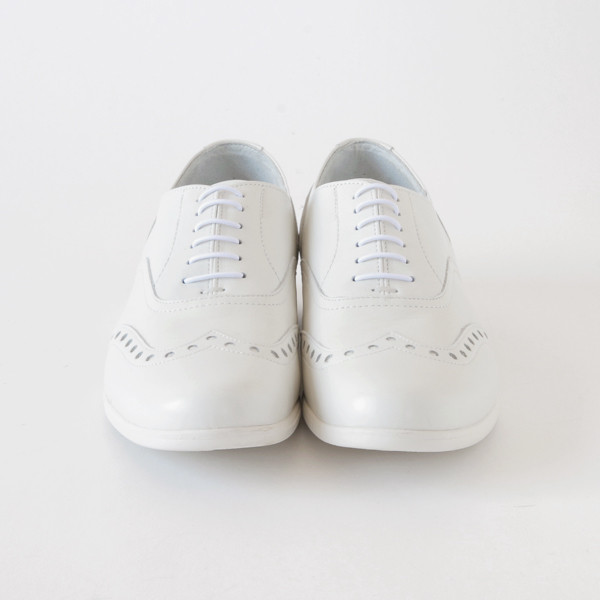
The TRAVEL series from chausser
lives up to its name, offering functionality you'd want to take along on a trip—
these leather shoes hold up surprisingly well in the rain.
By entwining fluorine resin into the fibers during the dyeing of the cowhide,
strength and water resistance are increased, while
a soft leather with a water-repellent finish is also used on the surface.
It repels water while still allowing air through, maintaining breathability—
a quality perfectly suited for keeping your feet dry on rainy days.
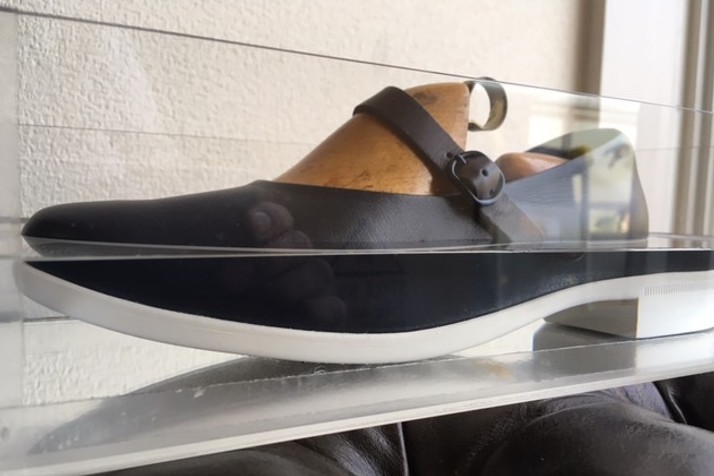
△Maker's experimental image
Once made into shoes, water may seep in through the stitching in some cases,
but in tests using leather alone, it was surprisingly found that no water seeped through even after 48 hours of soaking.

・Buffalo leather
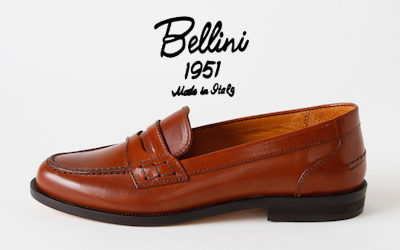
DIEGO BELLINI uses buffalo leather for its loafers and boots.
In leather terminology, "buffalo" refers to water buffalo.
It's a supple yet tough leather material, said to be thicker and more durable than cowhide.
It's also relatively resistant to rain and hard to scratch.
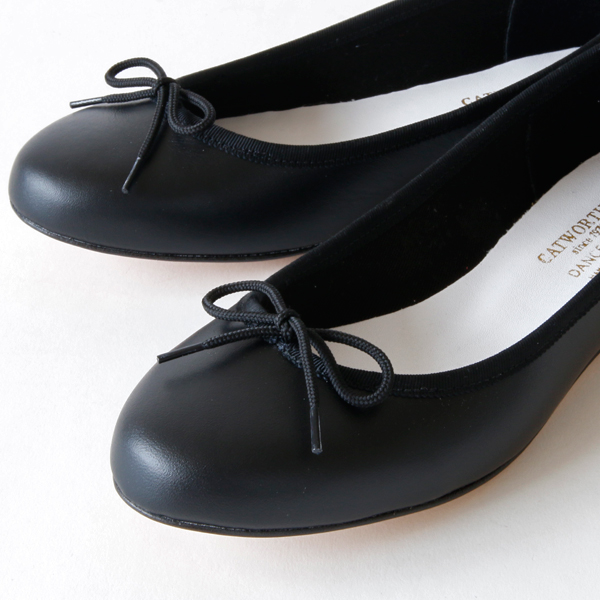
・Calf leather
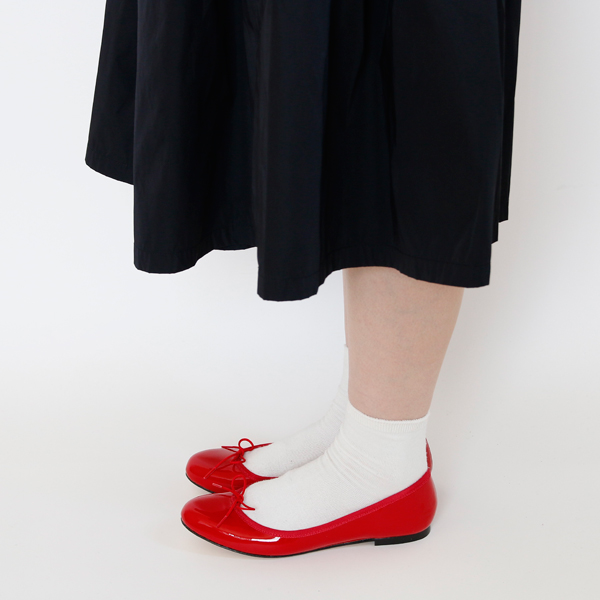
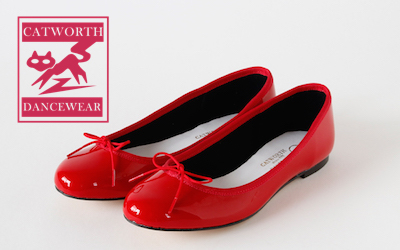
CATWORTH ballet shoes use calf leather.
Calf leather refers to leather from calves within six months of age, among cowhide types.
Because its texture is so fine, there's little variation across different parts of the hide,
and being soft and easy to break in, it's well suited for leather shoes.
Its natural sheen is appealing, though it also has the drawback of scratching easily.

To enjoy your shoes for many years, the outsole matters just as much as the upper.
The outsole—the part that comes into contact with the ground—
Sure enough, this part deteriorates faster than any other,
and is used under harsh conditions.
With that in mind, let's take a look at the outsole materials and characteristics of each brand.

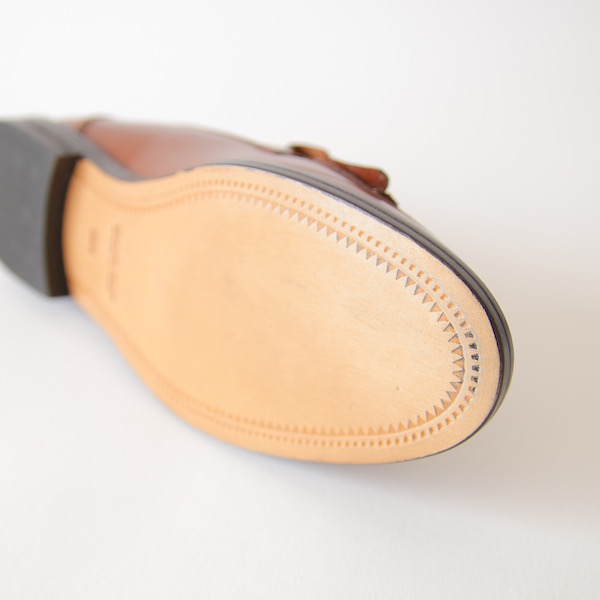
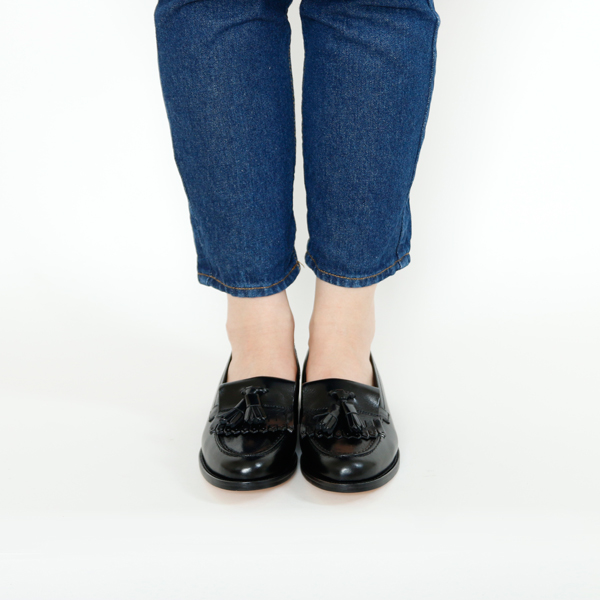
Classic leather shoes often feature
leather for the outsole as well.
This gives a dressier impression, and many leather lovers
have a particular preference for leather soles, too.
The good points of leather soles are:
・High moisture absorption, which prevents stuffiness (in this case, having a leather insole is also a key factor)
・Often not a disposable structure (the sole can be replaced, allowing long-term use)
Also, though it's a bit of a niche point, some people say they love the distinctive feel and walking sound unique to leather soles.
On the other hand, if we were to point out a drawback of leather soles, it would be that they are "slippery."
Since the surface has no anti-slip function, they tend to slip especially on wet ground or
tile floors.
Also, since leather absorbs water and gets stained, you can't wear leather-soled shoes on rainy days.
(This does not apply to shoes that have been specially treated to be rain-resistant.)

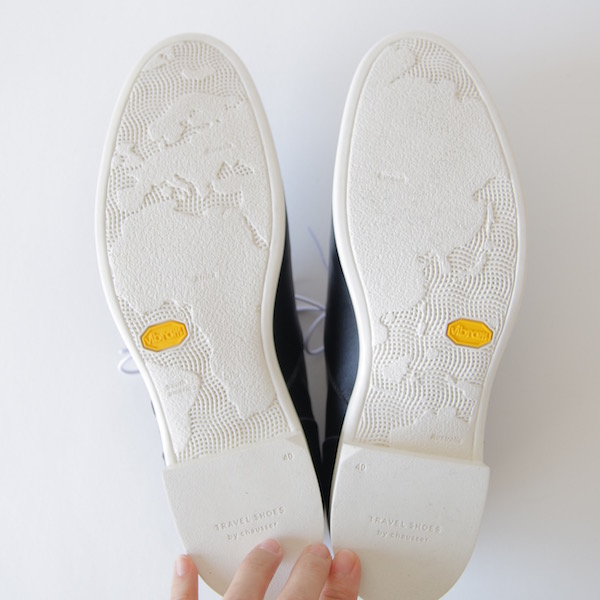
chausser has adopted
Vibram-made outsoles for its TRAVEL series.
Vibram originally started out developing outsoles for mountaineering boots,
and creates rubber soles that offer lightness, durability, functionality,
and high safety even in the harsh conditions of mountain climbing.
These slip-resistant, wear-resistant outsoles are no longer limited to mountaineering boots and are now
adopted as outsoles by a wide variety of shoe brands.
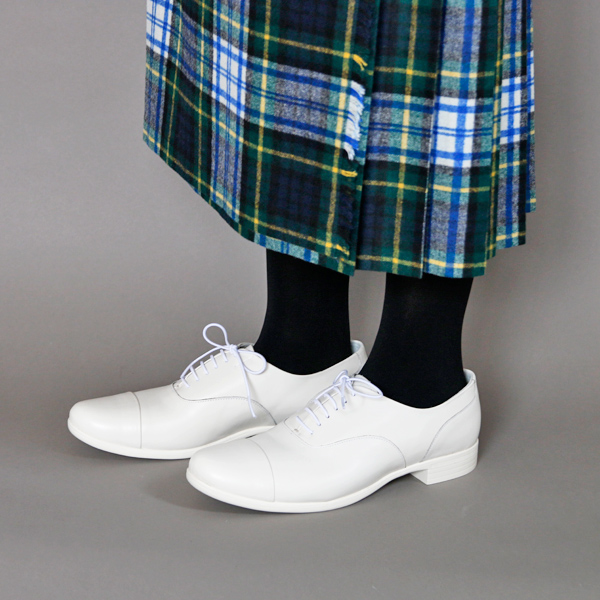
The outsole of the TRAVEL SHOES is
a special one, custom-ordered from Vibram down to the rubber compound itself.
Called "ICETREK," this sole maintains flexibility even below freezing,
and delivers excellent grip even on frozen ground.
When traveling, you can only bring a limited amount of clothing and belongings,
yet you still want to walk around actively outdoors no matter what the weather is like.
Though it looks like a stylish straight-tip leather shoe on the outside,
it is actually an all-weather functional shoe.
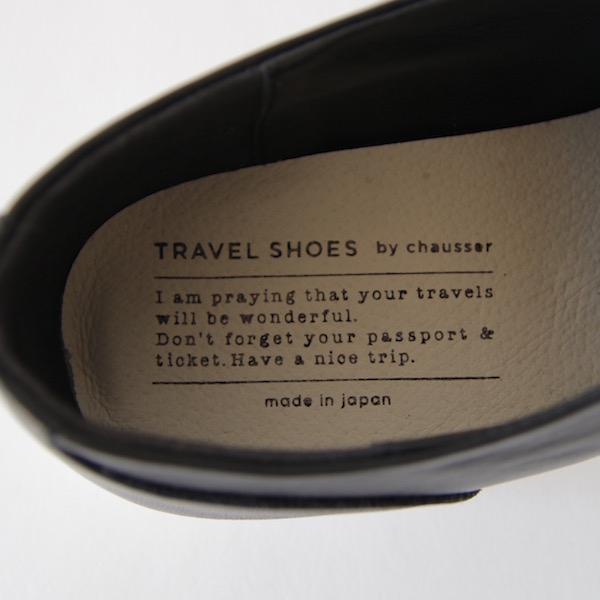
A message from chausser.
"May your journey be a wonderful one.
Don't forget your passport and ticket. Have a good trip."
This series was created with the wish that people enjoy their travels,
and a map of the world is drawn on the outsole.
Also, the message written on the insole
helps put you further in the mood to enjoy your trip.

What gets the best of both leather soles and rubber soles is
the sole known as a "half rubber" sole.
In other words, rubber is attached over a wide area from the arch to the toe, making the sole slip-resistant.
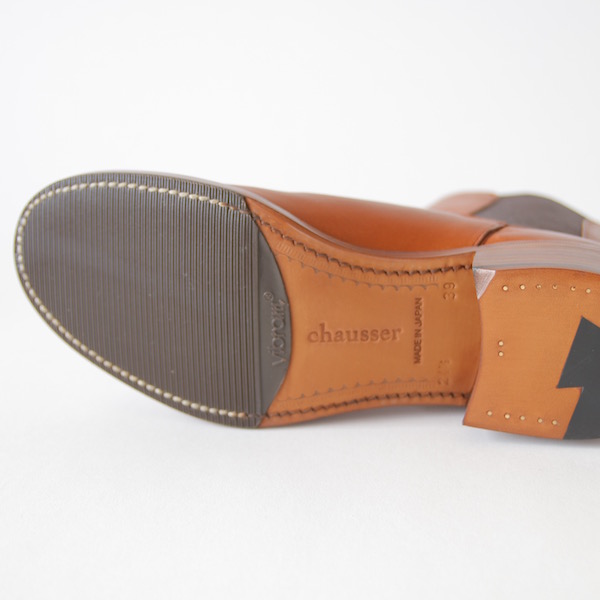
chausser's side gore boots have a Vibram-made rubber sole attached over
a wide area from the arch to the toe.
Since boots are worn in winter, this is an essential measure for icy roads and snowy-day footing.

Half rubber seems to be adopted for types of shoes that have a dressy leather-shoe look
but that can be dangerous or prone to rapid deterioration
depending on the conditions in which they are worn.
Since only the rubber needs to be replaced, this can be done easily and inexpensively,
and this convenience is another feature that half rubber soles offer.
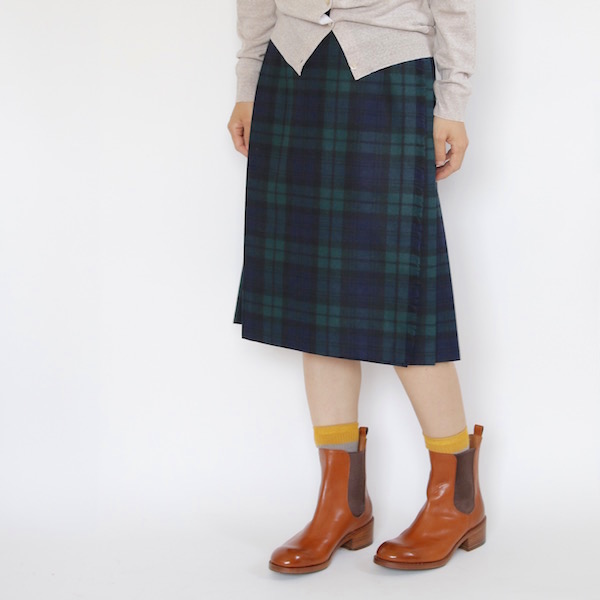
Leather sole, rubber sole, half rubber.
I think which one is suitable as the outsole of a leather shoe
ultimately comes down to how you intend to use that pair of shoes.
Of course, personal preference matters a great deal, but
for example, dress shoes worn on formal occasions call for a leather sole, which gives a neat, proper impression.
Shoes worn during rainy or snowy seasons call for a rubber sole, which prioritizes grip and slip resistance.
And shoes with a design or material suited to any season call for half rubber.
We recommend choosing according to use in this way.

It's in the nature of leather that leather shoes gradually mold to fit your own feet as you wear them.
To enjoy their beautiful aging and wear them for a long time,
let's go over some points to keep in mind when wearing them, along with their care.
【Points to Note When Wearing and Storing】
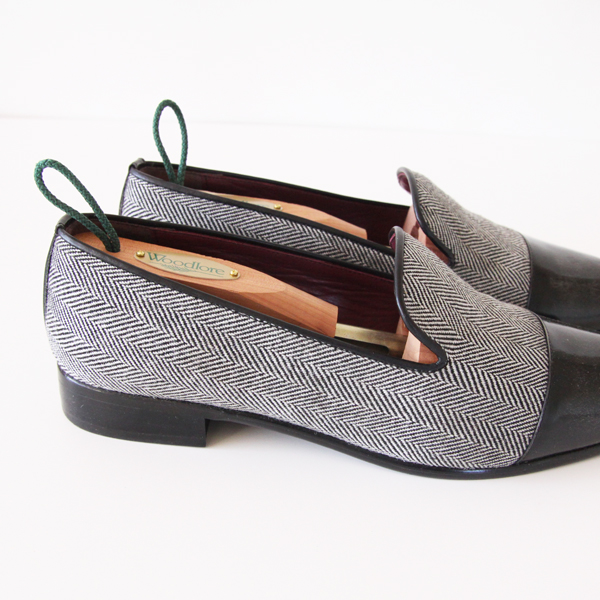
・For the longevity of each individual pair, avoid wearing them on consecutive days
Not just shoes—leather goods in general need time to rest after use.
Rather than wearing one pair continuously, rotate between several pairs.
・Don't wear them on rainy days
Unless they have been given special treatment, leather shoes
should not be worn on rainy days.
Getting wet in the rain can cause stains and make the leather stiffen, affecting comfort as well.
・Use shoe trees when storing
Especially with soft leather shoes, care must be taken to avoid the shoes losing their shape during storage.
Shoe trees also help prevent "wearing creases," which form from the bending of the leather as you walk, from becoming permanently set in.
Use shoe trees that fit the size of the shoes properly, and store them so they keep their beautiful shape.
【Caring for Leather Shoes】
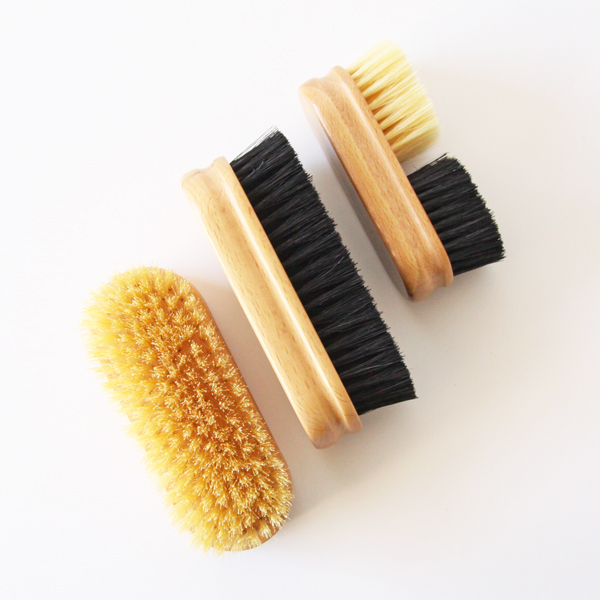
・Make brushing after each wear a basic habit
Dryness is a leather's worst enemy, and extra care is especially needed as the coming season approaches.
Leather originally contains its own oils, but dust that accumulates on it draws out that oil, leading to dryness.
That's why it's a good habit to give your shoes a light brushing when you get home,
so please deal with any issues early on.
For brushes, using a larger one for the upper and a smaller one for detailed areas
is effective when used properly. Pay close attention to the seam between the upper and the sole.
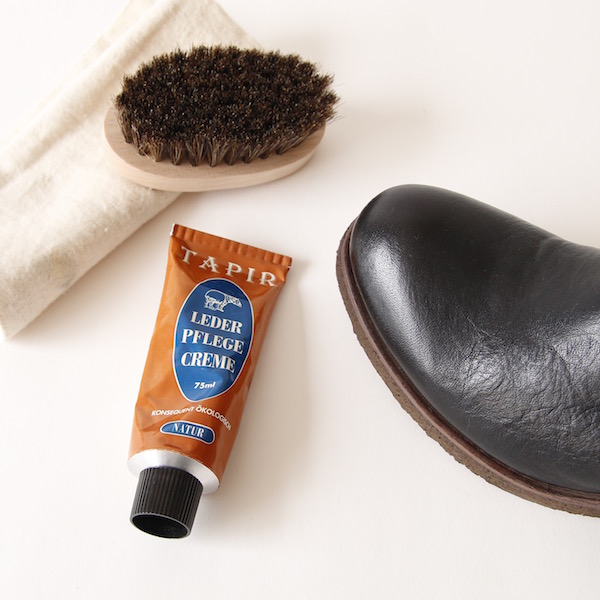
・Regular dirt removal and moisturizing care
Unlike our skin, leather doesn't produce oil from within, so
it needs moisturizing care from the outside.
Please set aside time once a month to care for your leather shoes.
1. If they're lace-up shoes, remove the laces.
2. Insert a shoe tree to smooth out the wrinkles from wearing them. (This makes it easier for the cream to be absorbed.)
3. Use a brush to remove surface dust.
4. Use a leather cleaner to remove oily dirt and old leather cream.
5. Take a small amount of leather moisturizing cream on a cloth or brush and spread it well.
6. Pay careful attention to the areas that crease when you normally wear the shoes, as the leather there is prone to cracking.
7. Once the cream has been absorbed, buff with a fine-textured cloth or stocking.
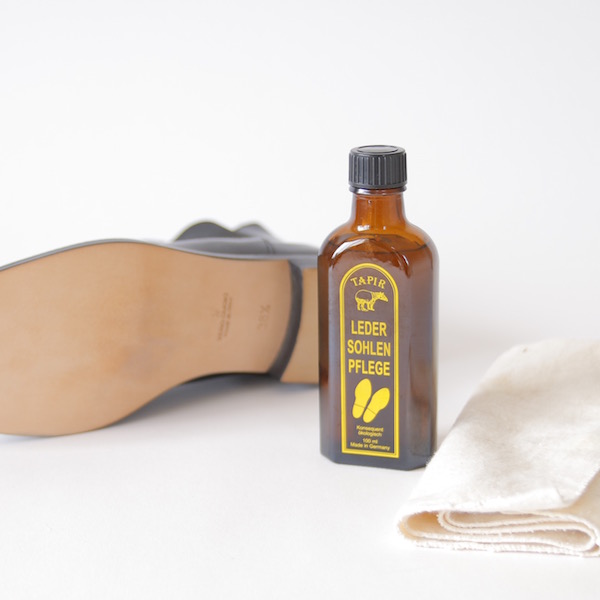
・Caring for leather soles
In addition to the leather of the upper, leather soles also require care.
Since they come into contact with the ground, it's only natural that they wear out faster than the upper.
If the sole looks whitish and fuzzy, that's a sign it's dried out.
Wearing shoes in that condition means the sole lacks flexibility, resulting in poor bending during walking,
and apparently causes the sole to wear down faster.
TAPIR's leather sole oil is an oil made specifically for shoe sole leather.
It penetrates the leather and increases its durability.
We recommend regular care starting from when the sole is new.
Take a small amount of oil on a soft cloth, brush, or similar tool, and apply it thinly and evenly to the sole leather.
Wipe off any excess oil and let it absorb for several hours.
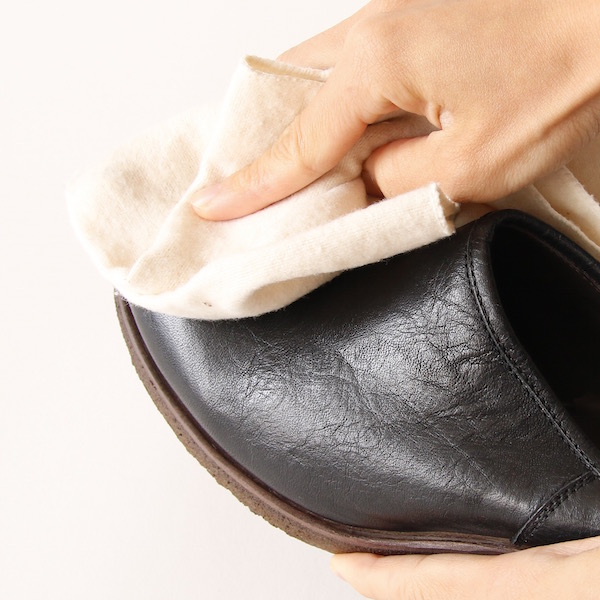
・Wipe off moisture right away if your shoes get wet
If your shoes get caught in sudden rain, the important thing is to wipe them off right away instead of leaving them wet.
Leaving them wet can cause the shoes to lose their shape, crack, or harden.
If they've only gotten lightly wet,
1. Wipe off the surface moisture with a towel
2. Dry them in the shade in a well-ventilated area
3. Replenish nutrients with a leather cream (moisturizing)
Even though we say "dry in the shade," if you come home in the rain, you'll end up drying them indoors.
Make sure the outsole doesn't touch the ground, and prop the shoes up against something to let them dry.
As moisture evaporates, it also takes the leather's natural oils with it, so be sure to moisturize
once the shoes have dried.
Caution!
Please avoid drying your shoes with a hair dryer.
This can cause the leather to crack.
・If rain stains have already formed
If you don't take care of your shoes after they've gotten wet,
spots from the rain can leave stains.
If this happens,
1. Wet a soft cloth with water and dampen the entire shoe, including the rain stains.
The key point is to wet the entire shoe evenly.
2. Dry them in the shade so that the whole shoe dries evenly.
3. Replenish nutrients with a leather cream (moisturizing)
You might be surprised—wait, they're already wet, and now I'm making them wet again?!—
but this has the effect of blending in the stains that have already formed.
Just be sure to confirm that they're completely dry before moving on.
Storing them while still slightly damp can cause odors and mold.
ーーーーーーーーーー
The key point about leather shoes is that leather itself, as a material, is durable
while also being something you can enjoy as it changes over time,
but the small habits we practice each day will make a difference three, five, and ten years down the road.
No matter how dressed up you are or how nice your accessories may be,
if your footwear isn't in order, the whole impression falls apart.
They're just shoes, and yet they're not just shoes.
Let's step out tomorrow with beautiful shoes.
GUIDE »
CATEGORIES »
- + Gifts by recipient
- + Gifts by scene
- + Clothing
- + Bags / Backpacks
- + Wallets / Card cases
- + Jewelry
- + Shoes
- + Rainy day outfits
- + Kitchen
- + Home
- + Babies / Kids
- + Japanese products
Earn Miles


Payment & Security