.webp)


.webp)


.webp)


.webp)


Welcome to ZUTTO
Free shipping for newsletter subscribers (some areas excluded)
My page
Information
- トップページ/
- ZUTTO Journal/
- 選び方・使い方/
- Comfort and warmt...

Comfort and warmth. Cotton flannel pajamas to wear this winter.
What do you wear to bed?
Pajamas, sweats, a jersey, a T-shirt.
"Sleepwear" is something everyone has their own preferences and standards for, but
for a good night's sleep, we'd still like to recommend proper pajamas.
Pajamas, being clothing made specifically for sleeping, have
good reasons for being recommended this way.
With pajamas made of cotton flannel material,
there's no chilly feeling when you put them on, along with all the goodness that comes from a natural material.


When thinking about what to do for a good night's sleep,
various methods are suggested, such as considering the height of your pillow
or dimming the room 30 minutes before bedtime, but among all of these,
one element that can't be left out is
what you wear to bed.
Many people may wear their sweats or jersey loungewear straight to bed as-is,
but what we'd still recommend is preparing proper pajamas.
The reasons are these:
Pajamas are made as clothing for sleeping, designed to be loose-fitting without unnecessary constriction.
Generous sizing and roominess could be said to be a design that doesn't cut off blood flow.
The fabric is on the thinner side, making it easy to turn over in your sleep, which is important while resting.
If made of natural materials, breathability and moisture absorption are good, making discomfort less likely.
Relaxing in a comfortable environment is said to help induce sleep.
"Changing" into pajamas before bed naturally flips a switch for sleep,
and this is said to have the effect of a "sleep ritual."

Looking at these reasons, it makes sense that things like nightgowns,
sleepers, and yukata that have existed since long ago are so well-suited to their purpose.
Conversely, this means that room wear, T-shirts, and sweats
are not made for "sleep."
"Sleep quality" isn't something you tend to think much about when you're not feeling unwell, but
if we're being a bit dramatic, when you consider your future health, it's an important matter that can't be ignored.
Now that we understand the importance of sleeping in pajamas,
what kind of pajamas will make sleep comfortable this winter?

As mentioned earlier, natural materials such as cotton and linen—thin fabrics that absorb sweat well—
are well suited as pajama material.
Cotton has a strong image as a summer material, but
with the right processing, it becomes a warm, reliable ally in autumn and winter too.
That material is called cotton flannel.
Even among fabrics that are all 100% cotton, the way they're processed
can make a considerable difference in how they feel against the skin.
For example, the crisp shirt fabric used for business wear
is thin, with a smooth, dry feel.
Men wear it year-round, but for women wearing it in casual settings,
it's more often worn in spring and summer.
Worn in winter, it inevitably feels chilly.
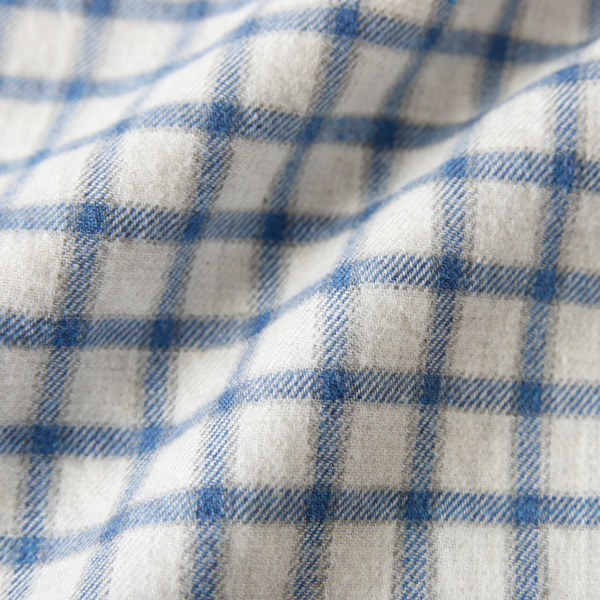
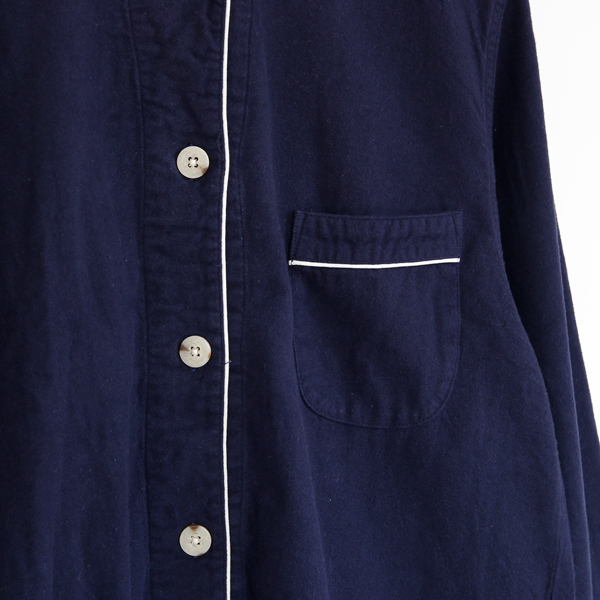
Cotton flannel, on the other hand, is a material made by
raising the nap of cotton fabric to give it a fuzzy texture, bringing warmth and durability to the cloth.
Many people may already own a plaid flannel shirt (neru shirt)
that they wear in autumn and winter.
Even though it's the same 100% cotton, there's no chilly feeling
or coolness when worn—it's fluffy, soft, and warm.
It's also characterized by a light wearing feel, and is widely used as a fabric for
shirts and pajamas during the cold season.
Flannel originally referred to napped wool fabric.
In the case of wool, it seems to be used often
as a material for men's winter business suits.
The woven fabric made to resemble that wool flannel, but using cotton instead,
is what's called cotton flannel.
Fabric napped on only one side is distinguished as "single-napped flannel,"
while fabric napped on both sides is called "double-napped flannel"—
it turns out flannel actually comes in a variety of types.
Of course, since it's still cotton, the good moisture absorption
and ease of washing remain unchanged.
Even in the cold of winter, cotton flannel—with its warmth and comfort during sleep—
can be said to be well suited as a pajama material.

Here are some pajamas made using this cotton flannel.
The two brands we'll introduce have given careful thought not only to material but also to silhouette and wearing comfort.
Villond
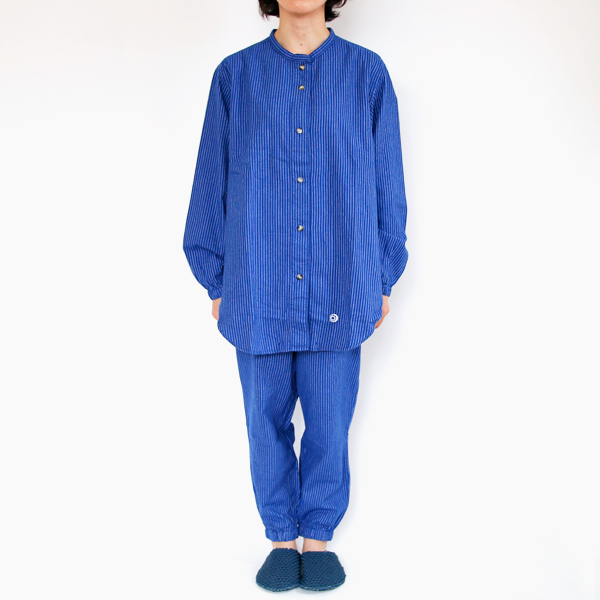
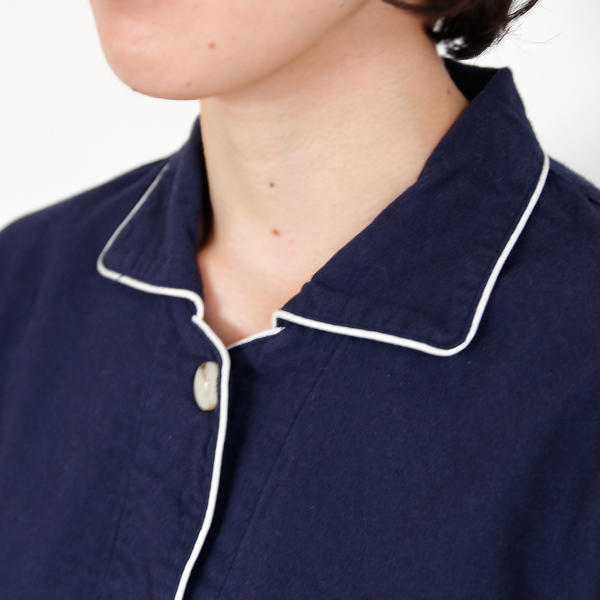
Villond, a Japanese brand, was launched by a fabric wholesaler that supplies
pre-dyed shirt fabric to manufacturers.
A wholesaler with deep knowledge of fabric carefully selected materials suited to sleep,
creating pajamas with their own distinctive silhouette.
Depending on the series, there are distinctive features such as sarouel-style pant designs
or elastic shirring, but
what they all share is a moderately roomy fit and ease of wear.
The crotch is cut deep, with room around the thighs,
while the legs taper cleanly toward the ankles, taking into consideration
how easily the legs move when turning over in your sleep.

Villond's pajamas have a certain cuteness to them, too, but
We also offer men's sizes.
Also, depending on the series, a matching drawstring storage bag comes included,
making this a pajama you'll want to bring along on trips and business travel.
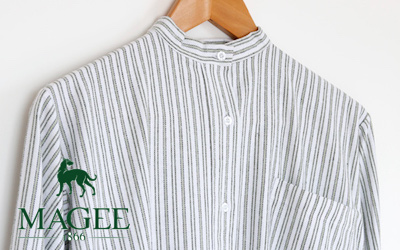
MAGEE CLOTHING

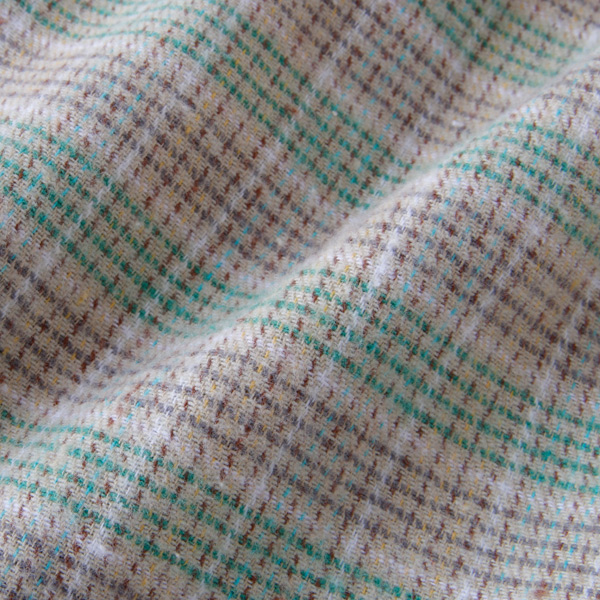
MAGEE CLOTHING is a brand that started 150 years ago in Ireland
with fabrics, and beyond pajamas it also handles
casual wear and knitwear.
What ZUTTO is currently introducing is the brand's nightwear series.
These one-piece style night shirts are made using
the brand's deadstock fabric, and the packaging reads
“Grandfather Nightshirt”,
showing how this traditionally designed pajama has now spread to men, women, and children alike.
It looks just like the one-piece style pajamas that men wore with nightcaps in old movies,
leaving a very charming impression.

On a model who is 157cm tall, it reaches about calf-length, so you can feel secure even in winter.
There's little worry of the hem riding up while you sleep and leaving you cold.
You can wear leggings underneath, or wear it on its own.
Many of the patterns are traditional, such as checks and stripes,
and the warm, reassuring colors are another appealing point.

GUIDE »
CATEGORIES »
- + Gifts by recipient
- + Gifts by scene
- + Clothing
- + Bags / Backpacks
- + Wallets / Card cases
- + Jewelry
- + Shoes
- + Rainy day outfits
- + Kitchen
- + Home
- + Babies / Kids
- + Japanese products
Earn Miles


Payment & Security