.webp)


.webp)


.webp)


.webp)


Welcome to ZUTTO
Free shipping for newsletter subscribers (some areas excluded)
My page
Information
- トップページ/
- ZUTTO Journal/
- 選び方・使い方/
- Crafting metal fo...

Creating metalwork close to everyday life. The metalworking culture passed down in Toyama
Kanamono (metalware) is one type of tool. As the characters suggest, it refers to tools made using metal. In Japan, metals such as iron and copper have mainly been used as raw materials for everyday tools like axes, hoes, and kitchen knives, as well as for armor and swords.
One of the regions where such metalware has long been produced is present-day Toyama Prefecture. It is said that this began in the Edo period, when foundry craftsmen were gathered to promote the prosperity of the town, and metalware came to be produced as art and craft objects. As the number of artisans engaged in metalworking gradually increased, manufacturing methods were established for a variety of materials—not only iron, which was distributed nationwide, but also copper, tin, and brass. In Toyama Prefecture, production efficiency has also been improved through a division-of-labor system, in which each process—casting, coloring, engraving, and so on—is handled by specialists.
As a result, each manufacturer today possesses a high degree of expertise and skill, and these techniques, accumulated over many years, now lead to new forms of manufacturing in the modern era.
The art of casting, which gives shape to objects
Casting is an essential technique in making metalware. Casting is the technique of forming shapes by pouring molten metal, heated to a high temperature, into a mold and allowing it to solidify. In Toyama Prefecture, there are many casting manufacturers that pour a variety of raw materials.
Bringing the orin into the modern age

Do-Rin / Yurin
Founded in the 40th year of the Meiji era (1907), Yamaguchi Kyujo is a manufacturer that has produced Buddhist altar fittings in Takaoka, Toyama Prefecture, for generations. Buddhist fittings such as candle stands and flower vases, in which copper plays an important role, may bring to mind a rather formal image, but Yamaguchi Kyujo applies the copperware production techniques cultivated through such fittings to create pieces that fit naturally into modern life.
Yurin is Yamaguchi Kyujo's brand, born from the desire to bring into everyday life the orin (a type of Buddhist bell), which produces a gentle, calming sound. With careful attention to charming motifs and the resonance of sound, Yurin proposes the orin as a piece of interior decor that adds color to everyday scenes, such as an entryway or living room.

Yurin's orin uses a copper alloy for the bell body and brass for the striker. When rung, it produces a clear, resonant sound that lingers for a long time. If the shape or size of this bell portion differs even slightly, the sound will not ring evenly. To make an orin, the raw metal is first melted and poured into a mold to form its shape. The difficulty of casting lies in the fact that the temperature and humidity at the time greatly affect the result. By carefully judging the timing of the flame that melts the metal and taking that day's conditions into account, a beautifully resonant sound is achieved.

Kotorin / Yurin
Do-Rin can be installed on an entryway, a room door, a refrigerator, and so on. Kotorin is placed and used in a living room or entryway. Hidden within these charming motifs are meticulous casting techniques and the secret to drawing out a beautiful sound.
Bringing out the best in brass
Like Yurin, FUTAGAMI is a brand that has long been engaged in brass casting, among other metalwork, in Takaoka. FUTAGAMI mainly manufactures brass interior items, creating pieces that draw out the appeal of brass and blend naturally into modern life. Brass is naturally highly resistant to corrosion and relatively easy to work with, which is why it is also used in ships, architectural fittings, and furniture.
The brass interior items made by FUTAGAMI also remind us that such objects are meant to be used for a long time, not disposed of after brief use.
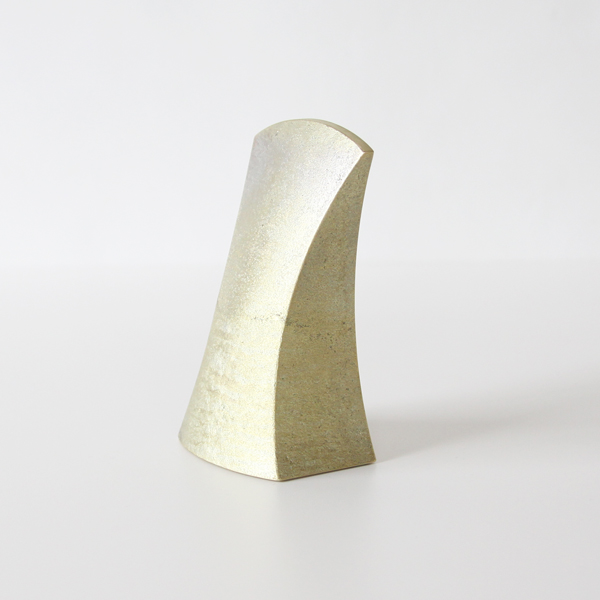
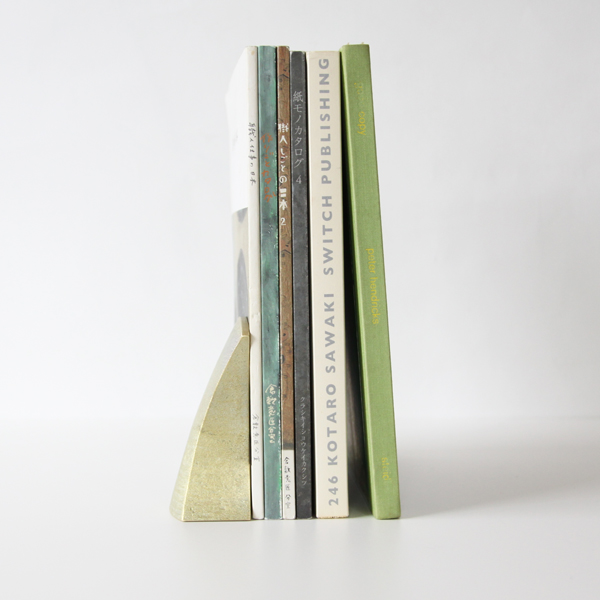
The Bookend Funto, which casts beautiful shadows when light hits it, has a simple shape yet a strong presence—perhaps because it is made of brass. Its weight is angled diagonally toward what it supports, giving it a structure that can withstand the weight of heavy books or notebooks. Felt is attached to the back of the bookend, showing consideration so that it won't scratch a desk.


This is a knife stand with a striking, distinctive shape. It has a wooden cover on top, with a hollow space inside. The sides of its legs also feature cut-out grooves. Such delicate shaping is achieved through the mold used before casting. Like the bookend, its weight keeps it from tipping over easily, allowing it to be used safely in the kitchen as well.
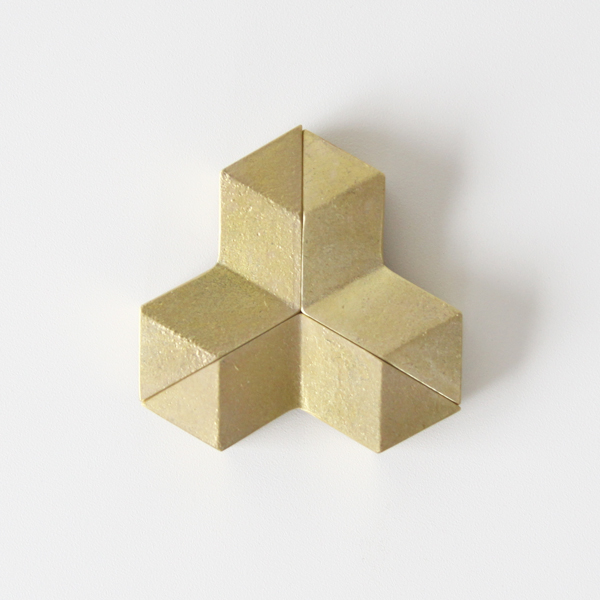
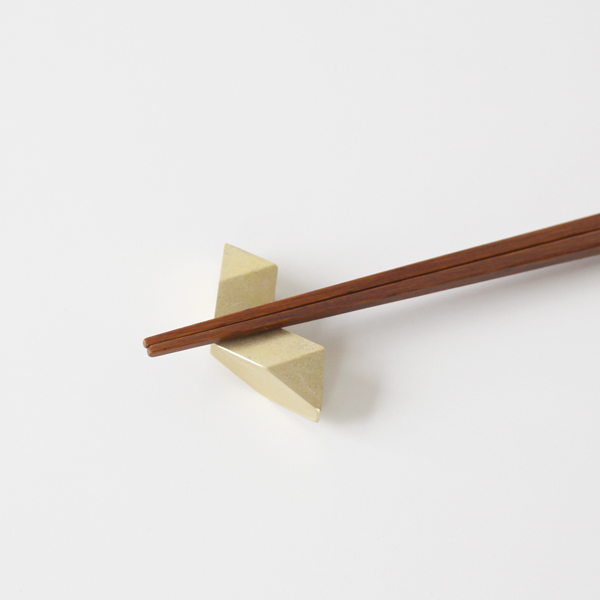
The delicate shapes achieved through casting also extend to small items. The Chopstick Rest Kesshou is characterized by its beautiful shape, with each rest looking as though it were folded like origami or a bird spreading its wings. It comes as a set of three evenly cast chopstick rests, and its refined appearance also makes it a piece we'd recommend as a gift.
The formative beauty of tin
In addition to brass, there is also Nousaku, which casts tin to create beautifully shaped metalware.
Nousaku is likewise a casting brand that began in 1916 in Takaoka, producing Buddhist altar fittings using casting techniques passed down through generations. Whereas other metals are normally added to increase hardness and improve machinability, Nousaku possesses the skill to cast with 100% pure tin, making the most of the soft quality that tin has among metals.
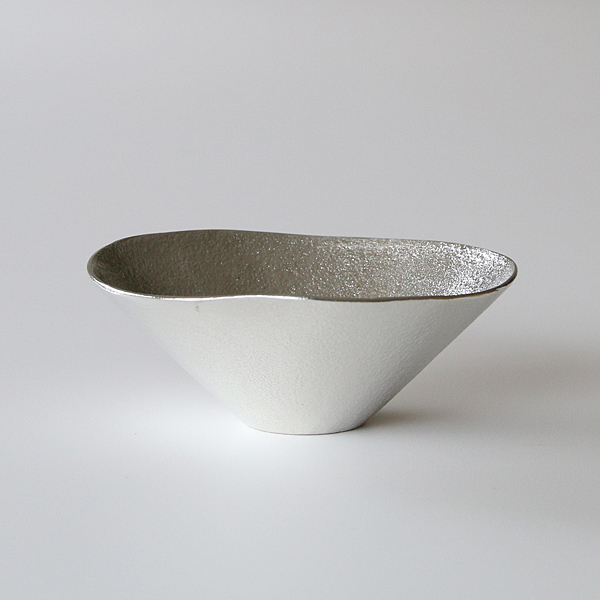
The Tin Bowl Kuzushi quietly reflects light. Its vessel, drawn with smooth curves, has a beauty reminiscent of a fine craft piece.
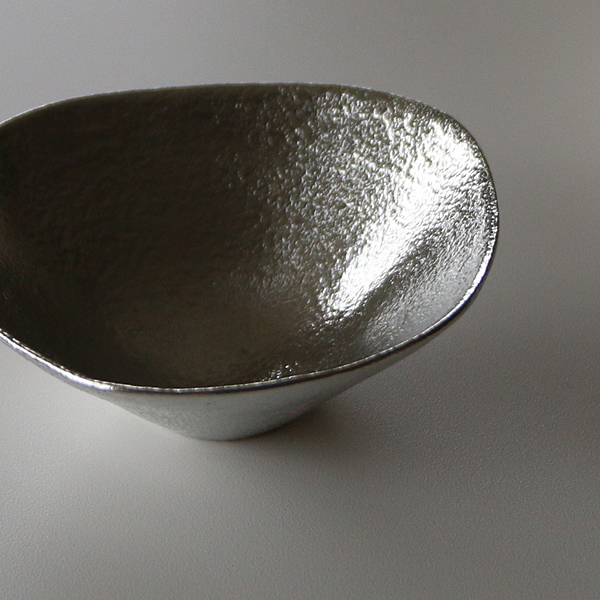
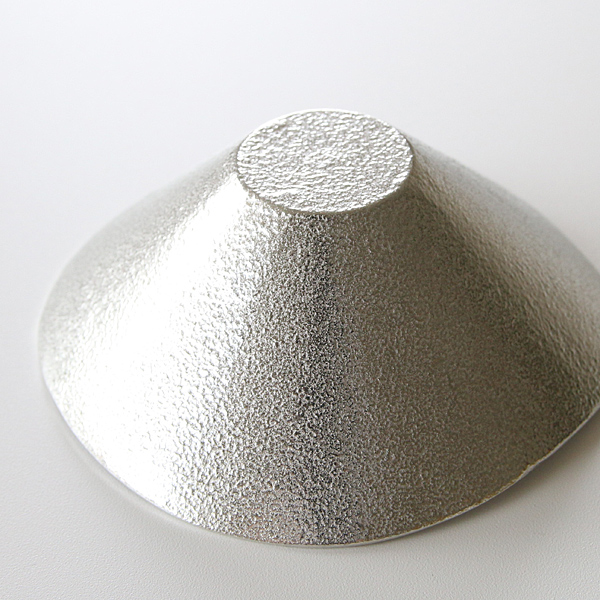
Both the surface and the base have the glossy, weighty texture unique to tin. Its presence might make you hesitate to use it for everyday meals, but it brings elegance to the table on celebratory occasions, and since tin is resistant to rust, it's also well suited for daily use. Cold dishes like sashimi or chilled pasta can be served at the table while keeping their cool temperature intact.


One item we'd recommend pairing with it is the Plate Koriwari. This is a flat, simple plate, but its surface reveals the delicate patterns unique to tin (a soft, malleable metal). The slight unevenness you may notice along the plate's edge is also a result of tin's softness. Its silver tone pairs well with both Japanese and Western-style tableware, so why not bring one in as a main plate?
Copper Captivating Through Its Coloring
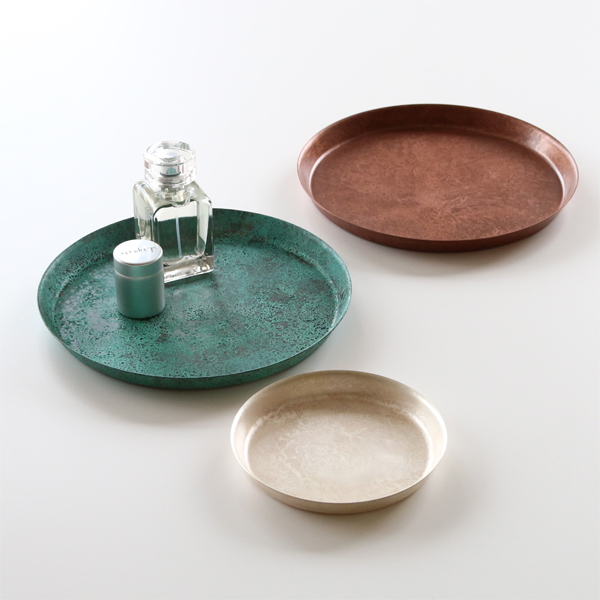
In Toyama Prefecture, alongside the casting techniques used to form metal molds, there are also makers who have specialized purely in coloring techniques. tone was born in Takaoka, Toyama—a city known for its highly developed division of labor—from Orii Chakushokusho, a workshop that has primarily specialized in the coloring of copperware.


Since paint cannot simply be applied to metal, coloring copper requires the use of various chemicals to trigger a chemical reaction on its surface.
At Orii Chakushokusho, for instance, when they want to bring out a bright, reddish hue on copper, they traditionally use rice bran. It's surprising to learn that something we associate with food is used this way. A mixture of rice bran and chemicals is applied to the copper, which is then heated until it turns bright red. After cooling, the oxidized surface film is polished away to reveal the red shudo (vermilion copper) beneath. They've also used vinegar, grated daikon, and decoctions made from grass-family plants—drawing on familiar, everyday materials through repeated trial and error to develop their coloring techniques for copper.
Through this process of trial and error, the workshop has built up techniques unique to the coloring trade, and today it has even mastered the ability to color thin copper and brass sheets—something once considered extremely difficult.
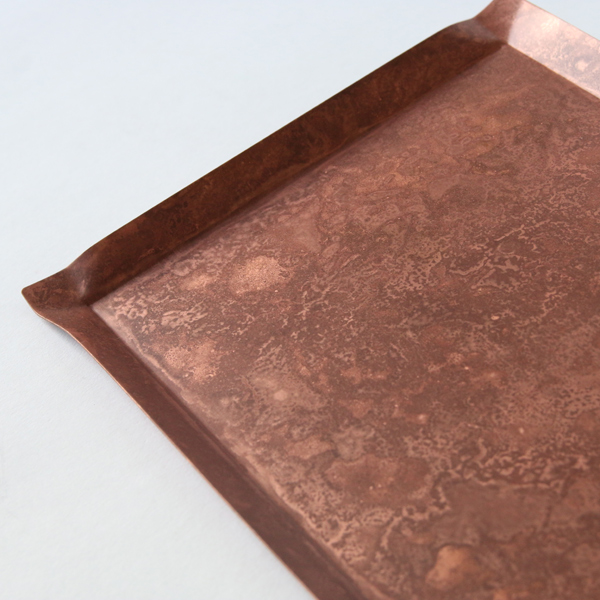
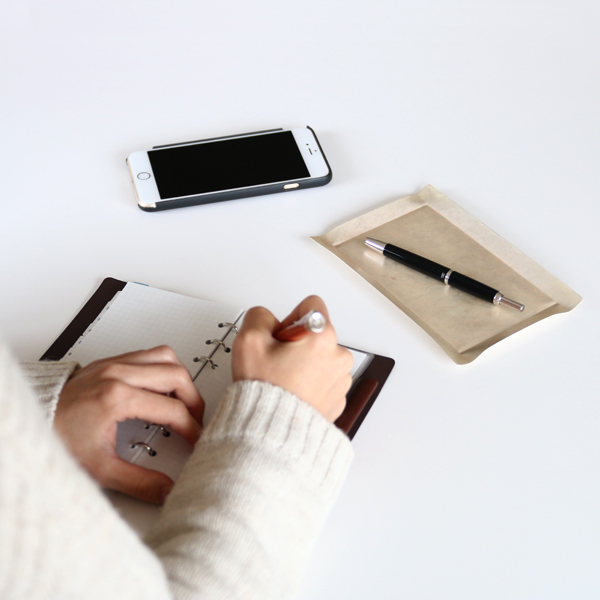
While some metals have a smooth, glossy surface, copper tends to have a somewhat rough texture, with distinctive, uneven coloring. This appearance lends copper a calm, settled quality, and part of its appeal is watching it change over time. tone's colored copper products retain these characteristic traits of copper while creating something truly one of a kind.

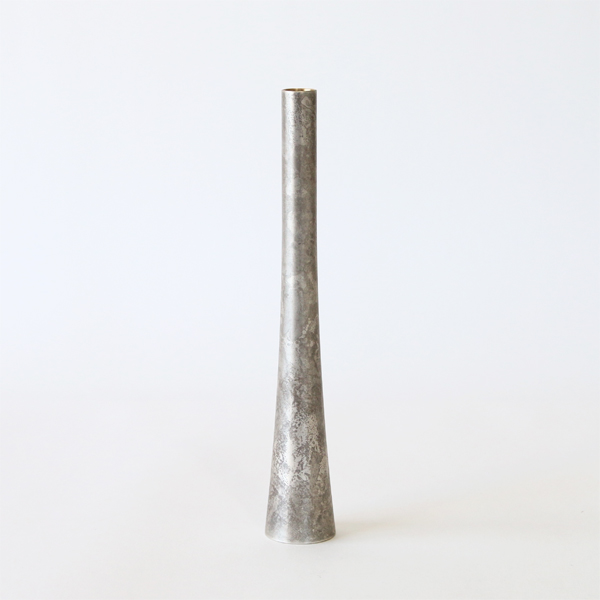
Copper also has excellent thermal conductivity, which helps it maintain temperature. tone's tumblers and cups can be chilled in the refrigerator, so if you cool them for a few minutes before pouring in a cold drink, you can enjoy your beverage perfectly chilled. Likewise, the slender Ichirin (single-flower vase) keeps water cool for a certain period once filled with cold water, helping flowers stay fresh longer. With a touch of rugged charm, yet fully capable of fulfilling its role as a practical tool, copper truly proves its worth.
▽We also recommend: Caring for Metalware by Material


▽Browse the full product lineup from each brand here
A Dignified Presence, Orin / Yuurin

Conveying the Beauty of Tin / Nousaku
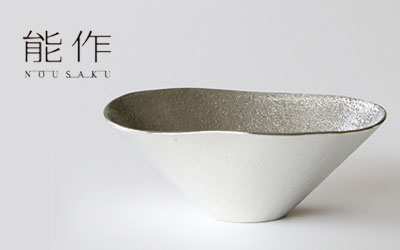
Discovering the Charm of Brass Over Time / FUTAGAMI

Copperware with an Unmistakable Presence / tone

GUIDE »
CATEGORIES »
- + Gifts by recipient
- + Gifts by scene
- + Clothing
- + Bags / Backpacks
- + Wallets / Card cases
- + Jewelry
- + Shoes
- + Rainy day outfits
- + Kitchen
- + Home
- + Babies / Kids
- + Japanese products
Earn Miles


Payment & Security