.webp)


.webp)


.webp)


.webp)


- トップページ/
- ZUTTO Journal/
- 選び方・使い方/
- Apron Comparison:...

Comparing Aprons: "Ease of Use" as Seen in Shape, Material, and Length
The Apron, Your Partner in Housework
An apron is indispensable when doing housework such as cooking, cleaning, or gardening. Originally worn to protect clothing from stains, it has also become something of a "switch" that gets you in the mood to tackle household chores. Tying the apron strings snugly can make you feel, "Alright, let's do this!"
Since aprons tend to get dirty easily, many people keep several on hand as spares. They also make a fitting gift for occasions like Mother's Day or weddings, whether given or received.
At ZUTTO, we've introduced many different aprons, and their look and use vary depending on the material and shape. This time, we bring you a comparison of aprons.

Table of Contents)
1. Comparing Aprons by Material
2. Comparing Aprons by Shape and Length
3. For Those Concerned About Shoulder Stiffness, a Shoulder-Support Style
4. The Kappogi Style, Useful for All Kinds of Housework
5. Kids' Aprons, for Standing in the Kitchen with Mom and Dad
Comparing Aprons by Material
First, let's look at aprons by material. The material you choose will naturally depend on how often you wash it, your preferred softness, and whether it's meant for both men and women.
◆Linen
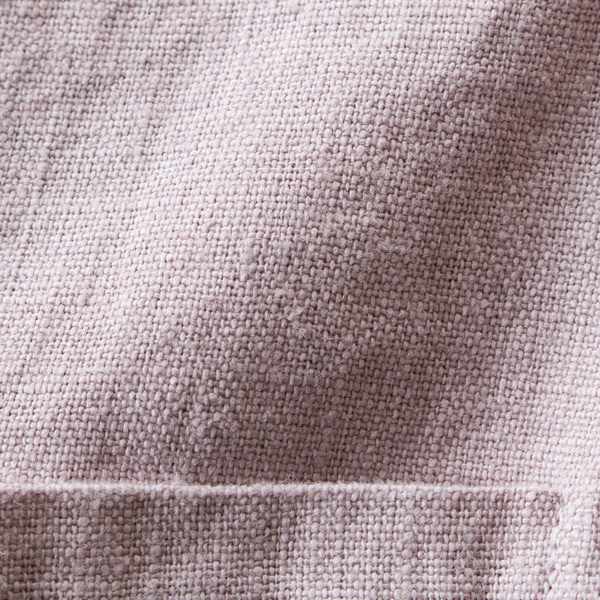
Linen is the most common material among the aprons we've introduced. It's outstandingly easy to wash, and its soft, body-hugging texture makes it a pleasure to use. With its gentle, natural look, it's also an easy choice for women to pick up. Since it dries quickly, linen is the best choice for your first apron if you're trying to get by with just a few.
◆Canvas
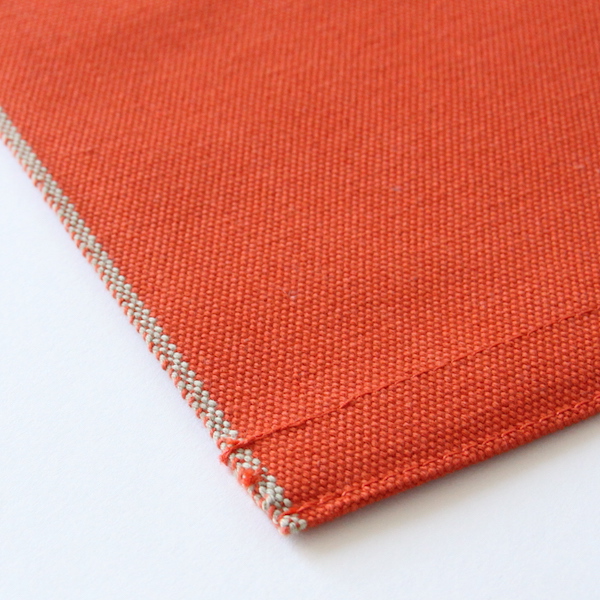
Canvas is a firm, tightly woven, and highly durable material. It's great for cooking in the kitchen, of course, but its toughness also makes it reassuring to use for active chores like gardening and DIY projects.
As a material, canvas is made of cotton, but it's characterized by being a plain weave fabric made by twisting multiple threads together, with the thickness of the fabric changing depending on the number of twists.
Canvas also has the characteristic of becoming tighter and more water-resistant when wet, making it an ideal apron material for housework that involves a lot of water. It's also an easy material for men to use.
◆Cotton
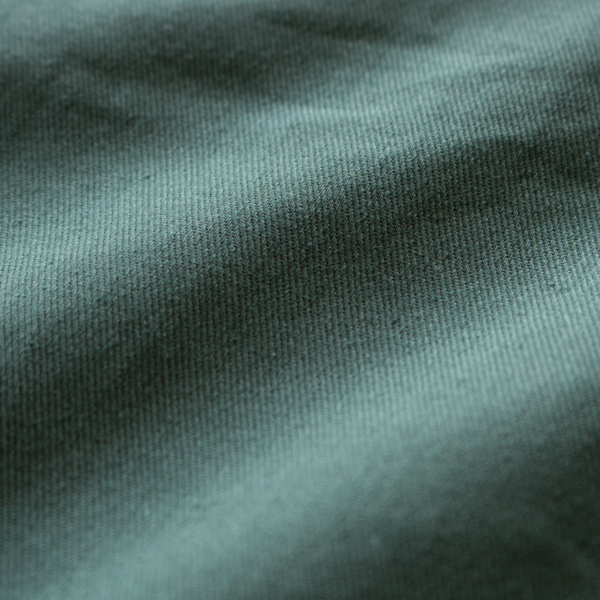
Cotton is a material known for its gentle, comforting touch against the skin. It's not as thick as canvas, but it's an all-purpose material that works casually and confidently in any situation. Since it's a material most people are already familiar with, you can wash it without worry and use it with peace of mind.
◆Flame-Resistant Material

This material blends aramid fiber with polyester to create flame resistance. It's not only difficult to burn but also durable and resistant to water and stains soaking in. With flame- and heat-resistance high enough to be used in firefighters' protective clothing and gloves, it's a dependable material for a wide range of scenes, from outdoor activities and DIY to gardening and vegetable growing.
Comparing Aprons by Shape and Length
One notable feature that distinguishes apron shapes is whether or not they have a bib. The bib protects your upper body from splashes while cooking, while the type without one is generally known as a "cafe apron."
With a bib:


For an apron used while cooking, one with a bib offers greater peace of mind. It not only protects your clothes from stains but also guards against hazards like splattering oil.
Without a bib:
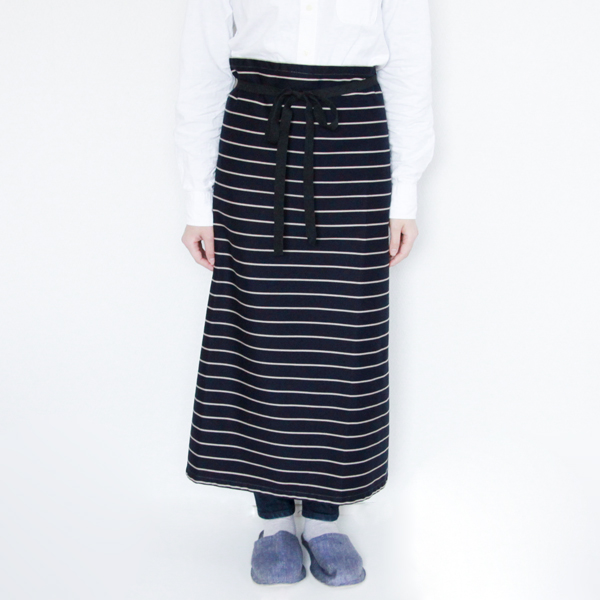

A cafe apron, which covers you from the waist down, is perfect for cleaning or quickly preparing tea or coffee for guests.
The right length also changes depending on the housework at hand. The length of an apron is a balance between resistance to dirt and ease of movement, making it a key point when choosing one.
Full-length type, reaching below the knee:


Takibi Field Apron, Unisex >>
This reassuring, longer length covers and protects you fully. It's the most versatile option, ideal for everyday use. This length is also comfortable to wear when kneeling down to clean.
A short type for easy movement:
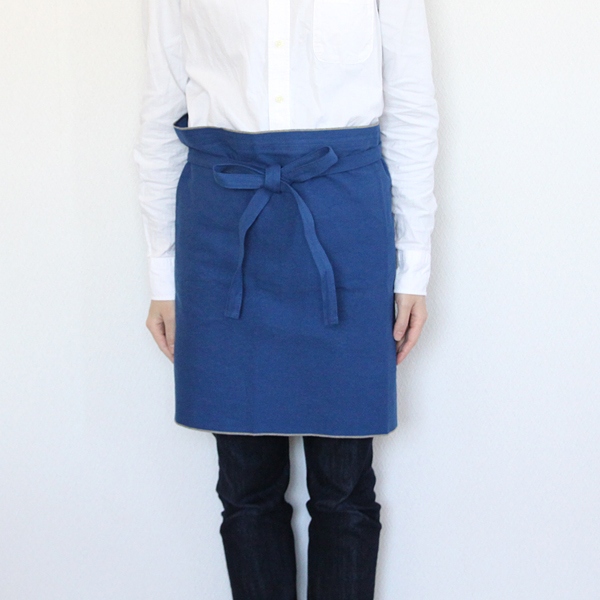
An above-the-knee length is great for situations where ease of movement matters most, such as rearranging furniture or changing over your seasonal wardrobe—tasks that involve a lot of moving around but not much mess. Its light, breezy impression also makes it a good choice when receiving guests.
If you're concerned about shoulder stiffness, we recommend a shoulder-supported type
The strap design of an apron is actually a surprisingly important detail. For aprons with a bib, they generally fall into two categories: "neck-strap type" or "shoulder-strap type." What are the pros and cons of each?

▲Neck-strap type: This type is worn by placing the strap around your neck. It's convenient because putting it on and taking it off is quick and easy, but since the weight of the apron is concentrated on the neck, it may become tiring after long periods of use.

▲Shoulder-strap type: With this type, the straps go over both shoulders, distributing the weight so it's less tiring than the neck-strap type. However, since you need to pull it over your head to put it on, it takes a bit more effort. The apron in the image above has thick, stable straps, making it a type that puts even less strain on the shoulders.

▲Shoulder-strap type: This is also a pull-over shoulder-strap type. With its dress-like design, the part that touches the shoulders is even wider, reducing the burden. At home, it looks great paired with simple wear like a T-shirt and leggings, so you can also wear it as loungewear.
A kappogi-style apron for all your household chores

Even when wearing an apron while cooking or doing housework, it's common for your cuffs to get too close to the fire, or to get sleeves dirty while reaching for something far away. A kappogi (Japanese-style work coat) covers you all the way to the cuffs, so your clothes stay clean and you stay safe. It's an item you don't see as often these days, but it proves to be a truly versatile tool for housework. The ZUTTO original Linen Home Dress brings the benefits of this kappogi into modern everyday life.


The design was inspired by a French vintage smock dress. This home dress can be used in three ways: as a kappogi or apron for household chores like cooking and laundry, as a robe to relax in at home, and as a dress for when you pop out for a bit.
Join mom and dad in the kitchen: kids' aprons

Kids' Apron Navy White Check >>
For children at that age when they want to help out, giving them their own apron alone can make them happy and motivated. With a simple design that's just like a smaller version of an adult apron, it can be used for a long time until they outgrow it.
▼See the full list of aprons here
GUIDE »
CATEGORIES »
- + Gifts by recipient
- + Gifts by scene
- + Clothing
- + Bags / Backpacks
- + Wallets / Card cases
- + Jewelry
- + Shoes
- + Rainy day outfits
- + Kitchen
- + Home
- + Babies / Kids
- + Japanese products
Earn Miles


Payment & Security