
.jpg)


.jpg)
.jpg)
.jpg)

- トップページ/
- ZUTTO Journal/
- お手入れ・エイジング/
- Making UV protect...

Make it a habit: UV protection for people and things
Once Obon in August passes, we start to feel that autumn is on its way, but this is still a season when the sun brings lingering heat and the effects of ultraviolet rays whenever it appears. It's a time when we want to take proper care of both ourselves and our belongings.

Ultraviolet rays are a type of light emitted by the sun. Among them, the UVA rays that reach the earth's surface are said to affect our bodies, including our skin and hair, most notably in the form of sunburn.
Ultraviolet rays also affect not just people but "things" as well. Just as furniture or decor placed near a window will gradually fade over time, objects, like people, get "sunburned" too, and this becomes a cause of gradual deterioration.
We tend to picture ultraviolet rays as something that's strongest in summer, but the sun actually emits them at high levels from around April through October. Once September arrives, it feels as though summer is coming to a close, but when it comes to the effects of UV rays, precautions are still very much needed.

When it comes to protecting your own skin from ultraviolet rays, the first thing to try is "covering up." The parasol is a prime example of this approach.
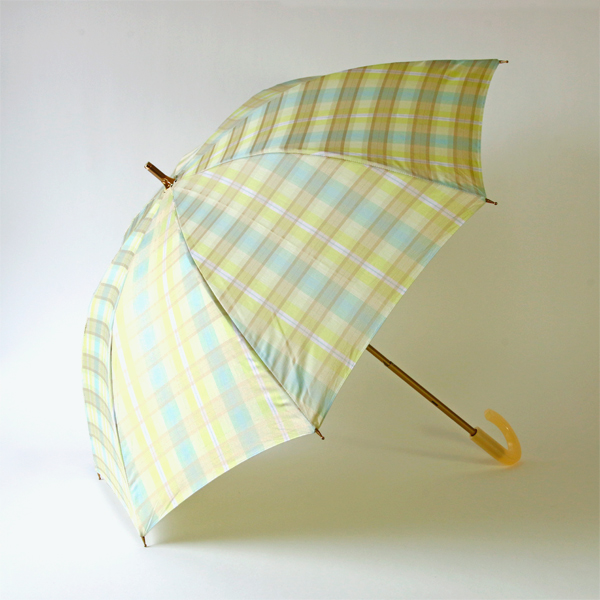
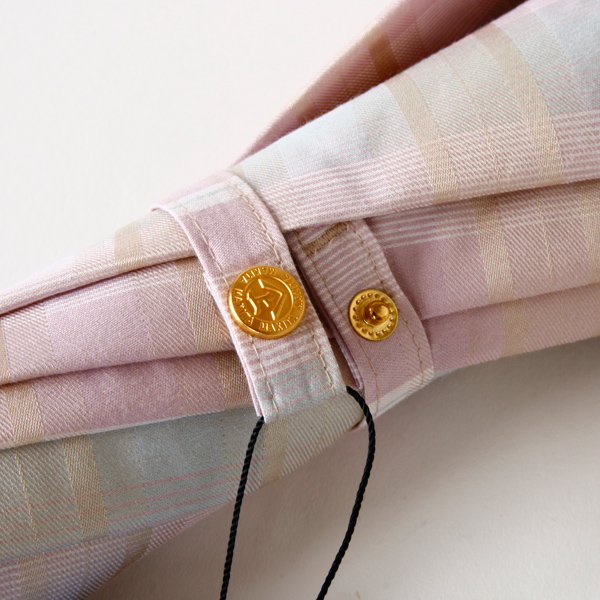
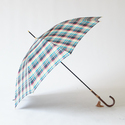
The Check Jacquard Sun and Rain Parasol from Makita Shoten works as a parasol, but can also handle light rain as a dual-purpose sun-and-rain umbrella. The fabric, a blend of polyester and cotton, is treated with a heat-shielding finish called N-Cool, which blocks UV rays and heat while still letting light filter through pleasantly. The gentle pastel-colored check pattern brightens up the face.
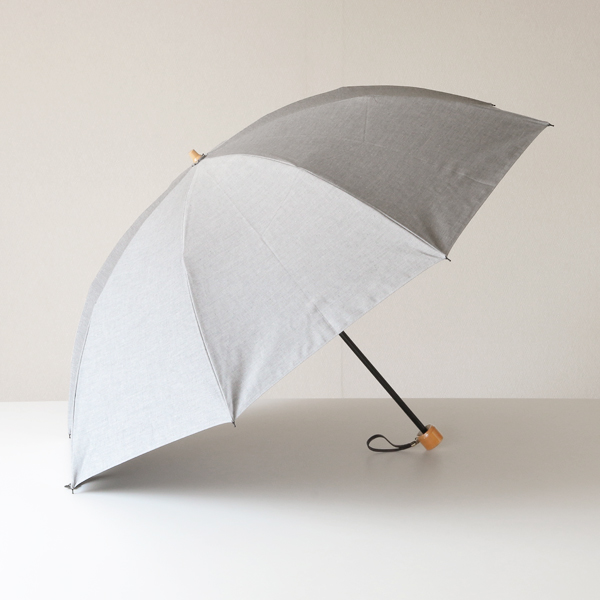
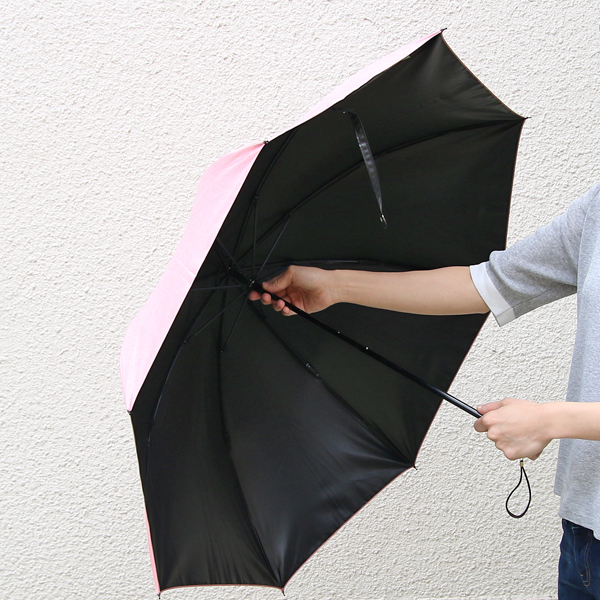
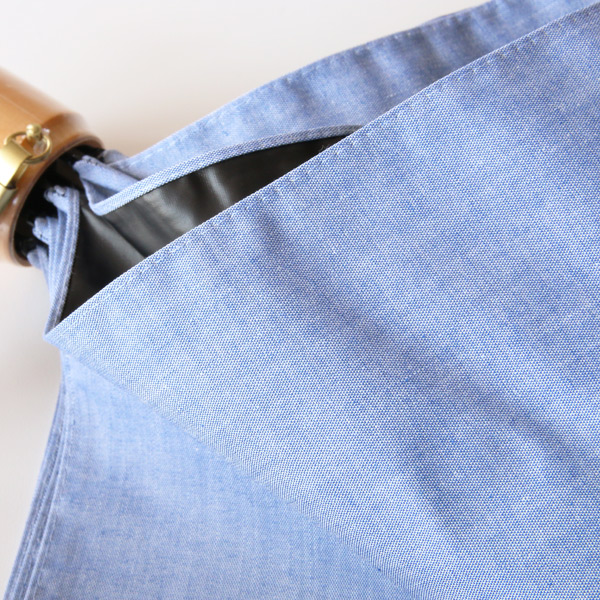
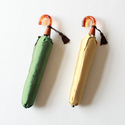
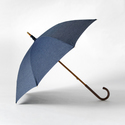
The KOMIYA Sun and Rain Folding Umbrella, Chambray Coating, is another option that works for both sun and rain. The glossy chambray fabric has a black underside that not only prevents glare bouncing up from the ground, but is also processed as a first-class light-blocking umbrella with a light-blocking rate and UV-cut rate of 99.99% or higher. Using colored thread for the warp and white thread for the weft creates an elegant chambray look, making this an umbrella that's recommended for men as well.
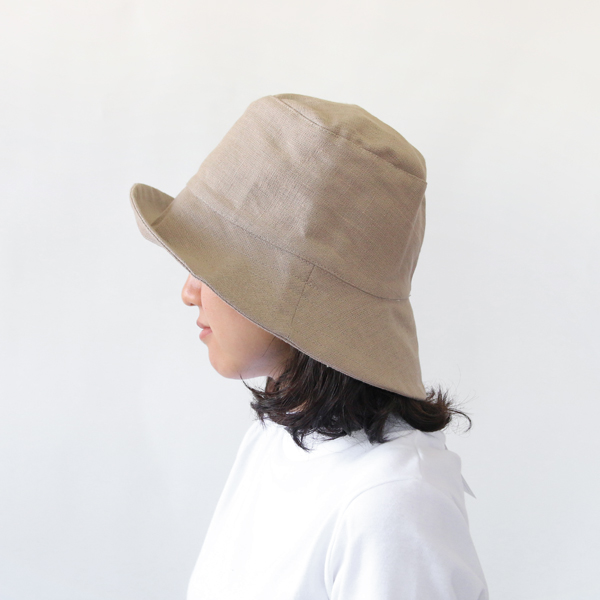
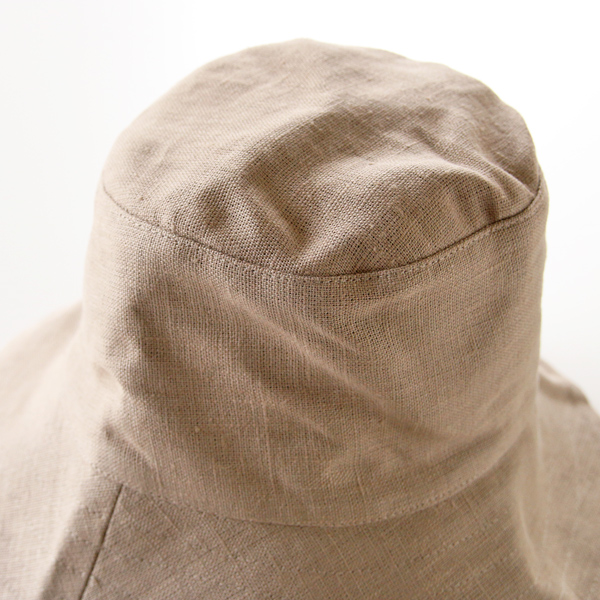
Another indispensable item for staying out of the sun is a hat. The fog linen work Linen Hat, woven with a tight weave, offers excellent breathability while providing plenty of sun protection. The Claire Linen Hat has a brim length of about 8cm, making it neither too large nor too small—perfectly suited for everyday use.

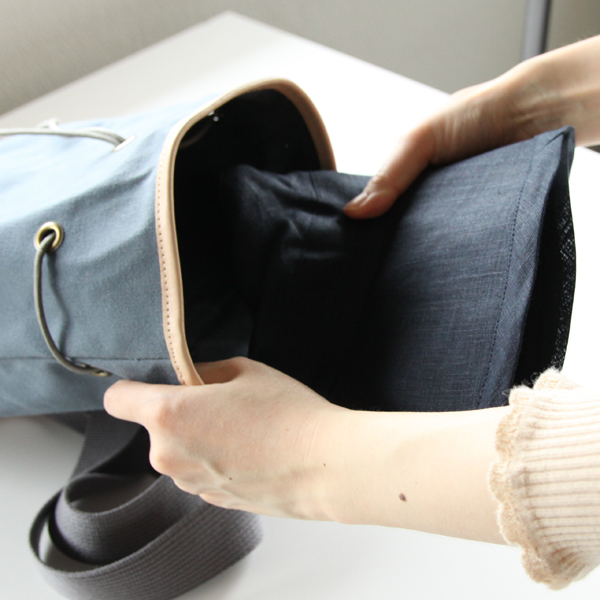
The Rouge Linen Hat, with an even longer brim than the Claire (about 12cm), is a reliable hat that covers all the way to the back of the neck. Both the Claire and Rouge can be washed at home, and since they fold up compactly enough to fit in a bag, they make an essential item for heading out.

The neck, chest area, and arms are easily exposed areas, so wearing clothing over them is an effective way to protect against ultraviolet rays. Versatile items like stoles and cardigans, which are easy to put on and take off depending on the temperature, are recommended.
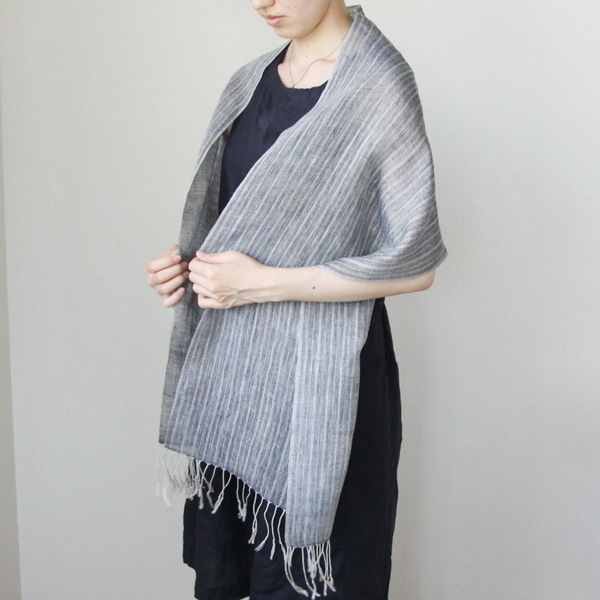
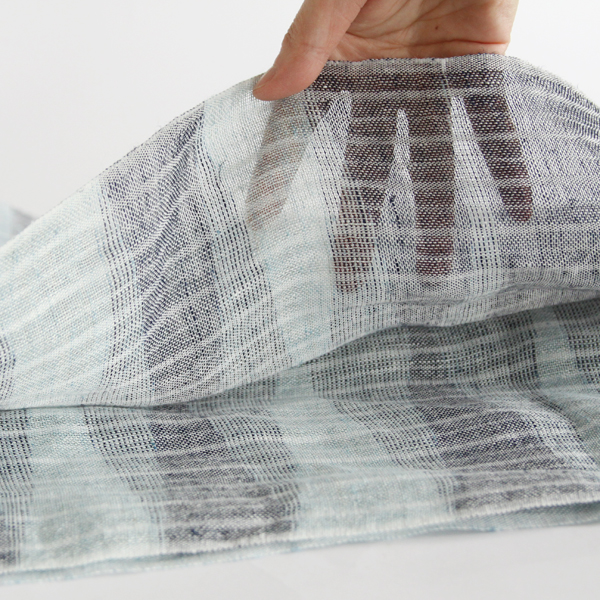
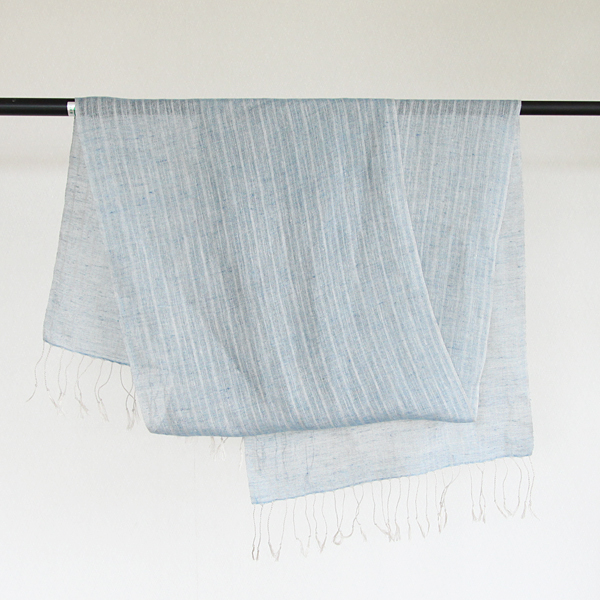
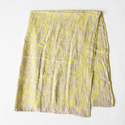
This stole from Karansha is made from high-quality linen, a fabric that evokes summer. Despite its sheer, cool feel, draping it softly over your shoulders or wrapping it around your neck keeps you cool while shielding you from the sun's rays. Karansha uses aizome (indigo dyeing), a technique that relies on the leaves of a natural plant. By layering color again and again, and repeating the processes of refining, beating, and drying the thread, a beautiful gradation of indigo blue is created. It would also look lovely draped over your shoulders to finish off a dressed-up look.
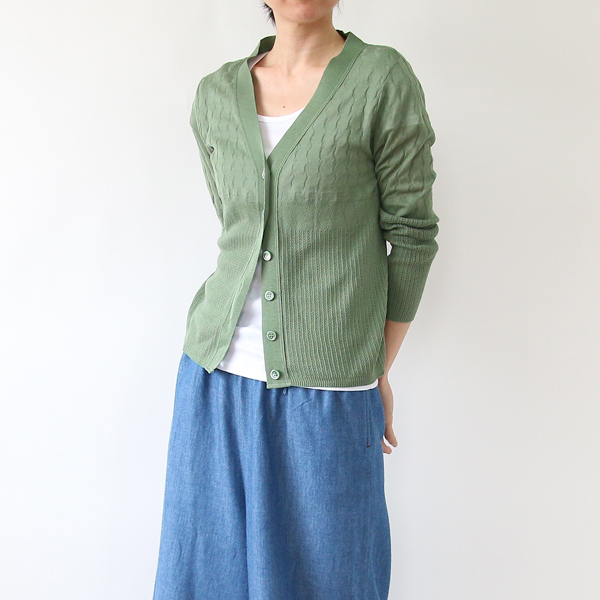
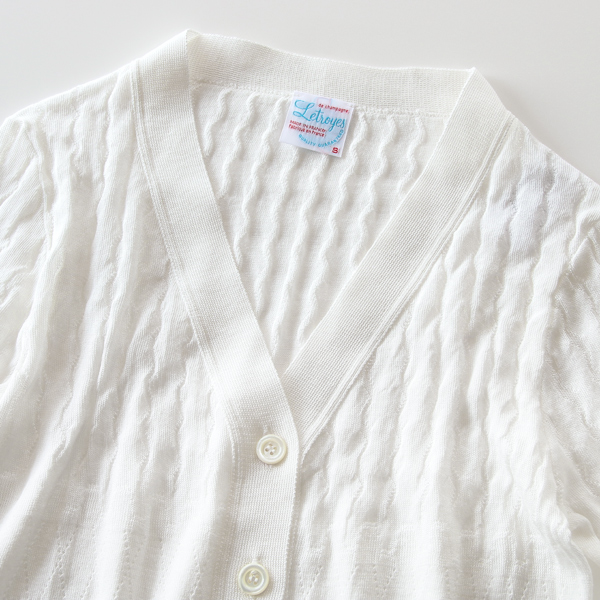
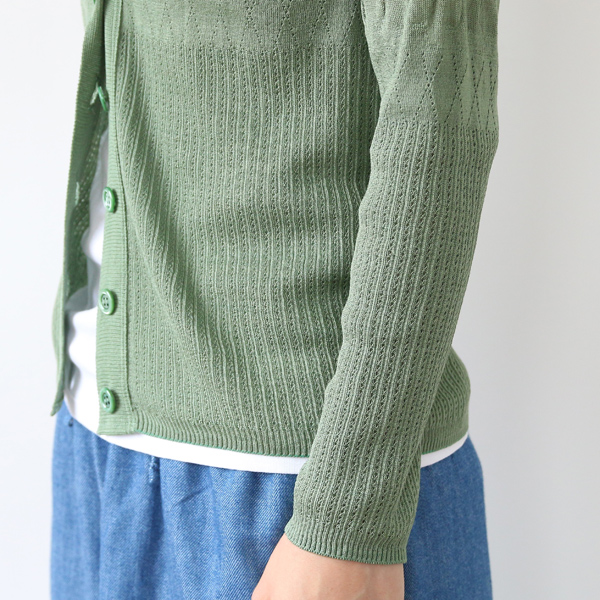
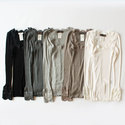
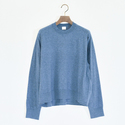
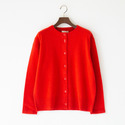
From Letroyes, born in France, comes the Lace Cardigan, light and comfortable to wear. Made from 100% cotton, it's a piece you'll want to reach for as a light layer from the end of summer onward. It's knitted slowly and carefully on a low-speed circular knitting machine called "MAILLE," resulting in a fabric with a soft, gentle finish. Since the body has no seams or joins, the cardigan feels pleasant against the skin. You can enjoy three different lace patterns: a wave-like undulating pattern, a crisscross pattern, and a pattern of lines running vertically.

Objects are affected by ultraviolet rays just as people are. Even the clothing we wear every day is, in fact, gradually accumulating damage from UV exposure.

Fading often occurs with darker-colored clothing, and this is thought to happen because ultraviolet rays cause the dye used in the fabric to break down. Delicate materials such as wool and silk can also discolor or shrink when exposed to UV rays.

That's why, when it comes to protecting clothing from ultraviolet rays, the important thing is to dry it in the shade. Avoiding long stretches of direct sunlight is key. Of course, sun exposure can sometimes help prevent issues like insects, so in those cases, we recommend a brief period of drying in the sun.

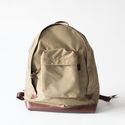
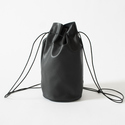
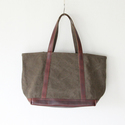
Besides clothing, wooden items and leather goods are also prone to the effects of ultraviolet rays. Materials like these, too, can discolor, crack, or warp if exposed to UV rays for long periods.

For these kinds of small items, just as with clothing, the first line of defense is using them in the shade. Prolonged sun exposure causes drying out, just as it does with our bodies, and can eventually lead to cracking. That's why proper care suited to each material—whether leather or wood—is also essential.

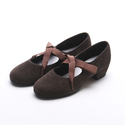
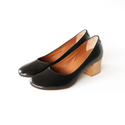
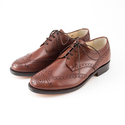
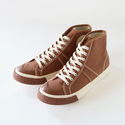
One basic care item worth keeping on hand is oil suited to each material. Tapir's Lederoil is a care item that cleans dirt from leather goods while also moisturizing them. Take a small amount on a soft cloth and rub it in, spreading it thoroughly. It's recommended not only for small leather items like bags and wallets, but also as UV protection for leather shoes after brushing off dirt.

For moisturizing care of wooden items, try the Kendringer series. This is a polish made entirely from natural materials, designed for wooden products. It can be used not only on painted and unpainted wood, but also on plastic, linoleum, and even metal and leather goods. It comes in both liquid and wax types, so take a small amount of whichever you prefer on a cloth and work it in slowly, letting it soak in.
GUIDE »
CATEGORIES »
- + Gifts by recipient
- + Gifts by scene
- + Clothing
- + Bags / Backpacks
- + Wallets / Card cases
- + Jewelry
- + Shoes
- + Rainy day outfits
- + Kitchen
- + Home
- + Babies / Kids
- + Japanese products
Earn Miles


Payment & Security