


.jpg)


.jpg)

.jpg)
.jpg)


- トップページ/
- Jewelry/
- Bracelets / Rings/
- TUAREG JEWELRY RING
 TUAREG JEWELRY
TUAREG JEWELRY RING
A ring like a talisman
The silverwork of the Tuareg people, who have lived while moving across the Sahara, is born from handcrafted techniques passed down through generations. Characterized by fine lines carved into material nearly pure silver, patterns quietly emerge depending on the angle of light. Patterns combining straight lines and dots sometimes carry meanings symbolizing nature, such as stars or wind. These pieces have been treasured not only as decoration but as companions that resonate with the wearer's inner self. This jewelry grows into a unique patina while becoming part of your daily attire.
Sculptures inspired by nature and daily life
Tuareg silverwork originates from craftsmanship completed within desert life, independent of urban workshops or industrial equipment. The artisan, Inaden, uses inherited tools to melt nearly 100% pure silver ingots over fire, shaping them into rods or sheets. The process of adjusting thickness relies on the sound of the metal being struck and the subtle resistance felt in the hands—a layered accumulation of sensory experience not captured in blueprints. This uniformly prepared silver forms the solid foundation for subsequent decoration.
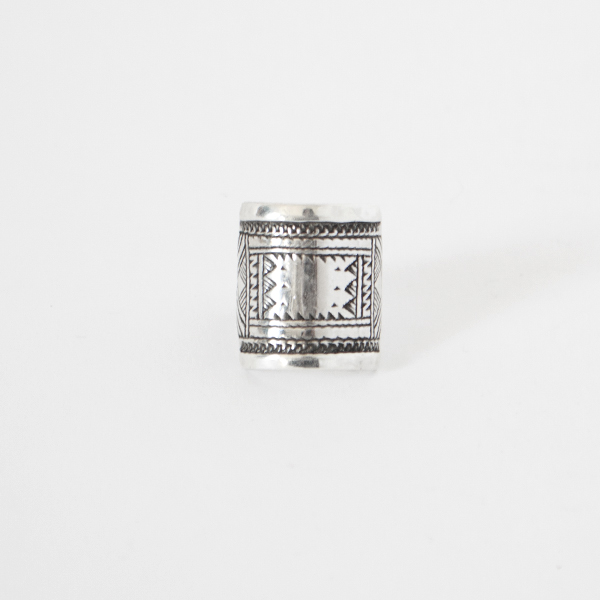
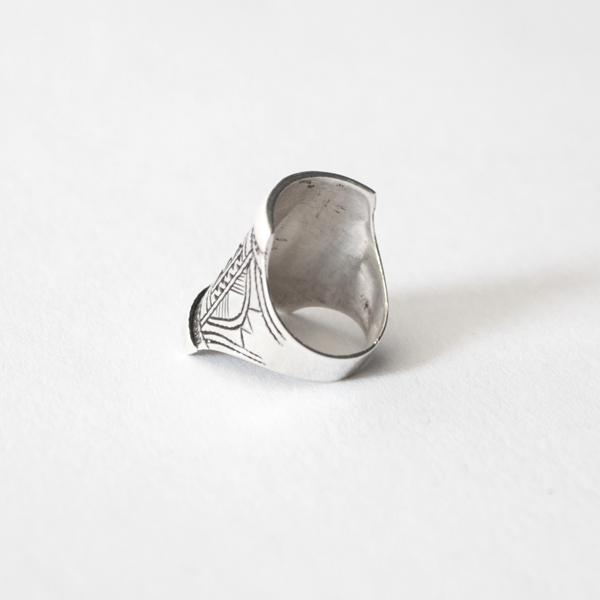
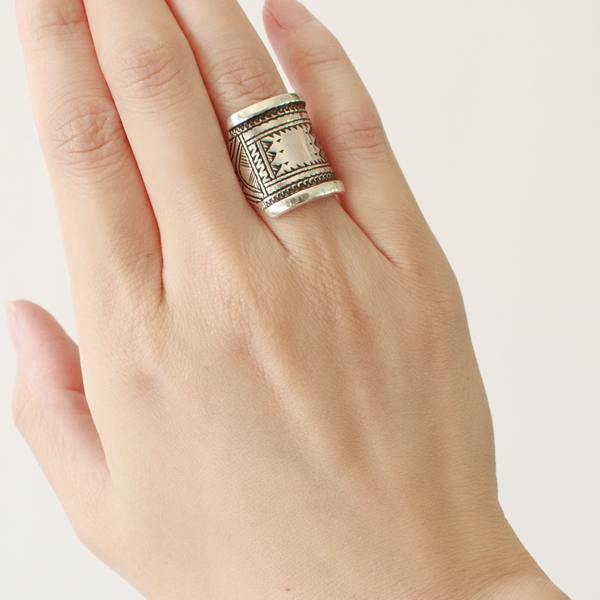
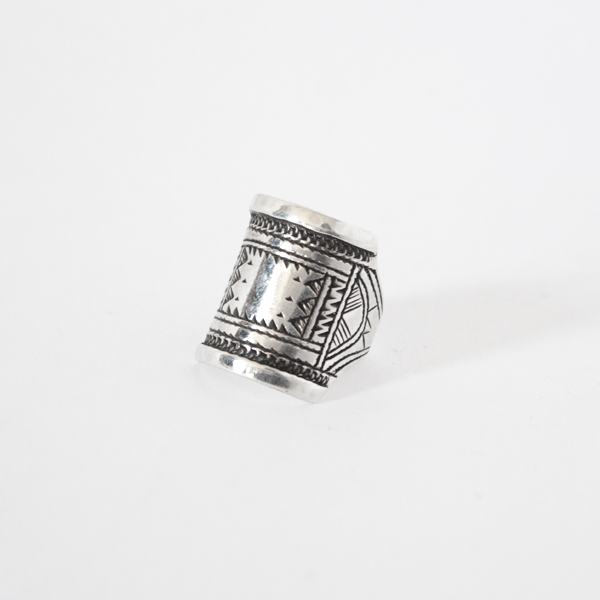
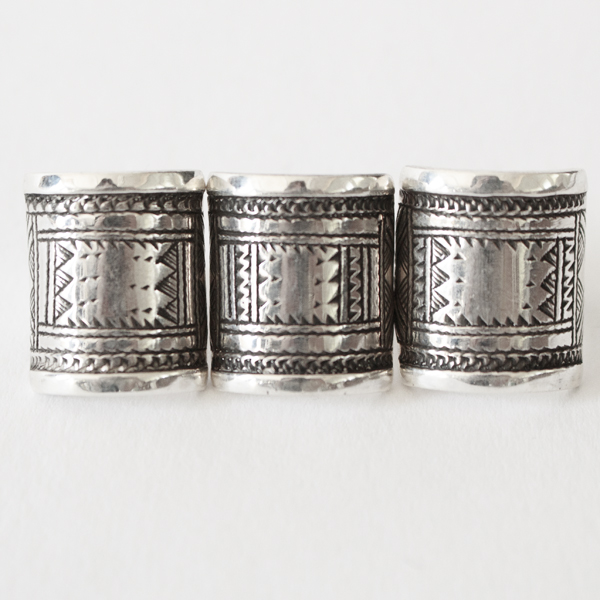
The finishing carving employs a unique technique: rather than deep engraving, it involves shaving fine lines into the surface. Layering straight and diagonal lines creates soft light reflections, making the pattern appear to emerge subtly depending on the angle. Unlike machine-cut grooves, the charm lies in how the carver's varying pressure and the tool's slight tremors directly become part of the piece's character.
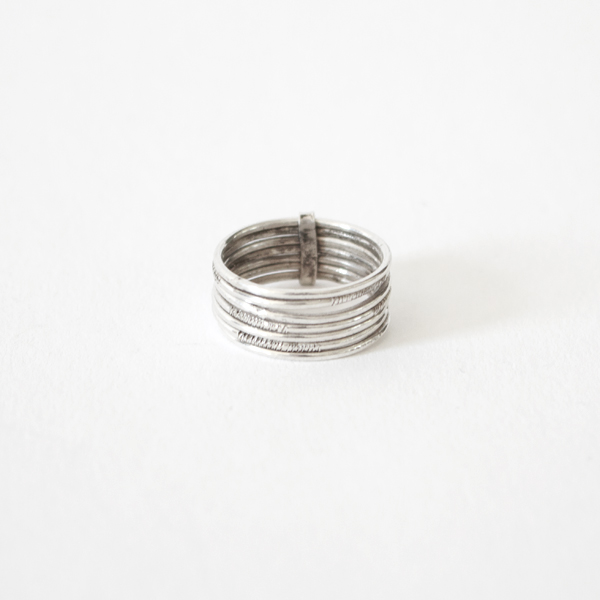
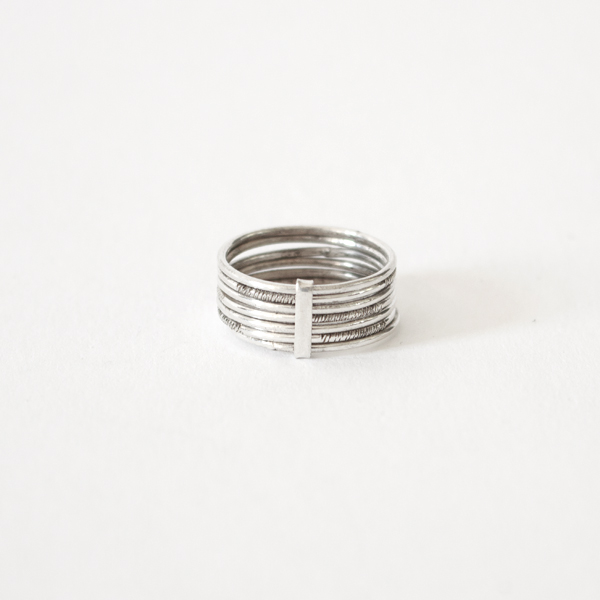
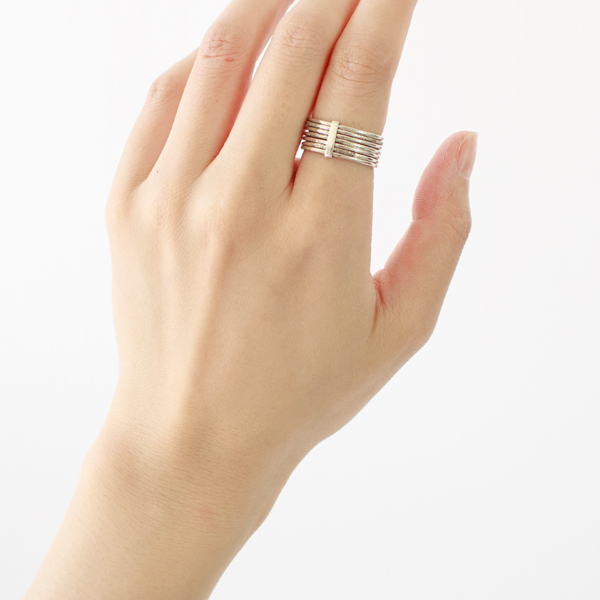
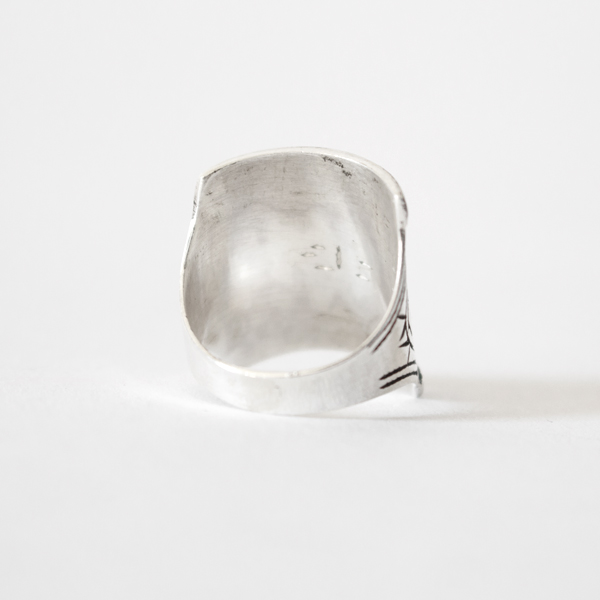
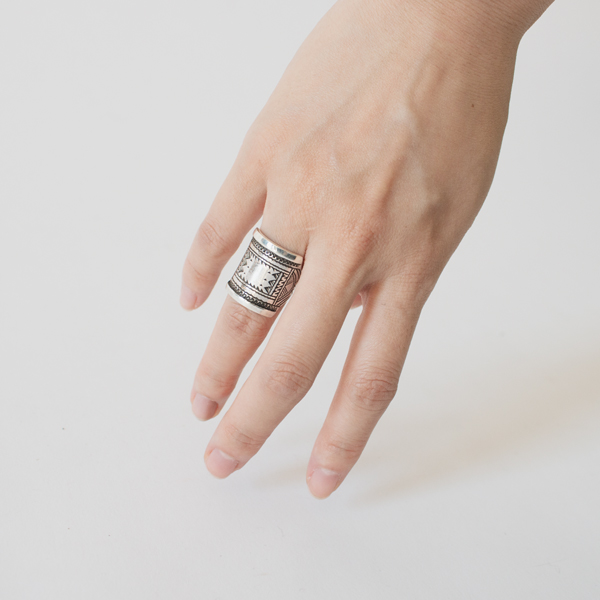
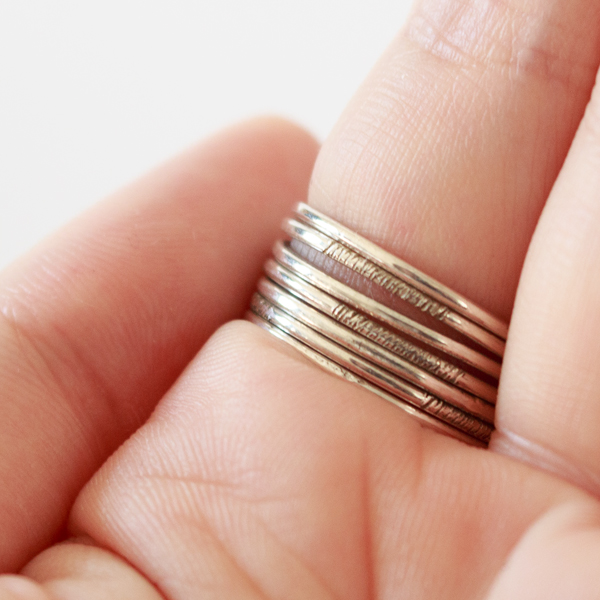
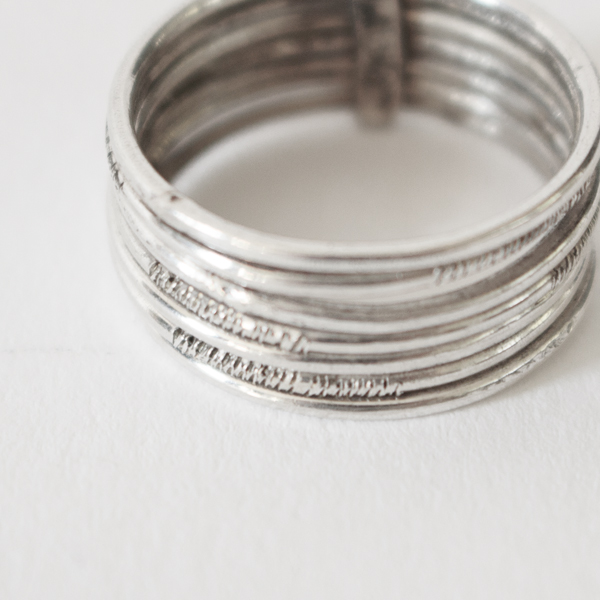
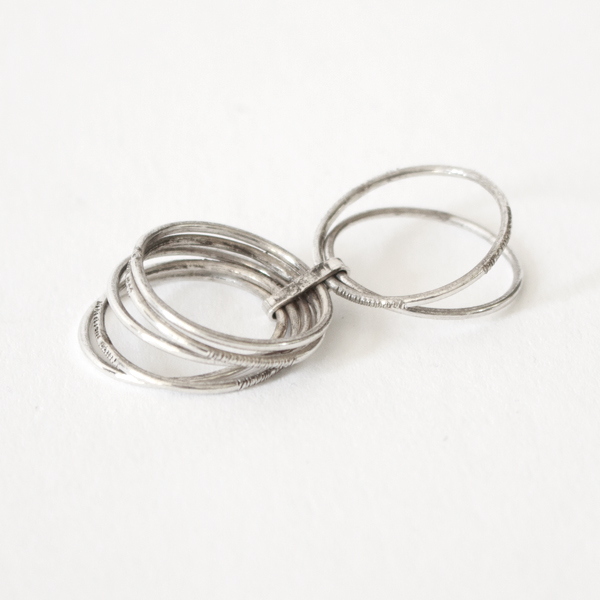
We offer two ring designs showcasing this engraving: the larger BA20, where the engraving is clearly expressed, and the BA27, featuring multiple rings linked together for everyday wear. BA20 highlights the engraving. Its pattern, combining straight lines, diagonal lines, and dot engraving, is decorative yet conveys symbols rooted in nature and daily life—stars, wind, flowing water, journeys—exuding a warmth and openness that speaks to its handcrafted nature. BA27 features a design resembling seven slender rings bound together. Upon closer inspection, you'll notice delicate engravings, making it a versatile ring even for those who prefer simpler jewelry. Sterling silver resists darkening over time, instead developing a gentle, warm luster. Fine scratches add character rather than causing dullness, allowing the jewelry to acquire a unique patina that reflects its owner's personality with each wear—a joy of owning this piece.
Shapes born from inherited craftsmanship
Centered around the Sahara Desert, the Tuareg people have a long history as Berber nomads, migrating seasonally and according to circumstances from southern Morocco to Mali and Niger. Believed to have existed since before the Common Era, they played a vital role as traders traversing the Sahara from the 7th to 8th centuries onward, dealing in silver alongside gold, salt, and ivory. This silver trade is considered the origin of the silver craft culture that continues to this day.
Tuareg silverwork is believed to have been established as a distinct culture by the medieval Islamic period, evolving into ornamental pieces carrying amuletic and religious significance. The jewelry is crafted by male silversmiths known as "Inaden." The techniques are passed down within families from father to son, transmitted through demonstration and experience rather than books or blueprints. Tools are also handmade, and each piece is meticulously carved, making the most of limited materials.
In the latter half of the 20th century, it gained attention as ethnic craftsmanship, primarily in France. From the 1970s onward, its value also rose within the fashion world. Thus, Tuareg silverwork, passed down across borders, continues to be cherished today as jewelry possessing a quiet yet powerful charm.
| Size | Size 7, Size 8, Size 9, Size 10, Size 11 |
| Weight | 約5g |
| Material | Silver |
| Country of origin | Niger |
| Gift box | Gift box is not available for this product. |
Notice
-
Pure silver is a soft material and may change shape if subjected to strong force. Please adjust the size slowly.
Prolonged contact with sulfur-containing items such as hot springs (sulfur components), medicated patches, or rubber products may cause discoloration.
When storing, gently wipe with a cloth and place in an airtight bag to minimize discoloration.
Excessive use of cloths containing strong abrasives may scratch the surface. We recommend lightly polishing with a soft cloth.
ブランド紹介

TUAREG JEWELRY
サハラ砂漠一帯で季節や状況に応じて移動してきたトゥアレグ族は、ベルベル系遊牧民として古くからサハラ縦断交易を担い、金や塩、象牙などとともに銀も扱ってきました。こうした銀交易が、今日まで続く銀細工文化の源流と考えられています。トゥアレグの銀細工は中世イスラム期にはすでに確立し、護符的・宗教的意味をもつ装身具として発展しました。制作を担うのは男性の銀細工師「イナデン」で、技術は父から子へ、書物や設計図に頼らず実演と経験によって受け継がれてきました。道具も手作りし、限られた素材を生かしながら一点ずつ丁寧に彫りを施します。20世紀後半にはフランスを中心に民族工芸として注目され、1970年代以降はファッション分野でも評価が高まりました。国境を越えて受け継がれるトゥアレグの銀細工は今も、静かで力強い魅力をもつジュエリーとして愛されています。


| 商品 | 価格(税込) | 在庫 | 個数 | |
|---|---|---|---|---|

|
¥15,400(税込) |
△
残り2点 |
||

|
¥15,400(税込) |
△
残り1点 |
||

|
¥15,400(税込) |
△
残り1点 |
||

TUAREG JEWELRY RING(BA20 10) 送料無料対象商品(一部地域除く) |
¥15,400(税込) |
✕
|
Withdrawn |
|

TUAREG JEWELRY RING(BA20 11) 送料無料対象商品(一部地域除く) |
¥15,400(税込) |
✕
|
Withdrawn |
|

|
¥15,400(税込) |
△
残り1点 |
||

|
¥15,400(税込) |
△
残り1点 |
||

TUAREG JEWELRY RING(BA27 11) 送料無料対象商品(一部地域除く) |
¥15,400(税込) |
✕
|
Withdrawn |
|

TUAREG JEWELRY RING(BA27 13) 送料無料対象商品(一部地域除く) |
¥15,400(税込) |
✕
|
Withdrawn |
 ペーパー
ペーパー
ラッピング リネン
リネン
ラッピング 熨斗
熨斗 メッセージ
メッセージ
カード 海外発送
海外発送 ZUTTO-
eギフト
お気に入りに追加されました
Added to cart
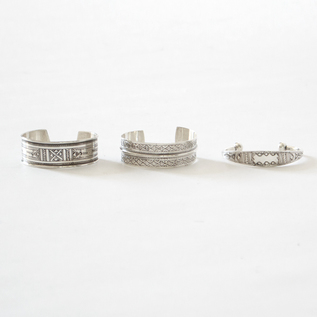
TUAREG JEWELRY リングには、他にもこんな仲間がいます
TUAREG JEWELRY リングを見た人はこんなアイテムも見ています
-
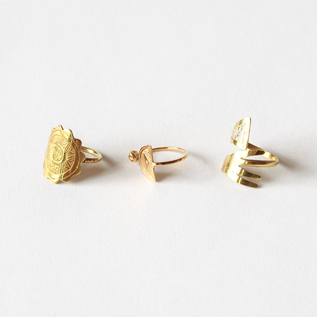
OMBRE CLAIRE
ring¥9,350〜(税込)
-
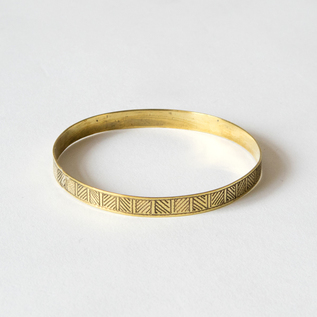
OMBRE CLAIRE
bracelet¥16,500〜(税込)
-
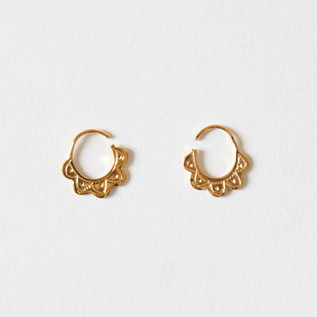
OMBRE CLAIRE
Earrings¥9,900〜(税込)
-
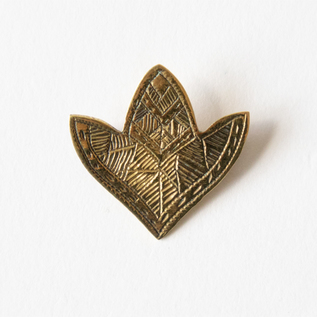

OMBRE CLAIRE
BROOCH¥7,700〜(税込)
-
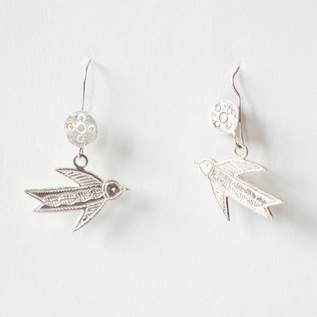
OMBRE CLAIRE
PIERCE BOUCLES HIRONDELLES¥15,400(税込)
-
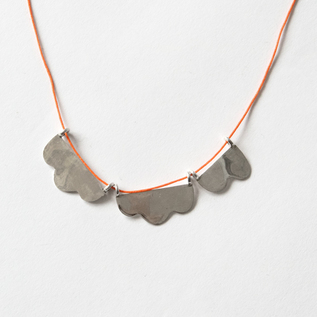
OMBRE CLAIRE
necklace¥15,400〜(税込)
-
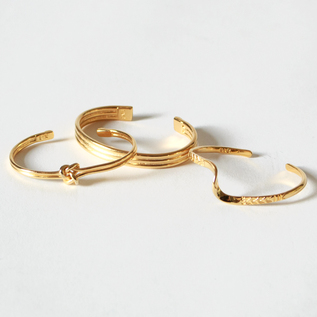
ERICKA NICOLAS BEGAY
NAVAJO BANGLE¥11,000〜(税込)
-
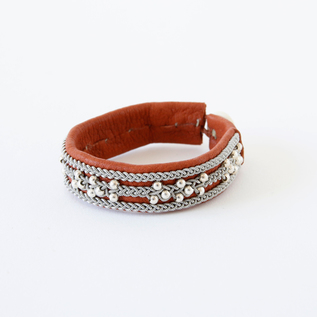
Monica Johansson
Bracelet B37¥28,600(税込)
-
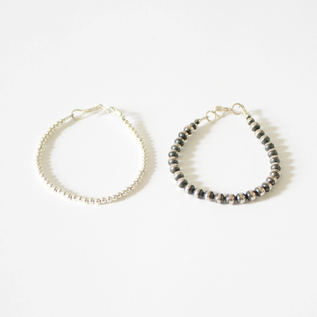
ERICKA NICOLAS BEGAY
NAVAJO PEARL BRACELET¥14,300〜(税込)
-
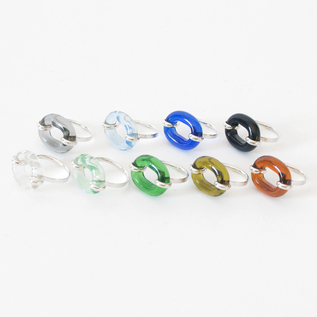
CLED
IN THE LOOP RING¥14,385(税込)
-
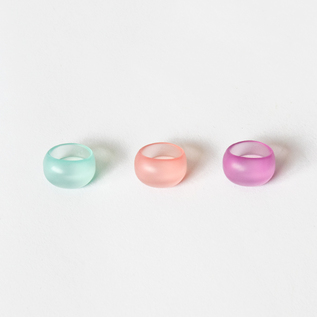
KISSO
DIROCCA RING R2¥7,700(税込)
-
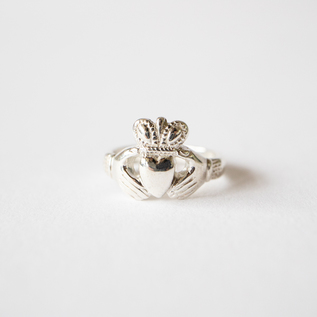
Thomas Dillons
CLADDAGH RING¥15,400(税込)
-
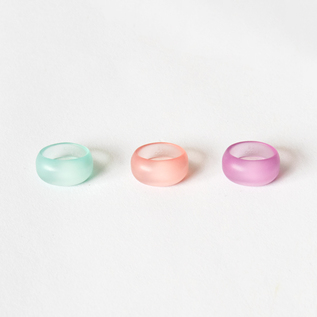
KISSO
DIROCCA RING R1¥7,700(税込)
-
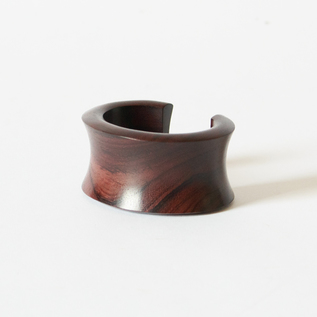
BRANCH
Bangle¥6,050(税込)
Recently Viewed
GUIDE »
CATEGORIES »
- + Gifts by recipient
- + Gifts by scene
- + Clothing
- + Bags / Backpacks
- + Wallets / Card cases
- + Jewelry
- + Shoes
- + Rainy day outfits
- + Kitchen
- + Home
- + Babies / Kids
- + Japanese products
Earn Miles


Payment & Security