.webp)


.webp)


.webp)


.webp)


Welcome to ZUTTO
Free shipping for newsletter subscribers (some areas excluded)
- トップページ/
- Gifts by scene/
- Housewarming/
- Soda Glass
 Hirotagalass
Soda Glass
A craft item that reproduces milky white glass.
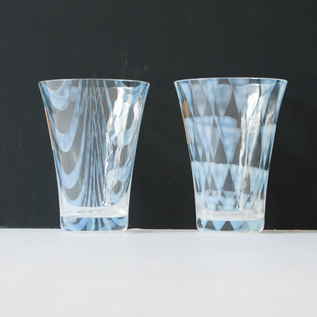
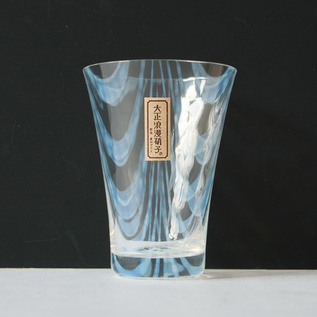
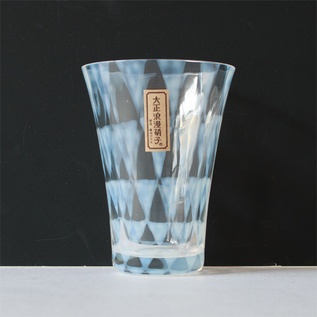
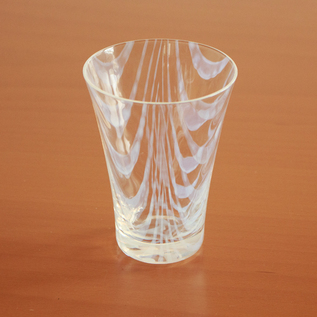
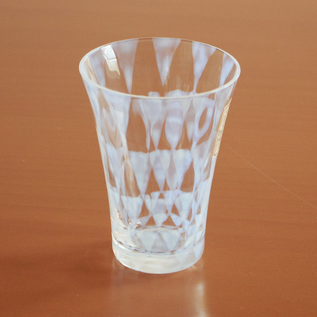
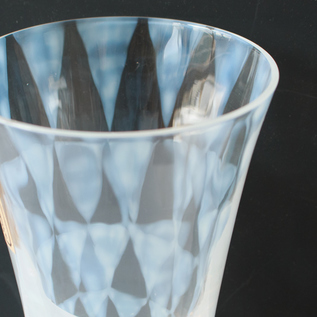
A nostalgic glass cup with a milky white pattern.
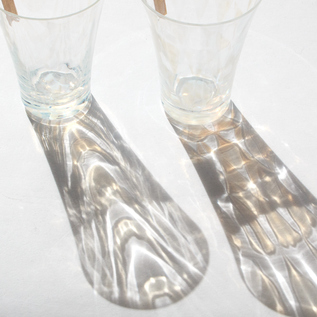
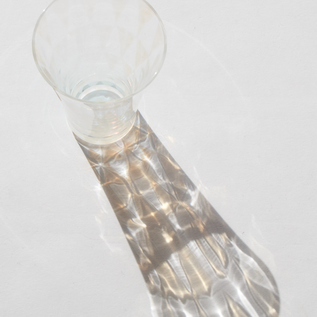
This glass is part of the "Taisho Romance Glass Series," revived by Hirota Glass, a long-established glass manufacturer in Tokyo, after the milky glass almost disappeared. The craft glass, created by skilled artisans using precise pattern molds, showcases its beauty even more when filled with a drink. The milky white ripples that emerge when held up to the light are mesmerizing, reminiscent of the beauty of a water surface. Hirota Glass is one of the oldest inheritors of Edo glass, milky white glass techniques, and Edo kiriko, with over a century of craftsmanship flowing behind each glass.
The Time Created by Romantic Patterns
This soda glass is the perfect size—not too small and not too large—for everyday use. Its flared shape allows the aroma of the drink to spread easily, enhancing the drinking experience. When carbonated beverages are poured in, delicate bubbles rise beautifully and slowly dissolve within the glass. Whether enjoying refreshing soda during the day or a bubbly beer at night, this glass is also perfect for cocktails mixed with soda, allowing you to appreciate the aromas. By changing the drink according to the time of day, this single glass can showcase multiple expressions. Just as a dish looks more appetizing when served in a beautiful vessel, changing the glass you use can elevate your daily mood.
It makes a perfect gift for those who need a moment of relaxation away from their busy lives or are experiencing changes in their lifestyle. It is also recommended for celebrations such as moving to a new home, starting a new job, or weddings.
The Technique of Milky White Glass that Almost Disappeared in the Taisho Era
The glass uses the "milky white glass" technique, which flourished during the Meiji and Taisho periods, known as the aburidashi technique. Instead of painting, this technique brings out milky white patterns by applying a rapid temperature difference to glass containing bone ash. The glass, blown into molds, undergoes cooling and re-heating, and the momentary temperature fluctuations crystallize into patterns. It is said that the artisan's sense of temperature can influence the colors at a precision of 0.1mm, making it an incredibly delicate craft.
This product is a rare find, utilizing a technique that is hardly available in the market today. It was popular during the Meiji and Taisho periods, and nowadays, it can primarily be found in antique shops. However, it can be challenging to find multiple identical pieces in antique shops, and they are often difficult to choose for formal gifts.
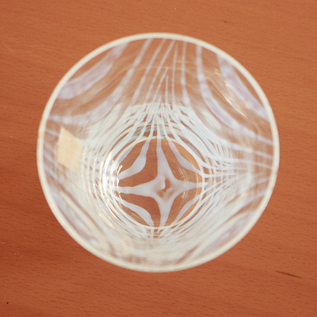
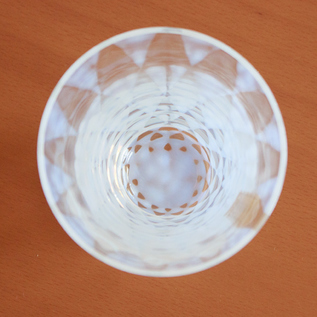
Hirota Glass is known for incorporating traditional Japanese patterns such as ichimatsu, tokusa, and polka dots into glass. The subtle ripples created by handwork, rather than machine-made straight lines, give each piece a unique expression. The milky white ripples, each with its own character, have a rustic charm that soothes the viewer's heart. The more you use it, the more you will appreciate its warmth.
Tokyo's Oldest Glass Manufacturer, Continuing Artisan Handwork
Hirota Glass began in 1899 with the establishment of "Hirota Kinta Shoten," a glassware wholesale business in Sumida, Tokyo. The fusion of European glass manufacturing with Japanese aesthetic sensibilities gave rise to unique glass crafts during the Meiji and Taisho periods. Although the factory was completely destroyed in the Great Kanto Earthquake, it was rebuilt, and the second generation led the Tokyo glass industry as the chairman of the Tokyo Glass Products Cooperative Association. Even as mass production by machines became mainstream after the war, Hirota Glass held onto the artisan's handwork.
A significant turning point came in the 1980s when the third generation felt a sense of crisis as the aburidashi technique for milky white glass, which had once captivated the Taisho era, was on the verge of disappearing from Japan. The technique, which brings out patterns through rapid temperature differences using bone ash as a raw material, was difficult to replicate and could only be seen in antique shops at that time. After much trial and error, the "Taisho Romance Glass Series" was born. Today, the fourth generation continues the philosophy of "creating things that can only be found in Sumida, Tokyo," and in 2017, they opened the Sumida Wagara Glass Museum. They have received numerous awards and have established their brand's reputation by providing cocktail glasses to luxury hotels.

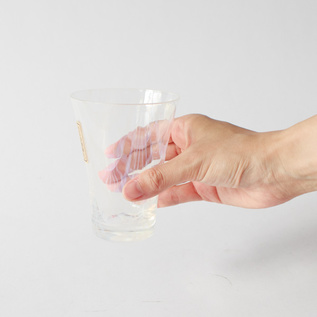
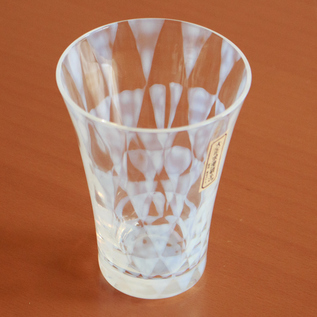
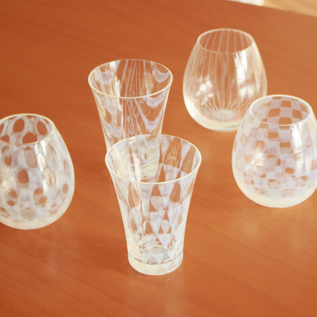
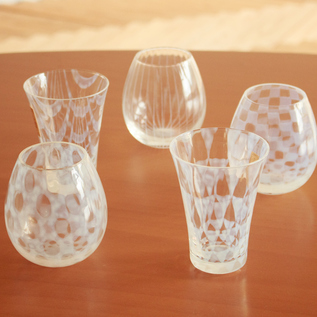
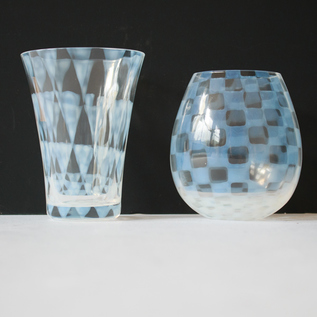
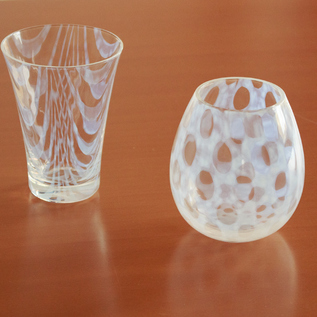
| Size | Diameter 8 cm × Height 10.5 cm |
| Capacity | 220ml |
| Weight | 190g |
| Material | Glass |
| Country of origin | Japan |
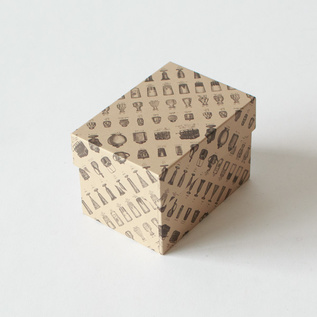
| Gift box | This product would be packaged in a gift box. |
| Compatibility | Microwave: x
Dishwasher: x Oven: x |
Feature of product
-
- This glass is made using a special technique that was popular during the Meiji and Taisho eras, known for producing "milk glass."
- Each piece is handcrafted by artisans. Please understand that there may be individual differences in patterns and sizes.
ブランド紹介

Hirotagalass
Founded in 1899 in Sumida, Tokyo, this historic glass manufacturer has a rich legacy. Born during a time when European glass-making techniques blended with Japanese aesthetics, the company overcame the devastation of the Great Kanto Earthquake and has continued to uphold the craftsmanship of artisans for four generations.
The third generation, sensing a crisis as the once-popular "milk white glass etching technique" from the Taisho era began to fade, embarked on a journey of trial and error that led to the creation of the Taisho Romance Glass series, marking a significant turning point. Today, the company continues to actively preserve three traditional techniques: Edo Kiriko, blown glass, and milk white etching, delivering the unique "fluctuation" and "warmth" that cannot be achieved through mass production.

| 商品 | 価格(税込) | 在庫 | 個数 | |
|---|---|---|---|---|

Soda Glass(Scroll) |
¥6,050(税込) |
◯
|
||

Soda Glass(Fish scale) |
¥6,050(税込) |
◯
|
Shipping: ¥660 per delivery. Free shipping on orders of ¥11,000 or more (some areas excluded)
Free shipping for newsletter subscribers (some areas excluded)
 ペーパー
ペーパー
ラッピング リネン
リネン
ラッピング 熨斗
熨斗 メッセージ
メッセージ
カード 海外発送
海外発送 ZUTTO-
eギフト
Added to cart

ソーダ水グラスには、他にもこんな仲間がいます
-
Hirotagalass
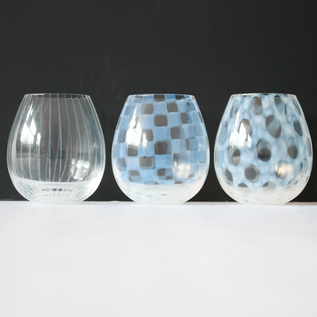
Flower Bud Glass¥5,500(税込)
-
Hirotagalass
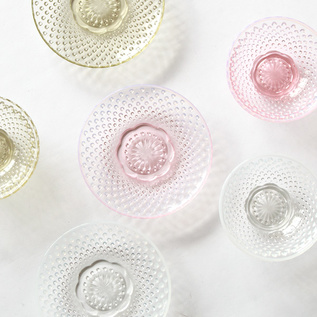
Arare Polka-Dot Small Plate and Bowl Set¥5,500(税込)


ソーダ水グラスを見た人はこんなアイテムも見ています
-
TAKAHASHI KOUGEI
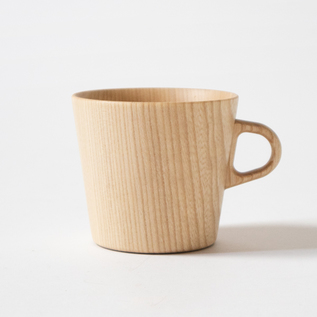
KAMI WOODEN MUG M¥5,610(税込)
-
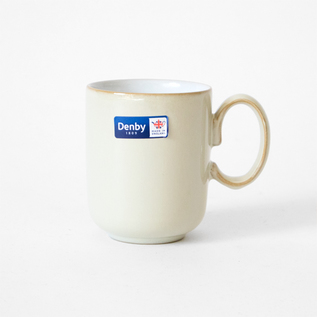
Denby
STRAIGHT MUG¥4,510(税込)
-
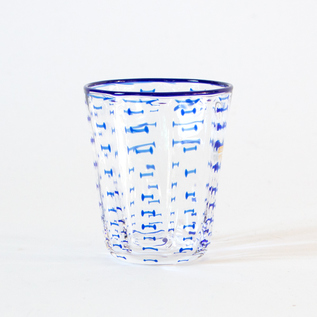
HIZEN VIDRO
HIZEN VIDRO CUP¥5,610(税込)
-
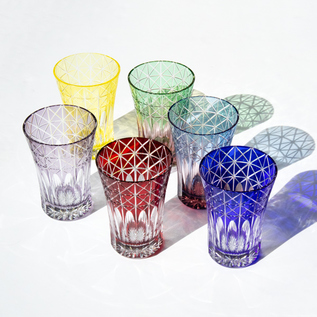
Saihou
DIAMOND SCALE HEAVY PATTERN TENKAI TUMBLER¥14,300(税込)
-
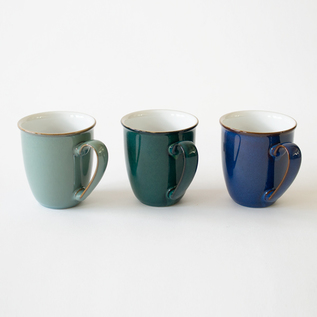
Denby
DENBY MUG 350ML¥4,510(税込)
-
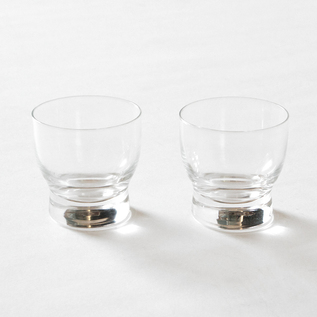
KIMOTO GLASS
PAIR GLASS SET RURI¥5,500(税込)
-
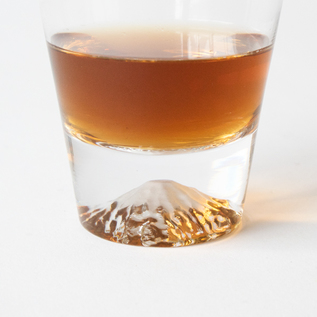
TAJIMA GLASS
MTFUJI GLASS ROCKS¥5,500〜(税込)
-
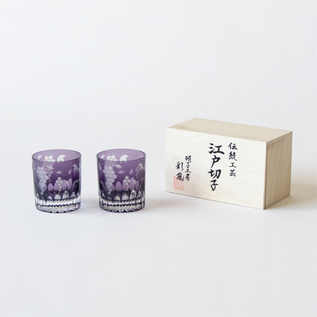
Saihou
GRAPE PATTERN OLD PAIR¥19,800(税込)
-
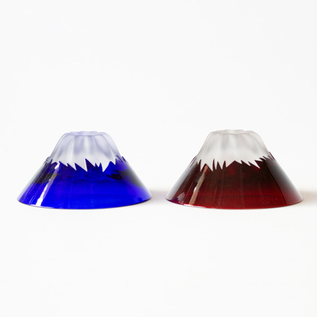
TAJIMA GLASS
MTFUJI SAKE CUP SET¥8,800(税込)
-

KIMOTO GLASS
BRUME COLD SAKE SET¥14,300(税込)
-
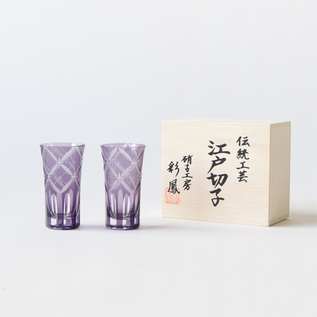
Saihou
CLOISONNE STAR PATTERN SIP BEER PAIR¥17,600(税込)
-

Hyakushiki
IRIDESCENT CLOUD GLASS¥4,950(税込)
-
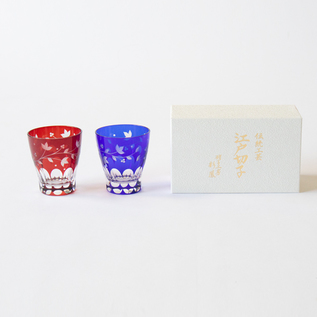
Saihou
SOUTHERN TENMON-SAMA MINI OLD PAIR¥16,500(税込)
-
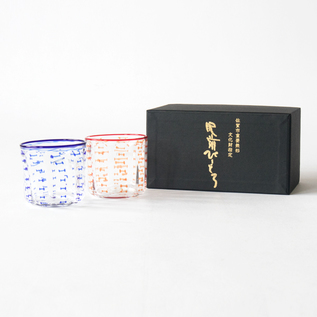
HIZEN VIDRO
HIZEN VIDRO ROCKS GLASS SET¥10,890(税込)


GUIDE »
CONTENTS »
CATEGORIES »
- + Gifts by recipient
- + Gifts by scene
- + Clothing
- + Bags / Backpacks
- + Wallets / Card cases
- + Jewelry
- + Shoes
- + Rainy day outfits
- + Kitchen
- + Home
- + Babies / Kids
- + Japanese products
Earn Miles


Payment & Security