
.jpg)


.jpg)

.jpg)
.jpg)

- トップページ/
- ZUTTO Journal/
- 選び方・使い方/
- Washi (Japanese P...

Washi. Japanese paper that blends into everyday life
When you hear the word "washi," what image comes to mind?
Shoji screens and fusuma sliding doors in Japanese-style rooms, paper used for calligraphy…
Washi gives the impression of being an old-fashioned Japanese paper,
and though we have fewer opportunities to handle it these days,
it is actually a material that fits naturally into modern life.


Washi has been produced throughout Japan.
Compared to Western paper, it has the following characteristics.
・Lightweight
・Resistant to tearing
・Withstands long-term storage
・Has humidity-regulating properties
・A unique texture, with the plant fibers used as raw material visible on the surface
The raw materials are plants such as kozo (paper mulberry), gampi, and mitsumata.
Because these plants have long, thick fibers,
washi ends up being sturdy and highly durable.
Looking at artworks and books that have survived from ancient times,
we can see the durability of washi, which retains its form even after hundreds of years.
Also, in items like shoji paper, andon lamps, and chochin lanterns,
washi that has been incorporated into homes
has played a role in regulating humidity—absorbing and releasing moisture—and adjusting light.
When humidity is high, washi absorbs moisture from the air,
and releases it when the air is dry.
When sunlight is strong, washi is used to soften the light….
People in the past skillfully made use of washi's characteristics in their daily lives.
After the raw plants are harvested, washi is made by stripping the bark,
loosening the fibers, forming sheets, and drying them…
This is the general manufacturing process.
It takes time to complete a single sheet of paper,
and since it is mainly made by hand, it also requires the skill of craftspeople.
For this reason, the output per person is relatively low,
but by following this process, washi achieves its own distinctive
softness, durability, and warmth.

ZUTTO also carries items packed with the charm of washi.
Every one of them blends beautifully into modern life.
Let's take a look right away.
■Japanese Light Fores
Designated as a traditional craft of Japan,
Fores manufactures interior accessories using Mino washi.
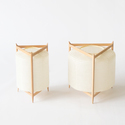
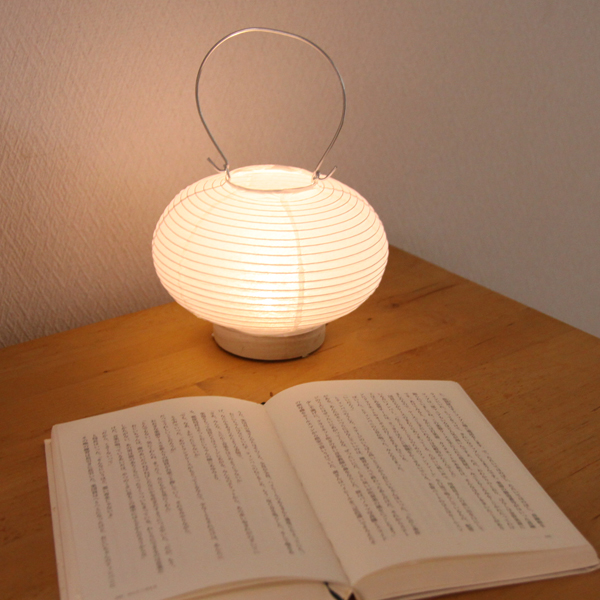
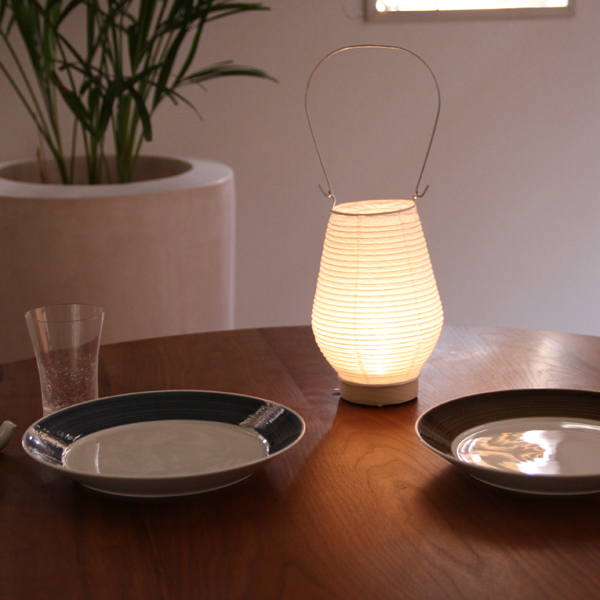
The michiyukito (a portable andon lamp) made by Fores
is an andon (traditional Japanese lamp) made from simple white washi.
It has an LED lamp built inside,
and the light passing through the washi gently illuminates your surroundings.
While it can't provide bright, clear illumination,
enjoying the soft, hazy light that filters through the washi is a lovely experience in itself.

True to its name, michiyukito ("light for the road"),
it's designed with the concept of being a companion for walks, whether around the room or outside.
With wire, washi, and a wooden base,
its simple construction makes assembly easy.
The accordion-folded Mino washi has a somewhat nostalgic atmosphere.

From left to right: hishi, musubi, noppo, maru, and itomaki.
Please also notice the charming names given to match each shape.
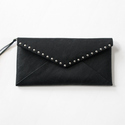
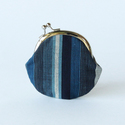
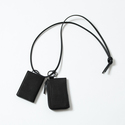
■A New Kind of Washi, Born in Yamanashi SIWA

Speaking of washi, one distinctive feature is its texture, through which the fibers are faintly visible.
Items that fully embrace this "shiwa" (wrinkle) quality of washi
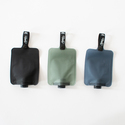
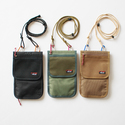
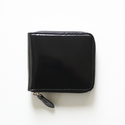
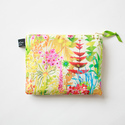
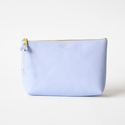
are the accessories from SIWA.
Known as a washi-producing region since the Heian period,
SIWA was born in Yamanashi Prefecture.
Working with product designer Naoto Fukasawa,
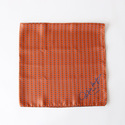
the designs prominently showcase the crinkled texture of washi.

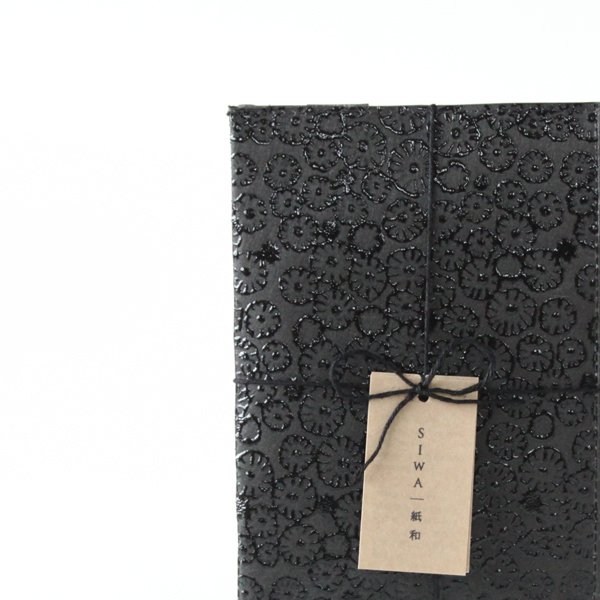
SIWA uses a material called Naolon, developed by the manufacturer.
Naolon is a new material made from wood pulp and other materials using the traditional washi papermaking method.
Being more water-resistant and durable than washi,
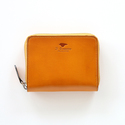
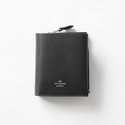
it is used for frequently-used fashion items such as bags and wallets,
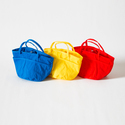
as well as storage items that can even be used for laundry.
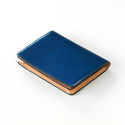
In recent years, Naolon has also been given special processing that makes it possible to print urushi (Japanese lacquer) onto the washi.
The material in the areas where the lacquer is applied is finely roughened so the lacquer adheres closely,
resulting in a glossy lacquer finish.
While using the traditional materials and techniques of washi and urushi,
these somehow charming, modern-designed accessories
lift your spirits the moment you wear even just one.
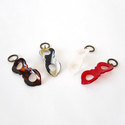
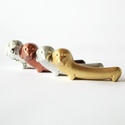
■The Sparkle of Washi Pearls ARATA
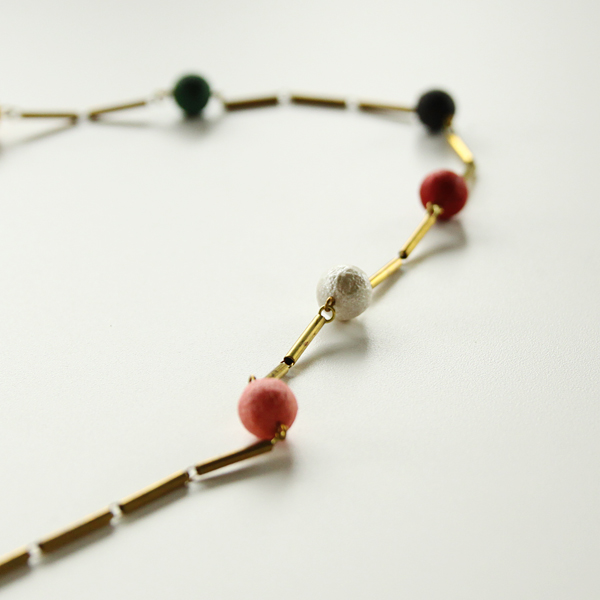
Washi, when combined with beautiful colors and different materials,
also reveals its charm as accessories.
Having worked in producing washi for temples and shrines,
these accessories were created by designer Yuya Nakamura,
under the brand ARATA.
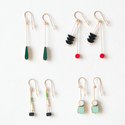
Making the most of hand-made washi, combined with Swarovski crystals and foil,
these accessories
make your heart flutter just by looking at them.
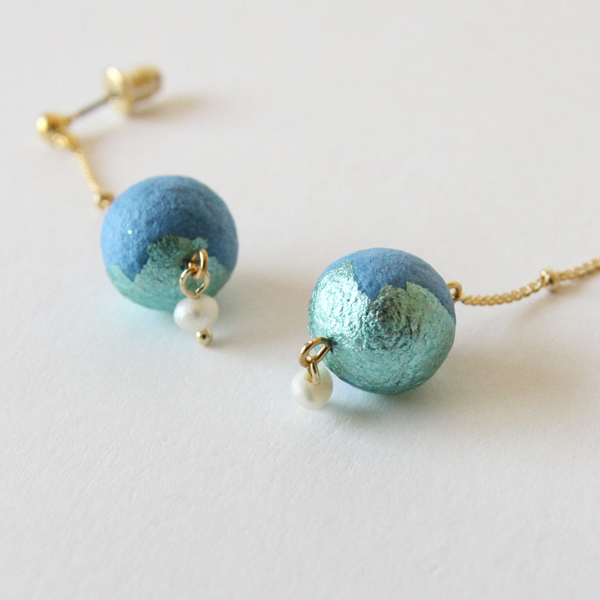
Washi accessories reflect light softly,
and when dyed, they show vivid coloring.
They are also extremely lightweight, so earrings and necklaces feel weightless.
Unlike silver or pearls, simply wearing one piece
can transform your entire impression—that's the appeal of washi accessories.


ARATA's accessories reflect careful, meticulous handwork just as it is.
ZUTTO also worked together with ARATA to create special accessories suitable as gifts.
Here is a feature story from our visit to the actual atelier where they are made.
>>Feature: ARATA — What Only Washi Can Do

■Water and Impact
Earlier, we discussed the characteristics unique to washi compared to Western paper.
That said, although washi (Japanese paper) is durable, it is still paper at heart, so
please understand that it is vulnerable to water and impact.
Washi that has not been given any special coating to increase its durability
may tear if it receives an impact.
If pressure is applied to a single spot, it can tear,
so please handle it with great care.
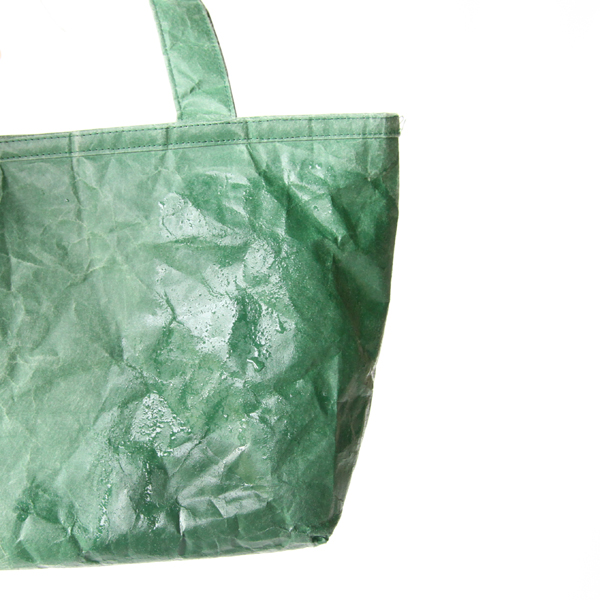
SIWA (Shiwa) products made from Naolon
are relatively water-resistant, so it's fine if a bag gets caught in the rain,
or if a laundry basket gets a little splashed with water.
However, if it stays in contact with water for a long time, discoloration
or color transfer may occur.
If it does get wet, wipe away the moisture and dry it quickly in a well-ventilated place.
ARATA accessories
have a coating applied to their surface,
so everyday exposure to water is not a problem.
However, to preserve the texture of the washi,
please avoid prolonged contact with water (such as bathing or washing dishes while wearing the accessory).
■When it tears or becomes stained
If the washi happens to tear, a complete repair becomes difficult.
However, for the Fores Michiyuki-andon (lantern), we can propose a repair method
of applying new washi from the outside.
Since this depends on the condition of the product,
please first consult ZUTTO Customer Support.
Since it cannot be soaked in water for long periods,
items made with washi cannot be washed with water.
If they become stained, wring out a damp cloth firmly
and gently pat away the dirt.
■Storage method
Washi is sensitive to heat, and prolonged exposure to sunlight
may cause fading or changes in texture.
When not in use, please keep small items in a storage case with a lid,
and place lamps in a shaded area, among other precautions.

That appearance and texture that lets you recognize washi at a single glance—
it seems to be full of charm all on its own.
If handled carefully, it can be used for many years,
so once you understand its characteristics, why not
bring it into your everyday life?
Here are the products introduced in this article


Recommended back issues of "ZUTTO no Yomimono"
>>> Take care of your wooden interior items and use them for a long time
>>> New to tin products? How should you use them?
>>> Caring for your precious clothes yourself: the role and use of a clothes brush
GUIDE »
CATEGORIES »
- + Gifts by recipient
- + Gifts by scene
- + Clothing
- + Bags / Backpacks
- + Wallets / Card cases
- + Jewelry
- + Shoes
- + Rainy day outfits
- + Kitchen
- + Home
- + Babies / Kids
- + Japanese products
Earn Miles


Payment & Security