.webp)


.webp)


.webp)


.webp)


- トップページ/
- ZUTTO Journal/
- 選び方・使い方/
- Things Worth Know...

Things worth knowing about cotton
Comfortable to wear, highly breathable, good at absorbing sweat, and easy to wash.
Cotton is an indispensable material for clothing, towels, and
the fabrics we use in our daily lives.
This time, we introduce cotton, the all-purpose material of everyday living.

Cotton begins as harvested raw cotton, which is spun into yarn, then
goes through weaving, dyeing, and sewing processes
to become the clothing and other products we use.
The thickness of cotton yarn is measured
using a unit called "bante" (count).
The higher the count number, the finer the yarn,
while a lower number means a thicker yarn.
Cotton items made with fine, high-count yarn
have a smooth, fine-grained texture.
On the other hand, cotton items made with thick, low-count yarn
have more body, resulting in a firmer, sturdier fabric feel.
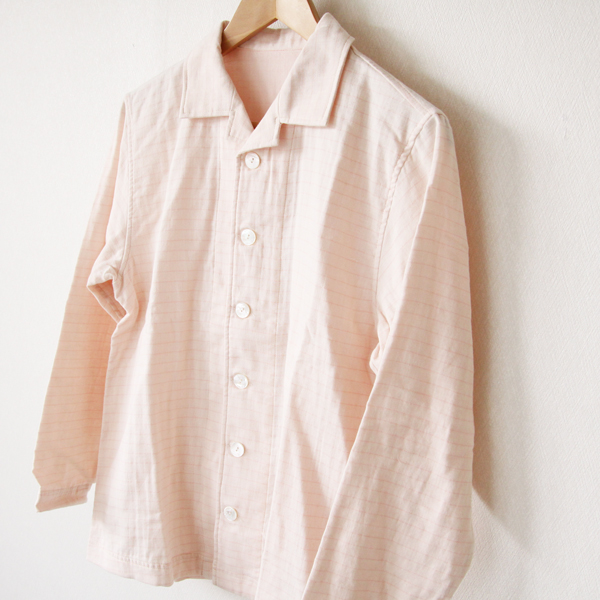
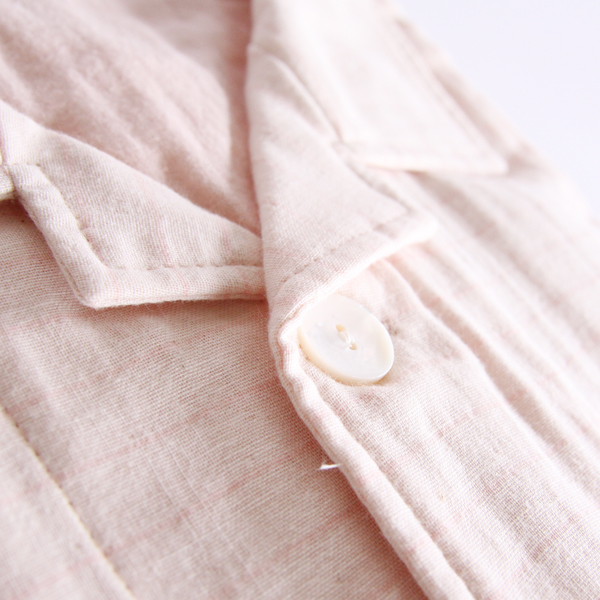
Ten-i-muhou'sDouble Gauze Pajamas are
made with fine, high-count yarn, so
slipping them on gives you a gentle, pleasant feeling against the skin.
What's more, being woven as a double layer of gauze,
they trap air and have a fluffy softness.
Wrapped in such gentle pajamas,
you'd surely drift off to sleep in no time.
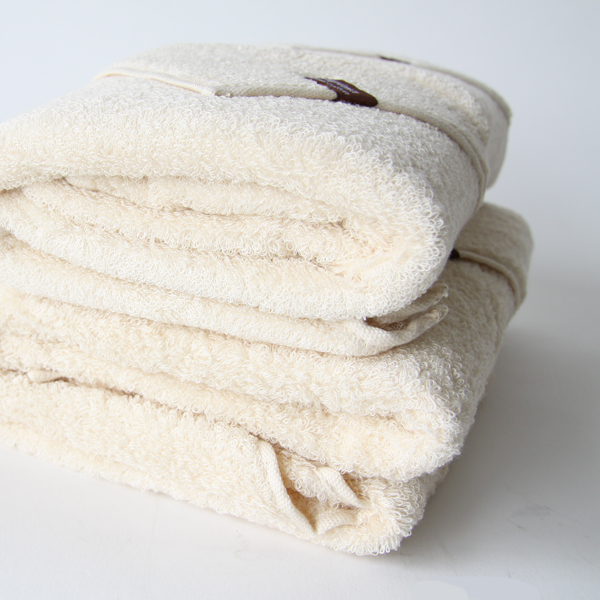
This is the
Supima 40/1 Towel Set, made from Supima cotton, the highest quality cotton available.
Ordinary cotton fibers are around 28mm long, but
Supima cotton fibers are 35mm or longer, which
makes it possible to spin an extremely fine 40-count yarn
that cannot be woven from ordinary cotton.
The fabric has a wonderfully fluffy, fine-grained texture
that feels pleasant against the skin, making it
perfect towel material for washing your face or bath time.
These days, many makers
have come to spin their yarn by machine, but
Masuhisa Some-ori Kenkyujo continues
to make its cotton items using hand-spinning with a spinning wheel,
a technique that has continued for thousands of years.
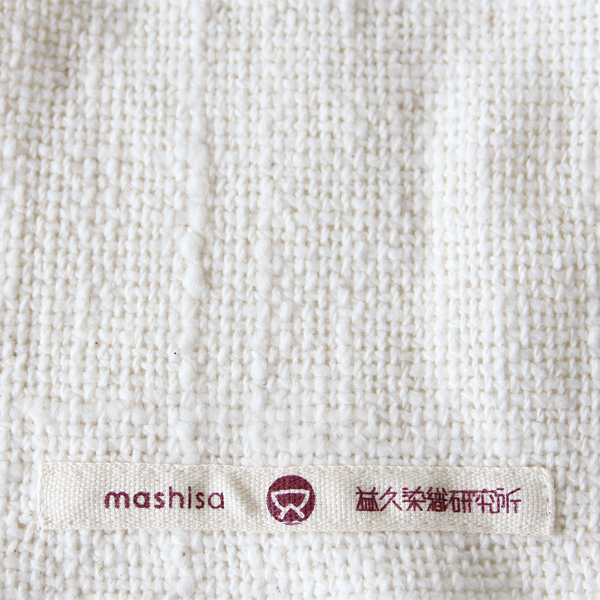
The spinning wheel clatters softly as
the yarn is slowly spun.
Considering that only about 200g can be spun in a day,
the work seems endlessly time-consuming, but
products made through hand-spinning
have a core that is tightly twisted for durability,
while the surface remains gentle to the touch.
The slightly bumpy, uneven texture of the fabric
is a characteristic unique to hand-spinning.
This irregularity has a certain charm,
reminding us that it was made by human hands.
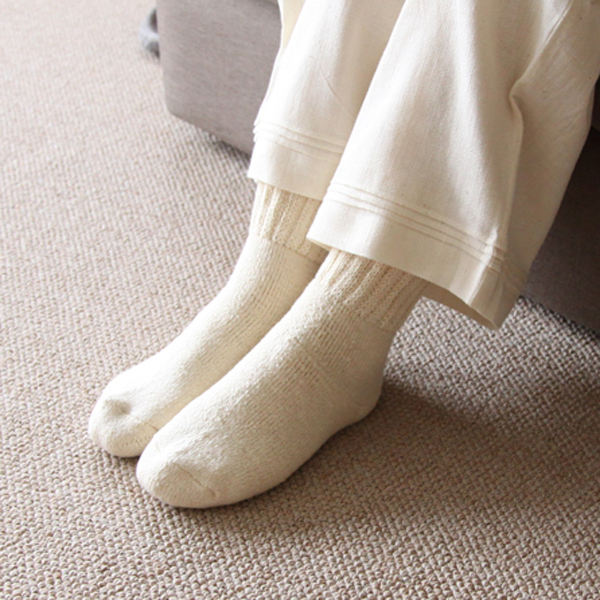
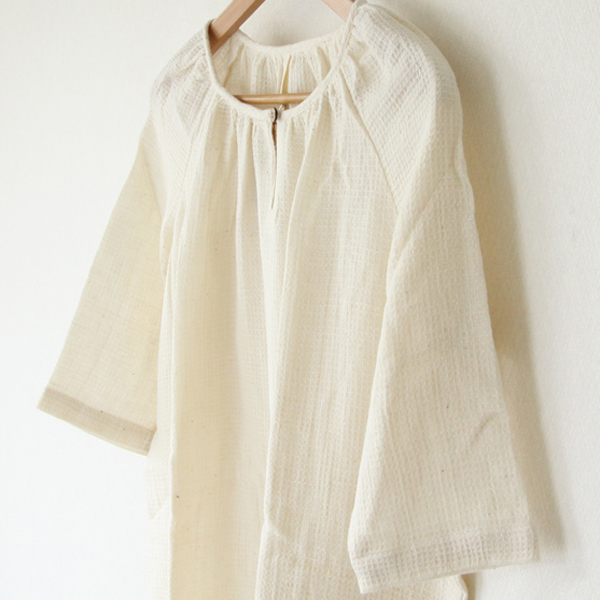
Top: Oyasumi Socks
Bottom: Pajama Top
Hand-spun socks are rich in absorbency and moisture retention,
keeping your feet warm without becoming stuffy.
For pajamas, the texture of the yarn touches the skin softly,
wrapping you gently.
Now, even though it's all cotton,
the chenille blankets from KLIPPAN have
a quite different texture from the double gauze pajamas
and hand-spun items mentioned above.
The reason is the use of a yarn called chenille yarn.
Chenille yarn refers to yarn made by covering a core thread with short pile fibers, giving it a mole-like texture.
It has a fine weave, offering a texture that feels smooth and silky at the same time.
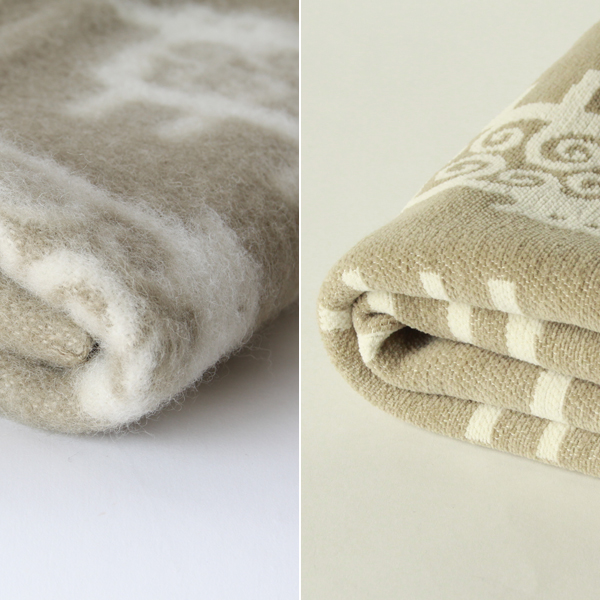
Top left: Half Blanket Sheep Beige (made of wool)
Top right: Half Chenille Blanket Sheep Beige (made of organic cotton)
Compared with wool, the difference in material is immediately obvious.
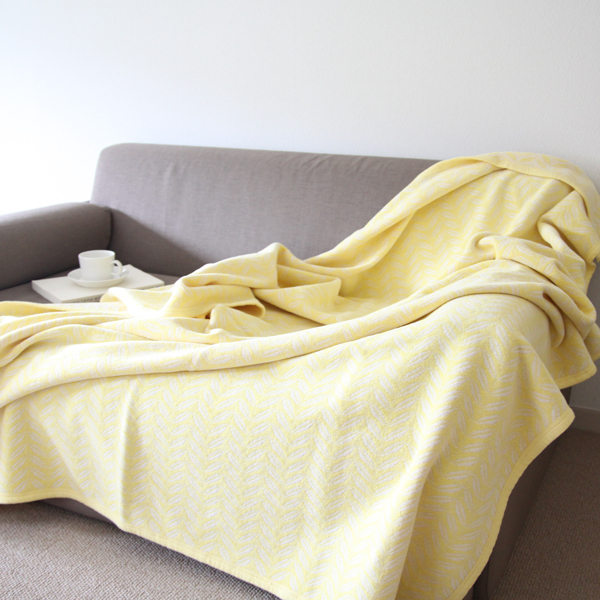
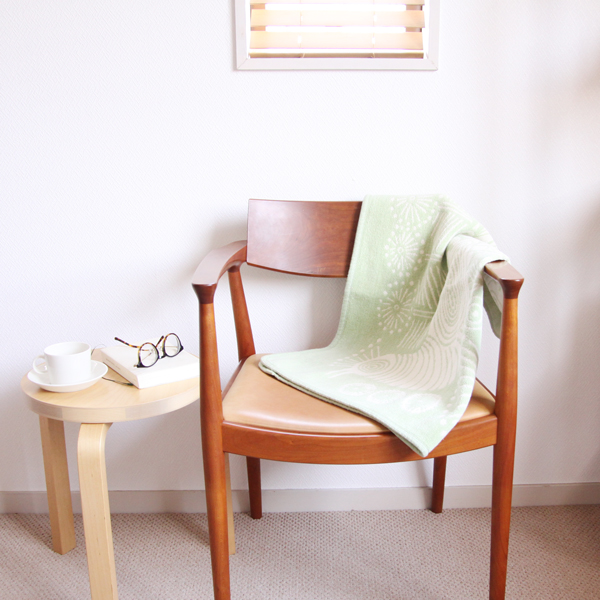
Top: Half Chenille Blanket Leaf Lemonade
Bottom: Mini Chenille Blanket WOODBIRDS Lapland Green
Just like other cotton items,
one of the nice things about these blankets is that they can be fully washed.
Their soft, velvet-like touch
is also gentle for children and babies.
They work well on a sofa in the living room, in the bedroom,
in a child's room, or even in the office.

Pure white cotton items are lovely, but
sometimes you want to wear something vividly colored too.
MAITO makes kusaki-zome (plant-dyed) products, dyed using colors extracted 100% from plants.
By dyeing from the raw cotton stage, the color fastness is increased,
making it more resistant to fading.
Sometimes vivid, sometimes pale and delicate—
the colors that plants hold have captivated people since ancient times.
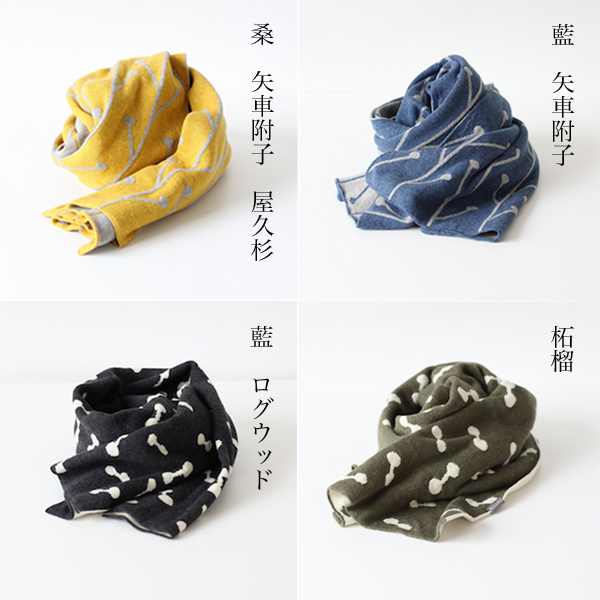
MAITO Knit JQ Muffler (kusaki-zome plant-dyed)
・Ai Yashabushi: A color combination taken from indigo and yashabushi, a tree that bears pinecone-like fruit.
・Kuwa Yashabushi Yakusugi: Based on the gray of yashabushi and Yakusugi cedar, combined with a subdued yellow taken from mulberry (kuwa).
・Ai Logwood: Combining indigo with logwood, a tree long known as a natural dye, creates a solid, near-black dark color.
・Zakuro: A combination of a gentle, deep green taken from pomegranate (zakuro) and a pale beige.
In addition to kusaki-zome plant dyeing, Ten-i-muhou also
employs a technique called bengara-zome (red iron oxide dyeing).
Bengara-zome is a technique that uses iron oxide contained in soil for dyeing.
In ancient times it was used for pottery and cave paintings,
and today it is still used for clothing as well as urushi (Japanese lacquer) ware.
It is a time-honored dyeing technique that is gentle on the body and resistant to fading.
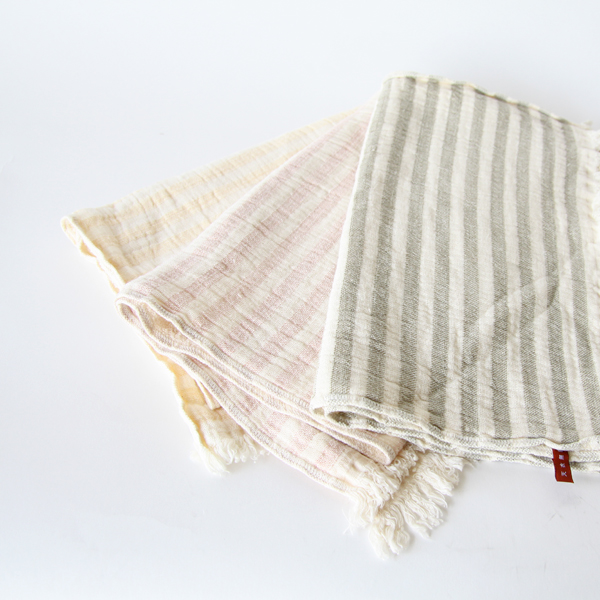
Ten-i-muhou Slub Gauze Face Towel Set (bengara-zome)

Now, "organic cotton" is
classified separately from ordinary raw cotton.
Organic cotton is
cotton grown using cultivation methods that avoid the use of
chemical fertilizers and pesticides, based on production standards set by certifying bodies.
They are made through a production process that is gentle on the environment and on the health of the producers.
Organic cotton certification, when it comes to wearing cotton products,
serves as a clue to understanding
how the raw material was actually produced.
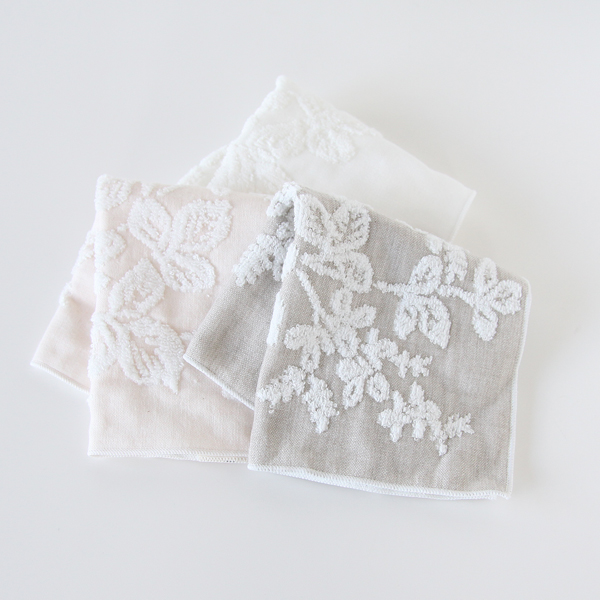
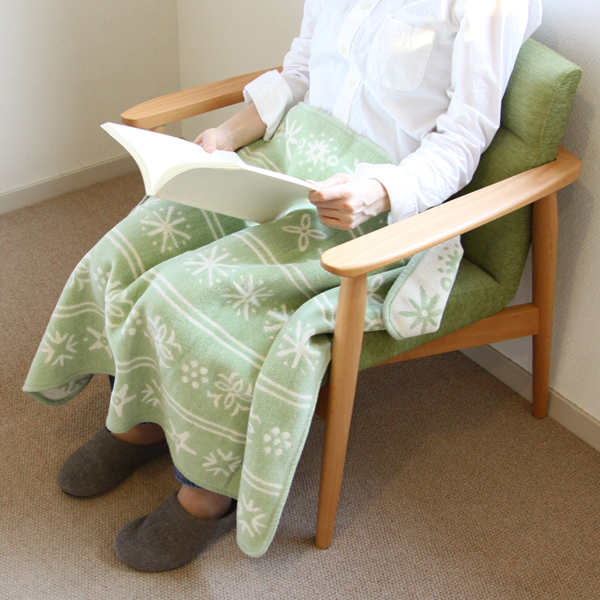
Top: Rakuyo-zome Mini Towel Set
Bottom: KLIPPAN Mini Chenille Blanket, Snowflake, Lapland Green
Ten-i-muho's organic cotton towels and
KLIPPAN's chenille cotton blankets
are produced under a strict process, from the cultivation of the raw cotton to final processing, that meets rigorous standards, and
they have been certified under the Global Organic Textile Standard (GOTS).

Because cotton items are so often used as the material for everyday clothing,
they also tend to be washed frequently.
Using the care instructions on the label as a basic guide,
keep the following characteristics of cotton in mind.
・It wrinkles easily
・It tends to shrink when exposed to heat
・Darker colors may bleed or fade
Even for items that can be machine washed,
spin them only lightly and avoid using a clothes dryer.
For darker colors, we recommend washing separately or by hand.
When drying, shake the item out firmly and
smooth out the wrinkles by patting it.
Direct sunlight can cause the color to fade, so
it is best to dry the item in a shaded, well-ventilated place.
Recommended back issues of "ZUTTO no Yomimono"
>>> Storing Winter Clothes the Smart Way
GUIDE »
CATEGORIES »
- + Gifts by recipient
- + Gifts by scene
- + Clothing
- + Bags / Backpacks
- + Wallets / Card cases
- + Jewelry
- + Shoes
- + Rainy day outfits
- + Kitchen
- + Home
- + Babies / Kids
- + Japanese products
Earn Miles


Payment & Security