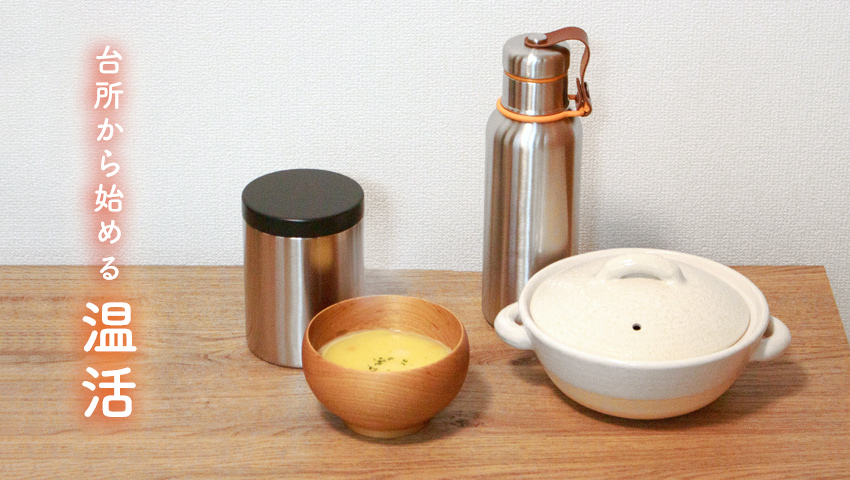
Even if you prepare a special recipe and special ingredients, it's hard to keep doing something special. But when the tools change, your behavior naturally changes too.
Rather than psyching yourself up to "do onkatsu," simply setting up a kitchen that naturally becomes onkatsu ahead of time should be enough to make cold-prevention part of your everyday life.
Lately I've come to feel that the reason things don't stick isn't weak willpower, but that no trigger has been placed within the flow of daily life. In my case, especially on busy days, it's the first thing to drop off my mental list of priorities.
What worked for me was the idea of "starting with form."
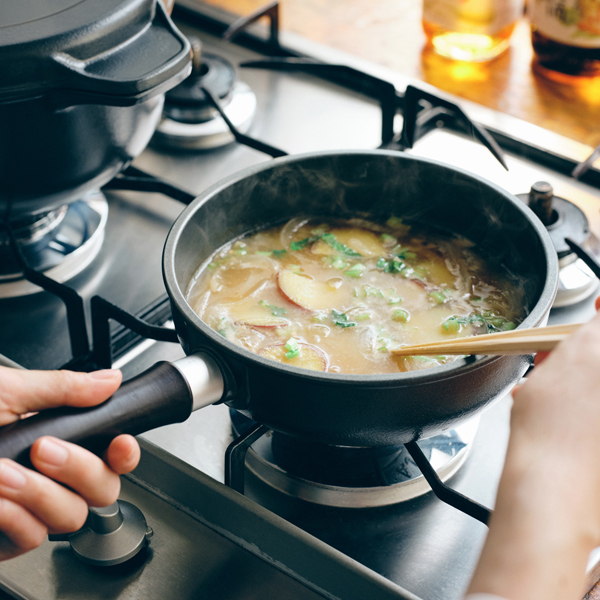
When your kitchen has tools that make you want to cook something warm, tools that keep things warm, and everything is placed within easy reach, that slight sense of reluctance eases up.
For example, if a pot is sitting out near the stove, you're more likely to think, "maybe I'll make soup." If a ginger grater catches your eye, you'll find yourself adding a little more often. And if an insulated mug is right there for the taking, "I'll pour it later" is less likely to stay unfinished.
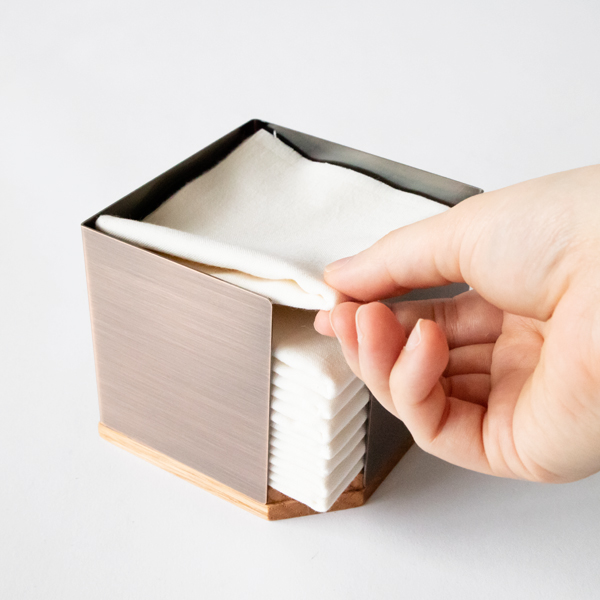
The idea isn't to try harder, but to use tools to create a natural flow of action. Let's start by looking at a few easy-to-continue-with tools, along with some viewpoints to help you choose.
Morning: Time for hot water and soup
・Keep sayu (warm drinking water) at a drinkable temperature
Even after you boil it, sayu tends to cool down more than you'd expect while you're getting ready in the morning. If you prepare the amount you want to drink first thing in advance, you can take a sip even right before heading out, and leave the house with your body already warmed up.
・Soup that's just a matter of cutting ingredients
Just boil water in a small donabe (earthenware pot) and add vegetables, mushrooms, tofu, and the like. Salt or miso is plenty for seasoning. It's just as easy to tear up some lettuce or toss in leftover vegetables from the day before, so it doesn't add to your morning workload. Because the cooking is so simple, it also doesn't create extra dishes to wash, which makes it easy to keep up.
Midday to evening: Just add ginger
The best way to keep doing anything is to avoid adding more rules. For midday through evening, it might be good to make "just add ginger" your motto.
It's not just for shogayaki (ginger pork); adding a small amount to miso soup, other soups, or even black tea is enough. Don't try to do it perfectly every time—just do what you can, when you can.
To keep onkatsu from becoming something special, the points to look for when choosing tools are simple.
① Keeps things warm for a long time ② Doesn't add extra effort ③ Fine to leave out on display
We chose items with these points in mind.
① Tools that keep things warm
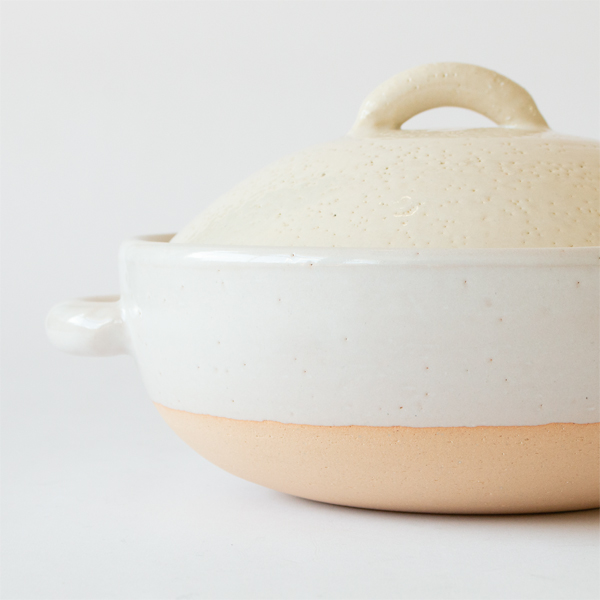
A tool that relies on residual heat after the fire is turned off, so its temperature doesn't drop easily even once it's placed on the table.
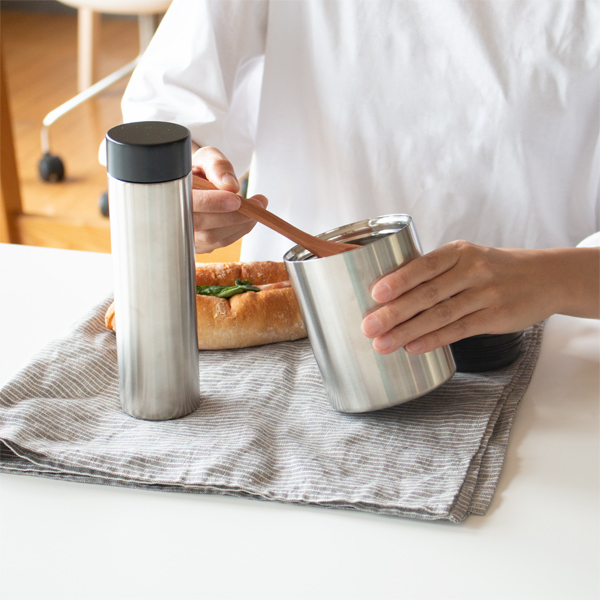
Being able to carry warm food while it's still warm turns meals on busy days or days when you're out into an extension of your warming routine.
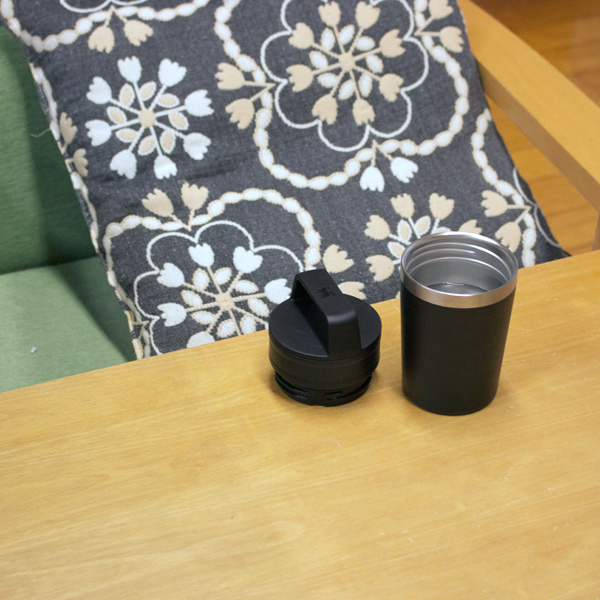
・Insulated bottles
Three bottles that let you keep sayu (hot water) or tea at just the temperature you want to drink it at.
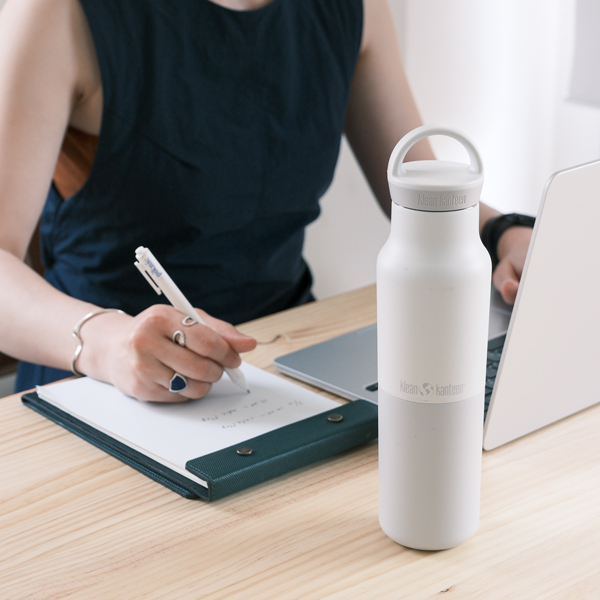
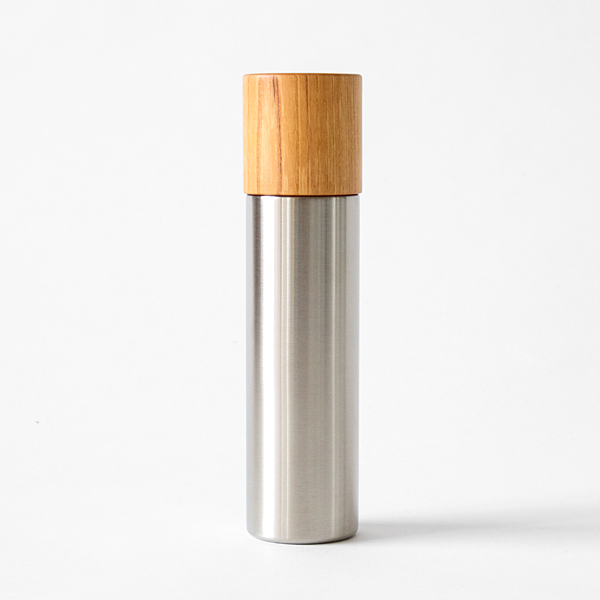
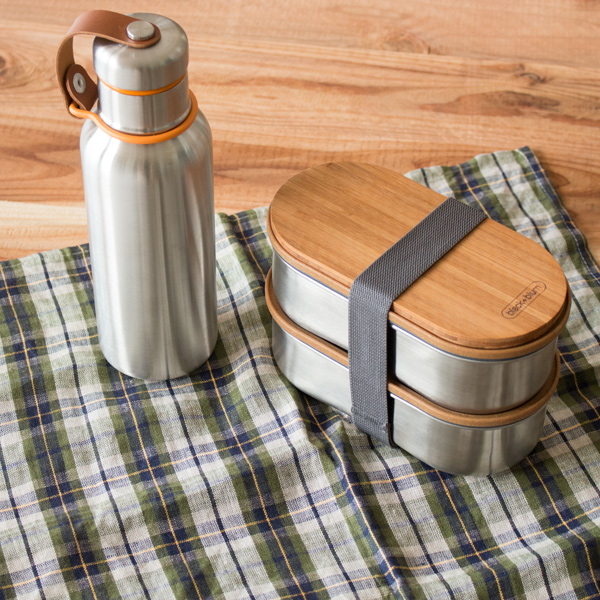
② Tools that don't add extra work
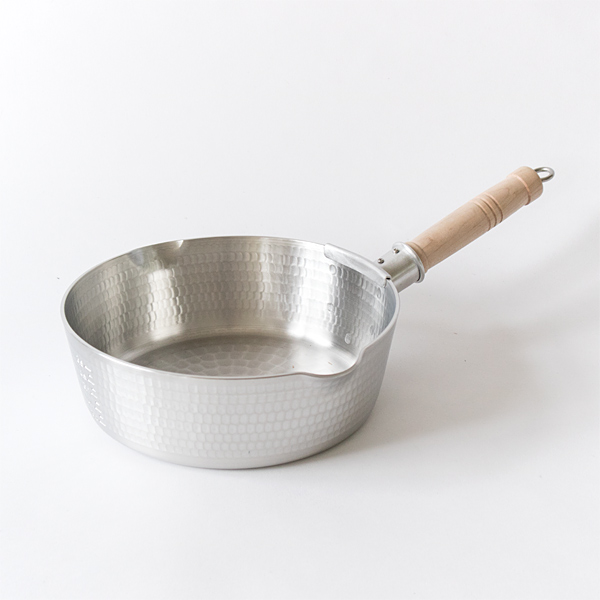
Having a light, easy-to-handle pot makes it simple to "make just a little" or "quickly warm something up." It also has the appeal of not turning cooking into something that requires extra effort.
③ Tools you can leave out on display
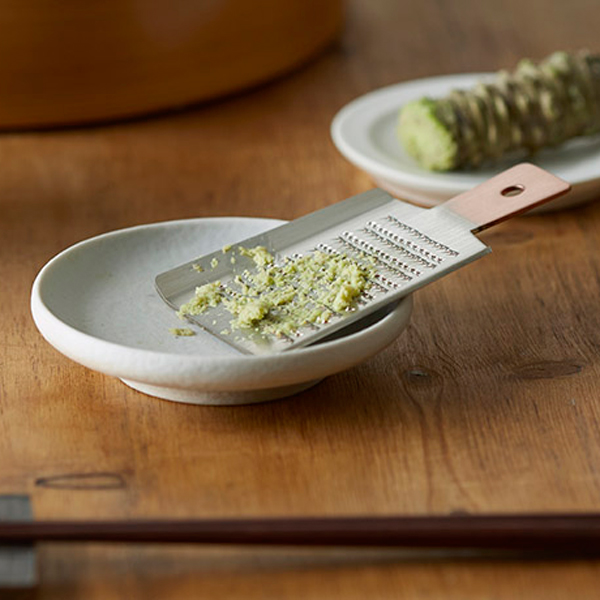
A tool that makes it easy to add just a small touch of flavor. It fits naturally into the flow of cutting or mixing something you've bought, and being compact, it's easy to grab in an instant. It can also be hung on a hook for storage, so keeping it somewhere in view is a nice bonus too.
What you should change first when starting a warming routine may not be your motivation or your recipes, but rather how you set up your kitchen so that it's easy to keep going. Tools that stay warm, that don't add extra work, that you naturally reach for—maybe it's worth starting simply by placing such tools where you'll actually use them.