.webp)


.webp)


.webp)


.webp)


Welcome to ZUTTO
Free shipping for newsletter subscribers (some areas excluded)
My page
Information
- トップページ/
- ZUTTO Journal/
- 選び方・使い方/
- Layering Clothes ...

Layer Up Smartly: Tips and Ideas for Staying Warm
The cold has grown even more severe. Even those who have been getting by with functional inner layers, cardigans, or thick coats layered on top may find that the chill of this coldest period of the year really takes a toll on the body. This time, instead of simply piling on layers to fend off the cold, we'll introduce tips and ideas for choosing clothes efficiently and layering them so you can stay warmer more effectively.

When the cold reaches its peak, you might feel reluctant to step outside, or dread coming home to a room that feels like a refrigerator because the heater hasn't been running. If you keep a few key points in mind, though, you can stay warm efficiently even in such times. For example, how to choose a warm down jacket, the clothing and materials used for layering, and warming the "three necks." This time, let's cover these three points and prepare for the cold.

When it comes to cold-weather protection, the down coat is essential. This is the season when it truly shines. The warmth of down comes from its structure, which traps layers of air. That said, "down coat" is a broad term, and the materials used vary widely. For example, if you look at the filling material of a down coat, you'll see labels like "Down ◯%" and "Feather ◯%," and newer materials such as kodenshi (photoelectric fiber) and PrimaLoft are also on the rise. This time, let's take a moment to review the basics of down.
Pay Attention to the Down-to-Feather Ratio
Inside a down jacket, there are two types of feathers: "down" and "feather." When choosing a down jacket, pay attention to the ratio between these two. Generally, a ratio of 70–90% down to 30–10% feather is considered good. In general, items with 90% down and 10% feather—where the feather mix is lower—are considered the highest quality.

・What is down?
First, let's understand down. Its raw material is the chest down of waterfowl, using fluffy fibers with high moisture absorption and release properties. Shaped like dandelion fluff, it plays a role similar to an undergarment that protects humans from the cold. After being collected, the down is washed to remove dust and grime, dried, and then sorted by grade using a sorting machine that uses airflow.
・What is feather?
Feather is also taken from waterfowl, like down, but refers to the plumage that has a quill. It resembles the bird feathers people typically picture, and functions like the outer coat of a waterfowl. The distinguishing traits of feather are its breathability and resilience. This resilience helps prevent products filled with it from losing their shape. However, when it comes to insulation, down outperforms feather, which is why the two are blended together to combine the strengths of each. Down is lighter, so as the proportion of feather increases, the overall weight of the coat increases as well.
Other Materials
・Kodenshi (Photoelectric) Down
A new material that blends natural down with ultra-lightweight ceramic photoelectric fibers. It absorbs body heat and reflects it back as far-infrared warmth. This material is often found in outdoor wear.
・PrimaLoft
An ultra-fine microfiber material developed at the request of the U.S. military. It has been adopted for cold-weather gear used by the Army and Navy, and it holds up even when wet. There is also a kodenshi PrimaLoft variant—a new material excellent in lightness, warmth, quick-drying, and water repellency.
Check the FP (Fill Power)
In fact, even with the same amount of down, the degree to which the fine feathers fluff up can differ. The unit that expresses this is FP (fill power). This unit indicates the "loft" of the feathers—the larger the volume per ounce (about 28 grams) of down, the higher the number, and the higher the insulating effect, even for the same weight of down. The mechanism works because the down traps more air, lowering thermal conductivity and making it harder for heat to escape from the inside, thus keeping you warmer. While what apparel makers call "high quality" down can vary, down that exceeds FP550 is often considered good quality. Down that exceeds FP700 can be called extremely high-quality down.


NANGA's down uses extremely high-quality European duck down rated at 770FP, and to maintain that quality, the company goes so far as to wash and sew the down entirely in Japan. They've overcome down's traditional weakness—vulnerability to water—by applying a direct "ultra water-repellent finish." Remarkably, under normal use, this effect is said to last almost indefinitely. The products have also received SEK Mark certification (for antibacterial and deodorizing effects, durability of those effects through washing, and safety of the processing).

To stay warm, the key point is how much of the heat generated by your body you can trap. Simply piling on layer after layer doesn't necessarily make you warmer—wearing extremely thick clothing can constrict the body and lead to poor circulation. In fact, it's said that creating "three layers" is enough to achieve sufficient warmth. The skin temperature when a person is comfortably dressed is said to be around 32°C, and by trapping that heat inside the clothing, you can keep it from escaping as much as possible. So specifically, what kind of "three layers" should you choose?

Coat: Work Coat Navy / Top: Men's Suspended Interlock Back-Attached Hoodie / Bottoms: Painter Pants Natural / Bag: Shoulder Bag Satchel (Khaki) / Shoes: Men's TRAVEL SHOES Wingtip Rain NY/WH
・First Layer: Inner Wear

For inner wear that touches the skin, choose something with good moisture permeability. No matter how cold the day, changes in temperature and body heat make you prone to sweating. If you keep wearing damp clothing with sweat still on your body, the evaporating moisture will steal your body heat and leave you feeling cold. Also, when choosing your first layer, it's said that the key point is to pick something that fits close to the body and has good stretch. With snug inner wear that quickly absorbs sweat, try to keep in mind that you're sealing in your skin's temperature of around 32°C.

One brand that boasts both high popularity and functionality is joha, born in Denmark in 1963. It was the world's first company to make wool inner wear specifically for children, who often struggle to regulate their own body temperature. Wool, sometimes called a "natural air conditioner" for the way it keeps you warm when it's cold and cool when it's warm, has a distinctively soft warmth that only natural fibers can offer—something synthetic fibers can't replicate. It's also highly breathable, absorbing up to 40% of its own weight in moisture. By comparison, cotton absorbs only about 8% of its own weight, which is quite surprising.

For the legs, leggings made from a wool and silk blend—their smooth, comfortable feel is addictive.
Made by the same maker that produces joha's inner wear and delicate baby clothing, these offer a soft, smooth, and truly exceptional wearing experience. Many people are so taken with the texture and warmth that they buy several at once.
Second layer: Middle wear

It's said that leaving about 5mm of space between this and the first inner layer is ideal. Look for a fit that doesn't compress the body too much—fleece, wool, or brushed-back knits and sweatshirts all work well here. Among fibers, wool in particular tends to generate heat when it absorbs moisture, which is why it's said to keep you warm. For your second layer, choose something that provides moderate warmth without being too tight.

A turtleneck made of Geelong lambswool with just the right amount of ease. This high-gauge knit works well both on its own and layered with other pieces.
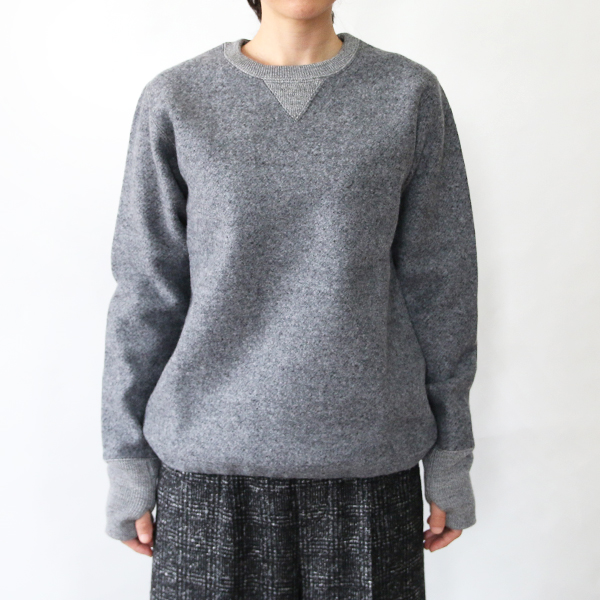
A softly brushed wool sweatshirt pullover. Warm enough to serve as a substitute for a sweater.
Third layer: Sweater / Outerwear
Once you've secured warmth with the second layer, the third layer is your outerwear. If the temperature difference between outdoors and indoors is significant throughout your day, try choosing a relatively thin piece for your middle layer that can be worn alone, and pair it with a fluffy knit cardigan or a lightweight down inner jacket. If you're already wearing something thick like fleece, a windproof outer layer such as a blouson or jacket is recommended. If you'll be spending long hours in a cold place, it's also fine to add a sweater here and then layer outerwear on top of that.

A low-gauge knit in a big silhouette that's easy to layer over other pieces

A loosely knit Shetland wool vest—a gem that combines warmth with ease of movement

SKOOKUM's all-melton collarless coat. A collarless design that's easy to layer.


The "three necks" referred to here are the "neck," "wrist," and "ankle." Come winter, many people cover these three spots without really thinking about why. All three are areas where the skin is relatively thin and thick blood vessels lie close to the surface. Because the skin and arteries are so close together, warming these areas allows the warmed blood to circulate throughout the entire body. Conversely, these are also areas that tend to get cold easily, so they're worth paying attention to.
・Neck

The most important area to protect against cold is the "neck." Since the neck is home to major blood vessels and a concentration of lymph nodes, it's effective to keep it warm—without constricting it—whether you're indoors or out. Scarves and stoles are the classic choice, but at home, a hot pack that can be warmed and reused repeatedly is also convenient. Simply rotating your neck and shoulders gently in a light massage improves circulation and can make you feel warmer.
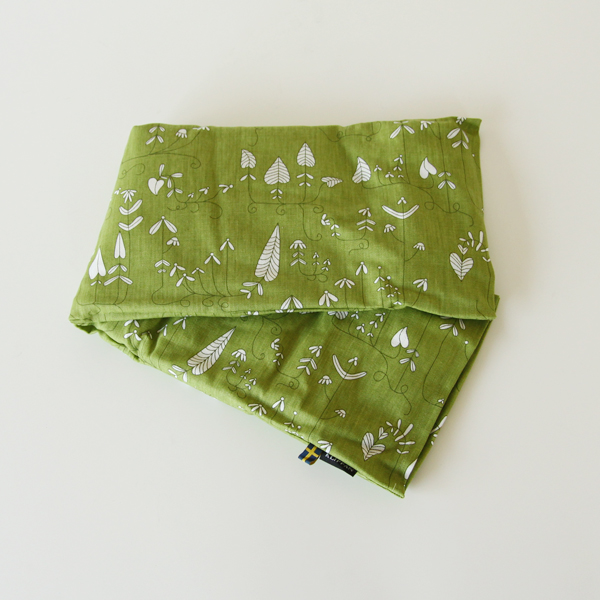
KLIPPAN's wheat hot pack. The inner pouch is filled with wheat grains, so you can warm it in the microwave to use as a hot pack, or chill it in the refrigerator to use as a cooling pack. With a faint scent of lavender, it's a relaxing item to have on hand.
・Wrist

The wrists are often left exposed outdoors, making this an area where many people feel especially cold. These days, quite a few people avoid wearing gloves specifically so they can use their smartphones. If you want to add something, smartphone-compatible gloves or arm warmers that leave the fingertips free are good options. Rotating your wrists or opening and closing your hands into fists whenever you remember to also improves circulation and can be expected to help.

Fingerless mittens that look charming even scrunched up under your sleeves. A wool and angora blend gives them a soft, fluffy feel.
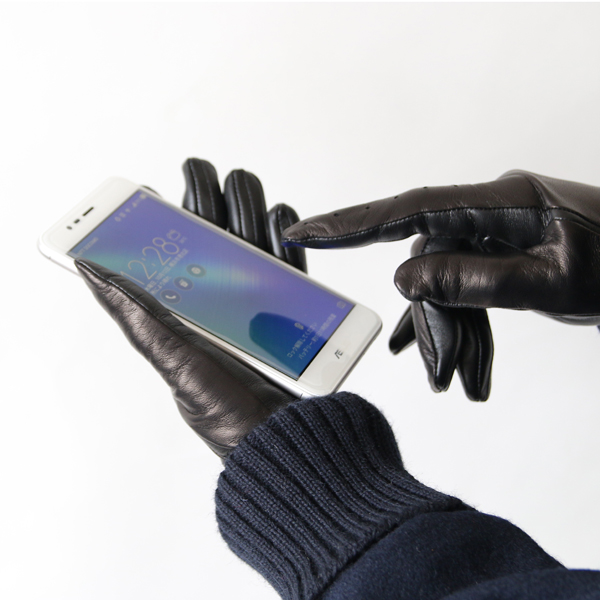
Leather gloves from CHESTER JEFFERIES that allow touchscreen operation.
・Ankle

Of the three necks, the ankle is farthest from the heart, and many people struggle with cold in this area. Some may have simply given up, telling themselves they're just prone to feeling cold, but leaving your ankles cold can chill your entire body, stiffen your muscles, and potentially worsen circulation even further. To warm this area, try adding leg warmers. Also, if you're still wearing the thin cotton socks you used in spring and summer all the way through winter, simply switching to wool-blend socks or tights should make a noticeable difference. The feet are prone to getting cold, but they're also an area that can sweat and lose heat if overheated, so socks made from a blend of wool with cotton or nylon are a good choice.

Thermohair's regular socks are cold-weather socks made from kid mohair (the hair of young angora goats). With plenty of stretch, they keep your feet nice and warm.

For those who say long boots are essential on cold days, we recommend wool-blend boot socks. They're handy not only in winter but also worn under rain boots on rainy days, keeping your feet from getting cold.
With the wisdom of natural materials and a little know-how, let's make it through the harshest winter cold.
▽NANGA: A quality down maker, MADE IN JAPAN

▽SKOOKUM: The ultimate stadium jacket, made from 24-ounce melton of 100% virgin wool

GUIDE »
CATEGORIES »
- + Gifts by recipient
- + Gifts by scene
- + Clothing
- + Bags / Backpacks
- + Wallets / Card cases
- + Jewelry
- + Shoes
- + Rainy day outfits
- + Kitchen
- + Home
- + Babies / Kids
- + Japanese products
Earn Miles


Payment & Security