.webp)


.webp)


.webp)


.webp)


Welcome to ZUTTO
Free shipping for newsletter subscribers (some areas excluded)
- トップページ/
- ZUTTO Journal/
- 選び方・使い方/
- Lightness and eas...

Lightness and ease of use are the key points. If you're choosing wooden plates to use morning, noon, and night.
The charm of wooden tableware that elegantly dresses up your table
Wooden tableware is light and easy to use, and it's curious how simply placing any dish on it somehow makes it look more stylish. It suits any season, and pairs wonderfully with bread, rice, or pasta alike. Simple, plain tableware goes with anything, but it can sometimes feel a bit impersonal. Wooden dishes have warmth while remaining unobtrusive, making them easy to pair with any meal, and you can also enjoy coordinating them with table linens. Since preferences for wooden tableware vary so much from person to person, it also makes for an ideal gift.
How to choose wooden tableware
The term "wooden tableware" covers a huge range of appearances and usability, depending on the type of wood and finish used. At ZUTTO, we offer yamazakura (mountain cherry), hinoki (Japanese cypress), shina (Japanese linden), walnut, and more.
Yamazakura (Mountain Cherry)

Yamazakura is known for being hard and extremely sturdy. Since it can withstand serrated blades like those on bread knives, it's well suited to cutting boards that can also double as plates.
Shina
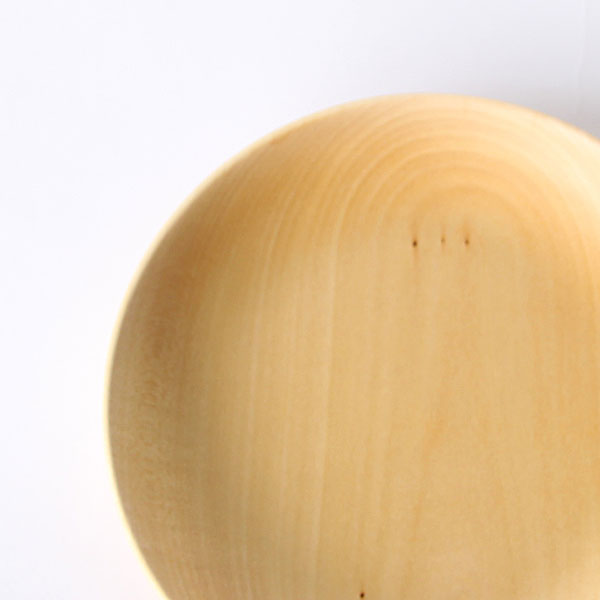
Shina has a bright, soft coloring and a beautiful, smooth, finely grained surface. It's extremely light and easy to handle, which is why it's often used for rounded, carved plates and dishes.
Walnut

Walnut is a little different from other wooden plates. It's characterized by its resistance to impact and its beautiful wood grain, and it contains just the right amount of natural oil, giving it a glossy sheen that develops more character the more you use it.
We also offer plywood plates.

Plywood is made by layering thin sheets of core wood and bonding them together with heat and pressure. By stacking the sheets so that the grain runs in alternating directions, the finished product resists the warping and distortion that can affect wooden items. As a result, compared to other wooden products carved or hollowed out from a solid block, plywood pieces come out thin, light, and durable. Another notable point is that, because the material is used in the form of sheets peeled thinly from logs, very little is wasted, making it a resource-efficient manufacturing method.
Each wooden plate has its own distinct character, and that character only deepens with use over time. This naturally raises one question.
Question: Isn't wooden tableware a hassle to take care of?
When people think of wooden tableware, some may imagine it's difficult to care for—unable to use regular dish soap, or prone to cracking unless oiled regularly. However, the proper care method actually depends heavily on how the wood has been processed.What matters most is the type of finishapplied to it. For example, Takahashi Kogei's Cara series and KAMI series are finished with a food-safe urethane coating, so as long as you make sure to dry the dishes thoroughly after use, there's no need for special careful maintenance. Meanwhile, GOLD CRAFT's plywood tableware has a special coating that has proven its high water resistance—showing no change even after a dishwasher test of 3,000 wash cycles. On the other hand, items that are unfinished or oil-finished are more prone to staining once the oil wears off, but they also let you enjoy the changes that come with age more readily. If the wood surface starts to feel rough, applying oil periodically as maintenance will bring out a much deeper color and help you grow more attached to the piece. It's a good idea to start with an easy-to-use finished item, and once you're accustomed to caring for wooden tableware, move on to an oil-finished piece that teaches you the joy of long-term use.
Question: What size should I buy first?
With wooden tableware coming in so many different sizes, shapes, and heights, it's easy to wonder, "Which one should I get first?" once you actually decide to buy. According to ZUTTO's wooden tableware buyer, it's best to start with the size you'll likely use most often. Apparently, starting by getting a main-dish-sized plate for each member of the family makes it easiest to appreciate the benefits of wooden tableware as you use it in everyday life. Do give it a try as a reference.
Working hard morning, noon, and night—a peek into a day in the life of a wooden plate
Wooden plates are so easy to use that they can work hard morning, noon, and night. Taking a closer look at a wooden plate's typical day really shows just how convenient it is.
A morning where even oversleeping still means delicious toast
Rice, fish, miso soup, and a few small side dishes—there's a strong appeal to a traditional Japanese breakfast, but in our busy modern lives, many people opt for crispy toast, salad, and yogurt instead. Even on a morning when you've overslept a little, having just the right wooden plate for your toast somehow makes everything look more stylish. What's more, compared to ceramic plates, wooden plates absorb residual heat and steam from toast more readily, so you can enjoy your toast nice and crispy.
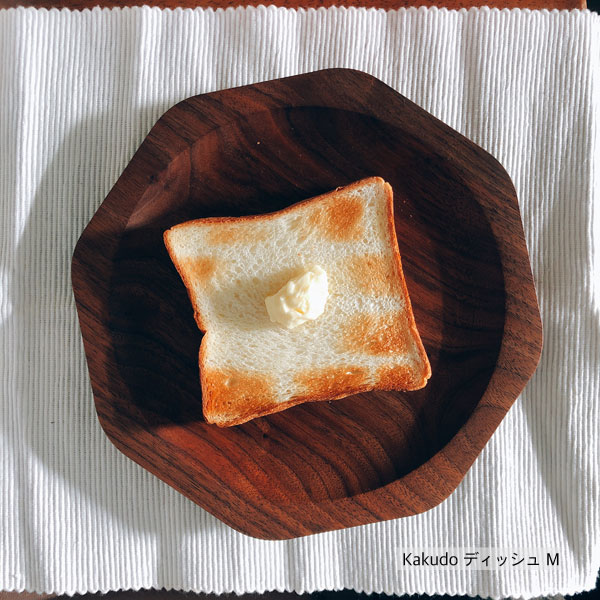
Even leftovers from dinner or a bento box don't feel like a letdown
For those who turn yesterday's leftovers into the next day's lunch, a larger wooden plate that works as a single one-plate meal is ideal. If you have a few leftover side dishes, arranging them in small portions on the plate looks lovely too. Of course, it also works wonderfully for single-dish meals. Fried rice, pilaf, pasta, and even curry rice left to rest overnight can be plated up cafe-style, instantly lifting your mood.


On evenings with lots of dishes to wash, the lightness is a relief
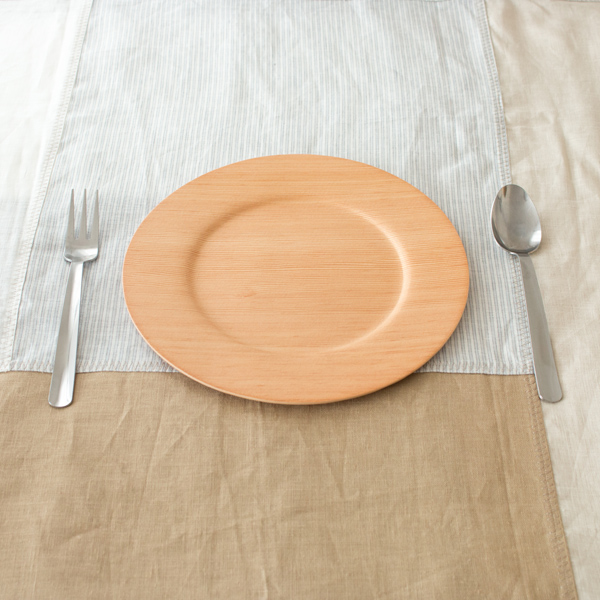
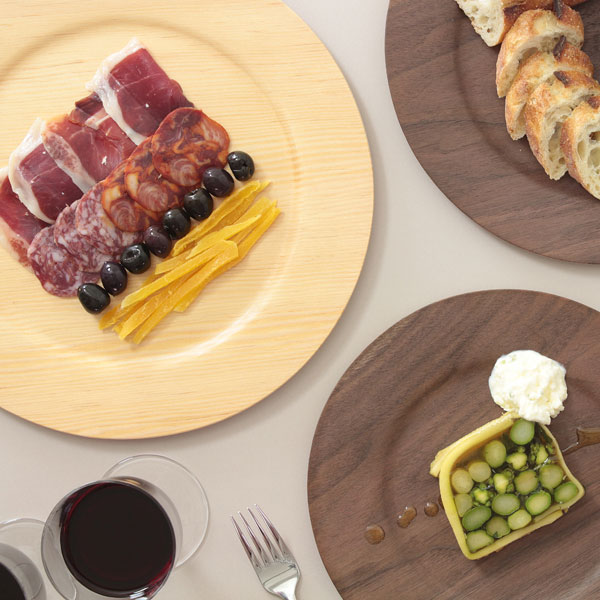
A wooden plate with a bit of height also comes in handy for serving main dishes. This lightness is especially appreciated on evenings when the family gathers, the number of dishes multiplies, and the washing-up tends to pile up. We also recommend a buffet-style approach: put single-dish meals like hamburger steak, curry rice, or omurice, and sometimes side dishes too, on a large communal plate, and let everyone serve themselves onto their own wooden plate as much as they like.

【Bonus Feature】
For 3 o'clock snacks when people gather on days off, a sturdy cutting board is the answer
At home parties among close friends, there are often moments when everyone shares the treats they've brought along. A stylish, sturdy cutting board comes in handy for occasions like this. A very sturdy yamazakura (mountain cherry) wood cutting board looks effortlessly chic when you simply cut a muffin or cake and set it straight on the table. When there's a big crowd, all sorts of little problems tend to crop up—not enough plates, or having to bring out mismatched ones—but if you use paper napkins as individual plates and let people help themselves straight from the cutting board, you'll also end up with fewer dishes to wash.

The secret behind wooden plates working hard all day long
・Light and easy to handle. Recommended for elderly people and children too
・Instantly gives the table a stylish touch, while staying simple enough not to clash with other tableware
・Doesn't take up much space in the cupboard
ZUTTO wooden plates. Our recommendations from special Japanese brands
Takahashi Kogei / Hokkaido
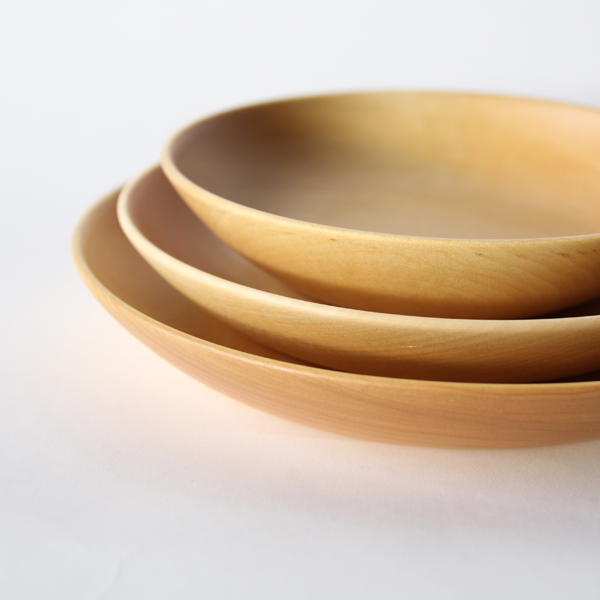
Takahashi Kogei's wooden tableware is born in Asahikawa, Hokkaido, a region blessed with abundant nature. Making the most of the characteristics of quality Hokkaido materials such as shina (Japanese linden) and itayakaede (painted maple), the lineup is simple and functional, with carefully crafted items that bring a warm atmosphere to the table. Another major feature is their one-of-a-kind "lathe-turned wooden tableware."
Takahashi Kogei offers four series. According to someone at Takahashi Kogei, many customers build their collection in the order Cara → Kakudo → KAMI → Enju. If you're getting your first piece, we recommend the main-dish size from the "Cara series."
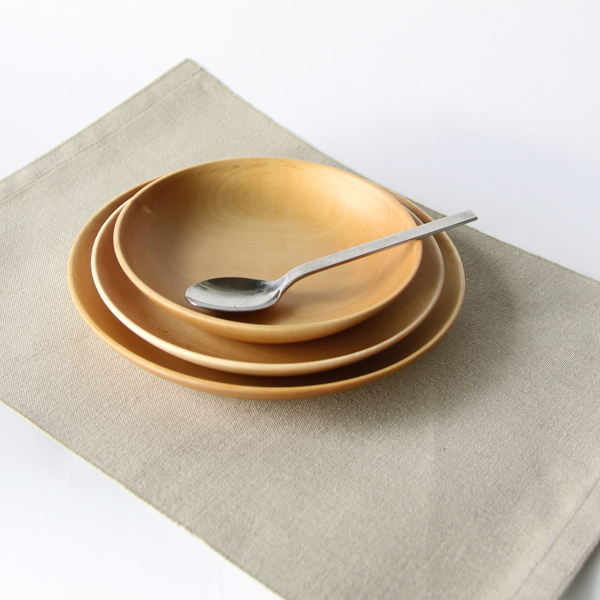
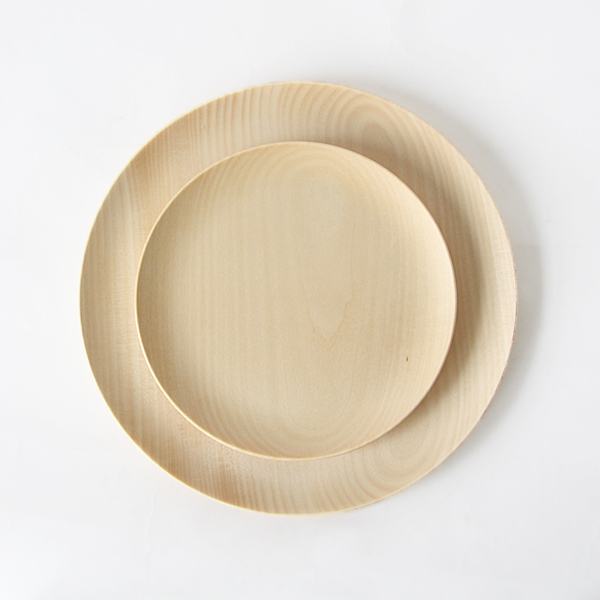
What further distinguishes Takahashi Kogei is the "KAMI series," a favorite among their lineup.
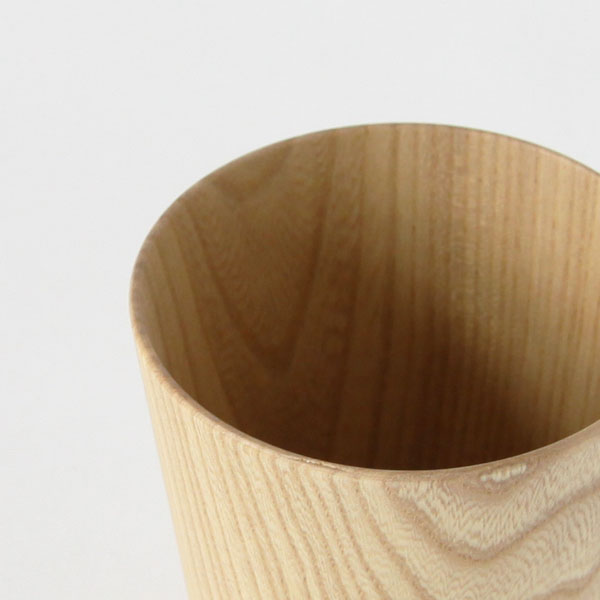
This series' name literally means "wood as thin as paper." How can wood be made this thin? It's simply because Takahashi Kogei possesses an advanced wood-turning technique found nowhere else in Japan. Though thin enough that it seems it might turn translucent like paper, it has plenty of strength for tableware, and offers a pleasant feel against the lips that thick, chunky wooden tableware simply can't match.
It's said that Takahashi Kogei donated their plates at the time of the earthquake. As this episode suggests, the plates are less prone to breaking than ceramic ones, and even if a piece happens to chip, the workshop can repair it (depending on the condition). Being able to mend it, much like a patched-up piece, only deepens your attachment to it over time.
Goldcraft / Kagawa Prefecture

As mentioned in our guide to choosing wooden plates, GOLD CRAFT's tableware uses plywood that eliminates worries about cracking or water resistance. It's remarkably thin yet resistant to breakage. If your cupboard is always packed full and it's a hassle to get dishes out, we recommend stocking up on this kind of thin wooden tableware.
There are three types of wood used: shinanoki (Japanese linden), beimatsu (Douglas fir), and walnut.
Shinanoki: A wood with soft grain and coloring, giving off a bright atmosphere. It's also used as the core material beneath other wood grains.
Beimatsu: A wood excellent in workability and durability, with just the right amount of hardness. Its fine, sharp grain is beautiful, lending a crisp, dignified atmosphere to the table.
Walnut: A material with a calm impression thanks to its deep brown color. It makes the colors of vegetables, such as reds and greens, really stand out.
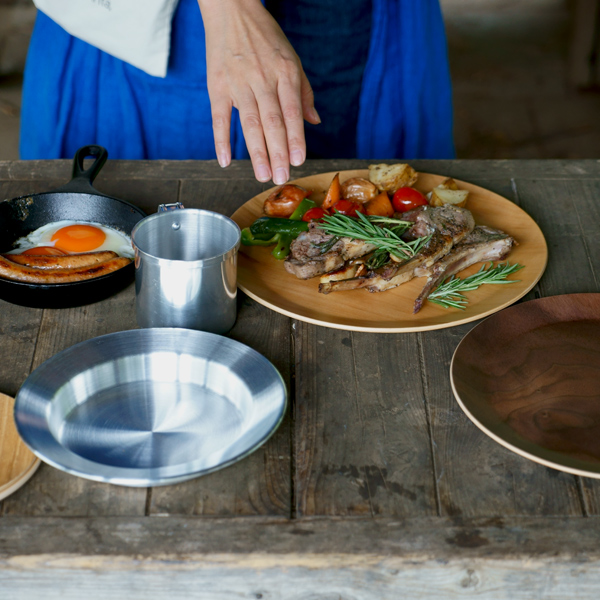
If you're getting your first piece, we recommend the "Wooden Tight-Rim Plate M," a larger plate whose low, gently rising rim makes it easy to hold. Its generous serving space makes it perfect for occasions like home parties or outdoor dining. When serving rice, paper plates get dirty quickly and you end up going through many of them, but with this plate, you can wash it and use it again and again—no waste, and being thin and light, it's sure to prove handy for how easy it is to carry around.
With a design and grain that suit both Japanese and Western settings for everyday use, it also pairs beautifully with other materials. Coordinating your table with plates and bowls of different materials—not just ceramic, but wood and glass too—adds a festive touch and helps prevent the monotony of always using the same items.
woodpecker / Gifu Prefecture

woodpecker(ウッドペッカー)is a brand that creates tools for everyday living, built around the concept of "universal beauty" for items meant to be used for a long time, making the most of wood's natural qualities. With shapes you'll grow attached to and materials that develop character the more you use them, the brand also offers maintenance and support, born from a wish that each piece be cared for and cherished.
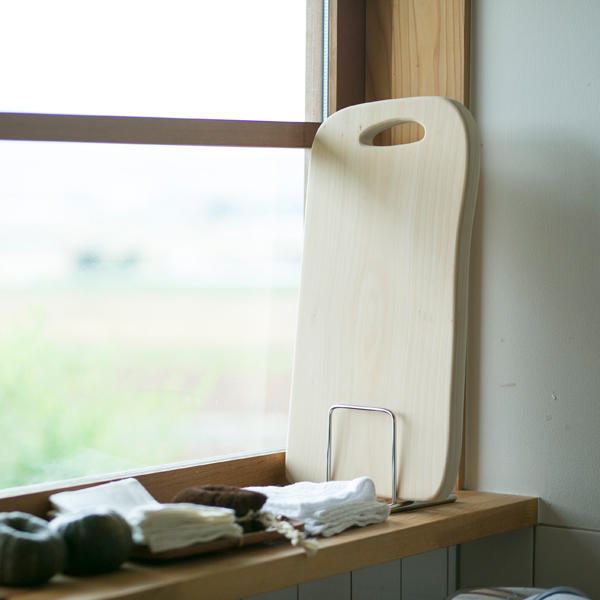
We've prepared three shapes for you to choose from. Whichever shape you pick, it will make for a stylish piece of tableware, so choose the one that suits your taste. These also make wonderful gifts for wedding celebrations or for anyone who loves to cook. This cutting board is sure to come in handy for home parties, holiday picnics, and more.
Featured here is a yamazakura (mountain cherry) cutting board. Sturdy and easy to use, its shape makes it a perfect gift as well. We're also featuring wooden cutting boards that make that satisfying "ton-ton-ton" sound as you chop—perfect for setting the scene for a wonderful time in the kitchen.
Things to keep in mind for using wooden tableware for a long time
・Even if it's been coated, avoid soaking it in water for long periods.
・Even for items that are dishwasher-safe, we recommend hand washing whenever possible.
・After washing, wipe off any moisture with a cloth and let it dry in a well-ventilated place.
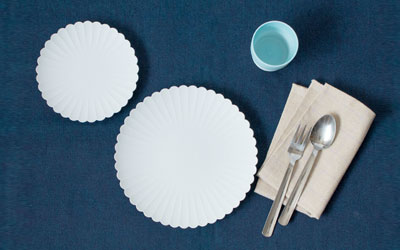
▽For a more elegant table setting, browse our Western-style tableware here
GUIDE »
CATEGORIES »
- + Gifts by recipient
- + Gifts by scene
- + Clothing
- + Bags / Backpacks
- + Wallets / Card cases
- + Jewelry
- + Shoes
- + Rainy day outfits
- + Kitchen
- + Home
- + Babies / Kids
- + Japanese products
Earn Miles


Payment & Security