.webp)


.webp)


.webp)


.webp)


Welcome to ZUTTO
Free shipping for newsletter subscribers (some areas excluded)
- トップページ/
- ZUTTO Journal/
- 選び方・使い方/
- For sports days a...

For sports days and New Year's alike. Bamboo and wood jubako boxes even beginners can use with ease
Sports days when the whole family gathers, New Year's celebrations, picnics enjoyed with friends—delicious food is essential to these occasions. Whether outdoors or at home, a jubako (tiered lacquer box) comes in handy when sharing a meal with several people, but many people may hesitate to use a traditional urushi (Japanese lacquer) jubako.
This time, we'd like to introduce jubako made from bamboo and wood—materials that are easier to use than lacquered ones and suit modern lifestyles just as well.


No need to feel intimidated—these are boxes you'll actually want to use
Lacquered jubako, with their glossy finish and sense of substance, are truly wonderful—the kind of item you might dream of owning someday. But for those new to jubako, there's often a sense of hesitation: worries about how to handle and care for lacquerware, concerns about price, or the feeling that only elaborate, carefully prepared dishes could live up to such an elegant vessel.
For those at the stage when their child is starting kindergarten or elementary school, or reaching an age where they're thinking it's time to properly make osechi (New Year's dishes), and who are simply looking for a jubako that's easy to use, bamboo and wood jubako are the perfect fit.
The key points are
・Easy to handle and care for
・Welcoming to any type of dish
・Easy enough to use often, so it won't just sit in storage
Let's look at each of these in more detail.
Easy to handle and care for

If a material is resistant to water and oil, and doesn't easily stain or scratch, you can use it daily without much worry. This is hard to achieve with untreated solid wood, so it's best to look for pieces finished with urethane coating, the kind commonly used on tableware.
Welcoming to any type of dish

The word "jubako" tends to make us feel we need to fill it with something grand, but a slightly more casual bamboo or wood jubako will happily accommodate even everyday dishes without feeling out of place. And in today's world, where our meals span not just Japanese food but Western, Chinese, and many other cuisines, a bamboo or wood jubako that doesn't box you into a fixed image won't limit the range of dishes you can serve. In that sense too, it's a vessel that welcomes any kind of food.
Easy enough to use often, so it won't just sit in storage

A jubako that's easy to care for and welcomes everyday dishes—like the ones described above—can double as a serving dish at your regular table, not just for events like sports days or New Year's.
For instance, simply filling it with chirashi sushi or sekihan (red rice) and placing it at the center of the table adds a different atmosphere to the meal and a real sense of occasion. When guests come over, filling it with wagashi (Japanese sweets) like ohagi also looks wonderfully fitting.
It would be a shame to only use a jubako you've fallen in love with a few times a year. That's why another key point is its versatility—it's the kind of piece you can actively use at your everyday table instead of leaving it tucked away.
Goodness you notice through use: bamboo and wood jubako
Let's take a look at the jubako actually featured on ZUTTO. Both the bamboo and the hinoki (Japanese cypress) versions combine beauty with practicality.
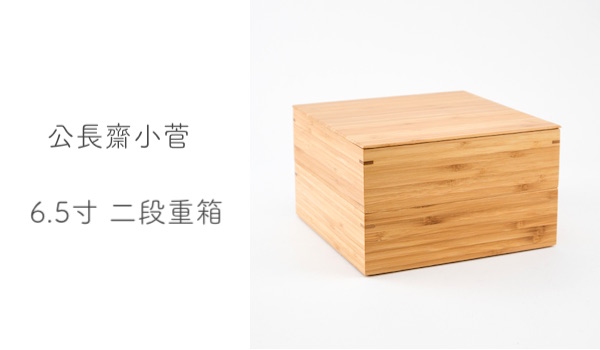
[Bamboo Jubako: 6.5-sun Two-Tier Box · Kohchosai Kosuga]


・Material: Bamboo (laminated)
・Size: Width approx. 19.5 × Height 11.5 × Depth 19.5 (cm)
・For 3-4 people
・Urethane coating
A two-tier jubako from Kohchosai Kosuga, a maker known for crafting kitchen and interior items from bamboo.
Made from laminated bamboo, its surface shows a beautiful striped pattern formed by the layered bamboo, with a smooth and gentle texture to the touch. As shown by the ancient practice of wrapping onigiri in bamboo leaves, bamboo has long been recognized as a material with excellent antibacterial and freshness-preserving properties. This makes bamboo itself well suited for jubako and bento boxes meant for carrying and storing food.
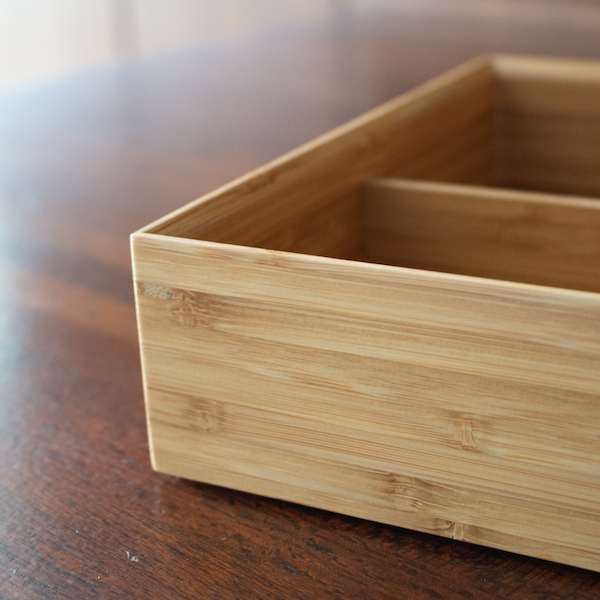
Building on these qualities of bamboo, the surface of this jubako is finished with a urethane coating to make it even more practical—keeping oil from soaking into the bamboo and allowing it to be washed easily with dish soap. Beautiful as it is, this two-tier jubako is also designed with the user in mind, offering real practicality as well.
Each tier is a generous 5.5cm deep, allowing plenty of room for main dishes like karaage (fried chicken) or hamburger steak—perfect for hearty sports-day or picnic bento. A removable cross-shaped divider makes packing easy while keeping dishes from mixing together. With its two-tier design, you can vary how you use it—rice on the bottom with side dishes on top, or rice and sides on the bottom with salad above—opening up plenty of possibilities.

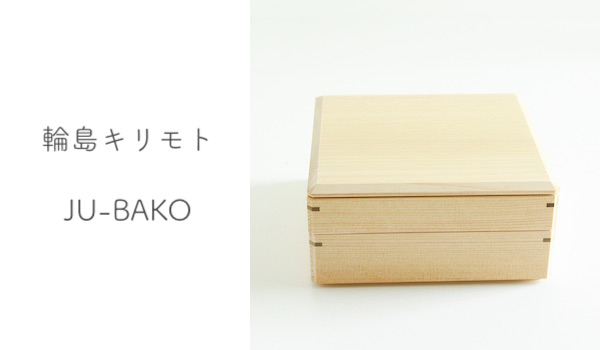
[Hinoki Jubako: JU-BAKO · Wajima Kirimoto]
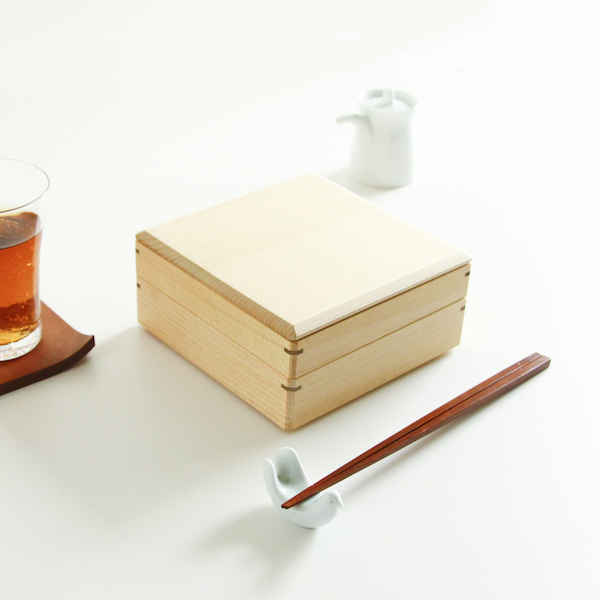
・Material: Hinoki asunaro natural wood
・Size:
Shallow tray, no lid: L15 × W15 × H3.9 (cm)
Plate + lid: L15 × W15 × H2.7 (cm)
・For 2-3 people
・Water-based glass coating
JU-BAKO is a size smaller compared to the 6.5-sun two-tier jubako (stacking box) by Kochosai Kosuga.
Wajima Kirimoto is located in the Wajima-nuri lacquerware producing region of Ishikawa Prefecture, and is a maker that primarily produces many types of lacquerware such as bowls, but they also make this jubako as an entry-level piece. It uses "hinoki-asunaro" wood from Noto, Ishikawa, a material that has long been used in Wajima lacquerware. Its characteristics include excellent water resistance, the presence of antibacterial hinokitiol, and a refreshing scent similar to hinoki cypress.
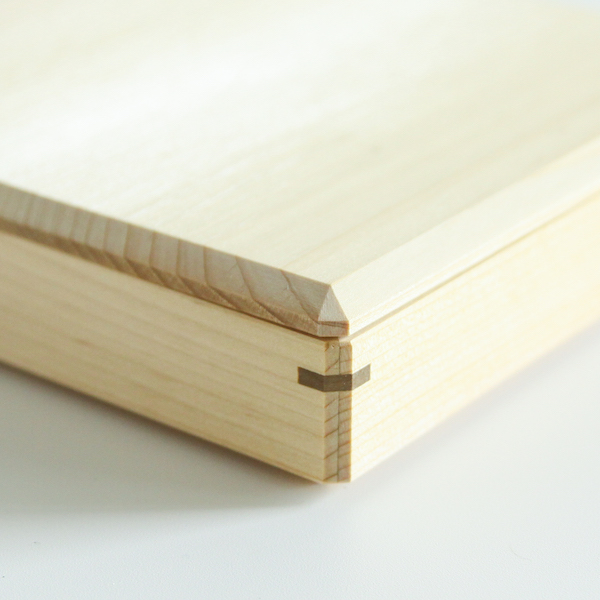
While the wood itself already has excellent water resistance, another point of attention is the use of an inorganic glass coating, chosen for the beauty and ease of maintenance needed in a jubako meant for holding food. The glass coating uses no organic solvents, making it safe and worry-free, and since it coats the wood, it prevents oil stains from forming easily and protects against deterioration from dirt and water. The glass coating also doesn't interfere with the pleasant scent of the hinoki wood, making it a welcome finish for those who are sensitive to the smell of urethane coatings.
In addition, the hinokitiol contained in the material is said to have excellent antibacterial properties, with sterilizing and preservative effects that make it suitable for tableware. For bento boxes and jubako that are carried outside, even though ice packs are often used alongside them, it's reassuring to know that the material itself has antibacterial properties.

Wajima Kirimoto's JU-BAKO is sold as a low "plate-shaped tier + lid" and a lidless "shallow tier," available separately. You can also add a shallow tier to make it into a three-tier stack.
Caring for Bamboo and Wood Jubako
While they don't require as much care as urushi (Japanese lacquer), there are still points to be mindful of since these are natural materials.
・Wash soon after use
Although the surface is coated, leaving oily foods or leftovers sitting for long periods
・Wipe away moisture & avoid soaking in water for long periods
Both bamboo and wood breathe. If kept in a water-soaked state for long periods, the material may become damaged or the jubako may become warped.
・Tips for keeping it looking beautiful
By placing lettuce or a sheet underneath oily foods to prevent oil stains from forming, you can enjoy using it beautifully for a long time.
▼Click here for the product page
GUIDE »
CATEGORIES »
- + Gifts by recipient
- + Gifts by scene
- + Clothing
- + Bags / Backpacks
- + Wallets / Card cases
- + Jewelry
- + Shoes
- + Rainy day outfits
- + Kitchen
- + Home
- + Babies / Kids
- + Japanese products
Earn Miles


Payment & Security