


.webp)


.webp)


.webp)


.webp)


Welcome to ZUTTO
Free shipping for newsletter subscribers (some areas excluded)
- トップページ/
- ZUTTO Journal/
- お手入れ・エイジング/
- Caring for Natura...

Caring for Natural Materials in Winter (Wool, Cashmere, Mohair)
When you take your favorite knit sweater out of the closet after a year
you feel a kind of joy, as if reuniting with an old friend.
On a night that's bound to be cold, having just one wool stole tucked into your bag brings a sense of reassurance.
Have you ever had an experience like this?
Unlike synthetic fibers, natural fibers grow on you over time,
the way a close friend does—that's the wonderful thing about materials of natural origin.
This time, we're taking a look at the care of three natural fibers that feel especially close to us in autumn and winter: wool, cashmere, and mohair.
As textiles, they share many things in common,
but each fiber also has its own points to watch for and its own way of being cared for.
So that you can treat your pieces well this season—and stay together with them next year, and the year after that—
why not deepen your knowledge of natural fibers?
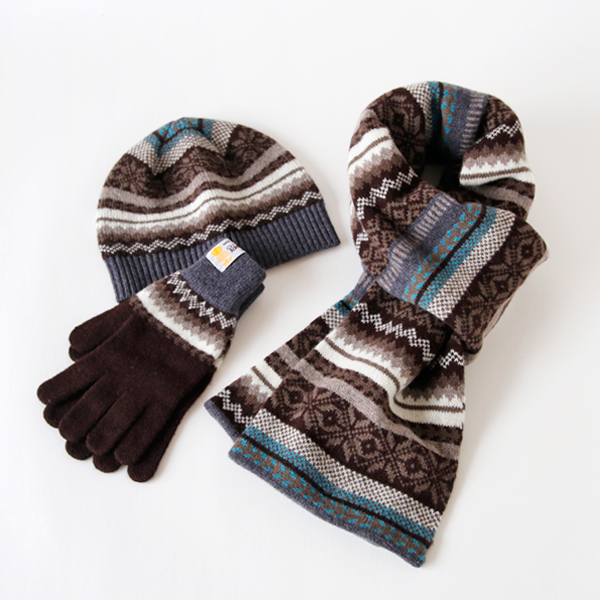
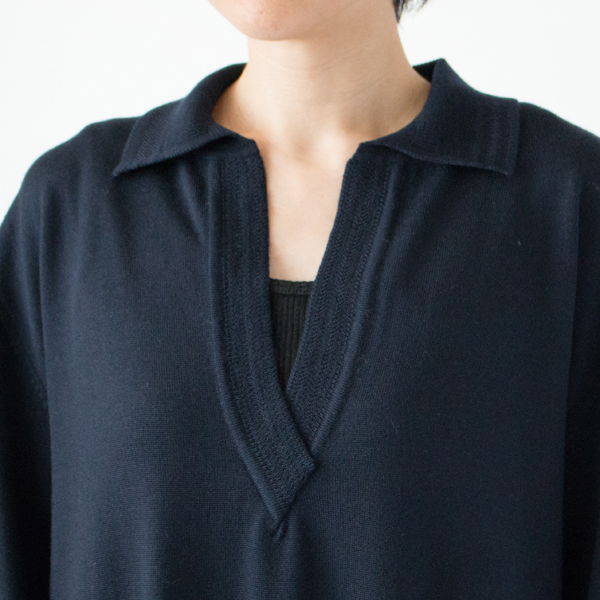
【Natural Fibers as Textiles】
Cloth and fabric are called "textile,"
and this word traces back to the Latin term "textura."
Even today, the word "texture" is widely used to describe
the surface quality or feel of something,
but originally it meant "woven fabric."
Textiles themselves come in a truly wide variety,
and when we broadly divide raw materials into "those of natural origin" and "those that are artificial,"
we refer to them as "natural fibers" and "synthetic fibers."
The raw materials used in textiles are extremely diverse. It's not simply that natural fibers are good and synthetic fibers are bad—
each has its own characteristics, and by understanding their respective strengths and weaknesses,
we can say things like, "This material suits a product built for durability, one meant to develop character with use,"
or "This material suits a product meant to protect human life in extreme cold, such as in high-altitude snowy mountains."
In this way, different textiles come to be chosen for different purposes.
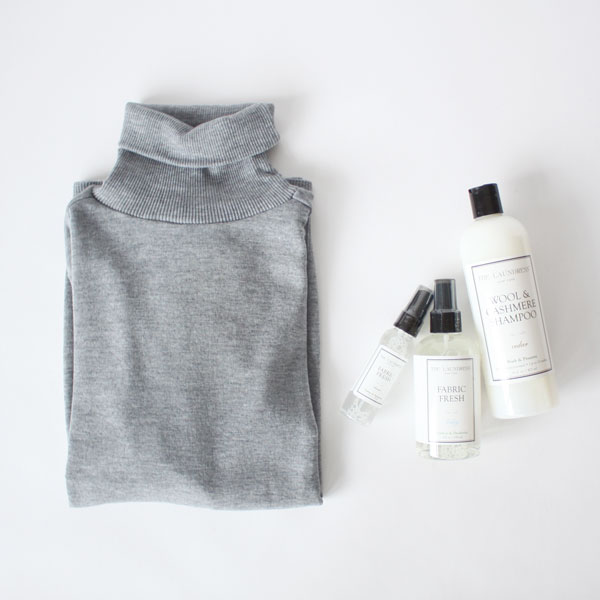
This time, we'll introduce three fibers that we long for in autumn and winter: wool, cashmere, and mohair.
First, let's go over the characteristics common to animal-derived natural fibers.
Wool, cashmere, and mohair are all made by extracting fiber from animal hair and spinning it into yarn,
which is then woven to become textile.
Since ordinary animal-derived natural fibers all have short fiber lengths, the loose fibers must be twisted together to
create one long, continuous thread—this is the process known as "spinning."
While the fiber length and material characteristics differ depending on the type of raw material,
the basic structure is the same across the board: spin the raw fiber into a single thread, then weave that thread into fabric.
Furthermore, natural fibers derived from animal hair in particular hold air effectively between the fibers,
blocking outside air, and so they function almost like a "natural air conditioner."
Because many products made from these textiles are woven thick,
people tend to think of these natural fibers as something only for winter,
but fibers like wool, in particular, are also used for spring and summer knitwear and undergarments, depending on how they're woven and how thick the fabric is.
Countless air pockets form between the curled fibers, so heat doesn't build up,
and body temperature stays constant at all times. Thanks to this high breathability, sweat is absorbed,
skin doesn't feel sticky, and a clean, comfortable state is maintained at all times.
Now, let's take a closer look at the characteristics and care methods for each material.
【We Still Love Wool】
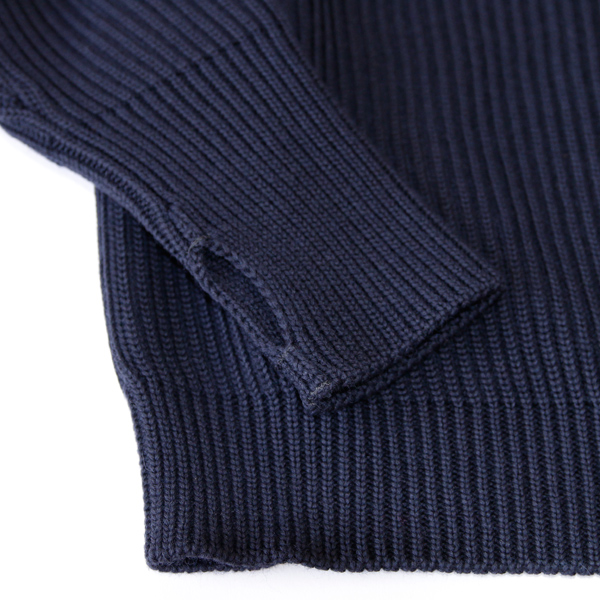
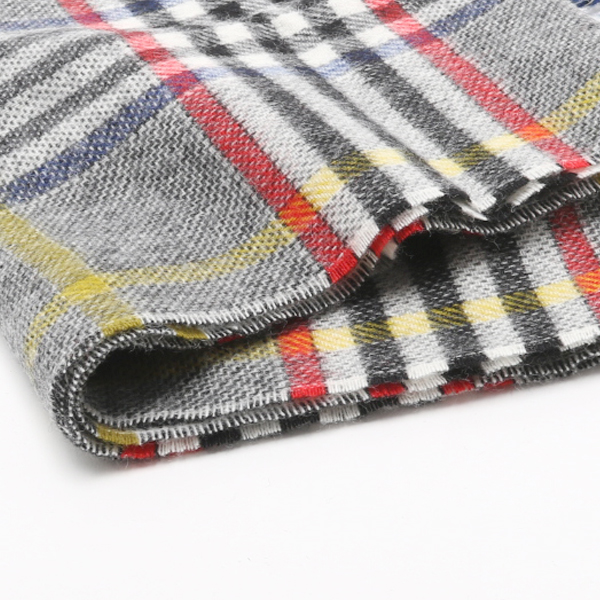
◇Characteristics of wool:
・High insulating properties—warm in winter, cool in summer.
・Excellent moisture absorption.
・Highly elastic and resistant to wrinkling.
・Shrinks when wet.
・Prone to felting.
◇Basic care:
Since wool itself is naturally resistant to dirt and water, you don't need to be overly fussy about caring for it, but
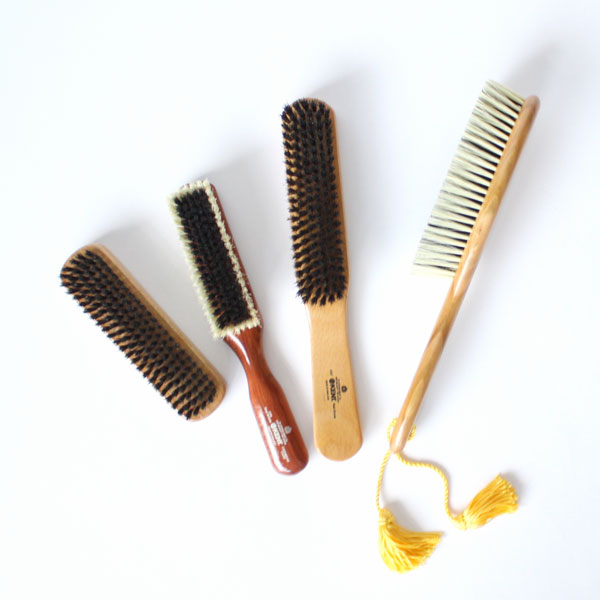
for sweaters, stoles, jackets, and the like, make a habit of running a clothes brush over them on the same day you wear them.
This serves two purposes: ① sweeping away dust and other surface dirt, and ② smoothing the direction of the fibers.
No matter the item, a single day of wear causes friction against other clothing,
and changes in silhouette from being worn.
This isn't limited to wool, but if you leave the fibers lying in an unnatural direction,
it can lead to pilling, as well as
various other problems, such as wrinkles setting in or the garment losing its shape—so take care.
The "clothes brush" referred to here is a brush—not a comb—with bristles densely and firmly set,
much like a hairbrush used to comb hair.
You'll often come across dust-removal brushes known as "etiquette brushes,"
but this type cannot accomplish the goal of "smoothing the direction of the fibers."
【How to Choose a Clothes Brush】
There are many different types of clothes brushes, but the trick to choosing one is to look for
・A size that fits your hand well (so that pressure is applied evenly).
・Animal hair bristles (less prone to static electricity).
・Bristle quality suited to the material (it's a good idea to keep one brush on hand for wool & cashmere).
These are the three points to consider. The brush itself may be a bit pricey, but if a single brush can
change the lifespan of a treasured piece of clothing, it's well worth keeping one in your closet.
Also, if you travel frequently for work, or wear suits for your job,
it's a good idea to keep a compact, handle-less brush—separate from the one at home—
in your suitcase or office locker.
【The Luxury of Cashmere】
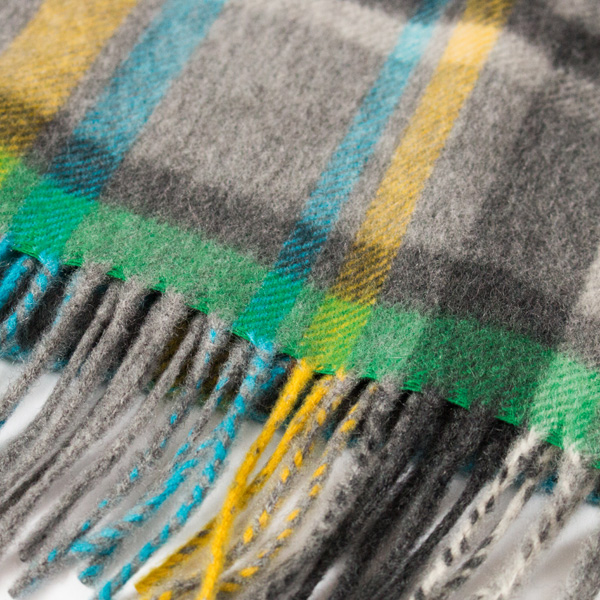
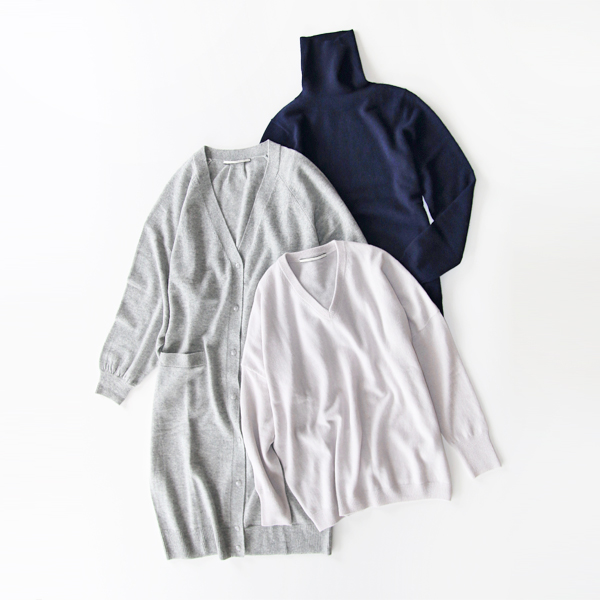
◇Characteristics of Cashmere
・A beautiful sheen and smooth texture so fine it's often called the "jewel of fibers."
・Like wool, it offers excellent insulation.
・The fibers are supple and highly flexible.
・The fibers are extremely fine and delicate.
◇Basic Care
As with wool, make a habit of regular brushing, and
take care to avoid stains and dirt.
It's fair to say that everyday cashmere care comes down to just these two points.
This is because cashmere fibers are even finer and more delicate than wool.
If the soft, fluffy fibers on the surface are left tangled,
they gradually form pilling, which spoils the beauty of the surface.
Also, while dry cleaning is the standard method of caring for cashmere,
repeating petroleum-based cleaning more than necessary
strips away the natural oils in the cashmere fibers,
which can also end up damaging the fabric's texture.
For this reason, it's best to be extremely careful to avoid stains in the first place.
"Before I knew it, some pasta sauce splattered and left a stain!"
"A sweat stain appeared out of nowhere and ruined the lovely color!"
Situations like these can happen, so
for fashion accessories that can be taken off, like stoles and scarves,
it's wise to remove them while eating or on crowded trains where you're likely to sweat.
For everyday care, brush gently while avoiding dirt,
and have your cashmere dry-cleaned once a season—that's the basic approach to everyday cashmere care.
【For Fluffy, Fuzzy Texture, It's Mohair】
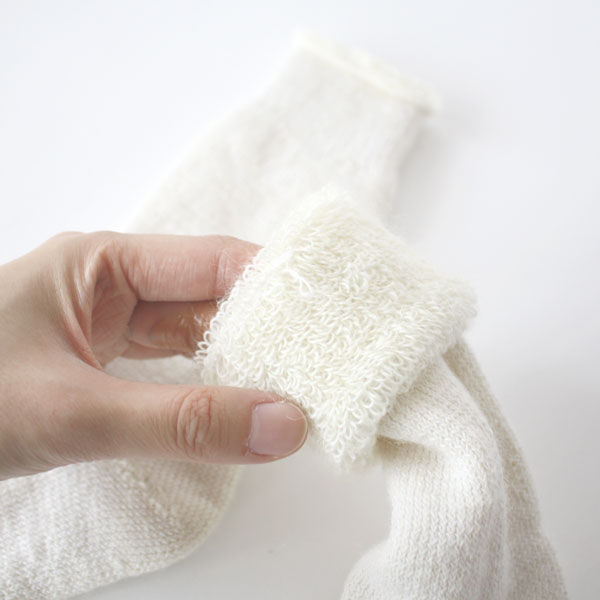

◇Characteristics of Mohair
・A fabric made from the hair of Angora goats,
the young kid's hair is delicate and extremely soft, with a texture close to cashmere.
・Excellent elasticity and warmth retention.
・The fibers are long, which makes them prone to shedding and static electricity.
◇Basic Care
Basic care is the same as for wool and cashmere,
but with mohair, you especially need to watch out for shedding.
Mohair's name originally comes from a Turkish word meaning "the finest hair."
Since the quality of an Angora goat's hair changes significantly as it grows,
even within the category of mohair, there are various names such as "kid mohair," "young goat," and "adult mohair."
Among these, the hair from a kid goat's first shearing at six months old,
known as "kid mohair," has an especially delicate quality.
To make the most of this softness, the yarn is often deliberately spun with a loose twist.
As a result, the fibers are wonderfully fluffy and produce an exquisite feel against the skin,
but the fabric itself is very delicate, with a tendency for the fibers to come loose.
Loop-textured fabrics that make the most of mohair's character are especially delicate.
When putting on or taking off socks, sweaters, and the like, be careful not to catch them on fingernails or accessories.
Also, the softer the hair, the more prone it is to static electricity.
Since static electricity is also a cause of shedding,
using an anti-static spray suitable for animal fibers will help settle the fibers and make the garment last longer.
What did you think of these stories about wool, cashmere, and mohair?
Loose fibers become yarn, then textile,
and eventually take shape as a variety of different products.
Lines becoming surfaces, surfaces taking on three-dimensional form—it's already like a story in itself,
and it feels as though that story is completed when we wear it.
Some see clothing as something disposable, but
with just a little knowledge and a bit of thoughtful care,
you may find you can cherish your clothes for much, much longer.
May you enjoy a wonderful winter, along with that soft, fluffy feel against your skin.
【Related Content】
▼Soft-to-the-touch items to wear as early winter sets in

▼Everyday wool and cashmere care
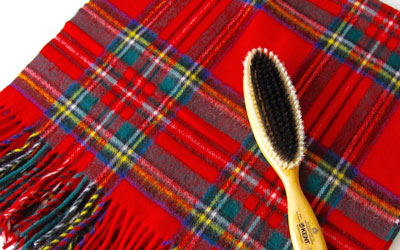
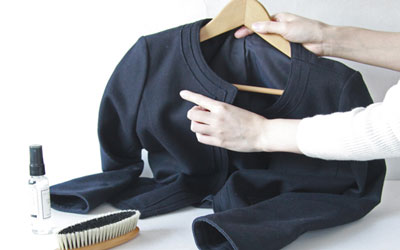
▼Caring for your treasured clothes yourself: how to use a clothes brush
GUIDE »
CONTENTS »
CATEGORIES »
- + Gifts by recipient
- + Gifts by scene
- + Clothing
- + Bags / Backpacks
- + Wallets / Card cases
- + Jewelry
- + Shoes
- + Rainy day outfits
- + Kitchen
- + Home
- + Babies / Kids
- + Japanese products
Earn Miles


Payment & Security




