.webp)


.webp)


.webp)


.webp)


- トップページ/
- ZUTTO Journal/
- お手入れ・エイジング/
- Winter Shoe Care
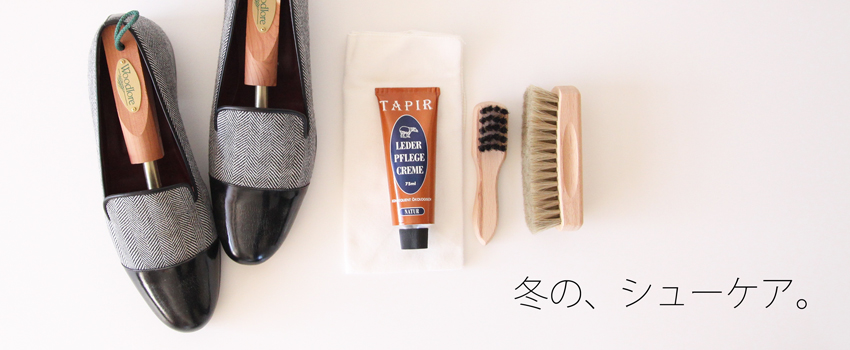
Winter Shoe Care
This time, we're introducing how to care for leather shoes that have worked hard all winter.
In particular, we'll explain special care using shoe trees.
There are two main reasons why shoe trees are necessary.
① Keeping the shoe's silhouette beautiful
② Absorbing moisture and eliminating odor
First, let's talk about the shoe's silhouette.
When you take off shoes at the entryway after wearing them for a long time,
take a look at their silhouette, especially the toe area.
Doesn't the front half curve upward slightly?
This happens because, after wearing the shoes for a long time,
the shoe itself bends and curves
along with the movement of the foot.
If you leave this curvature as it is,
the silhouette becomes fixed, and eventually the surface of the leather
develops wrinkles.
If wrinkles remain on the surface, there's a risk that
the leather could crack and peel starting from that area.
In other words, maintaining the shoe's silhouette is important
not only for its visual appeal, but also
for preserving the beauty of the leather's surface.
Now for the second point: moisture absorption and odor elimination.
As is often noted in the care instructions for leather wallets and bags,
moisture is leather's greatest enemy.
If moisture remains, it can cause deformation and mold,
speeding up the deterioration of the leather itself.
Along with this, odor is another concern with shoes.
We recommend using wooden shoe trees, which excel at absorbing moisture and eliminating odor.
Among shoe trees,
you'll often find many inexpensive plastic versions,
but considering that, beyond the purpose mentioned earlier of "keeping the shoe's silhouette beautiful,"
there are also the purposes of "moisture absorption" and "odor elimination,"
it's worth paying a bit more to choose a wooden shoe tree (also called a shoe tree).

Woodlore's Adjustable Shoe Tree
(*Photo shows the women's version)
Woodlore was created by AllenEdmonds, a men's shoe manufacturer.
Using red cedar unique to the mid-eastern United States, and designed so it can also be adjusted to fit other leather shoes,
the brand has continued making shoe trees with adjustable parts. Today, they offer not only shoe products but
also many closet items that take advantage of red cedar's properties.
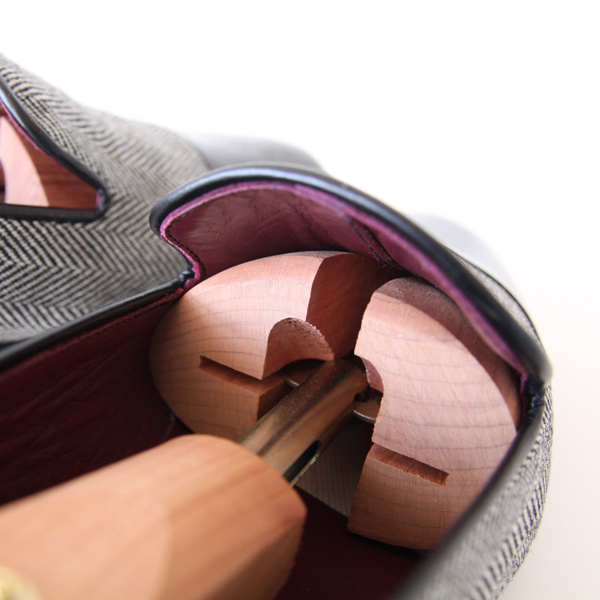
This particular shoe tree has a functional design in which the split at the toe section creates a fit for the shoe.
It can be used with a wide range of styles, from low heels to high heels.
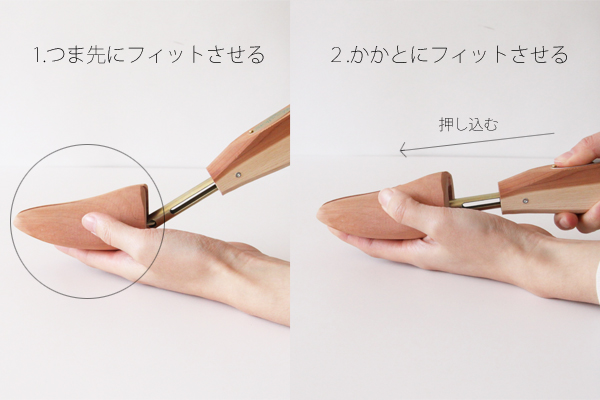
First, fit the front of the shoe tree into the toe of the shoe,
then press the rear adjuster (which functions like a spring)
inward to compress and set it in place. This design allows the shoe tree
to firmly restore the shoe's curvature back to its original shape from the inside.
Of course, beyond maintaining shape,
the crisp scent of cedar also helps deodorize the shoes.
When new, you can smell the fragrance
the moment you take it out of the package,
but when the scent starts to fade,
you can revive it by gently sanding the surface with sandpaper.
ZUTTO carries two sizes, S/M, for both women's and men's versions.
Women's: fits shoes sized 23-24.5cm and 25-26.5cm,
Men's: fits shoes sized 24.5-26cm and 26.5-27.5cm,
so please choose according to your shoe size.

Now, let's look at the care steps
incorporating the shoe tree.
First, we'll introduce, in order,
the care items used together with the shoe tree.
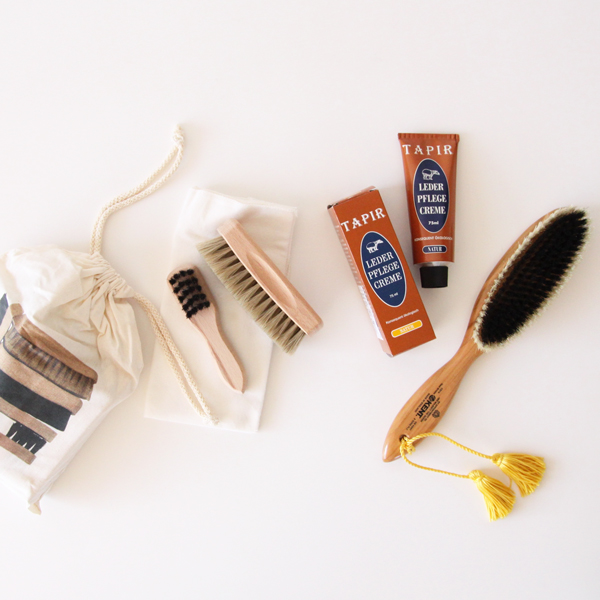
・6-Piece Shoe Care Set / REDECKER
From a stain-removing polishing brush and a detail brush for cleaning small areas, to a cotton cloth,
this care set contains 6 items in total. Having both large and small brushes
is a great feature, since you can use different brushes for the overall shoe and for detail work.
After removing dirt, polish with a soft brush,
and finish with the cotton cloth to keep your shoes always shining.
・TAPIR Shoe Care (wax, cream, and more)
These shoe care items remove dirt from the leather while polishing it to bring out its shine.
TAPIR is a leather care brand that started in 1983 in a small village in Germany.
It was born from the founder's frustration: "There's no wax I want to use on my precious shoes!"
At the time, most wax products sold in Germany either had an unpleasant smell
or contained petroleum-based dyes. Through trial and error based on 19th-century recipes,
100% natural shoe care items were created, offering a lineup you can choose from according to your needs.
・Cashmere & Wool Care Clothes Brush / G.B.KENT
For shoes that combine leather and fabric,
we recommend brushing the fabric parts with a clothes brush, just as you would with a coat or jacket.
This versatile Cashmere & Wool Care Clothes Brush, with plenty of long, soft bristles,
allows for gentle care of everything from cashmere to wool.
Shoe care starts with setting the shoe tree in place.
This time, we're caring for a slip-on style, low-heeled shoe.
The upper and lining are leather, and the shoe itself is a combination
of leather and wool textile.
Following the steps shown in the photos, set the shoe tree in both shoes, working from toe to heel.
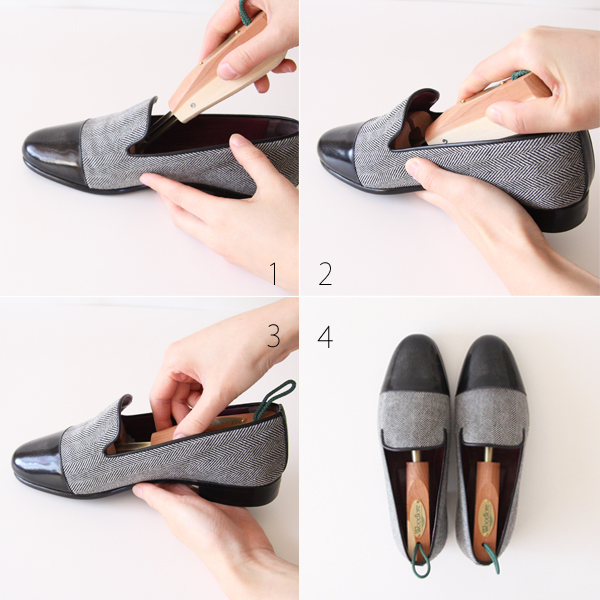
1. Fit the tip of the shoe tree to match the curve of the shoe's toe.
2. Press the rear part firmly inward, compressing it until it fits into the heel of the shoe.
3. Secure the shoe tree in place, aligning it with the shoe's heel.
4. Set the shoe tree into both shoes using the same steps, and you're done.
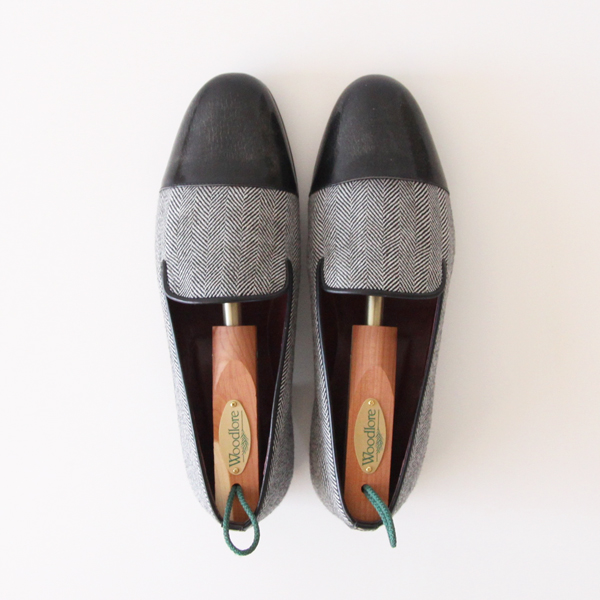
Once you've set the shoe tree into both shoes, let's check once more
whether it's properly seated.
Take a look from front, back, left, and right to see if it fits without strain,
and if you notice unusual pressure concentrated in one spot,
it likely means the tree has been set unevenly,
so we recommend taking it out and setting it again from scratch.

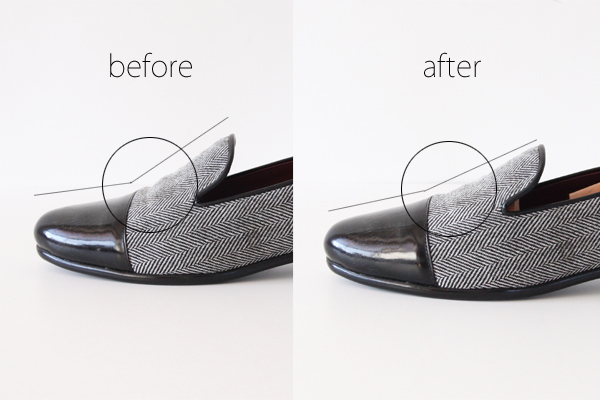
Here, pay attention to how the shape of the shoe changes
before and after inserting the shoe tree.
Since these are small women's shoes,
the change isn't as dramatic as with men's business shoes,
but you can see that the upward curl caused by long hours of wear has flattened out,
and the creases across the top of the foot have visibly softened.
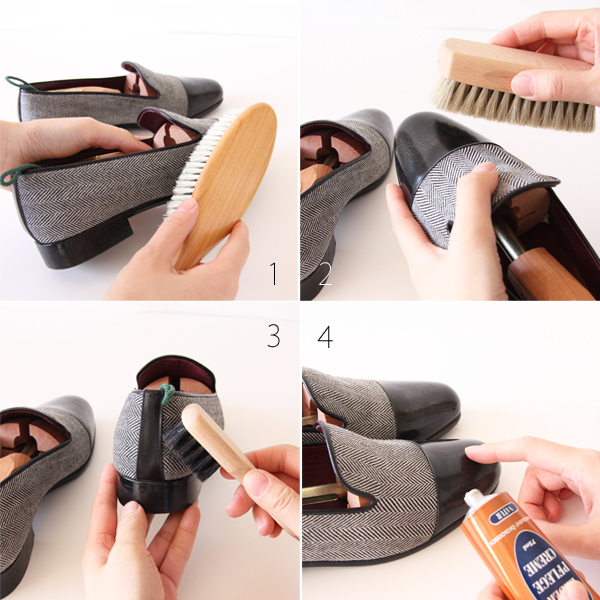
Now that the shoe tree is set,
let's move on to cleaning off surface dirt and giving the shoes a final finish.
1. (For shoes made with fabric other than leather)
Use a clothing brush to remove dust from the fabric areas.
Just as you would with a coat or jacket, brush in a single direction
to smooth the wool's nap.
2. For the leather parts, use a shoe care brush.
Quickly brush away any dust.
3. For small, detailed areas where stitching is concentrated, such as the heel,
go over them carefully with a small brush.
4. Finish up using wax or cream suited to your purpose —
whether that's removing dirt, adding shine, or moisturizing the leather.
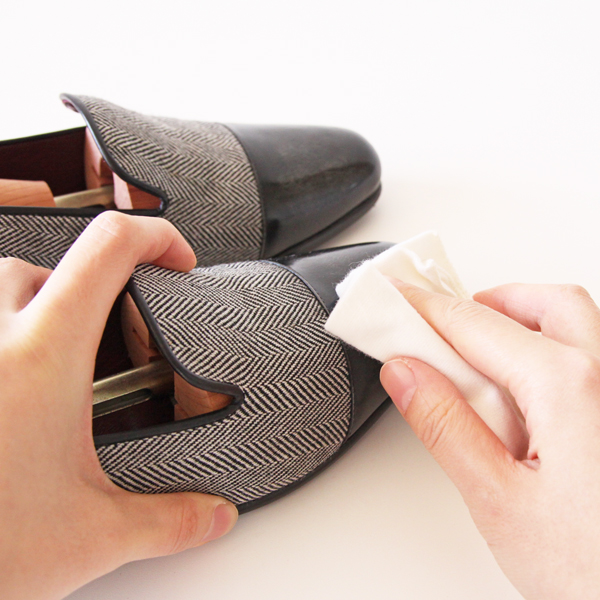
Finally, polish the surface of the leather with a soft cotton cloth.
Since you polish with the shoe tree still in place,
the shoes end up gleaming while holding their proper shape.
There are times when the condition of a person's shoes seems, oddly enough,
to reflect something of their inner character.
Someone wearing new, gleaming shoes
seems to radiate a fresh vitality, both physically and mentally,
while someone who takes care of shoes that are a little worn, but well-maintained,
carries an inimitable sense of "themselves."
On the other hand, there's also a way of wearing shoes that assumes
you'll replace them eventually anyway — wearing them hard, without worrying about dirt or a bit of wear.
That makes you wonder: are shoes simply consumables? What do you think?
That's a hard question to answer.
The shoes you wear on a rainy day, the ones for a casual walk,
and the ones you save for a special meeting are surely all different.
And there's something appealing, too, about the carefree attitude of wearing shoes into the ground
without thinking too much about it.
Still, if you've found a pair of shoes you'd like to keep caring for
over one year, three years, five years, rather than wearing them out,
then as a grown-up, it's worth taking the time to properly care for them.
It's precisely the shoes you love most that deserve careful attention — worth the effort of nurturing them into a pair that's truly your own.
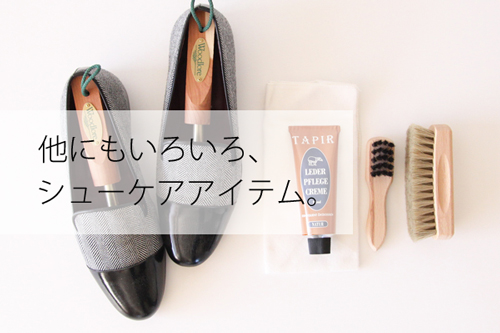
Recommended Back Issues of "ZUTTO no Yomimono"
>>> Enjoying Winter Style with Socks
>>> Carefully Selected Winter Footwear
GUIDE »
CATEGORIES »
- + Gifts by recipient
- + Gifts by scene
- + Clothing
- + Bags / Backpacks
- + Wallets / Card cases
- + Jewelry
- + Shoes
- + Rainy day outfits
- + Kitchen
- + Home
- + Babies / Kids
- + Japanese products
Earn Miles


Payment & Security