















.jpg)






























.jpg)
.jpg)
.jpg)











- トップページ/
- Home/
- Home decor/
- SHIMEKAZARI
 Waramu
SHIMEKAZARI
Preparing for a Happy New Year
Shimenawa decorations are an essential part of the New Year celebration. Their purpose is to properly welcome Toshigami-sama — the god of good fortune who visits each home at the turn of the year. It is said that impurities and evil spirits cannot enter any place adorned with a shimenawa decoration, giving it a meaning similar to a protective barrier or charm against evil. By attaching auspicious ornaments to the sacred shimenawa rope — which marks the holy ground upon which deities descend — the decoration serves as a sign that says "We welcome Toshigami-sama," inviting the deity to arrive in peace and deliver happiness.
Crafted with Care by Skilled Artisans
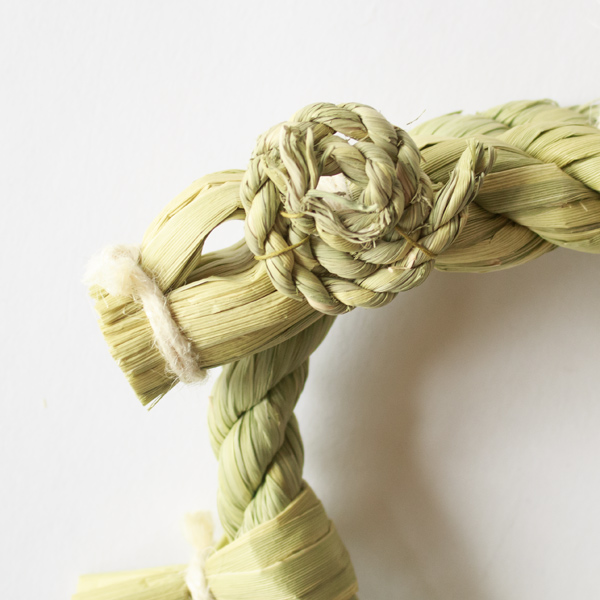
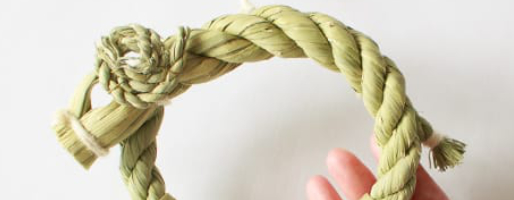
These are authentic straw shimenawa decorations, each handmade one by one by artisans in Nagano. The primary variety of rice straw used is Shirage Mochigome — a rare ancient grain grown only in the Ina Valley of Nagano Prefecture, prized for its remarkable strength and flexibility, its thickness, and its tall stalks. Each decoration uses six varieties of straw, including Shirage Mochigome. All are carefully selected for their quality, and because each variety differs in length, thickness, and softness, the straw is chosen specifically for each product. Every year, artisans sort through large quantities of harvested straw by hand, selecting only the finest strands — using freshly harvested straw immediately for pieces that require it, and storing other varieties for two to three years before beginning to weave, for pieces that call for greater suppleness.
Zodiac Designs (Sho / Jin Mirai Sai): These shimenawa decorations are themed around the sheep (hitsuji), the zodiac animal for 2027. Because the character for "sheep" (羊) is found within the character for "auspiciousness" (祥, sho), the sheep is considered a good-luck animal that brings happiness and good fortune. And because sheep travel in flocks, these decorations are also recommended as a symbol of family harmony — ideal for display in a place where family gathers. Sho features a round, wreath-like form in which finely twisted straw is carefully woven to depict a sheep's face. The paper streamers (shide) with their dot-patterned cutouts follow the Ise style — a prestigious tradition passed down from Ise Jingu. Jin Mirai Sai is a Buddhist term meaning "continuing forever, into eternity." It features a distinctive side profile with finely twisted horns and gentle, round eyes.
Meguri Mawaru: A shimenawa in the shape of a circular ring, formed by winding straw over and over in layers. The ring represents the "circle of people," and the decoration is made with the wish that the wearer will be blessed with many meaningful connections and good relationships.
Chidori: Chidori (plovers) are a collective name for birds that live in flocks near water. A wordplay on chi (thousand) and toru (to take) — giving chitoru, meaning "to gather a thousand" — makes the plover a lucky charm associated with winning fortune and achieving one's goals. ※ This is a wall-hanging type.
Enman: The golden hue of full, abundant rice ears set against the straw makes a striking impression. This decoration carries wishes for all forms of prosperity and growth — abundance, good health, household safety, and business success.
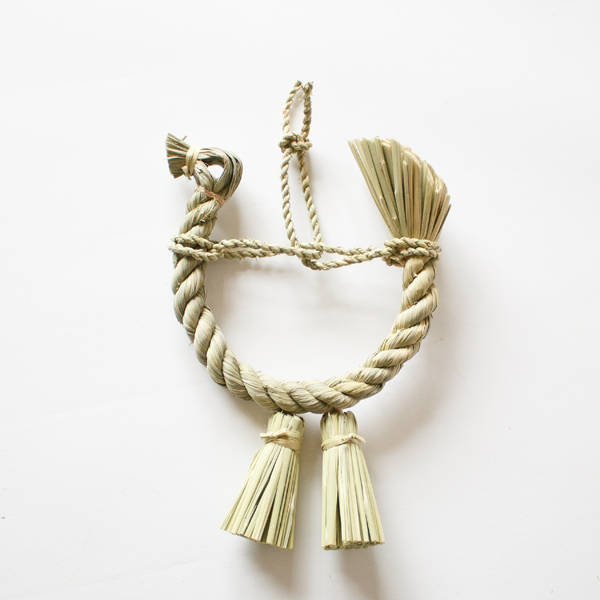
Iwai Tori: The rooster (tori) carries the meaning of "drawing in good fortune" and "delivering good news," making it a lucky charm for business prosperity. The design is simple: a curved rope forms the body, and a tassel (fringe) serves as the legs.
How to Display Your Shimenawa Decoration
For New Year preparations, the proper time to put up your shimenawa decoration is between mid-December and the 31st. Most people tend to display theirs right after taking down their Christmas decorations, as part of year-end preparations. However, the 29th is considered unlucky because the number 29 can be read as niju-ku ("double suffering"), and the 31st is called ichinichi kazari ("one-day decoration") and is also considered inauspicious — both are best avoided. That said, some regions view the 29th as auspicious, reading it as fuku ("good fortune"), so it is best to follow local customs.
Decorations are typically taken down around January 8th, the end of matsu no uchi (the pine period). The duration of matsu no uchi varies by region, but January 1st through 7th is most common. Once taken down, shimenawa decorations should be burned at local dondo-yaki (bonfire) events or other traditional send-off ceremonies, or disposed of at a shrine or temple.
The History of Straw Craft
Straw craft is said to be one of Japan's oldest traditional crafts. Straw — the dried stalks left after rice is harvested — has been woven into Japanese daily life for centuries. Its uses are extraordinarily wide-ranging, from everyday household tools to items for religious rituals, weddings, and funerals, as well as toys and decorative crafts, making it an indispensable material in the formation of Japanese culture. In rice-growing regions, straw craft traditionally served as a source of income during the off-season when farm work was not possible. However, as rice farming has become increasingly mechanized, it is now common practice to shred the straw at the time of harvest and use it as compost — making it difficult to obtain the long straw needed for traditional crafts. With little progress in training new artisans, the number of practitioners continues to decline year by year, and straw craft is now one of many traditional crafts in urgent need of new hands.
Waramu: Carrying the Future of Straw
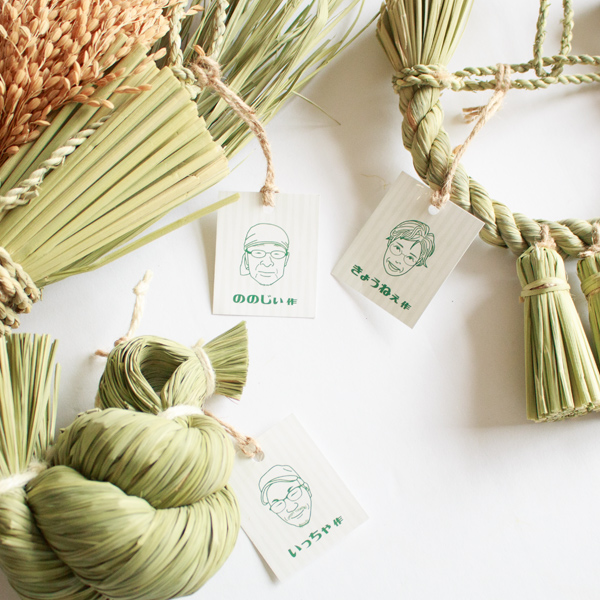
The story of Waramu begins when its founder, Mr. Sakai, relocated to Iijima-machi in Nagano Prefecture. Known as a renowned rice-producing town — sometimes called Meshi no Shima ("Island of Rice") — Iijima inspired Mr. Sakai to organize a local event called the Kome-dawara Marathon, a race in which participants carry rice bales. But he quickly discovered that obtaining actual rice bales was far more difficult than expected. He sought out an artisan, learned the craft, and made the bales himself — and that experience became the starting point for his journey into straw craftsmanship. Through the process of learning to make bales, he came to understand the decline of straw craft culture as the farming population shrank. Today, there are only around 50 straw craft artisans remaining in Japan, and most of them are in their 90s. "Without straw weavers," Mr. Sakai came to believe, "we cannot make the sacred ropes for shrines, the New Year shimenawa decorations, or the straw bales that form the sumo ring — and much of Japan's traditional culture would cease to exist. Just as rice is the soul food of the Japanese people, rice straw is the very foundation of Japan's traditional culture." Driven by this conviction, Mr. Sakai founded a company dedicated to straw craft in earnest, becoming an artisan himself while also pouring energy into training the next generation. Today, Waramu receives commissions for projects including the straw bales of the sumo ring and the sacred rope at Kasuga Taisha Shrine, and stands as a leading force in securing the future of straw craft in Japan.
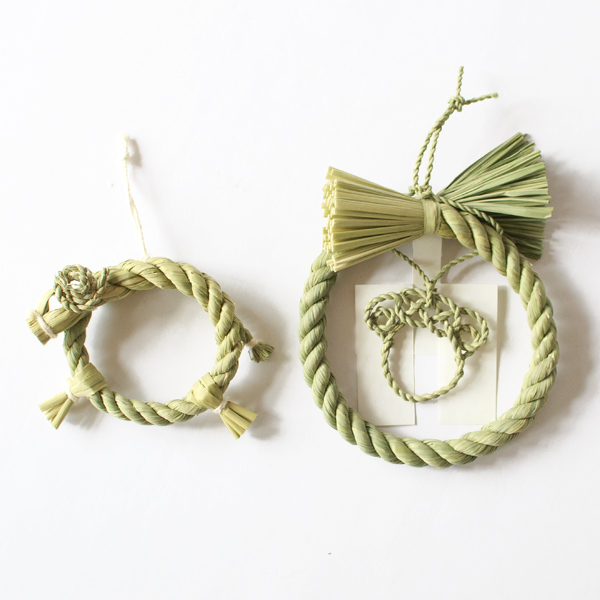
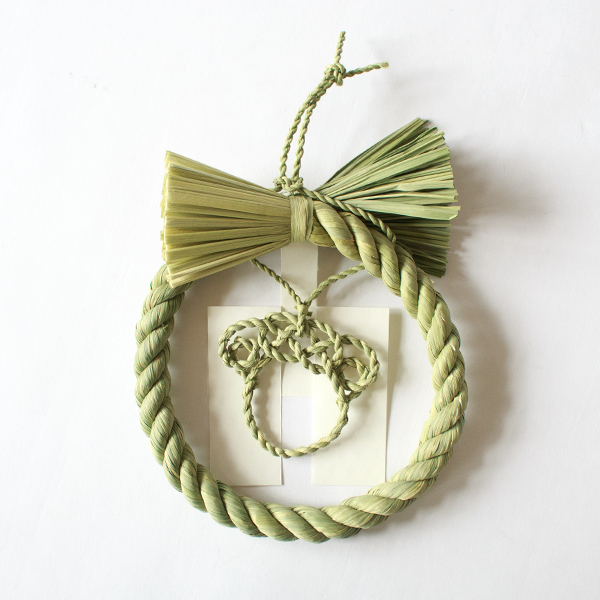
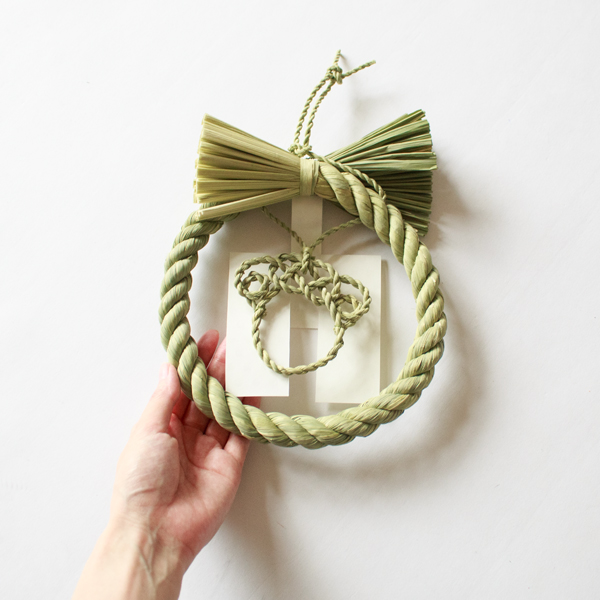
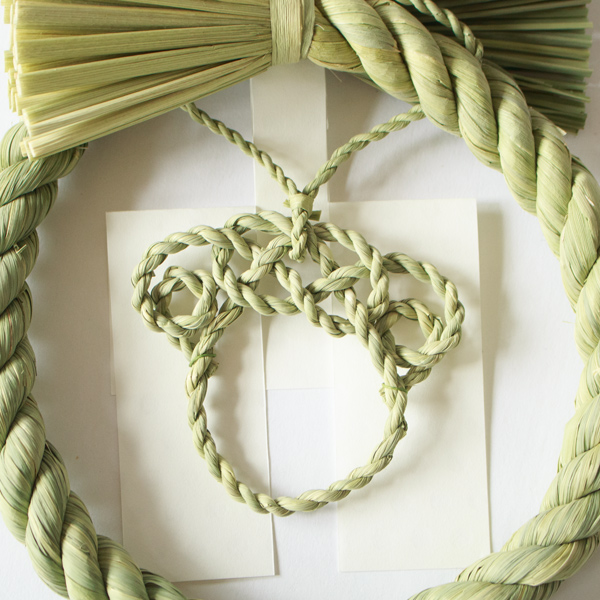
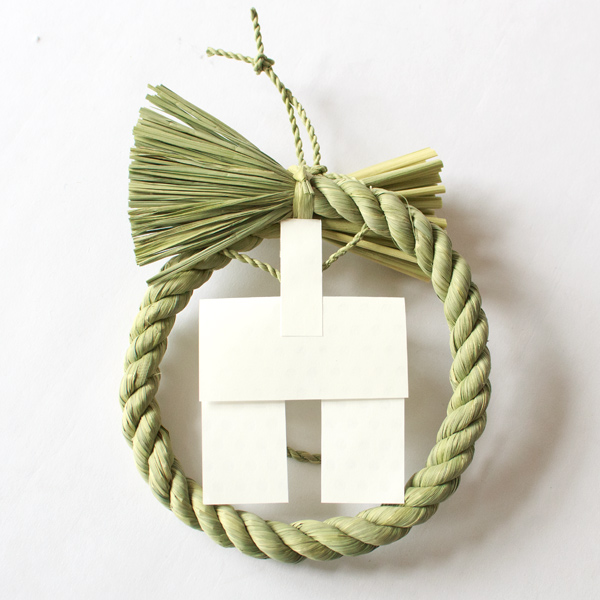
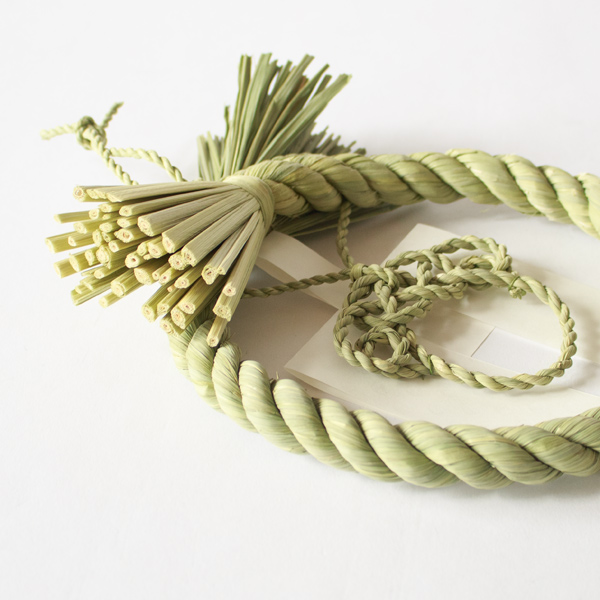
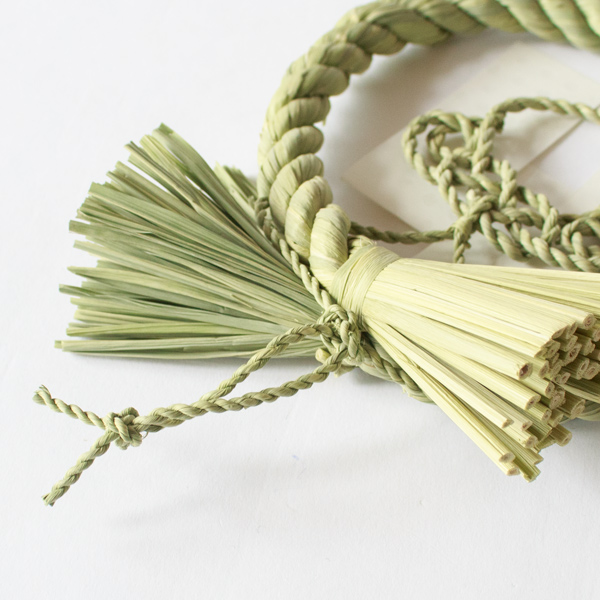
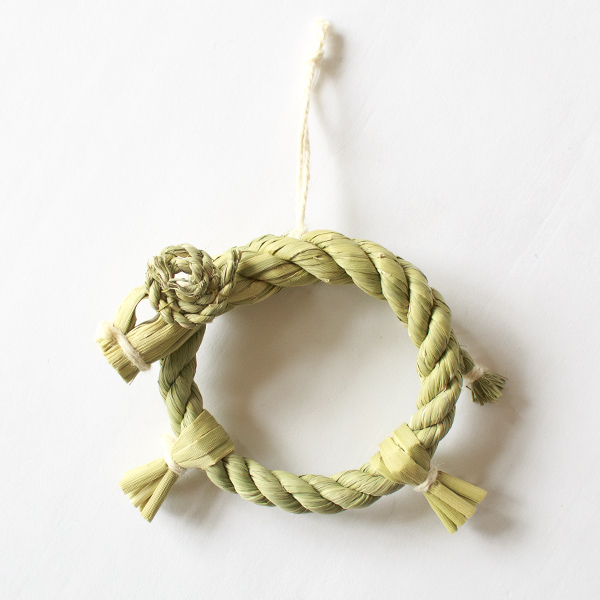
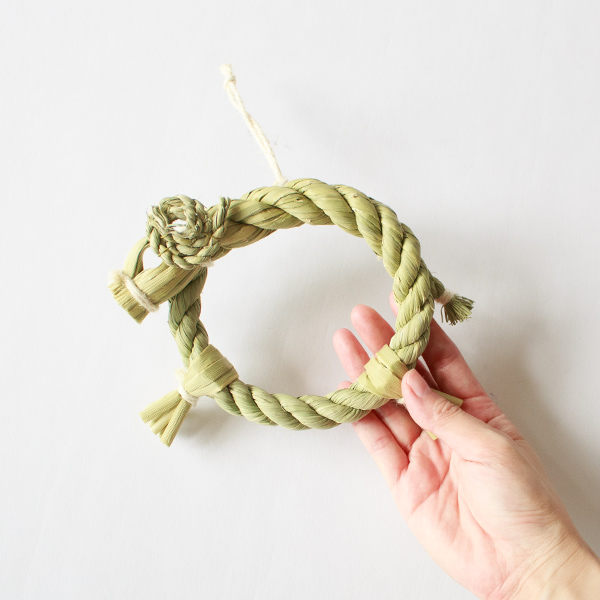
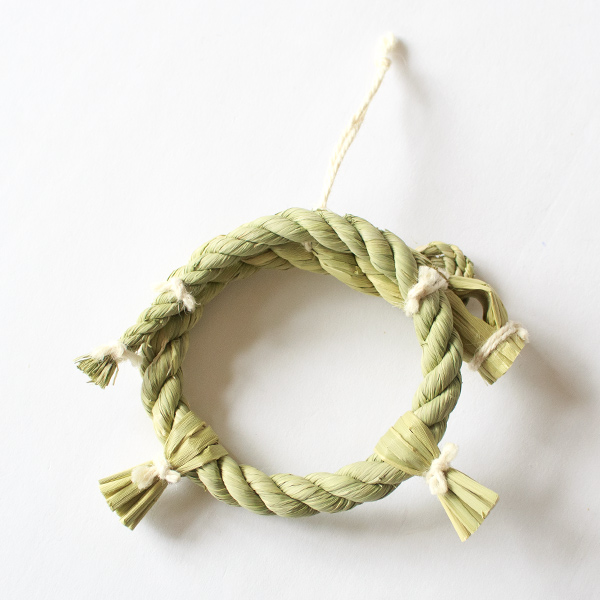
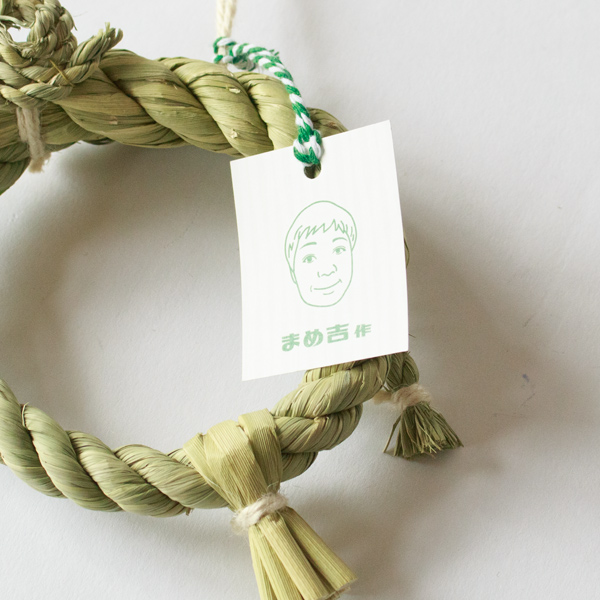
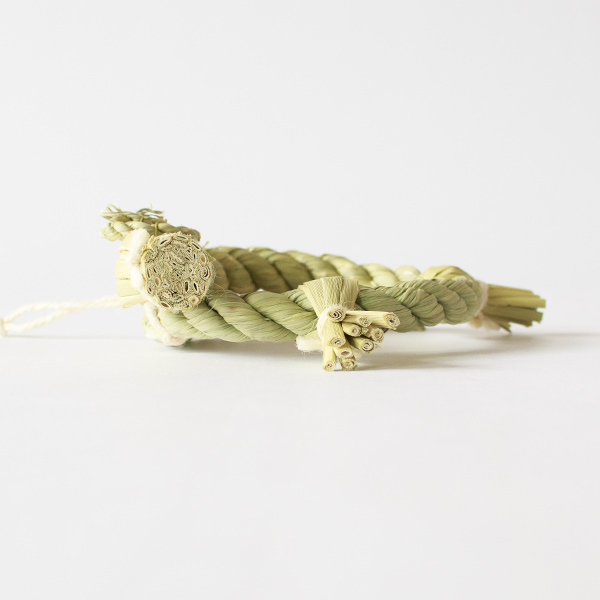
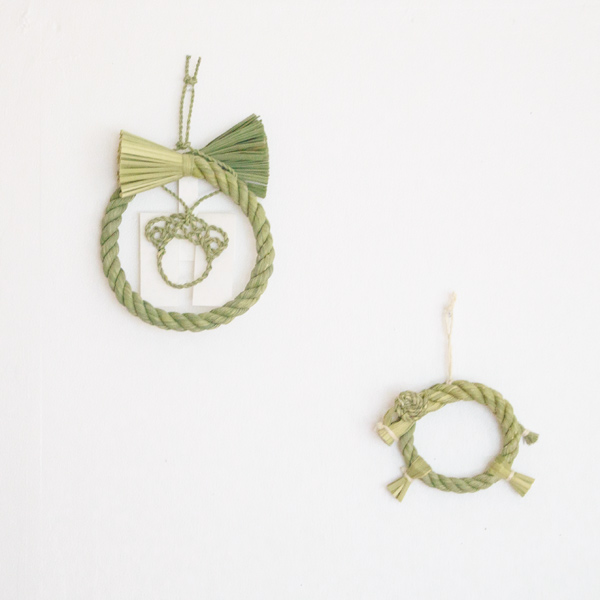
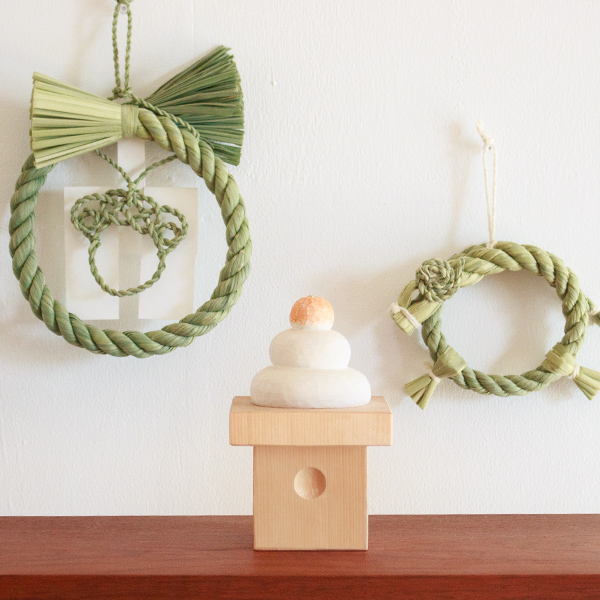
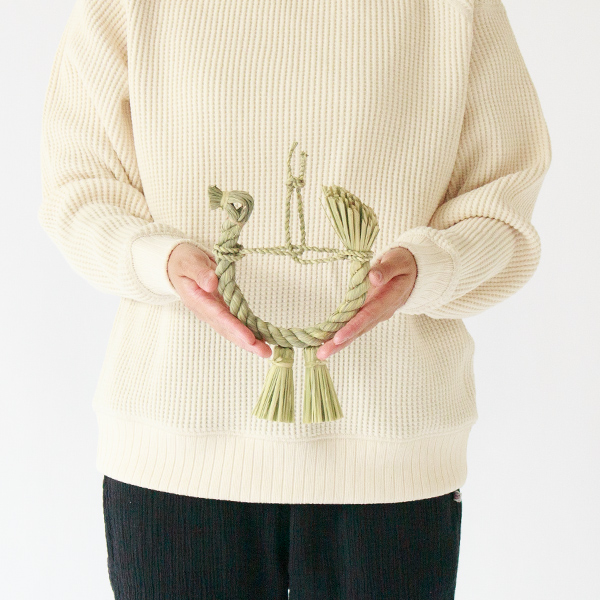
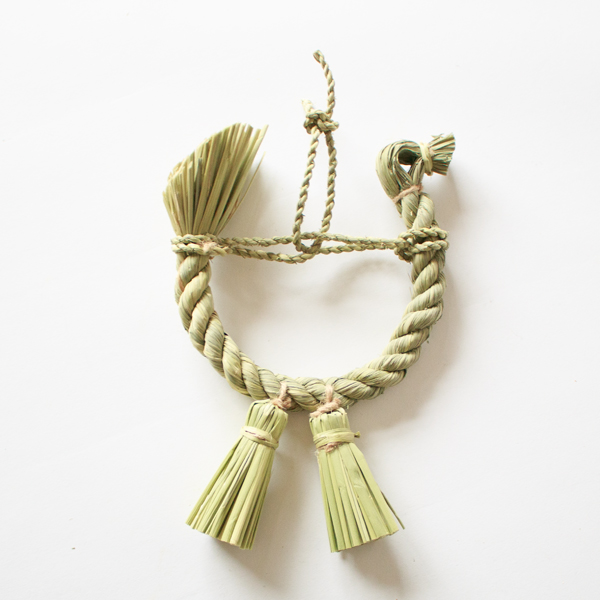
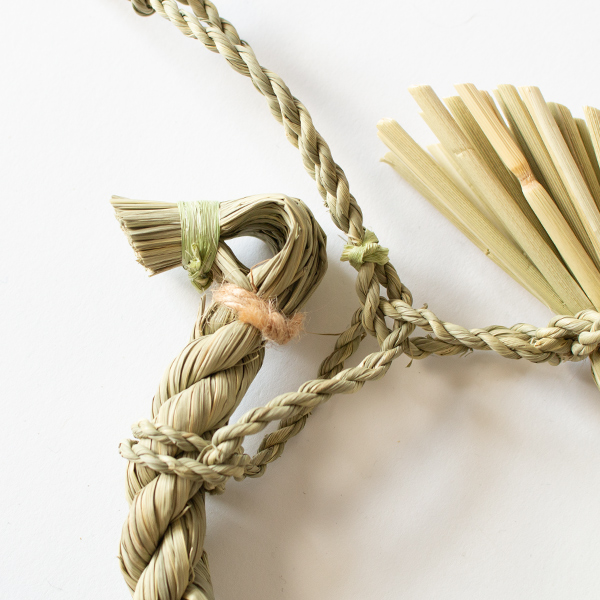
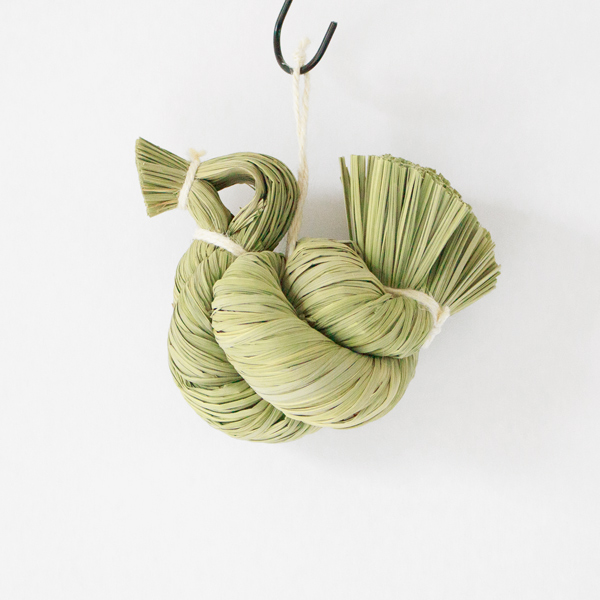
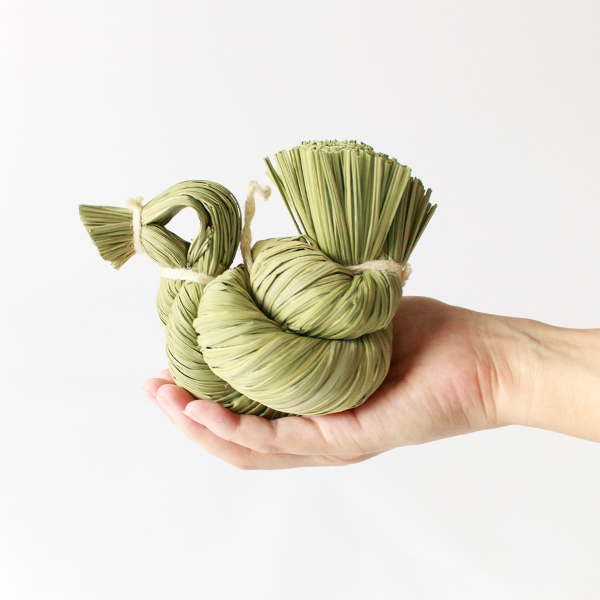
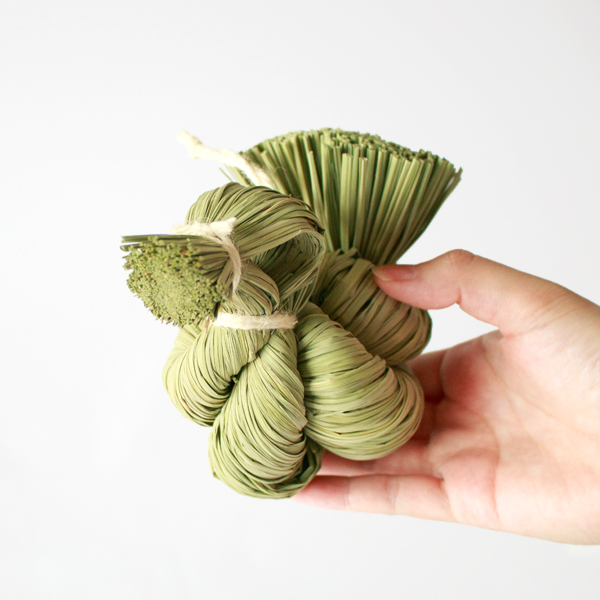
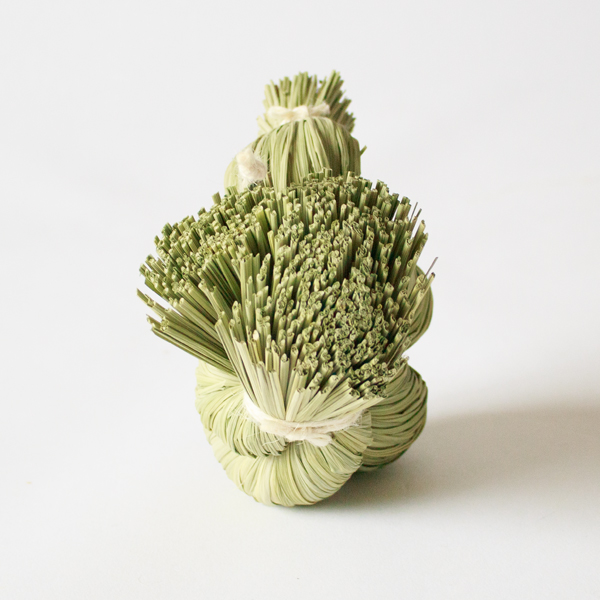
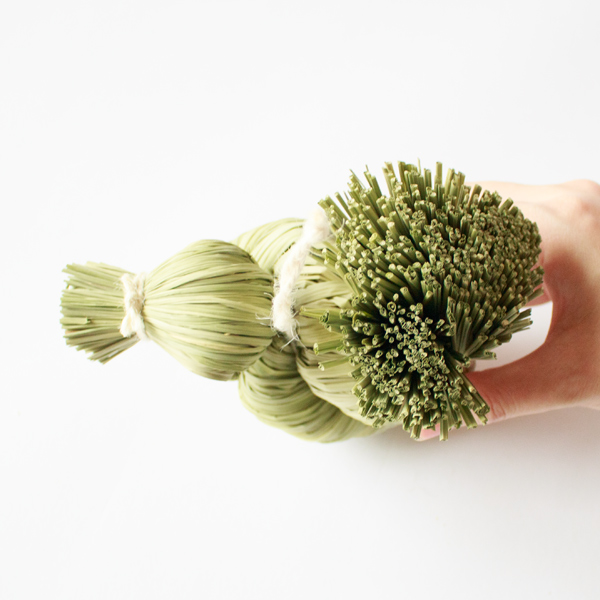
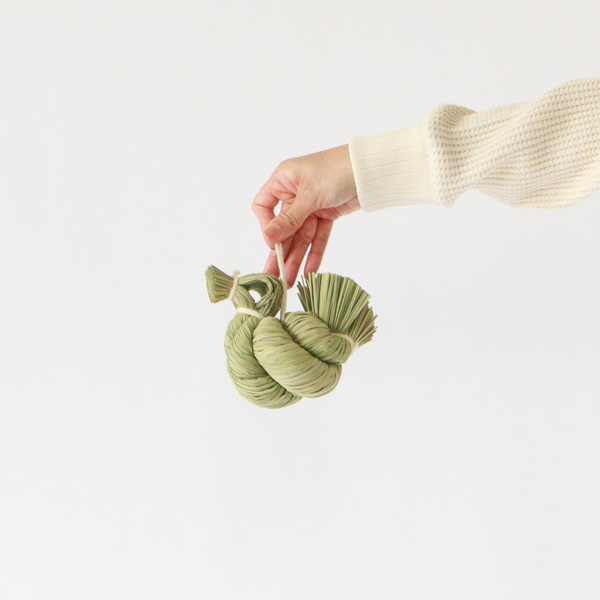
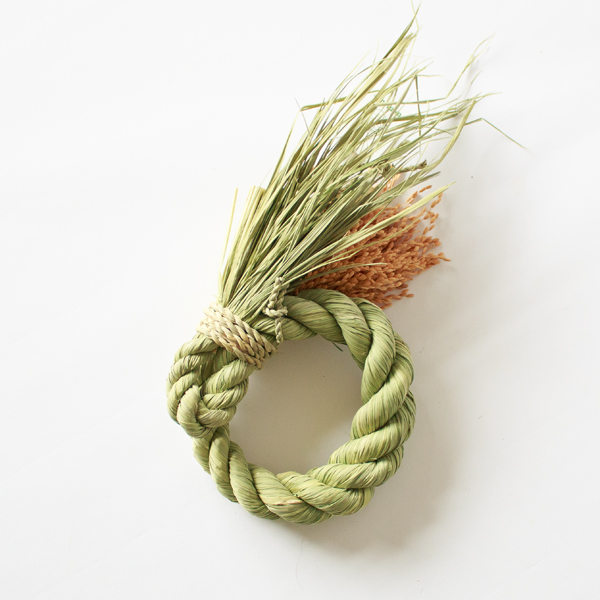
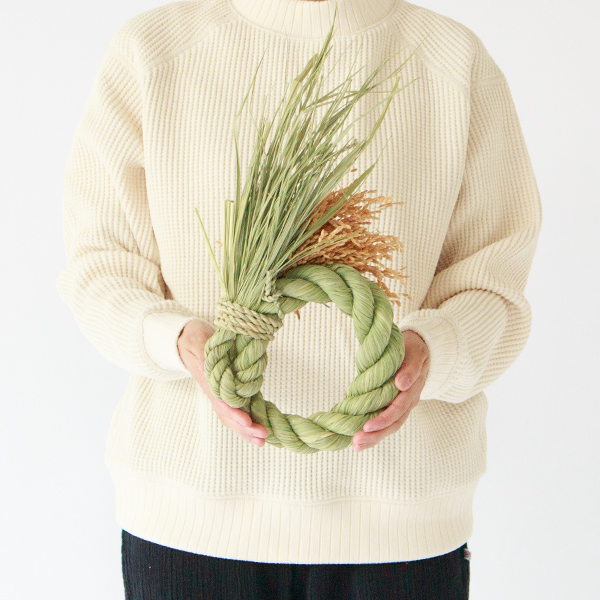
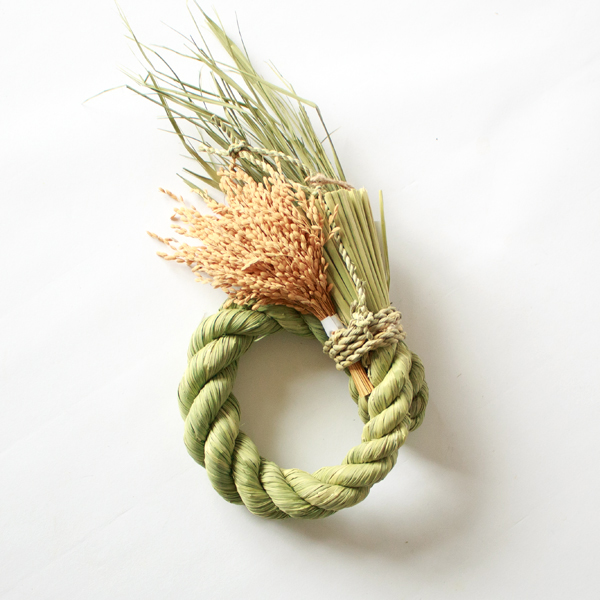
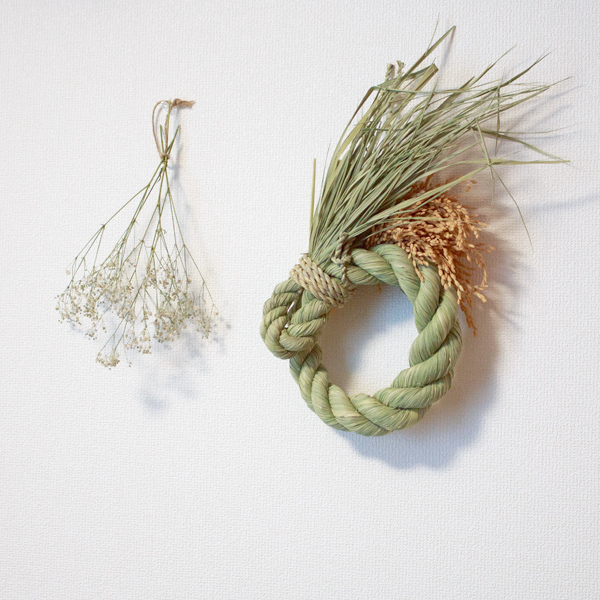
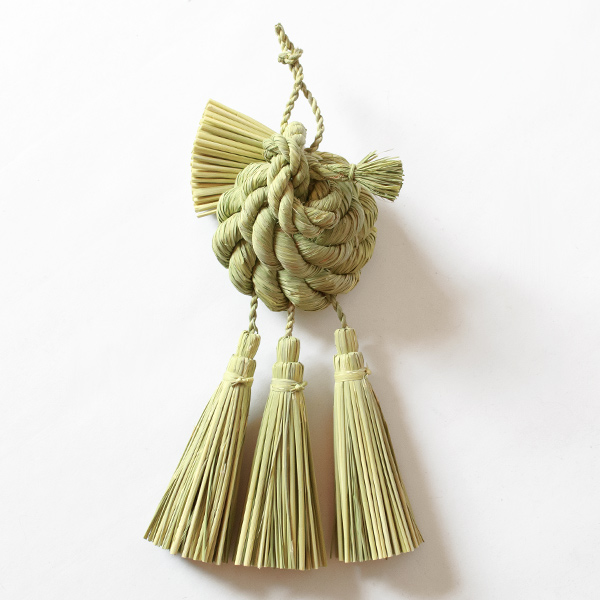
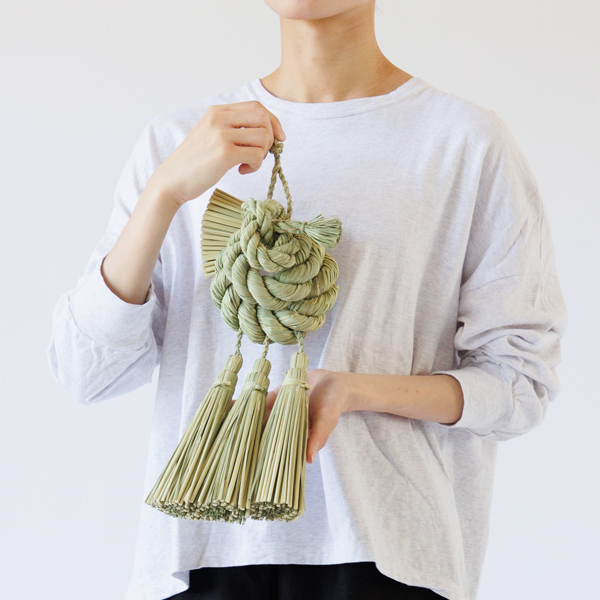
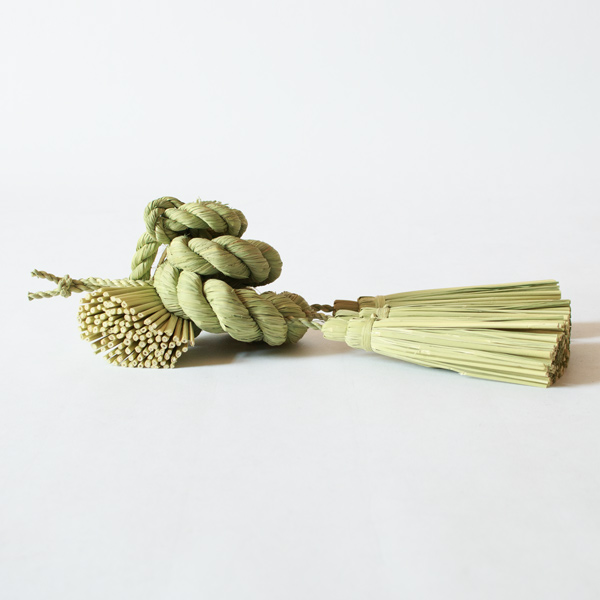
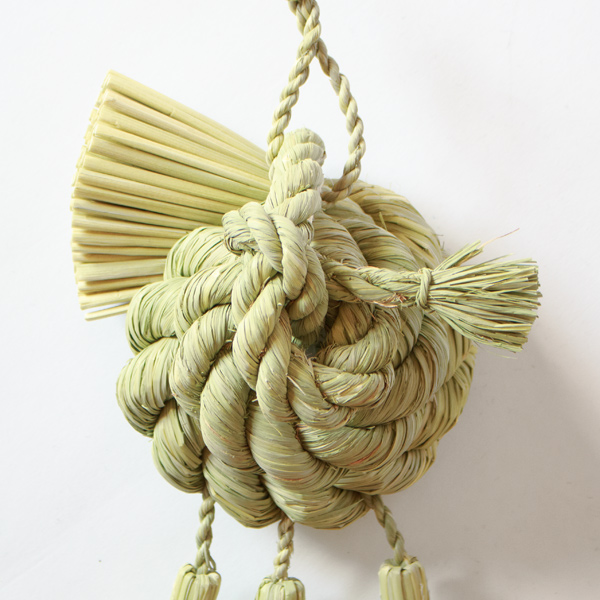
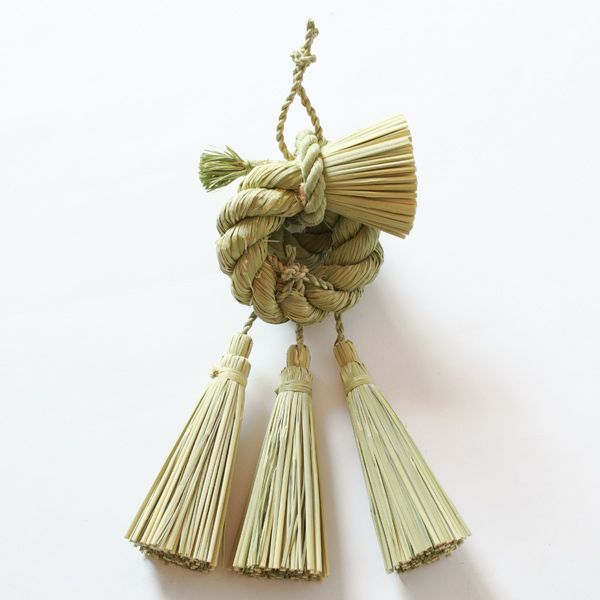
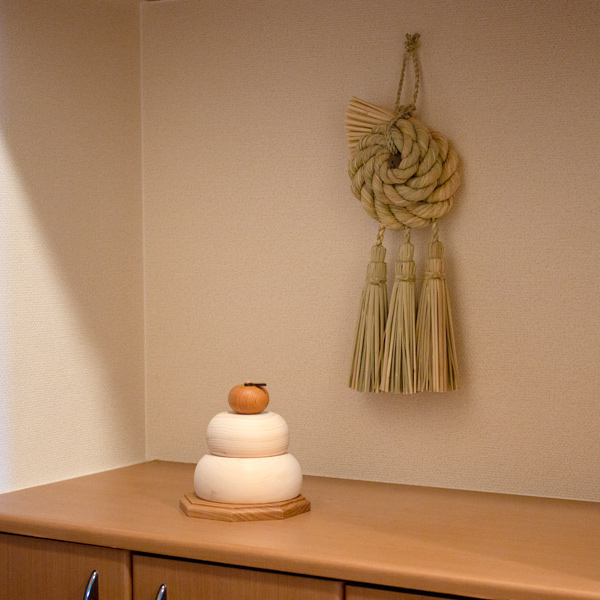
| Size | Eto (Sho): Height 23 x Width 18 (cm)
Eto (Jinmiraisai): Height 8 x Width 11 (cm) Chidori: Height 15 x Width 13 (cm) Enman (S): Height 25 x Width 19 (cm) Shukudori: Height 16 x Width 22 (cm) Meguri Meguru: Height 33 x Width 14 (cm) |
| Weight | Eto (Sho): 80g
Eto (Jinmiraisai): 60g Chidori: 100g Enman (S): 330g Shukudori: 60g Meguri Meguru: 280g |
| Material | Straw |
| Country of origin | Japan |
Feature of product
-
- It is the decoration of the straw which a craftsman handcrafts one by one.
- The main variety of rice straw is "white mochi rice", and 6 types of carefully selected high-quality straw are used.
- Please enjoy the refreshing scent of straw.
Notice
-
- Zodiac (Large, Kanji): Please remove the toothpick to prevent the shape from changing.
- The hawk is not a free-standing item, but a wall-hanging item. If you choose to place it on a stable surface, please place it on top of something stable.
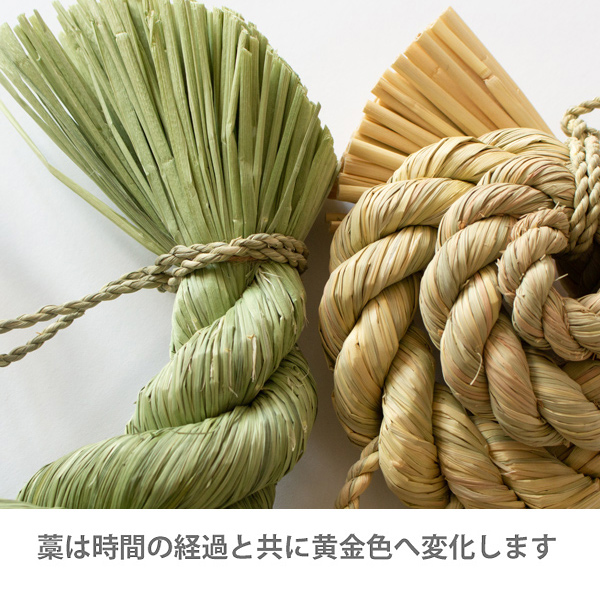
- Made from natural materials, each item will vary in color and texture. The basic color is the golden color of rice straw, but we may deliver a natural green color. Please note that you cannot choose the color. The green color will also change to the golden color of rice straw over time.
- As each item is handmade by a craftsman, there may be individual differences in shape and size. Enjoy the warmth of handmade items.
- When storing, store in a dry, well-ventilated place and be careful not to put it in a sealed container such as a plastic bag such as an OPP bag.
送料について
- ◇こちらの商品はメルマガ会員様の送料無料特典対象外商品となります。11,000円(税込)以下のご注文は、別途送料をいただいておりますことをご了承くださいませ。
About This Order Event
-
Order period: Until 12:00 noon on Friday, July 24
Estimated delivery: Mid-December
Because these pieces are carefully handmade and production must be limited to protect the artisan's health and workload, quantities are limited. Please note that we may be unable to fulfill all orders depending on demand. *If your order is cancelled, we will contact you in early September.
Please choose one of the following payment methods: credit card, Amazon Pay, carrier billing, or PayPay.
Except in the case of defective items, we are unable to accept cancellations, returns, or exchanges after the order event ends.
Payment will be finalized after the order event ends. Please note that we will not send a separate notification when payment is finalized.
Items from this order event cannot be combined in the same order with items other than the "Wood-Carved Kagami Mochi," which is running at the same time. Please place a separate order for other items. Also, delivery date requests cannot be accommodated.
Depending on stock availability, orders may be subject to cancellation. Thank you for your understanding.
よみもの|しめ飾りの受注会|2027年の迎春のしつらえに、今年もわらむのしめ飾りが揃いました。
ブランド紹介

Waramu
Straw work is said to be Japan's oldest traditional craft. On the other hand, there are currently about 50 straw artisans in Japan, most of whom are in their 90s. The founder believes that without straw weavers, shrine shimenawa, New Year's decorations, and sumo wrestling ceremonial balls cannot be made, and many traditional Japanese cultures cannot survive. As well as becoming a craftsman himself, he is also focusing on training young craftsmen. At present, he has even been commissioned to create sumo ring rings and shimenawa ropes for Kasuga Taisha Shrine, and has become a driving force behind the future of straw crafts.


| 商品 | 価格(税込) | 在庫 | 個数 | |
|---|---|---|---|---|


|
¥5,390(税込) |
◯
|
||

|
¥4,840(税込) |
◯
|
||

|
¥4,400(税込) |
◯
|
||

|
¥6,050(税込) |
◯
|
||

|
¥4,400(税込) |
◯
|
||

|
¥7,150(税込) |
◯
|
 ペーパー
ペーパー
ラッピング リネン
リネン
ラッピング 熨斗
熨斗 メッセージ
メッセージ
カード 海外発送
海外発送 ZUTTO-
eギフト
お気に入りに追加されました
Added to cart

【受発注】しめ飾り ※12月中旬発送予定を見た人はこんなアイテムも見ています
-
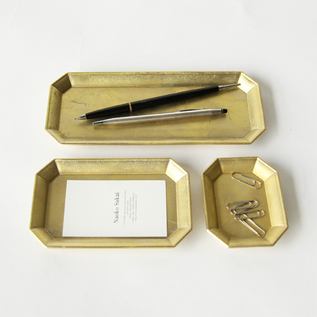
FUTAGAMI
JAPAN DELIVERY ONLY Stationery tray¥3,960〜(税込)
-
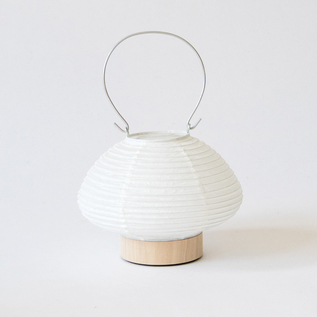
Fores(フォレス)
Lamp Oval¥6,050(税込)
-
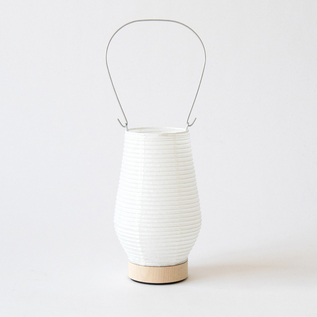
Fores(フォレス)
Lamp Tall¥6,050(税込)
-
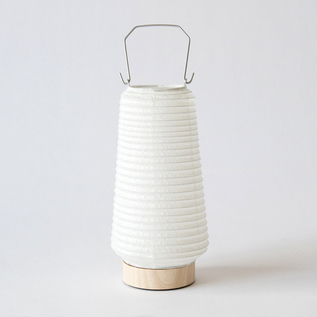
Fores(フォレス)
Lamp Pincushion¥6,050(税込)
-
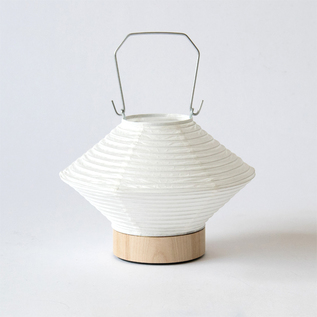
Fores(フォレス)
Lamp Diamond¥6,050(税込)
-
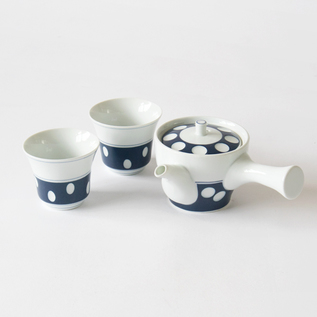
SOESENPOTTERY
POLKA DOT EARTHENWARE TEAPOT¥8,800(税込)
-
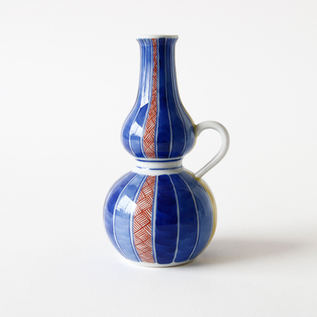
KUTANI CHOEMON
KUTANI SAKE SERVING VESSEL STRIPE¥18,700(税込)
-
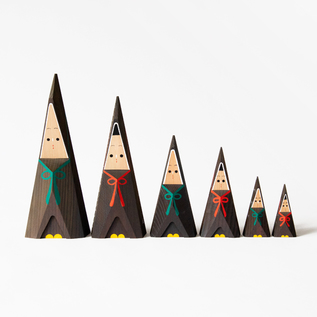
ODATE KOUGEISHA
OSUGI WARABE SET¥10,010〜(税込)
-
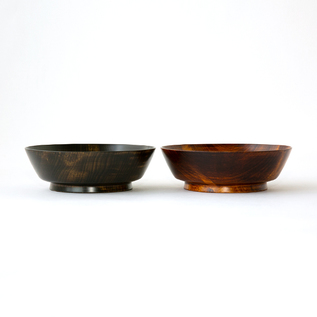
ROKUROSHA
SOBA BOWL¥16,500(税込)
-
ROKUROSHA
BASE 01 RICE BOWL¥6,600〜(税込)
-
ZUTTO's Japanese bamboo crafts
MADAKE BRACKEN BASKET¥13,200(税込)
-
RISO
NAMASU PLATE¥5,500〜(税込)
-
ZUTTO's Japanese bamboo crafts
MADAKE SOBA ZARU¥9,900(税込)
-

TAKADA
BODY TAWASHI SET¥6,820(税込)
GUIDE »
CATEGORIES »
- + Gifts by recipient
- + Gifts by scene
- + Clothing
- + Bags / Backpacks
- + Wallets / Card cases
- + Jewelry
- + Shoes
- + Rainy day outfits
- + Kitchen
- + Home
- + Babies / Kids
- + Japanese products
Earn Miles


Payment & Security