





















.jpg)










































.jpg)

.jpg)
.jpg)













- トップページ/
- Japanese products/
- Home essentials/
- CAT HOUSE
 Waramu
CAT HOUSE
Lovely cat house
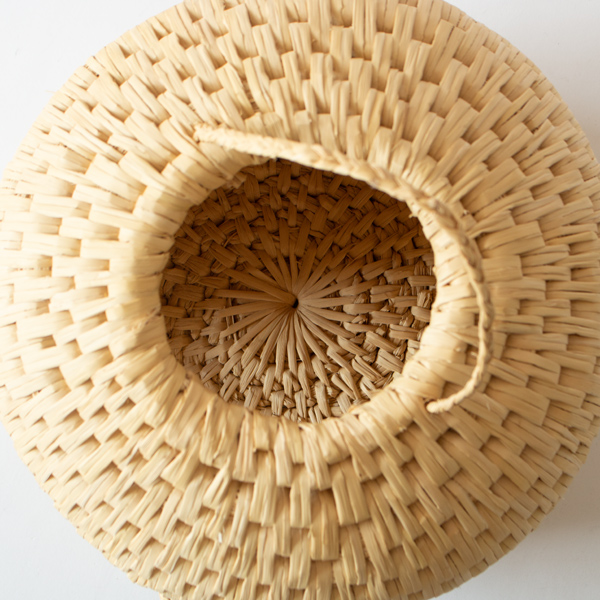
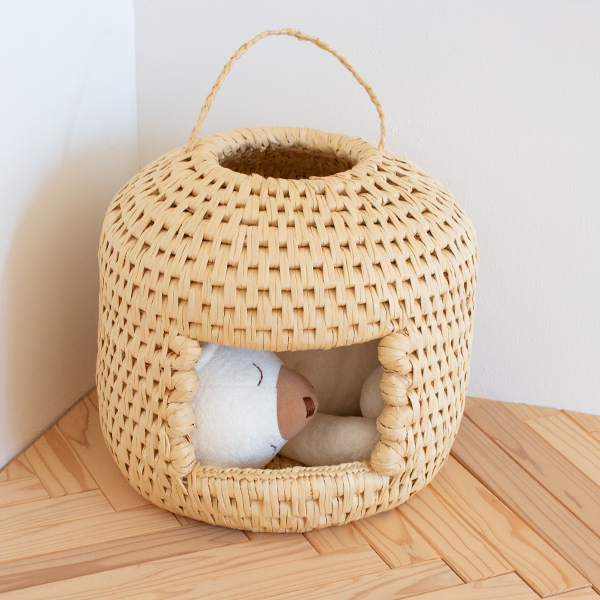
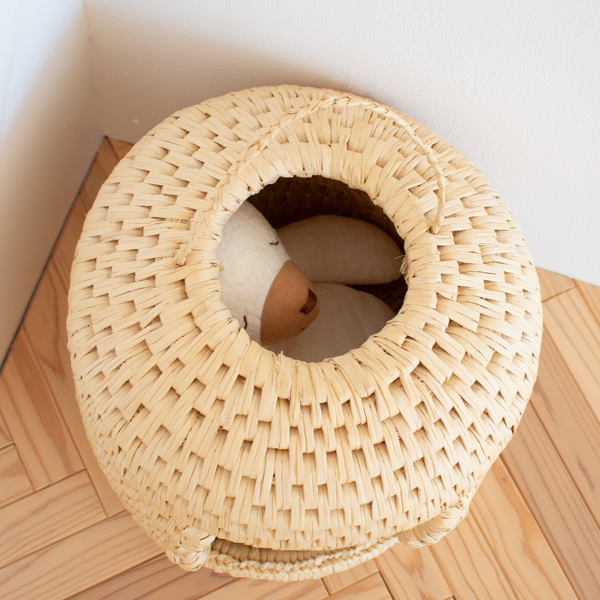
Nekotsugura, a cat house made of straw. Carefully crafted by craftsmen in Nagano so that it can be used for 20 years, the same as a cat's lifespan. Cats love the cozy space that resembles a kamakura. There are windows on the sides and ceiling for cats, and it is also a shape that pursues the comfort of cats with good ventilation even when sleeping inside.
Comfort for cats
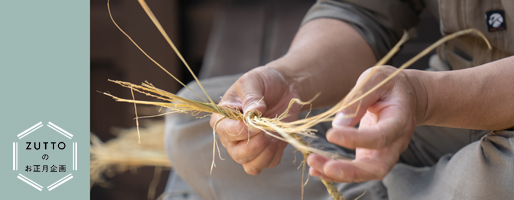
Nekotsugura, also known as Nekochigura, is a folk craft of snowy regions such as Nagano and Niigata. The straw used for the material has excellent breathability, heat retention, and cushioning properties, making it the perfect material for cats to curl up and sleep. This cat tsugura is made from the white mochi straw used in sumo wrestling rings. Straw is a rare ancient rice cultivated only in Inadani, Nagano Prefecture. Every year, he selects high-quality rice straws one by one from a large amount of rice straw, and those that need freshness are stored immediately, and those that require flexibility are stored and woven after two to three years. Skill is required to beautifully complete a three-dimensional object like a cat's tsugura, and each piece is created with time and effort.
The natural scent of straw and the narrowness that follows the curled shape make it ideal for a cat bed. The appearance of the face peeking out of the window is adorable, and the appearance is also charming. The craftsmanship can be seen from the weave of the straw, and it is a handmade cat tsugura that warms your heart just by placing it.
Breathable straw is comfortable in the summer and warm in the winter. Thanks to the cat window, the straw does not get trapped in moisture, which prevents the straw from deteriorating and makes it last longer.
History of Straw Work
Straw work is said to be Japan's oldest traditional craft. Straw, which is made by drying the stalks that remain after rice has been harvested and harvested, has long been an integral part of Japanese life. They are used in a wide variety of ways, from tools used in daily life to tools used in religious and ceremonial occasions, toys, and crafts, and are indispensable materials in shaping Japanese culture. It used to be a source of income during the seasons when farm work was not possible in areas where rice cultivation was thriving, but now, due to the mechanization of rice cultivation, it is common to cut the straw at the time of harvest and make it into compost. As a result, it is difficult to obtain long straws for straw work. Partly because the training of craftsmen has hardly progressed, the number of craftsmen continues to decrease year by year, and it is one of the traditional crafts that needs new bearers.
Waram, the future of straw
Waram's brand story begins when the founder, Mr. Sakai, moved to Iijima Town in Nagano Prefecture. Since Iijima-machi was known as a rice-producing area, also known as "Meshi-no-shima," Mr. Sakai planned an event called the Rice Bale Marathon, in which he used bales of rice in the town. I am facing a situation where it is difficult to enter. He found a craftsman himself and learned how to make it. While being taught how to make straw bales, I learned about the decline of the straw craft culture due to the decrease in the number of farmers. In fact, there are currently about 50 straw artisans in Japan, most of whom are in their 90s. “Without straw weavers, we would not be able to make shimenawa for shrines, new year’s decorations, or sumo wrestling ceremonial balls, and many traditional Japanese cultures would cease to exist. Rice is the soul food of the Japanese people. As you can see, rice straw plays a central role in Japan's traditional culture.” With that in mind, Mr. Sakai launched a full-fledged straw craft company and started his own business. As well as becoming a craftsman, we are also focusing on training young craftsmen. At present, he has even been commissioned to create sumo ring rings and shimenawa ropes for Kasuga Taisha Shrine, and has become a driving force behind the future of straw crafts.
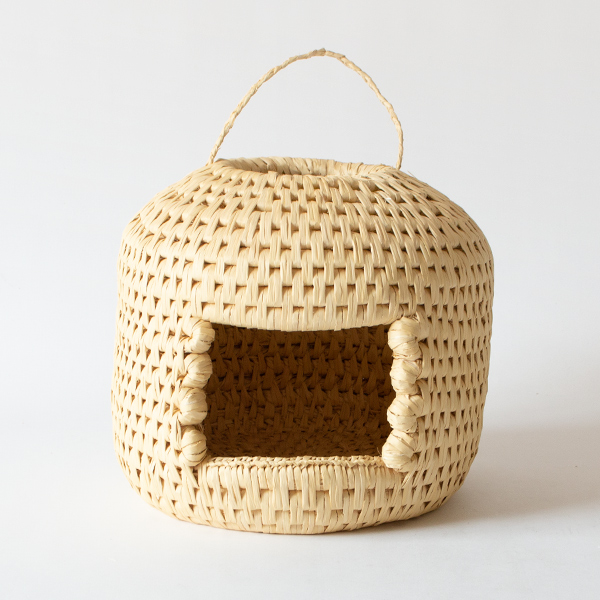

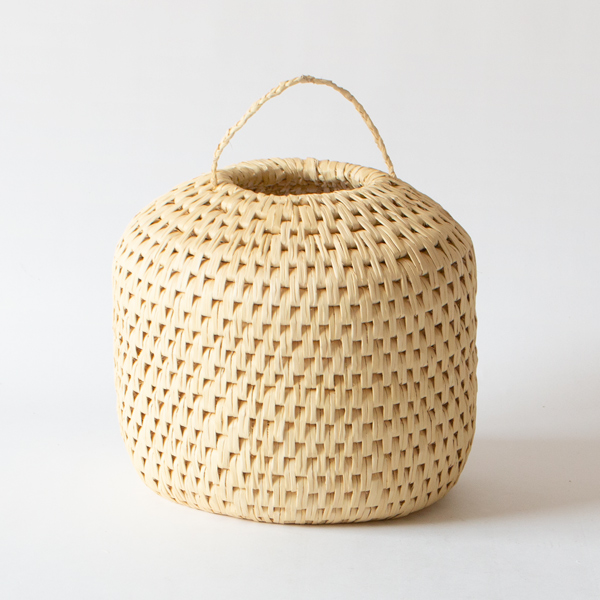
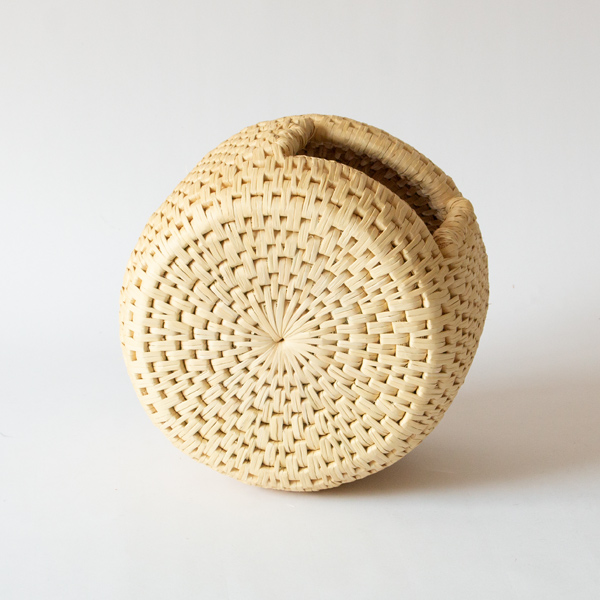
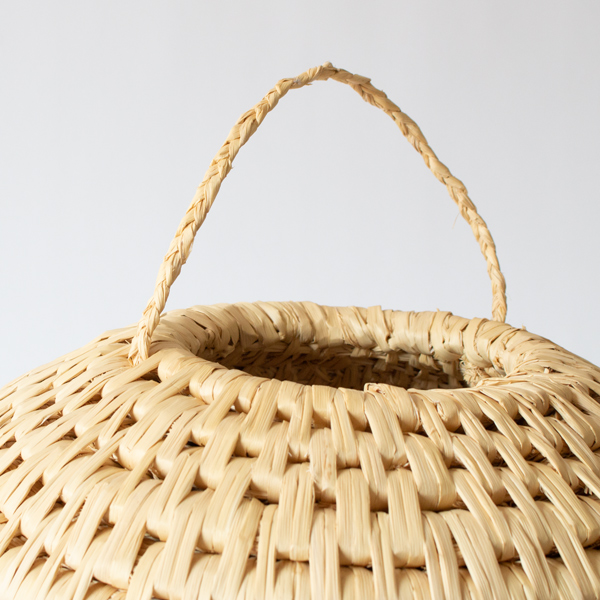
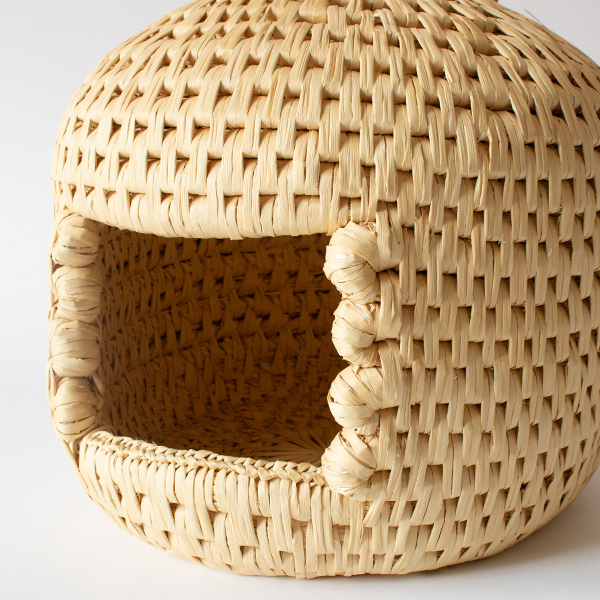

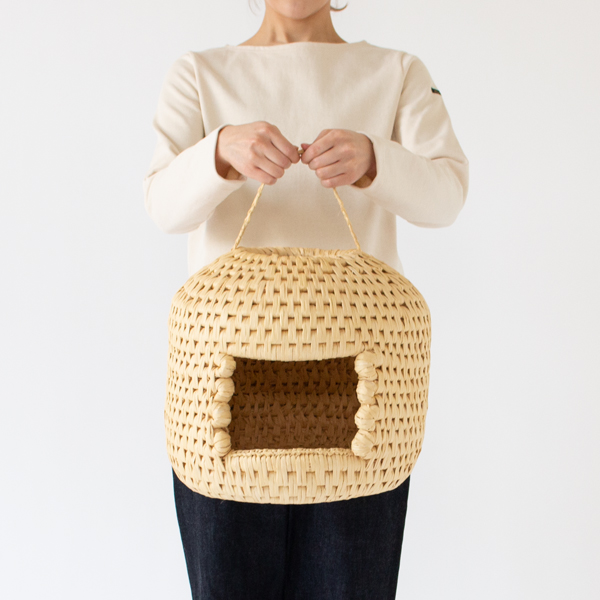
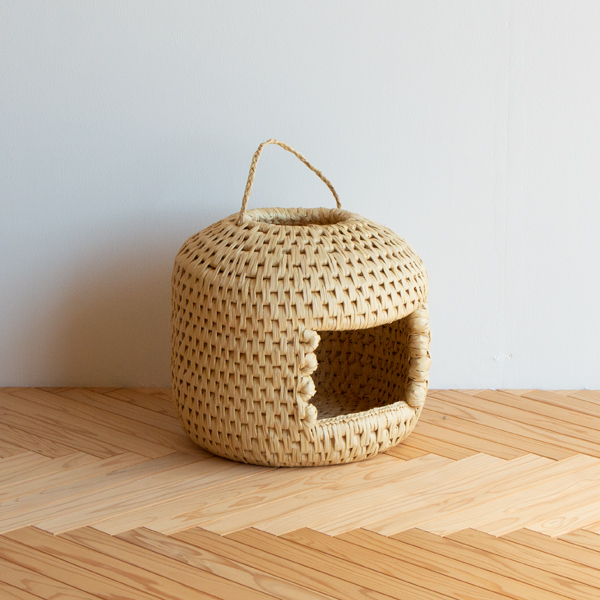


| Size | Body: diameter 36 x height 30.5 (cm)
Upper window: 13 cm in diameter Side window: width 16.5 x height 11.5 (cm) Diameter 29 x height 27 (cm) |
| Weight | 2920g |
| Material | Straw |
| Country of origin | Japan |
Feature of product
-
- It is a straw house for a cat that is handmade by a craftsman.
- The variety of rice straw is mainly made using "white mochi rice".
- Enjoy the refreshing scent of straw.
Notice
-
- Using natural materials, the color and texture are different one by one. The natural green color gradually changes to rice straw color over time.
- Because it is handmade by craftsmen, there are individual differences in shape and size. Please enjoy the warmth of handwork.
- When storing, store in a dry and well-ventilated place, and be careful not to put it in a sealed object such as a plastic bag such as an OPP bag.
About the order meeting
-
・ Order period: 8/16 (Wednesday) to 8/30 (Wednesday)
・Delivery: Scheduled to be shipped sequentially from late November
▼ Please be sure to check the following in advance.
- If you order more than planned, it may take longer to deliver, but in that case we will contact you separately.
- Except for defective products, we do not accept cancellations or product returns or exchanges after the order reception is over.
- Please select one of [Credit card, Amazon Pay, Carrier payment] as the payment method.
- Please note that if you select [Cash on Delivery], it will be canceled.
- For convenience of payment, payment may be confirmed before shipping. Please note that.
- Items for this order reception cannot be combined with other items. We apologize for the inconvenience, but please order separately. Also, you cannot specify the delivery date.
- It may be canceled depending on the stock status. Thank you for your understanding.
よみもの:【受注会】2024年の年明けを迎える。わらむの正月飾り/しめ飾りオーダー会。
ブランド紹介

Waramu
Straw work is said to be Japan's oldest traditional craft. On the other hand, there are currently about 50 straw artisans in Japan, most of whom are in their 90s. The founder believes that without straw weavers, shrine shimenawa, New Year's decorations, and sumo wrestling ceremonial balls cannot be made, and many traditional Japanese cultures cannot survive. As well as becoming a craftsman himself, he is also focusing on training young craftsmen. At present, he has even been commissioned to create sumo ring rings and shimenawa ropes for Kasuga Taisha Shrine, and has become a driving force behind the future of straw crafts.


| 商品 | 価格(税込) | 在庫 | 個数 | |
|---|---|---|---|---|

CAT HOUSE(35CM) 送料無料対象商品(一部地域除く) |
¥69,300(税込) |
✕
|
Withdrawn |
 ペーパー
ペーパー
ラッピング リネン
リネン
ラッピング 熨斗
熨斗 メッセージ
メッセージ
カード 海外発送
海外発送 ZUTTO-
eギフト
お気に入りに追加されました

Added to cart

【受発注】猫つぐらを見た人はこんなアイテムも見ています
-

REDECKER(レデッカー)
Duster Horse Hair 60cm¥17,417(税込)
-
JOBU(ジョーブ)
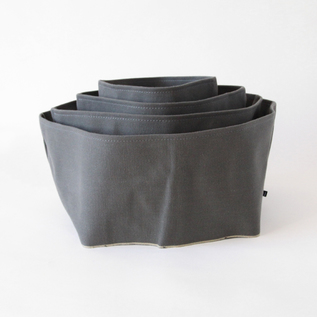
KURASHIKI CANVAS CONTAINER INK BLACK¥3,300〜(税込)
-
TAPIR(タピール)
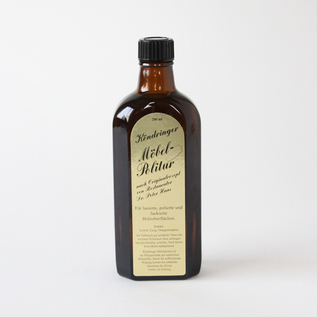
Kindringer Mobel Politur-Oil for wooden items¥2,970(税込)
-

TAKADA
COMPACT BROOM AND DUSTPAN SET¥8,800(税込)
-

TAKADA
KITCHEN SET 3¥6,050(税込)
GUIDE »
CATEGORIES »
- + Gifts by recipient
- + Gifts by scene
- + Clothing
- + Bags / Backpacks
- + Wallets / Card cases
- + Jewelry
- + Shoes
- + Rainy day outfits
- + Kitchen
- + Home
- + Babies / Kids
- + Japanese products
Earn Miles


Payment & Security