




.jpg)






.jpg)

.jpg)
.jpg)


- トップページ/
- Gifts by scene/
- Housewarming/
- Flower Bud Glass
 Hirotagalass
Flower Bud Glass
Elegant Glass
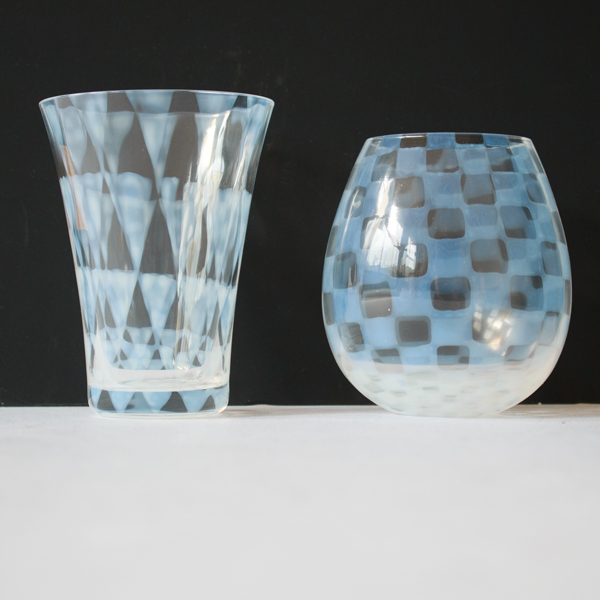
A glass that captures the gentle unfurling of a bud, just before it blooms. This is a glass from the "Taisho Romantic Glass Series," a revival of the once-lost milky glass by Hirota Glass, a long-established glass manufacturer in Tokyo. While maintaining the same shape, each piece offers a unique expression through variations in material, technique, and color.
Hirota Glass is one of the oldest inheritors of Edo glass, the milky glass technique, and Edo kiriko, with a legacy that spans over a century of craftsmanship. Behind each glass lies a history of over 100 years of dedication to the art of glassmaking.
The enveloping shape enhances the aroma
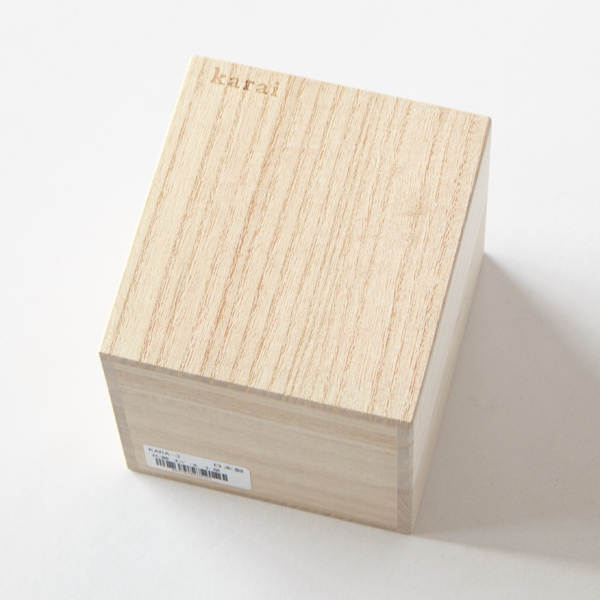
With a gently rounded form reminiscent of a wine glass, this piece allows the aroma of your drink to waft beautifully within. It pairs well with whiskey, chilled tea, and sake, allowing you to enjoy fragrant moments by pouring a modest amount and tilting it slowly. When filled with crushed ice and fruits, the rounded silhouette transforms into an adorable cocktail glass. Packaged in a paulownia wood box, it makes a perfect gift.
The glass used in this piece is created using the "milky glass" technique that flourished during the Meiji and Taisho periods. Although this technique was popular in the past, it is now primarily found in antique shops, making this a rare product that utilizes a technique that is hardly circulated today.
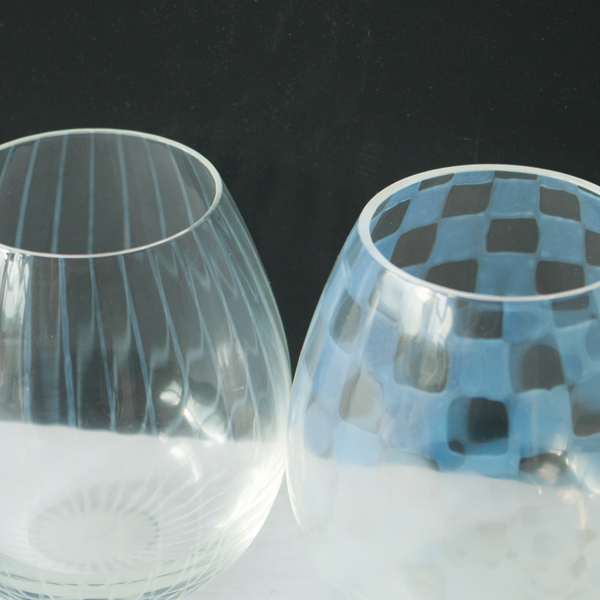
To achieve this milky color, special materials are first added to the glass, and a sudden temperature change is applied to bring out the milky patterns. Bone ash glass is blown into a textured mold, cooled, and then reheated for shaping. Each step in the process influences the appearance of the patterns, and it is said that the artisan's temperature control can affect the coloration within a mere 0.1mm, requiring a high level of skill. The incorporation of traditional Japanese patterns such as ichimatsu, tokkatsu, and polka dots into the glass is a unique design feature of Hirota Glass.
Tokyo's oldest glass manufacturer preserving artisan craftsmanship
Hirota Glass began in 1899 with the establishment of Hirota Kinta Shoten, a wholesale glassware business in Sumida, Tokyo. It was born during the Meiji and Taisho periods when glass manufacturing from Europe fused with Japanese aesthetic sensibilities, leading to the blossoming of unique glass crafts. Although the factory was completely destroyed in the Great Kanto Earthquake, it was rebuilt, and the second generation led the Tokyo glass industry as the chairman of the Tokyo Glass Products Cooperative. Even as mass production by machines became mainstream after the war, Hirota Glass remained committed to artisan craftsmanship.
A significant turning point came in the 1980s when the third generation felt a sense of crisis as the milky glass technique that had once captivated the Taisho era was on the verge of disappearing from Japan. The technique of bringing patterns to life through sudden temperature changes using bone ash as a material was difficult to replicate and had become something only seen in antique shops. After much trial and error, the "Taisho Romantic Glass Series" was born. Today, the fourth generation continues the philosophy of "creating something unique to Sumida, Tokyo," opening the Sumida Japanese Glass Museum in 2017. The brand has received numerous awards and has provided cocktail glasses to luxury hotels, further establishing its reputation as an artisan brand.
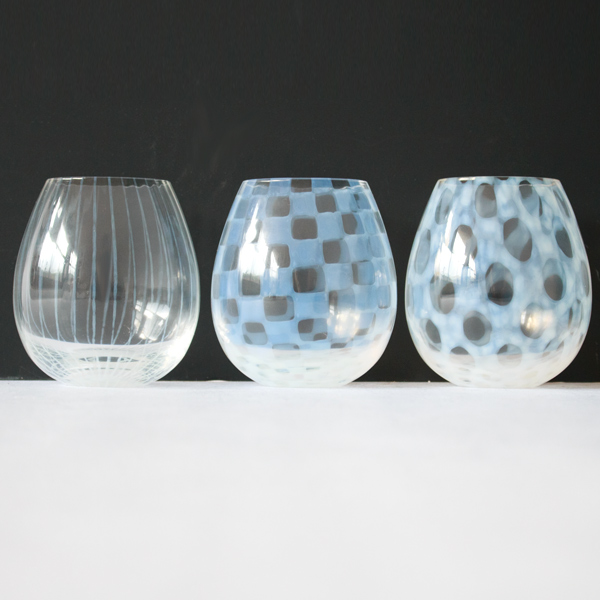
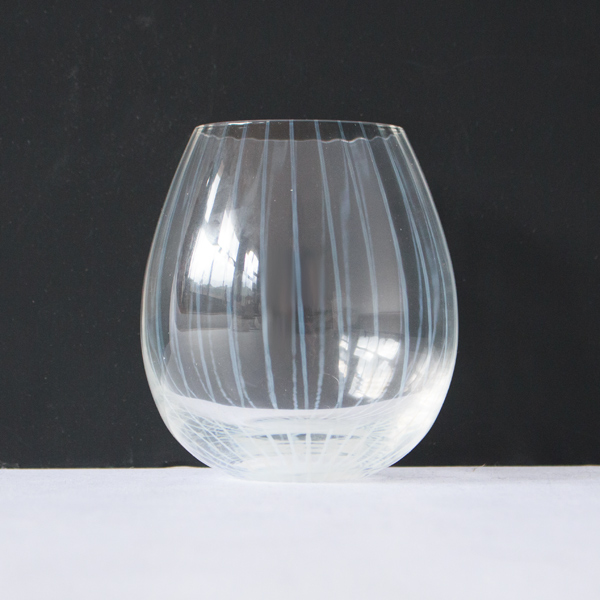
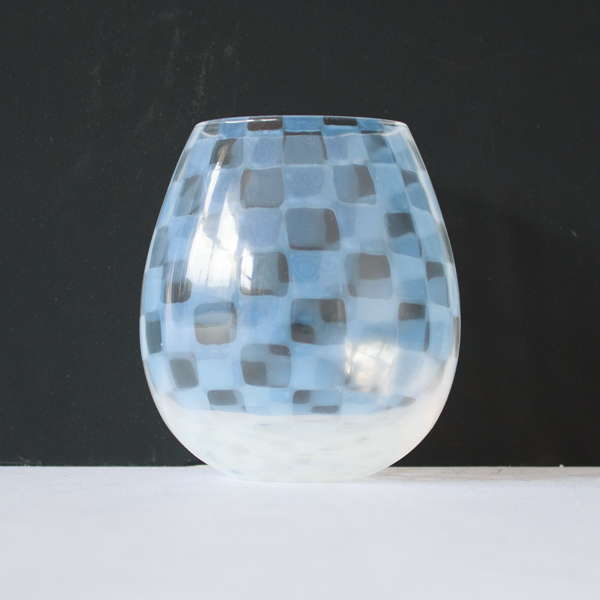
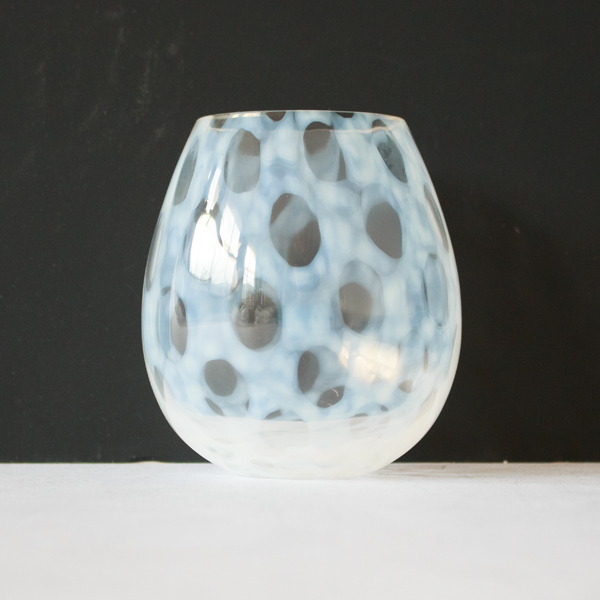
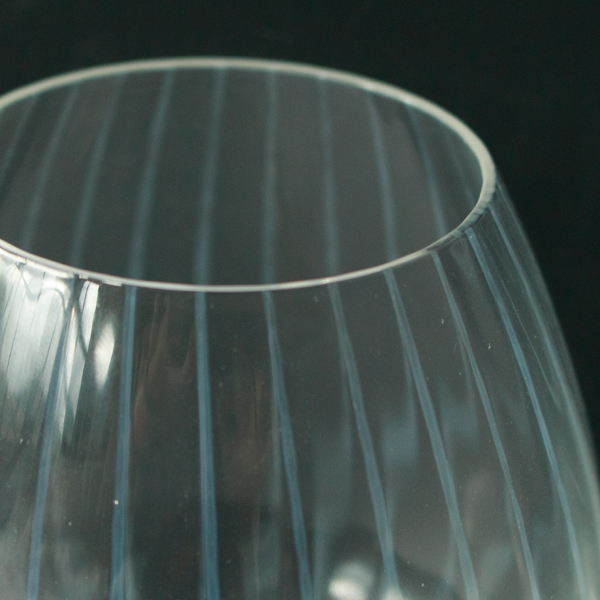
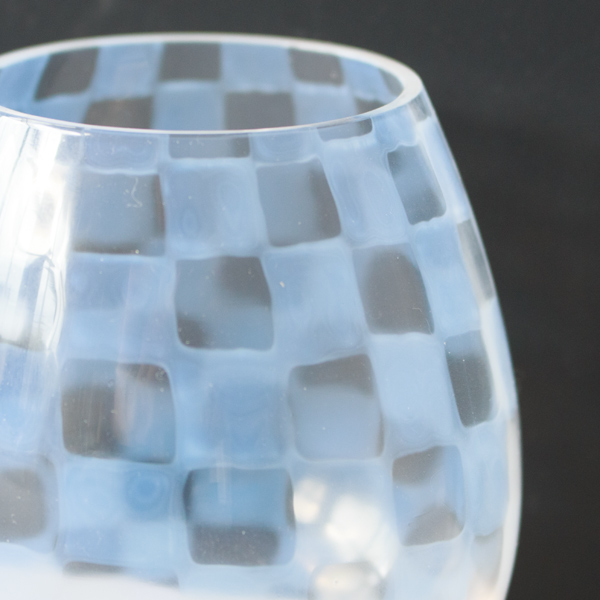
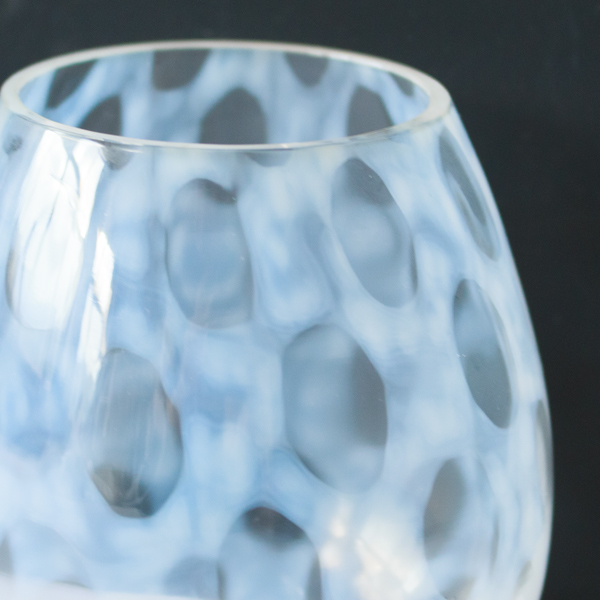
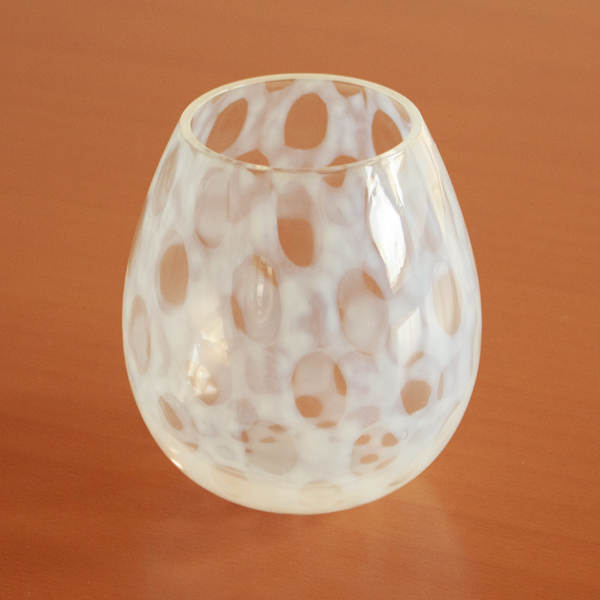
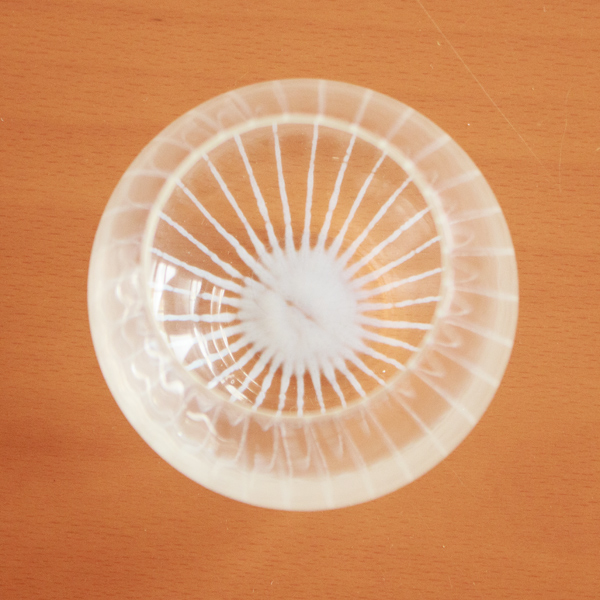
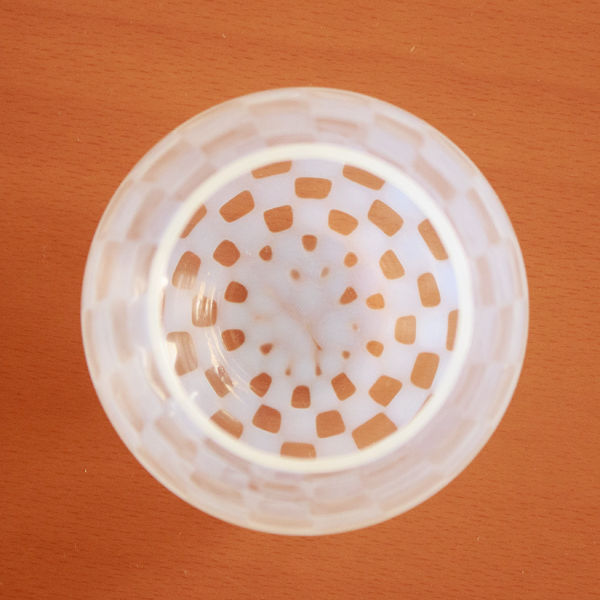
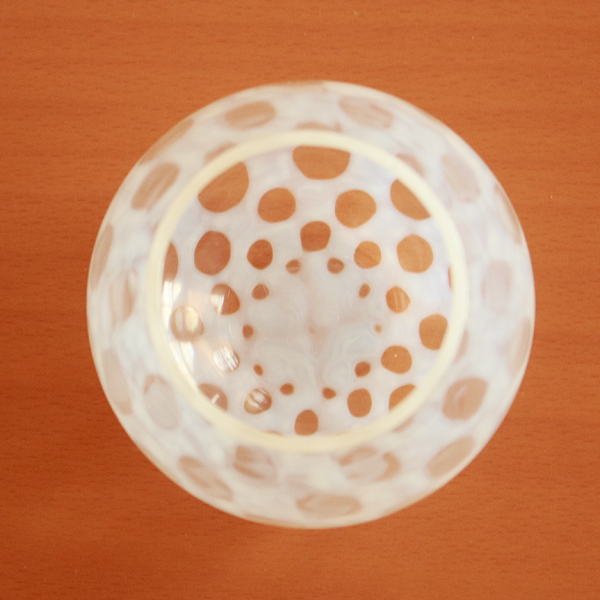
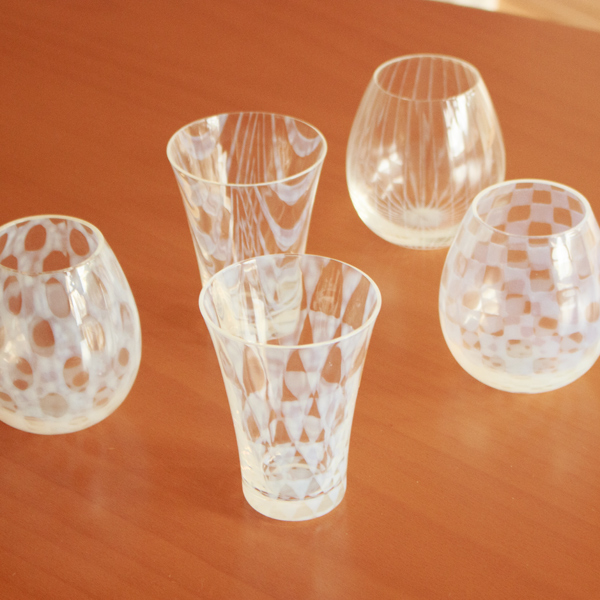
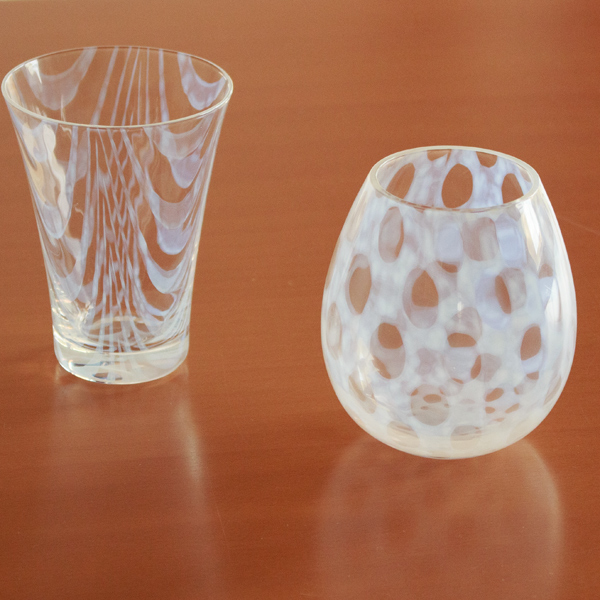
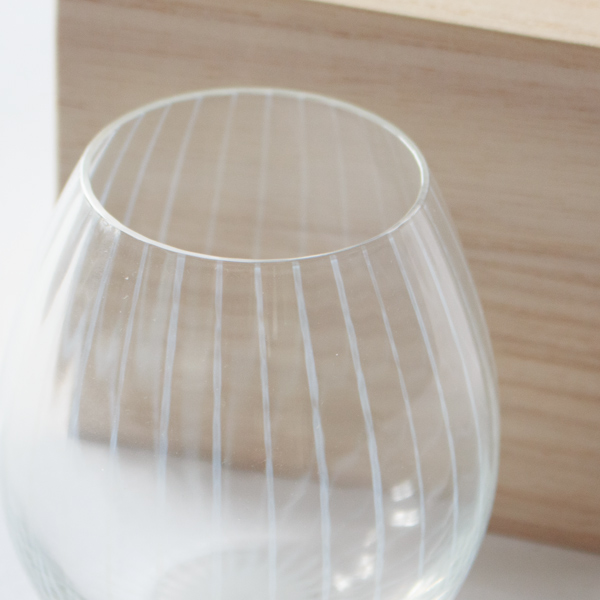
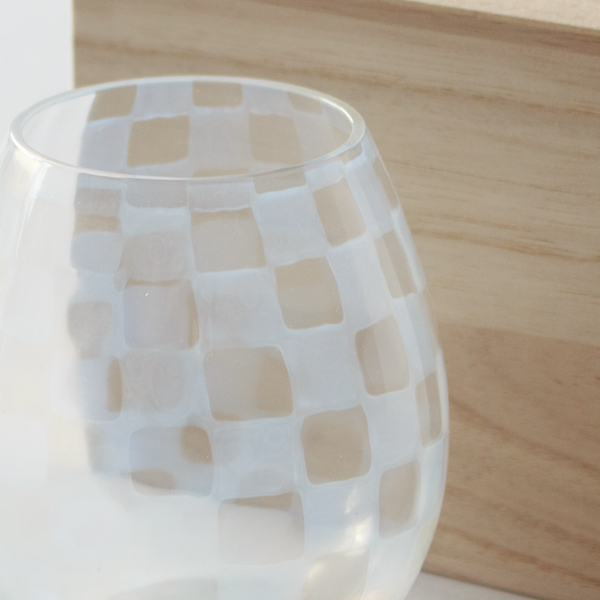
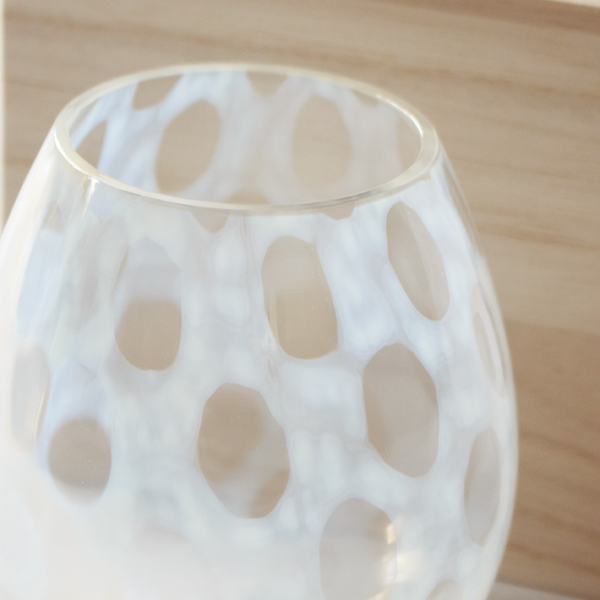
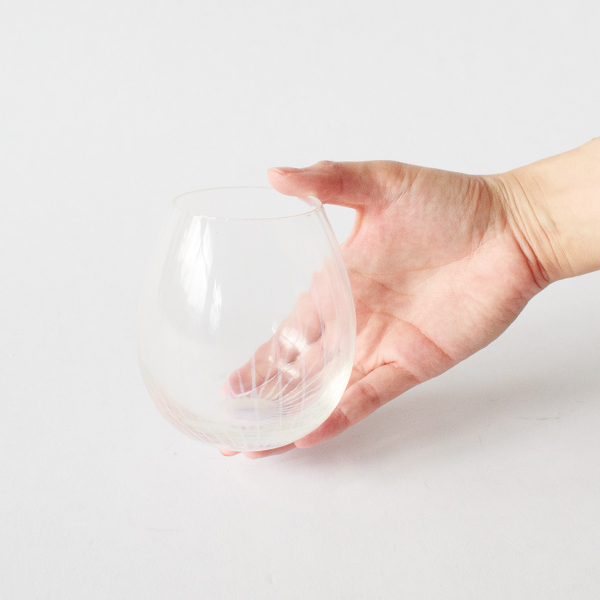
| Size | Diameter 5.5 cm × Height 9.5 cm |
| 容量 | 300ml (350ml when full) |
| Weight | 270g |
| Material | Glass |
| Country of origin | Japan |
| Gift box | This product would be packaged in a gift box.
|
| Compatibility | Microwave: x
Dishwasher: x Oven: x |
Feature of product
-
- This glass is made using a special technique that was popular during the Meiji and Taisho eras, known for producing "milk glass."
- Each piece is handcrafted by artisans. Please note that there may be individual differences in patterns and sizes.
ブランド紹介

Hirotagalass
Founded in 1899 in Sumida, Tokyo, this historic glass manufacturer has a rich legacy. Born during a time when European glass-making techniques blended with Japanese aesthetics, the company overcame the devastation of the Great Kanto Earthquake and has continued to uphold the craftsmanship of artisans for four generations.
The third generation, sensing a crisis as the once-popular "milk white glass etching technique" from the Taisho era began to fade, embarked on a journey of trial and error that led to the creation of the Taisho Romance Glass series, marking a significant turning point. Today, the company continues to actively preserve three traditional techniques: Edo Kiriko, blown glass, and milk white etching, delivering the unique "fluctuation" and "warmth" that cannot be achieved through mass production.


| 商品 | 価格(税込) | 在庫 | 個数 | |
|---|---|---|---|---|


Flower Bud Glass(Scouring rush)
送料:一配送660円・11,000円以上で送料無料(一部地域除く)
|
¥5,500(税込) |
◯
|
||

Flower Bud Glass(checkerboard)
送料:一配送660円・11,000円以上で送料無料(一部地域除く)
|
¥5,500(税込) |
◯
|
||

|
¥5,500(税込) |
◯
|
 ペーパー
ペーパー
ラッピング リネン
リネン
ラッピング 熨斗
熨斗 メッセージ
メッセージ
カード 海外発送
海外発送 ZUTTO-
eギフト
お気に入りに追加されました
Added to cart

花蕾グラスには、他にもこんな仲間がいます
-
Hirotagalass
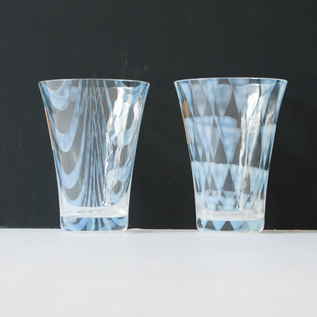
Soda Glass¥6,050(税込)
-
Hirotagalass
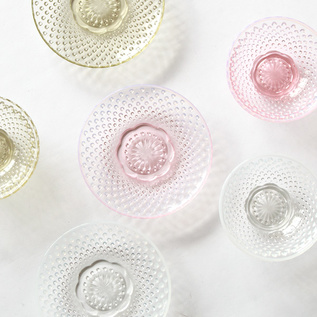
Arare Polka-Dot Small Plate and Bowl Set¥5,500(税込)
花蕾グラスを見た人はこんなアイテムも見ています
-
Tone
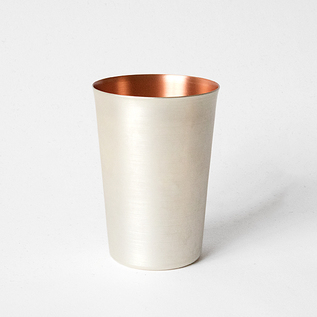
COPPER TUMBLER¥12,100(税込)
-
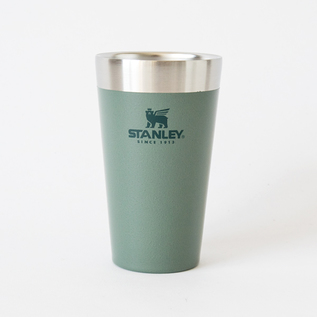
STANLEY
STACKABLE VACUUM PINT 0.47L¥3,520〜(税込)
-
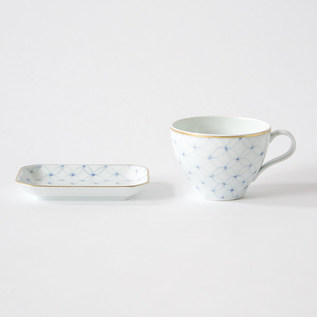
mg&gk
ARITA PORCELAIN TEACUP AND SMALL PLATE¥10,230(税込)
-
.jpg "スープとバケットの器")
mg&gk
SOUP CUP AND BAGUETTE PLATE¥10,340(税込)
-
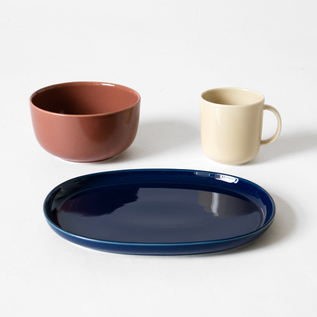
NUPPU
JUNIOR TABLEWARE SET¥12,100(税込)
-
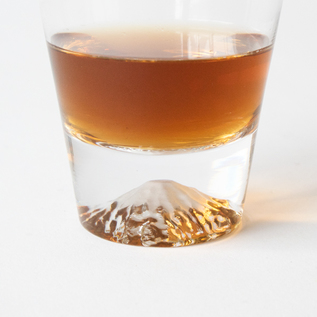
TAJIMA GLASS
MTFUJI GLASS ROCKS¥5,500〜(税込)
-
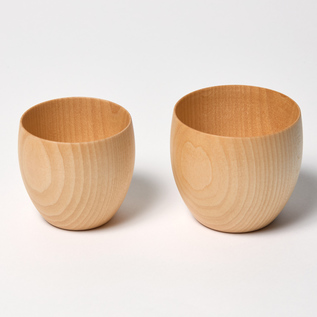
TAKAHASHI KOUGEI
Cara CUP¥4,180〜(税込)
-
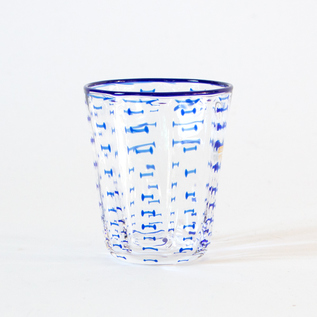
HIZEN VIDRO
HIZEN VIDRO CUP¥5,610(税込)
-
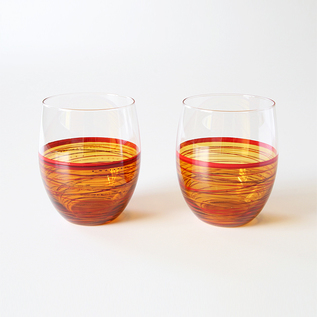
Hyakushiki
SPIRAL TUMBLER TWO PIECE SET¥13,200(税込)
-
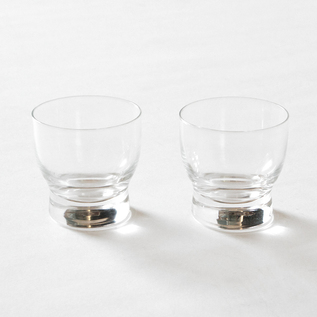
KIMOTO GLASS
PAIR GLASS SET RURI¥5,500(税込)
-
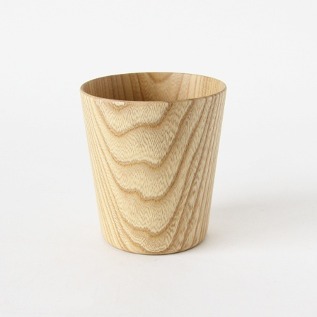
TAKAHASHI KOUGEI
KAMI WOODEN GLASS WIDE L¥4,400(税込)
-
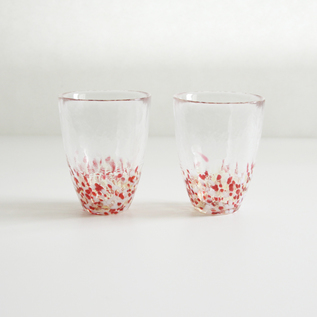
Tsugaru Vidro
Apple tumbler pair¥4,400(税込)
-
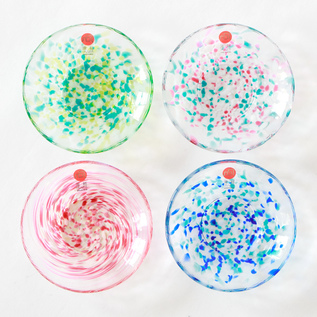
Tsugaru Vidro
Colorful small plates¥6,050(税込)
-
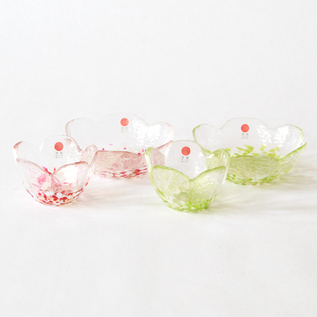
Tsugaru Vidro
RINGO SMALL BOWL SET¥6,050(税込)
GUIDE »
CATEGORIES »
- + Gifts by recipient
- + Gifts by scene
- + Clothing
- + Bags / Backpacks
- + Wallets / Card cases
- + Jewelry
- + Shoes
- + Rainy day outfits
- + Kitchen
- + Home
- + Babies / Kids
- + Japanese products
Earn Miles


Payment & Security