.webp)


.webp)


.webp)


.webp)


Welcome to ZUTTO
Free shipping for newsletter subscribers (some areas excluded)
- トップページ/
- Home/
- Home decor/
- Wooden Kagami Mochi
 Suzuki Chokokusho
Wooden Kagami Mochi
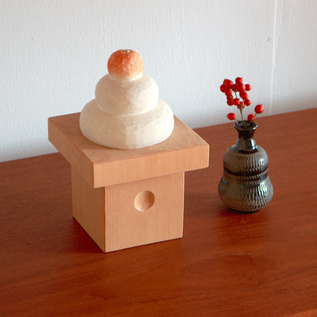
"One-piece carved kagami mochi, by a wood-carving artisan
Traditional events are gradually disappearing, but New Year still holds a special place. Kagami mochi is essential to creating that atmosphere. It has long been treasured as a symbol welcoming the new year's deity and wishing for family health and happiness. Fewer households now make it with real mochi, but in changing forms, the tradition continues.
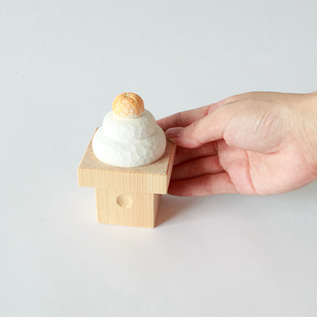
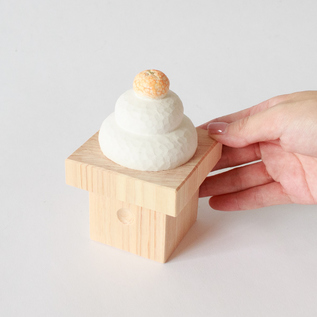
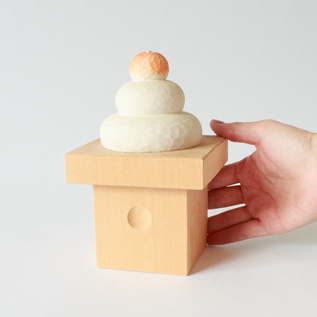
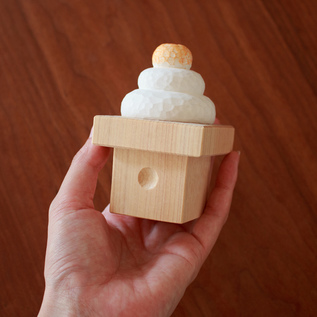
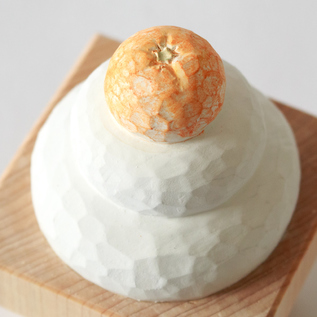
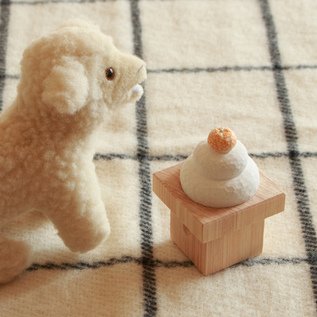
This year, we're holding an order event for kagami mochi carved from a single block of wood by a woodcarving artisan in Fukui. The stand and the daidai (bitter orange) have no seams — the whole piece is carved from one block of wood — making it a kagami mochi you can use year after year.
The Warmth of Hand-Carving
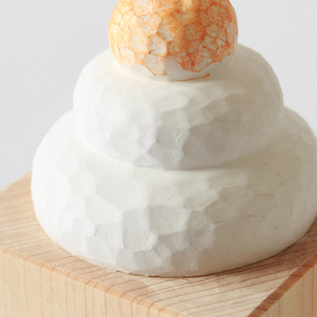
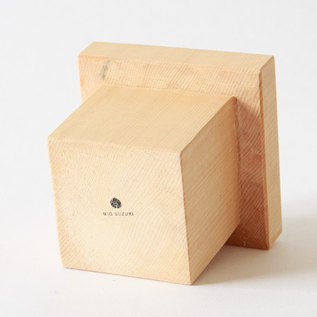
The plump, mochi-like kagami mochi is made by Mio Suzuki of Suzuki Sculpture Workshop in Sabae, Fukui Prefecture. She has worked in architectural carving for shrines, temples, and homes for about 30 years. A typical kagami mochi is made of separate pieces — the sanpo (stand), the mochi, and the daidai — but Suzuki's version is carved as a single unit. Since nothing is glued together or made as separate parts, there's no risk of pieces coming loose.
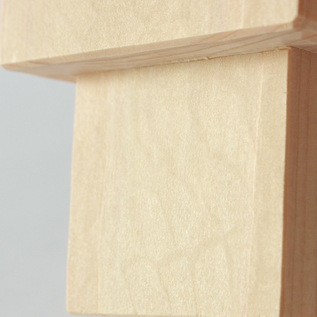
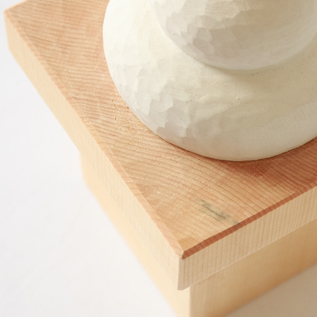
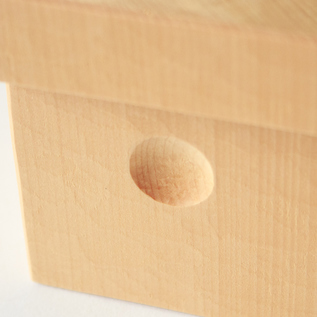
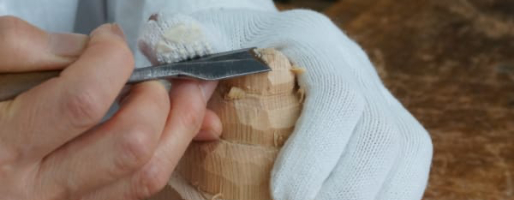
She carves the rough shape from a single block of wood, then refines it using many different types of chisels. The sanpo may look flat and smooth at first glance, but look closely and you'll notice small carving marks remain — remarkably, this section is also shaped entirely with a chisel, not a plane. The soft, almost unbelievably wood-like texture of the mochi contrasts with the precise geometry of the sanpo. Carving these two contrasting forms using only chisels is a testament to Suzuki's skill. For the finishing touch, the piece is gently and carefully colored with gofun, a pigment traditionally used in Japanese painting.
Each piece varies slightly in wood grain and carving marks — please enjoy this as part of what makes each kagami mochi unique. Rather than a consumable, this is a kagami mochi meant to be used again and again, one you'll look forward to displaying each year for years to come.
Bringing Traditional Carving Craft into Everyday Life
Suzuki Sculpture Workshop was founded in 1968 in Sabae, Fukui Prefecture, specializing in wood carving. Since its founding, the workshop has handled architectural carving for shrines and temples, Buddhist statue carving, and ranma (transom) carving. Mio Suzuki trained under sculptor Yuji Hori in Inami, Nanto City, Toyama Prefecture — a center for wood carving — and has since spent roughly 30 years working on decorative and architectural carving for shrines, temples, and private homes.

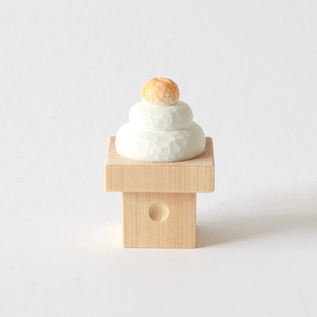
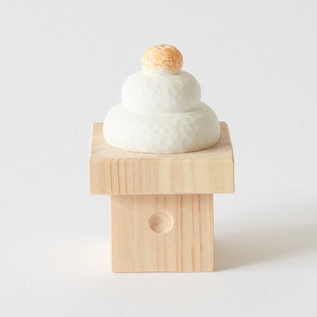
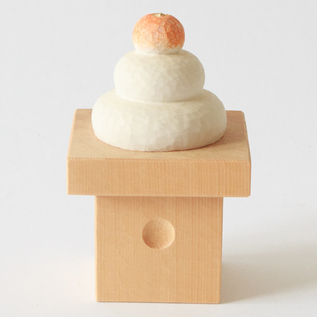
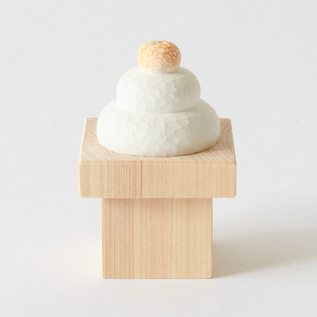
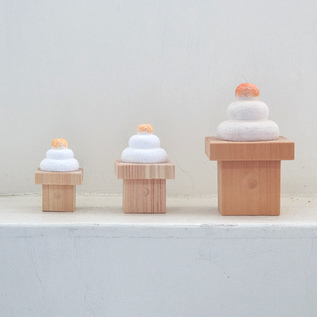
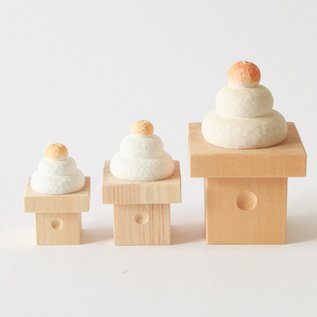
| Size | S: Width 6 x Height 9 x Depth 6 (cm)
M: Width 7.5 x Height 11 x Depth 7.5 (cm) L: Width 10.5 x Height 16.3 x Depth (cm) |
| Weight | S: 60g
M: 120g L: 310g |
| Material | Hinoki |
| Country of origin | Japan |
| Gift box | This product would be packaged in a gift box. |
Feature of product
-
-A wood-carved kagami mochi made by an artisan who works on architectural carving for shrines, temples, and homes
-The stand, mochi, and daidai are all carved as one piece
Notice
-
-Since each piece is made from natural wood and hand-carved individually, there will be some variation in wood grain, color, and carving texture.
-Please avoid placing the piece in direct sunlight or in the direct path of air conditioner airflow, as this may cause cracking or discoloration.
-The coloring may use pigments that are sensitive to water (such as gofun), so please avoid wiping with a damp cloth.
About This Order Event
-
Order period: Until 12:00 noon on Friday, July 24
Estimated delivery: Mid-December
Because these pieces are carefully handmade and production must be limited to protect the artisan's health and workload, quantities are limited. Please note that we may be unable to fulfill all orders depending on demand. *If your order is cancelled, we will contact you in early September.
Please choose one of the following payment methods: credit card, Amazon Pay, carrier billing, or PayPay.
Except in the case of defective items, we are unable to accept cancellations, returns, or exchanges after the order event ends.
Payment will be finalized after the order event ends. Please note that we will not send a separate notification when payment is finalized.
Items from this order event cannot be combined in the same order with items other than the "Wara Lamb Shime Kazari," which is running at the same time. Please place a separate order for other items. Also, delivery date requests cannot be accommodated.
Depending on stock availability, orders may be subject to cancellation. Thank you for your understanding.
よみもの|一つの木から彫り出す。木彫りの職人が作る、一木造りの鏡餅受注会。
ブランド紹介

Suzuki Chokokusho
Suzuki Sculpture Studio is a wood carving workshop established in 1968 in Sabae City, Fukui Prefecture. Since its founding, the studio has specialized in architectural carvings for shrines and temples, as well as Buddhist statue carvings and transom carvings. Miyo Suzuki studied under sculptor Yuji Hori in Inami, Toyama Prefecture, a renowned area for wood carving, and has been involved in decorative and architectural carvings for shrines, temples, and residential buildings for approximately 30 years since then.

| 商品 | 価格(税込) | 在庫 | 個数 | |
|---|---|---|---|---|

Wooden Kagami Mochi(S) Free shipping |
¥15,400(税込) |
◯
|
Withdrawn |
|

Wooden Kagami Mochi(M) Free shipping |
¥19,800(税込) |
◯
|
Withdrawn |
|

Wooden Kagami Mochi(L) Free shipping |
¥29,700(税込) |
◯
|
Withdrawn |
Shipping: ¥660 per delivery. Free shipping on orders of ¥11,000 or more (some areas excluded)
Free shipping for newsletter subscribers (some areas excluded)
 ペーパー
ペーパー
ラッピング リネン
リネン
ラッピング 熨斗
熨斗 メッセージ
メッセージ
カード 海外発送
海外発送 ZUTTO-
eギフト
Added to cart
【受発注】木彫りの鏡餅 ※12月中旬発送予定を見た人はこんなアイテムも見ています
-
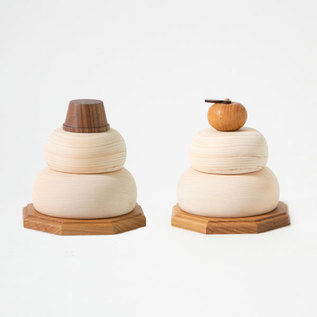
SONOBE
BESPOKE WOODEN KAGAMIMOCHI¥15,840(税込)
-
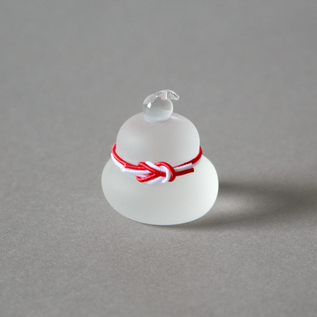
HARIO Lampwork Factory
GLASS KAGAMIMOCHI¥8,800(税込)
-
露木木工所(ツユキモッコウショ)
HAND MIRROR CIRCLE¥6,600(税込)
-
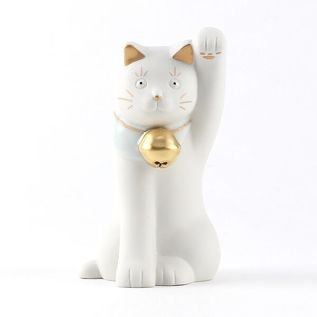
KUTANI CHOEMON
LUCKY CAT¥12,650〜(税込)
-
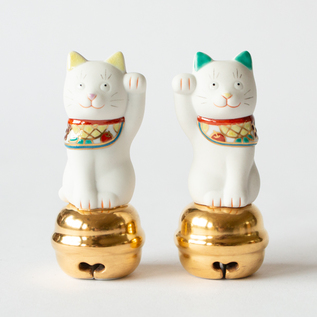
KUTANI CHOEMON
CHOEMON MANEKI NEKO LUCKY CAT¥12,650〜(税込)
-
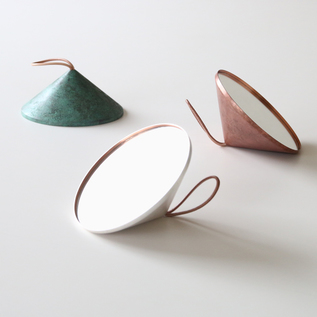
Tone
TONE MIRROR¥11,000(税込)
-
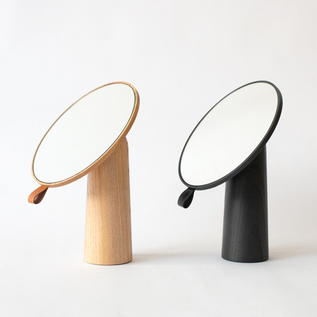
SASAKI
PIVET MIRROR¥22,000(税込)
-
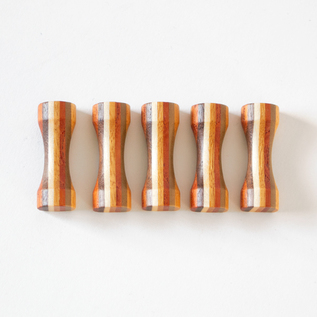
露木木工所(ツユキモッコウショ)
YOSEGI MARQUETRY CHOPSTICK REST¥6,710(税込)
-
.jpg "ミラー APPLE TREE")
KIMURA MOKUHIN SEISAKUSHO
MIRROR APPLE TREE¥14,300〜(税込)
-
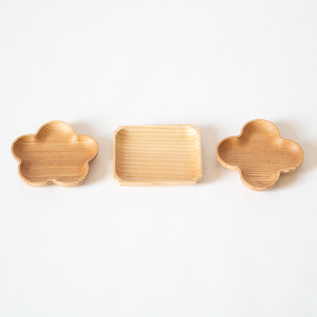
ZUTTO
Wooden Small Plates¥4,620〜(税込)
-
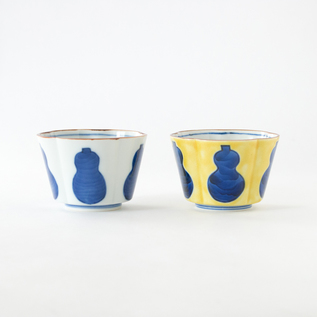
KUTANI CHOEMON
KUTANI SMALL BOWL PLUM PATTERN¥5,060〜(税込)
-
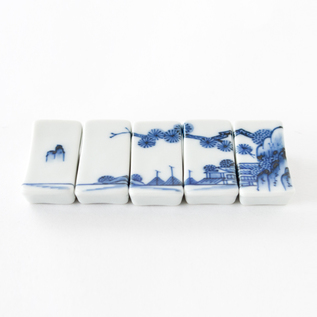
KUTANI CHOEMON
CHOPSTICK RESTS LANDSCAPE¥6,050(税込)
-
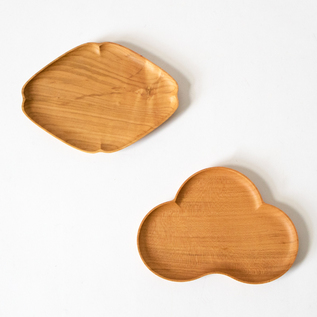
AIZAWA Wood Works
CHERRY MEDIUM PLATE¥4,950(税込)
-
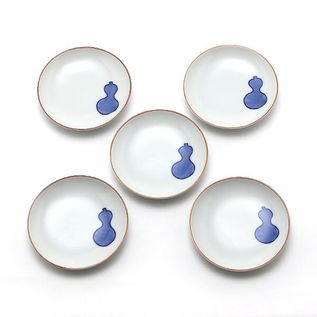
KUTANI CHOEMON
KUTANI TINY PLATES GOURD SET OF FIVE¥11,000(税込)


.webp "ミラー APPLE TREE")


Recently Viewed


GUIDE »
CONTENTS »
CATEGORIES »
- + Gifts by recipient
- + Gifts by scene
- + Clothing
- + Bags / Backpacks
- + Wallets / Card cases
- + Jewelry
- + Shoes
- + Rainy day outfits
- + Kitchen
- + Home
- + Babies / Kids
- + Japanese products
Earn Miles


Payment & Security