.webp)


.webp)


.webp)


.webp)


- トップページ/
- ZUTTO Journal/
- ブランドストーリー/
- # Gloves That Mak...
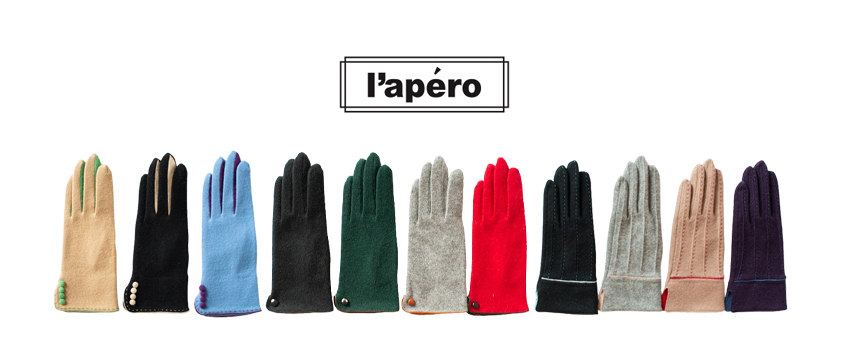
Gloves that make your fingers look beautiful. The lapero philosophy of craftsmanship, built on the rule of a perfect fit
When cold winds start to blow, we add another layer of clothing, coats come out of the closet, and it becomes the season to rely on scarves, gloves, and other small accessories. Once hands are exposed to the cold air, they often stay numb even after coming indoors to a warm room, making it difficult to write, or to use a smartphone or computer as smoothly as usual.
Even when it comes to how you carry yourself while walking outside, someone walking with a straight back in gloves, striding along confidently, looks far more elegant than someone hunched over with their hands stuffed in their coat pockets.
Today we'd like to introduce lapero, a brand from Fukuda Tebukuro, Japan's oldest glove maker. Their gloves are known for a beautiful form that fits the hand, completed through the skill of experienced craftspeople.
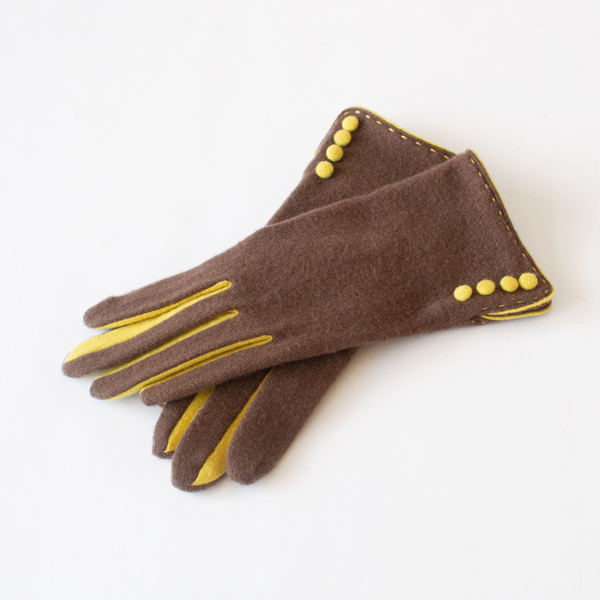

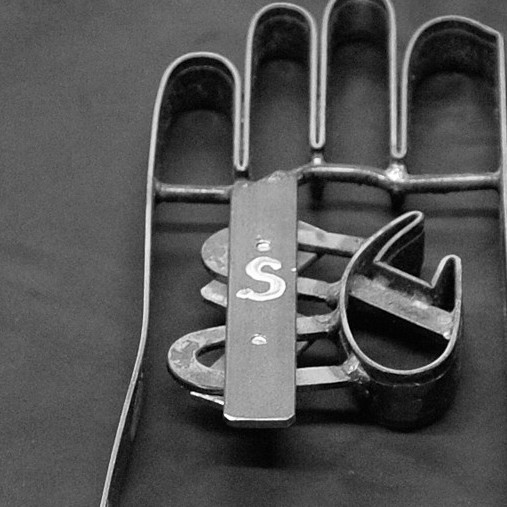
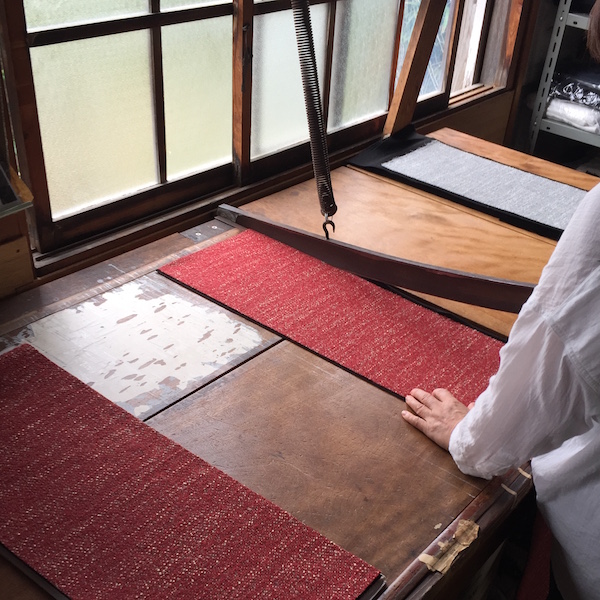
lapero gloves are born in Higashikagawa, Kagawa Prefecture. Higashikagawa has been a major center of domestic glove production since the 1880s, and its output is among the largest in the world. The region doesn't just produce the kind of everyday fashion gloves we typically imagine—it handles a wide range of gloves, from sportswear to formal wear to work gloves.
This diversity reflects the sheer depth of skill accumulated in this area over time, and Fukuda Tebukuro, the maker behind lapero, has spent over 100 years refining its glove-making techniques here.
Fukuda Tebukuro, which had long manufactured gloves for both Japanese and overseas brands, launched lapero as its own factory brand in 2009. The idea was born from a desire to make the gloves that they themselves—after years of working with gloves—believed to be truly good, something that couldn't be achieved by continuing to manufacture only for other companies' brands.
From planning and design to manufacturing, they maintain consistent quality control, facing their work with gloves every day while asking themselves what it means to make things in Japan.

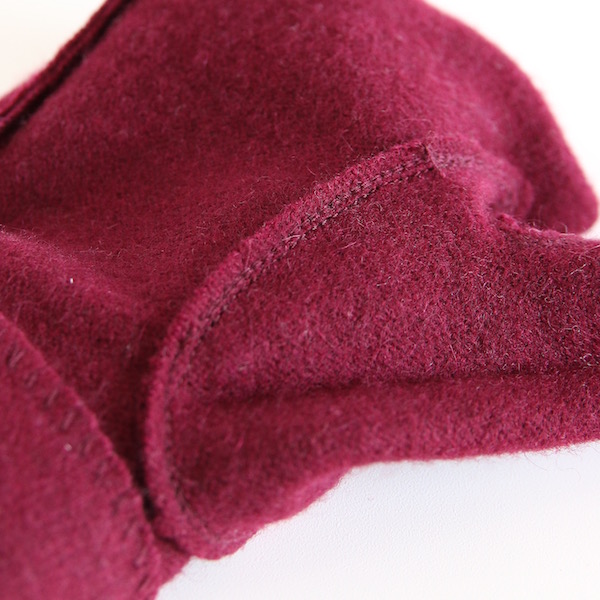
What lapero gloves prioritize are "comfort of fit" and "fashion appeal." Thick, bulky gloves aren't just less elegant to look at—they also leave the fingers feeling loose and unfitted inside the glove, and make it hard to properly hold things while wearing them. In other words, they fall short on both comfort and style.
What allows lapero gloves to satisfy both of these requirements is a "2mm seam allowance." A seam allowance is necessary when sewing together the pieces of a glove, and at lapero, skilled craftspeople have the technique to sew a precise, uniform 2mm seam allowance by hand. If the seam allowance is too wide, the inside of the glove feels bulky; if it's too narrow, it can lead to fraying. The craftspeople judge that razor-thin margin and sew accordingly.
A smaller seam allowance also means the finger sections themselves are more streamlined, which is what gives the gloves their sleek, beautiful form once your hand is inside.
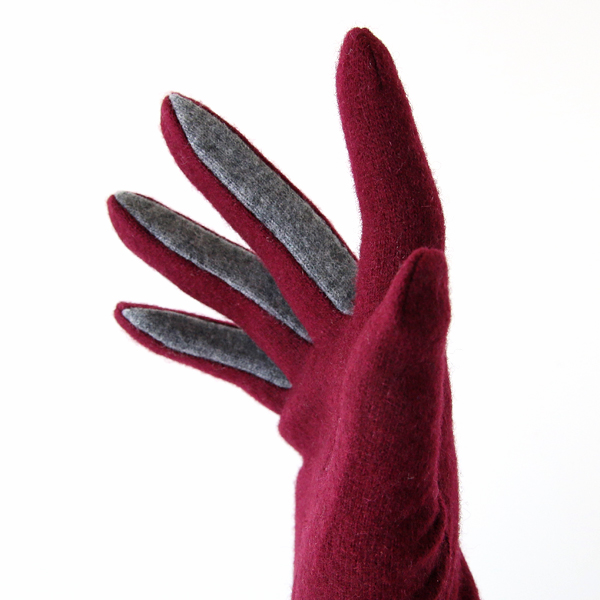
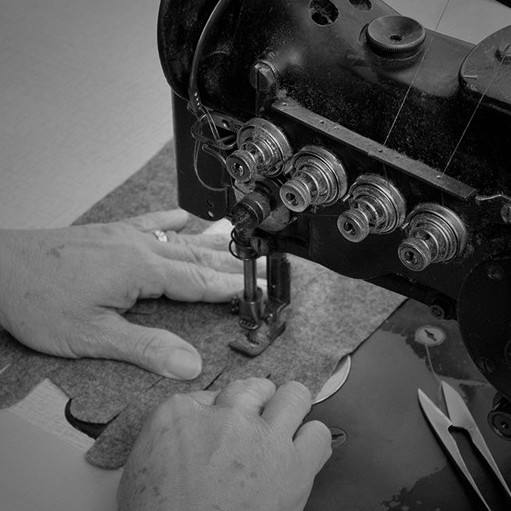
When asked what's most difficult about making gloves, the answer was: "the curved seams around the fingertips" and "sewing both gloves so they match symmetrically." It's clear that stitching is what determines the quality of a glove's construction—how well it fits—and that the craftspeople who can be trusted with this work are truly Fukuda Tebukuro's greatest asset.
People cut, people sew, and people slip their hands inside. lapero gloves are, in every sense, delivered to you with great care through human hands.

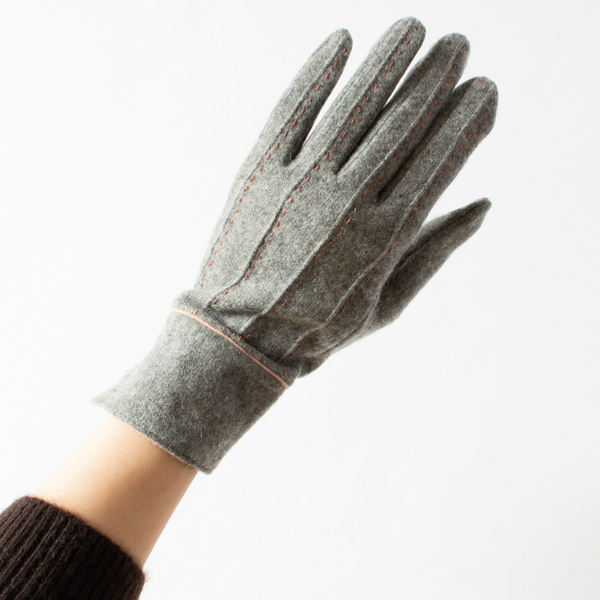
What size is right for you?
It's generally said that you should choose gloves "slightly on the small side," and the reason is that they gradually stretch with use. This is true not only of leather, but also of wool and cashmere materials like those used for lapero—they stretch as you wear them. Starting off a little snug is better if you want the gloves to last a long time, and it also helps keep your fingers looking sleek and beautiful.
lapero Size Details
The key points for choosing a glove size are "hand circumference" and "hand length." "Hand circumference" refers to the measurement around the palm, while "hand length" refers to the distance from the crease at the base of the wrist to the tip of the middle finger. In Japan, sizes are set by material according to JIS (Japanese Industrial Standards).
▼Reference for hand circumference measurements
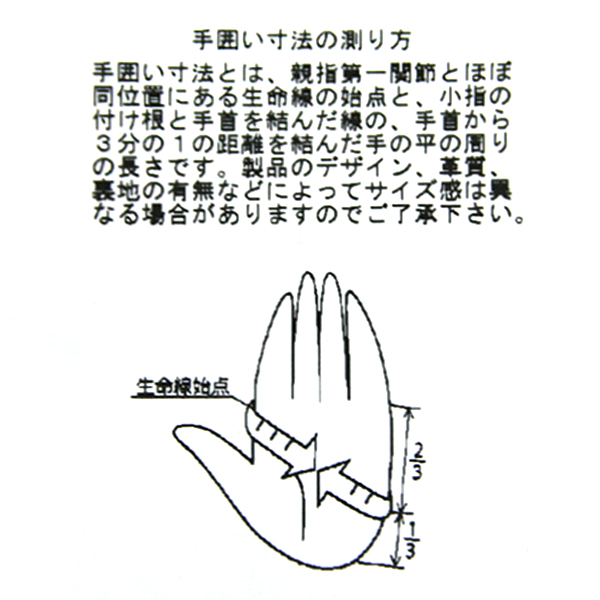
All of the lapero gloves featured on ZUTTO have a hand circumference of 19 to 20cm, which corresponds to a size "M." On each lapero product page, in addition to "hand circumference" and "hand length," we also list the length of each individual finger, so please use that information as a reference.

・Balancing warmth and style


You want to block out the cold winter wind that sneaks in through your coat sleeves as much as possible, but if a glove's opening is too wide, it tends to bunch up awkwardly inside the coat sleeve. These gloves, with their sleek, streamlined form overall, put that worry to rest.

The embroidered tips of the thumb and index finger are designed for touchscreen use, letting you operate a smartphone without difficulty. You can look things up or check your email without ever taking the gloves off.
・A casually styled boa type

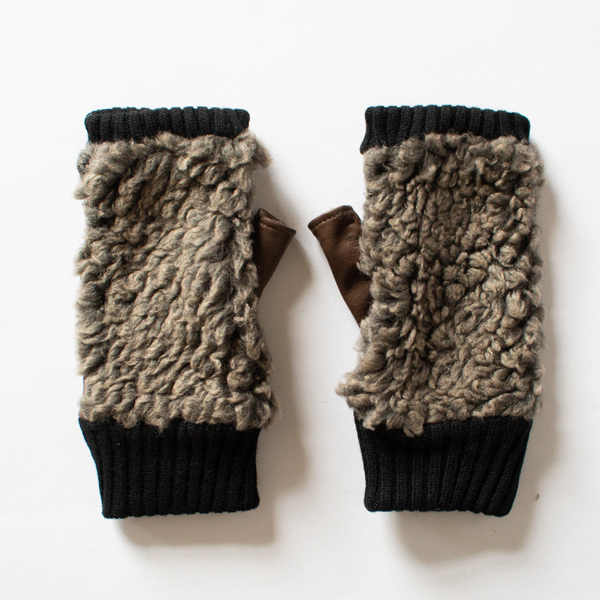
The adorable fingertips peeking out from the fluffy fabric create a cozy winter style—these are lapero women's boa fingerless gloves.
・CAMEL, which pairs with any outerwear

The round walnut buttons are charming, and the two-tone color that peeks between the fingers is lovely. The stitching and piping that glimpse at the folded-back cuff are also a subtle touch of style. This Standard series comes in a wide range of colors, making it fun to choose which one to pick.
They're long enough to cover the wrist, making them easy to put on and take off while also guarding against the cold—a truly versatile type.

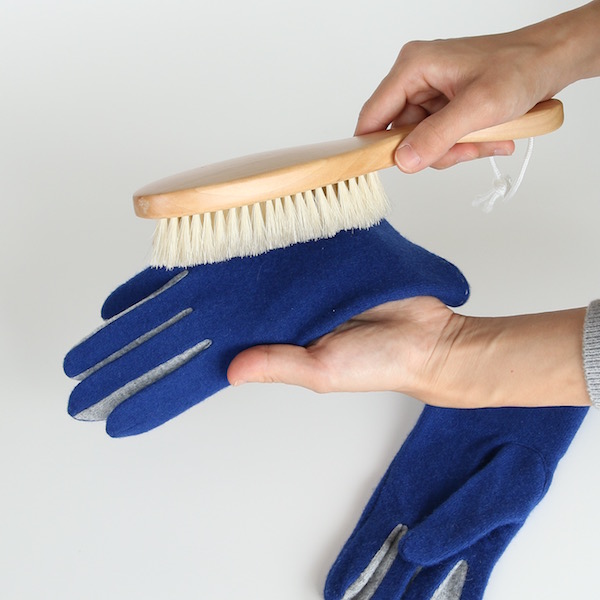
Brush gently after each wear
lapero gloves are made of wool or cashmere. Gloves are items that are frequently exposed to friction—from holding a bag, gripping a bicycle handlebar, and so on. Wool and cashmere are prone to pilling from friction, so caring for them after each wear is important.
After using your gloves for the day, reshape them and brush them on a flat surface, such as a tabletop. It's easy to focus only on the larger areas like the palm and back of the hand, but don't forget to brush between the fingers as well. Moving your hands causes friction between the fingers too, so pilling can form there as well.
When doing so, be careful not to brush decorative parts such as buttons or fur.
Finish with a spritz of FABRIC SPRAY so that next time you slip your hands in, you'll feel refreshed.

Let them rest after a day of use
Rather than using the same pair every day, alternate between two or more pairs of gloves. After a day of wear, friction disturbs the direction of the fibers, and the shape of the gloves themselves changes from having your hands in them. Letting them rest and settle allows you to keep them looking good for a long time.
Have them dry-cleaned after the season
Due to the nature of the materials, lapero gloves may lose color from friction or water, so please avoid washing them with water at home. At the end of the season, consult a dry cleaner. If sweat and oils from your hands are left inside, they can cause fading, so please store your gloves clean until the next season.
ーーーーーーーーーーー
The original purpose of gloves is to protect our hands from the cold and from hazards. But beyond that, I think they can also serve as a fashion item—the finishing touch to that day's outfit.
For instance, on a winter day: you put on your coat, wrap your scarf, and put on your shoes at home. You pick up your bag, and finally, slip on your gloves snugly before heading outside. Wouldn't it be wonderful if gloves could be like a bit of resolve against the cold, or a kind of charm to protect you?
GUIDE »
CATEGORIES »
- + Gifts by recipient
- + Gifts by scene
- + Clothing
- + Bags / Backpacks
- + Wallets / Card cases
- + Jewelry
- + Shoes
- + Rainy day outfits
- + Kitchen
- + Home
- + Babies / Kids
- + Japanese products
Earn Miles


Payment & Security