.webp)


.webp)


.webp)


.webp)


Welcome to ZUTTO
Free shipping for newsletter subscribers (some areas excluded)
- トップページ/
- ZUTTO Journal/
- 選び方・使い方/
- Create Your Summe...

Summer footwear made with comfortable sandals
In summer, when temperatures rise, we want to dress as lightly as possible.
The same goes for our feet—we want to keep them cool too.
Since our feet are also a part of the body that's especially sensitive to temperature,
it's nice to choose cool, comfortable sandals that suit your own feet.
Various shapes of sandals
Sandals come in many different types depending on their shape.
Here are some of the representative types of sandals:
・Platform sandals
・Wedge-sole sandals
・Comfort sandals
・Thong sandals
■For a stable feel, choose platform sandals

Named for the word "platform," meaning a raised base, this type of sandal
has a sole that's flat like a platform, yet raised to a certain height.
Since the sole runs parallel to the ground from toe to heel, it offers excellent stability.
Because the sole has some height, it softens the impact from the ground,
and this gentleness on the soles of the feet is another appeal of the platform type.
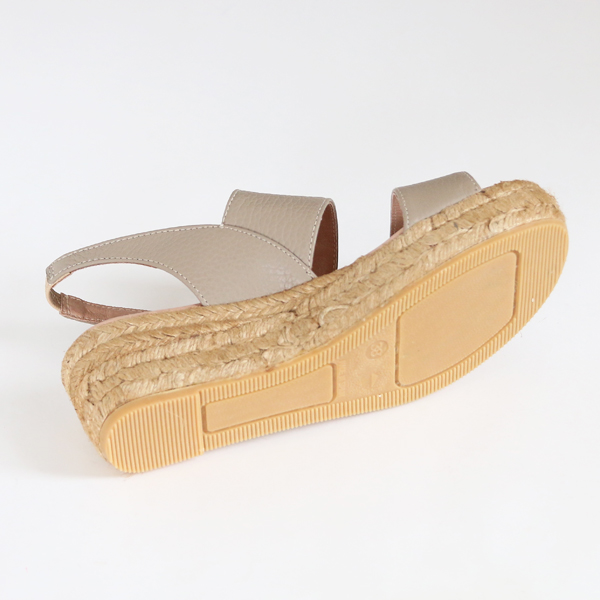
The belted espadrille sandals from gaimo have
an outsole made of jute and rubber, with a height of about 5.5cm at its highest point.
Despite this height, the sole still feels firmly planted on the ground,
thanks to a construction that gives the outsole ample surface area while keeping the height nearly even throughout.
The wide belt covering the instep also helps keep the sandal from slipping off while walking.

This is the VERA series from dansko.
While the sole rises gently from toe to heel,
the toe area is also raised, allowing the entire sole of the foot to stay firmly grounded while walking.
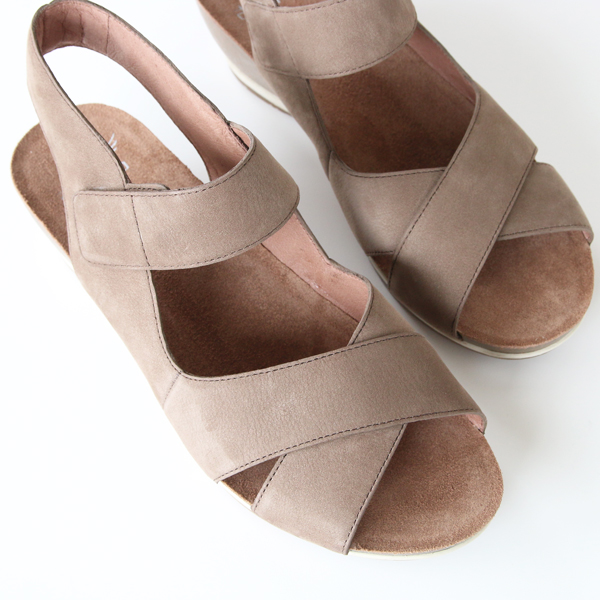
The VIOLET series, with belts that cross over the instep, is also
a platform type that allows for light, easy movement.
With an insole molded to match the arch of the foot, you can feel the sandal
fit snugly to your foot.

■Wedge-sole sandals for beautifully shaped legs

Named for its shape, which is low at the toe and high at the heel—like a wedge—
this is the wedge-sole sandal.
It's famous for having been developed with a cork sole by the Italian shoe brand
Salvatore Ferragamo.
Although the wedge sole has a difference in height between toe and heel, it still has a large surface area touching the ground,
which reduces fatigue in the soles of the feet, and also has the effect of making the legs look more beautiful.
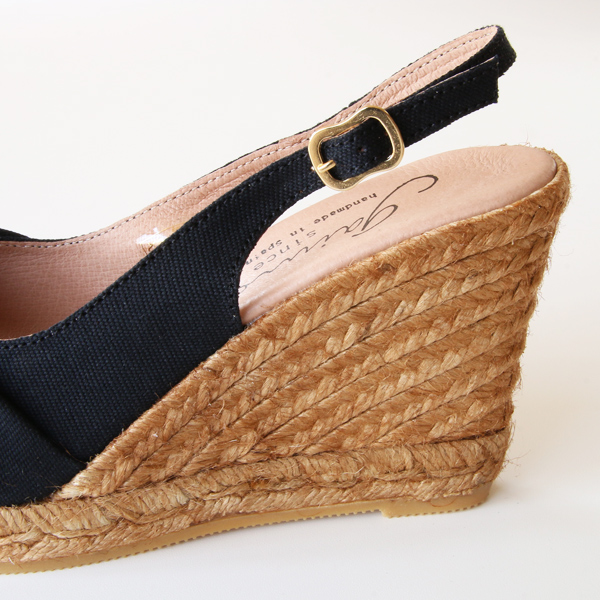
With a wedge heel made of jute and a ribbon-like upper, these are
gaimo's turban-design espadrille sandals.
The heel measures 9cm in height, but since the insole is highly cushioned,
they're comfortable to wear, and the slender straps give the pair a feminine look.

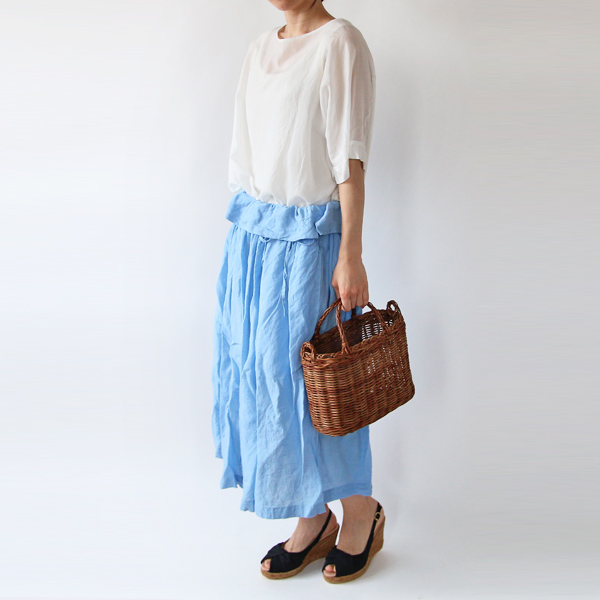
The mule type, which requires no fastening or removing of straps, is a pair you can slip on more casually.
The Fringe Cross Espadrille Mule uses fabric for the upper,
gently supporting the foot.
■Comfort sandals that work well outdoors too
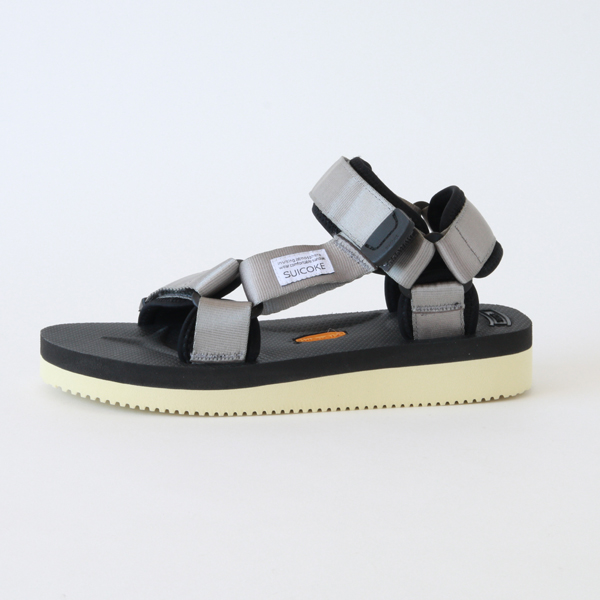
Comfort sandals fit gently to the foot and let you walk for long stretches without getting tired.
Comfort sandals fit snugly to the foot,
placing no undue strain on it, and are also easy to slip on and off—
truly sandals designed with comfort and ease of walking in mind.
Developed jointly with the renowned sole maker Vibram,
SUICOKE features the world's first footbed made by Vibram, and is
a true representative of this kind of comfort sandal.
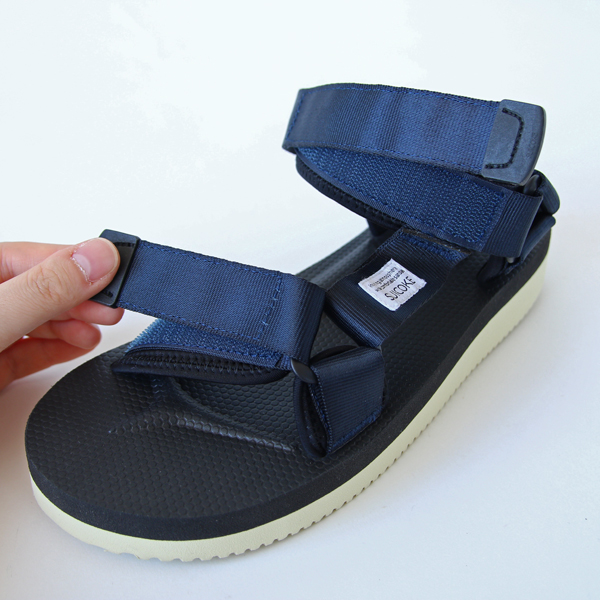
With a generously wide insole and a Velcro-type belt,
SUICOKE's design is easy to adjust to a variety of foot shapes—that's its appeal.
Secured at two points—the instep and the ankle—and weighing about 250g per foot,
if you choose the right size, it fits so well it feels like an extension of your own foot.
With a non-slip Vibram outsole and an upper made of synthetic fiber and nylon,
these comfort sandals come in handy even in situations where water is involved, like riverside barbecues or the beach.
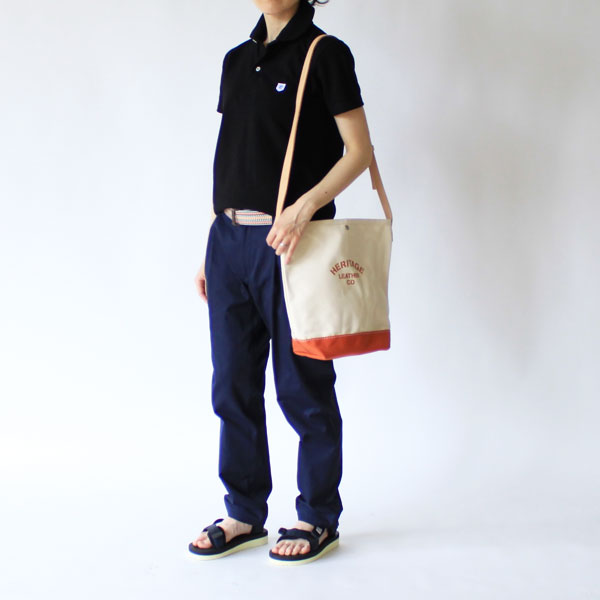
■Thong sandals, easy to slip on
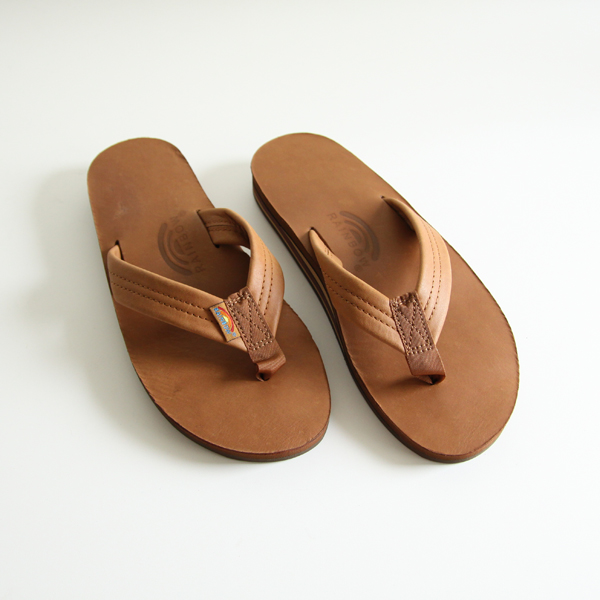
Thong sandals get their name from the shape resembling a pair of cooking tongs.
Many people may be familiar with this style, since it uses a strap that passes between the toes, much like beach sandals or geta.
Thong sandals require no fastening of straps or threading of cords around the heel,
making them a pair you can slip on with ease.

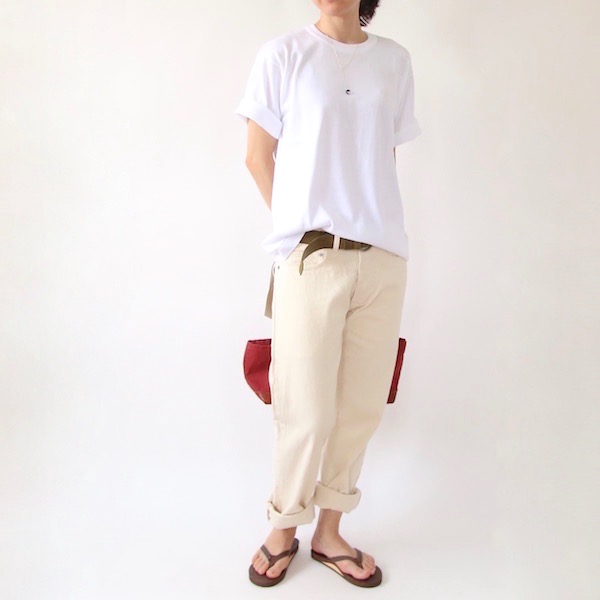
The Classic Leather series from RAINBOW SANDALS, born in California along the Pacific coast.
These beach sandals are handmade one pair at a time by skilled craftspeople,
offering excellent durability and the pleasure of watching the genuine leather develop a beautiful patina over time.
Points for choosing the right size

Now, when choosing sandals, comfort is likely what concerns you most.
Here, we'll address some common questions about choosing sandals.
■The difference between Japanese and international sizing
First, let's talk about sizing. In Japan, sizes are typically two-digit numbers like 23.5cm or 24cm, but
overseas-made shoes often use single-digit sizes like "5" or "6," or sizes like "36."
This difference arises because Japanese sizes are based on the actual length of the foot,
while overseas sizes are based on the size of the wooden lasts used to make the shoes.
For reference purposes only, here is a rough conversion between the different sizing systems:
Japan size 23cm / UK size 5 / EU size 36
--
Japan size 24cm / UK size 6 / EU size 37
--
Japan size 25cm / UK size 7 / EU size 38
--
Japan size 26cm / UK size 8 / EU size 39
--
Japan size 27cm / UK size 9 / EU size 40
However, since the intervals between sizes differ between the Japanese
and overseas sizing systems, small discrepancies will occur.
In addition, overseas-made shoes are sometimes cut narrower than Japanese-made shoes,
so even if the size is technically correct, the fit may still feel tight.
Please use the sizes above as a general reference only, and
we recommend trying the shoes on to check the actual fit for yourself.
What is the proper way to wear them?
Once your sandals arrive, try them on indoors first.
When trying them on, check the following points as you wear them.
■Heel and width: where should you check?

When checking whether the sandals fit your feet,
the first place to look is the heel.
With your toes fully inserted, check whether your heel sticks out,
or whether there is a large amount of excess space at the back of the sandal.
A perfect fit, or a gap of about 1–2mm front and back, is within the acceptable range.

Next, check the width across the top of your foot.
Do the sides of your feet touch the sandal in a way that causes pain?
Also, does your foot stick out beyond the insole?
If you feel pain or your foot sticks out, the size may be too small.
Ideally, there should be enough room to move your toes freely.
■About sandals where the weight shifts toward the toes

Note that wedge sole sandals, because the sole has height,
tend to shift your weight toward the toes.
When wearing sandals, try to keep your weight evenly balanced
between both feet, and between the front and back of each foot, as much as possible.
When too much weight falls on the toes, they can feel cramped and squeezed together,
which tires your feet more quickly.
We recommend checking for this forward weight shift when trying the sandals on.

With thong-style sandals, since the strap passes between the toes,
blisters are unfortunately common when you first start wearing them.
Blisters are caused by friction where the strap rubs against the foot, so
when trying them on, check whether there is a large gap between the strap and your foot,
or conversely, whether the strap is so tight that it causes pain just from wearing them.
Whether this gap feels right also serves as a way to check
whether the arch of your foot matches the shape of the sandal.
Also, as with wedge sole sandals, it's important to be mindful
not to let too much weight shift forward while walking or standing.
■How tight to fasten the strap
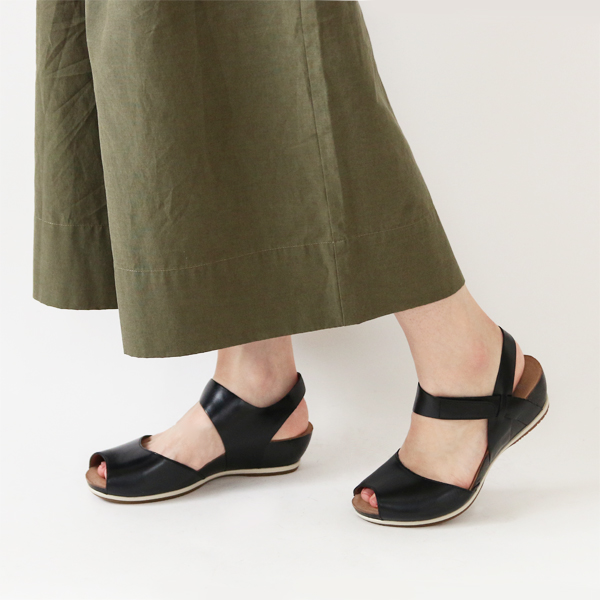
For sandals with a strap around the ankle or heel,
wear them with the strap securely fastened.
If the strap is left loose, your foot will shift around inside the sandal,
which can cause blisters, or make it hard to notice
that the size doesn't actually fit properly.
Since the strap is there to support your foot,
once you've fastened it and taken a few steps, check whether your heel lifts up too much,
and whether your foot and the sandal move together as one.
At ZUTTO, for items that are try-on only, we accept size exchanges and returns.
*If your desired size is sold out, we will process this as a return.
Please check our shopping guide, and feel free to contact customer support with any questions.
▶Customer Support: support@zutto.co.jp


GUIDE »
CATEGORIES »
- + Gifts by recipient
- + Gifts by scene
- + Clothing
- + Bags / Backpacks
- + Wallets / Card cases
- + Jewelry
- + Shoes
- + Rainy day outfits
- + Kitchen
- + Home
- + Babies / Kids
- + Japanese products
Earn Miles


Payment & Security