






.jpg)

























.jpg)

.jpg)
.jpg)









- トップページ/
- ZUTTO Journal/
- お手入れ・エイジング/
- Storage Ideas for...

Bulky blankets: ideas for off-season storage
Time to get your room ready for spring
Wool blankets that worked hard all winter.
During the cold season it's fine to leave them out in the living room, but
once the weather warms up and the off-season arrives, the tricky part is
storing those bulky blankets.
Rather than forcing them into your closet,
we thought about how to give them proper care
and store them in a space-saving way, so you can enjoy using them again next year.


Steps for caring for your blanket
Here's the process for putting away your wool blanket ahead of the off-season.
Before storing it, be sure to give it proper care with a spirit of "thank you."
① Remove any pilling
② If it's washable, try washing it at home
③ Take care to protect against insects
④ Store it in a space-saving way
▼Remove any pilling
The item we're featuring this time is a 100% wool stole belonging to one of our staff members.
It's a favorite that's been used for two seasons.
After a winter of use, you can see that pilling has formed.

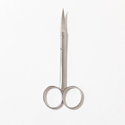
Any pilling that has formed should always be removed with scissors.
You might be tempted to pull it off with your fingers, but
be careful—doing so pulls at the surrounding fibers and actually makes new pilling more likely to form.
Also, what are commonly called "pill removers" or "lint shavers"
work by shaving the pills off. While this may look tidy at first,
it damages the fabric itself and causes the wool to gradually thin out, so
in the long run it's wiser not to use them.

▼If it's washable, try washing it at home
It's easy to assume that wool items must always be dry-cleaned, but
the correct interpretation of the dry-clean symbol on care labels is
"this item can be/may be dry-cleaned."
Of course, if this symbol is paired with a "do not wash" label, then
you'll need to take it to the dry cleaner. But
many wool items are also labeled "washable,"
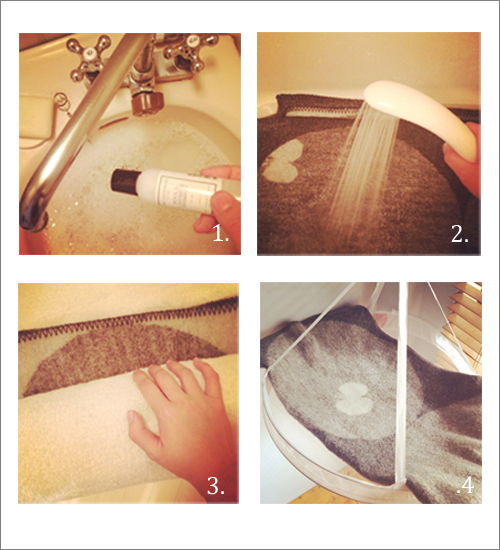
and for those, we encourage you to try washing them at home.
For instructions on washing washable blankets, see "here."
▼Take care to protect against insects
If your favorite blanket ends up
riddled with moth holes over the off-season, it would be such a shame.
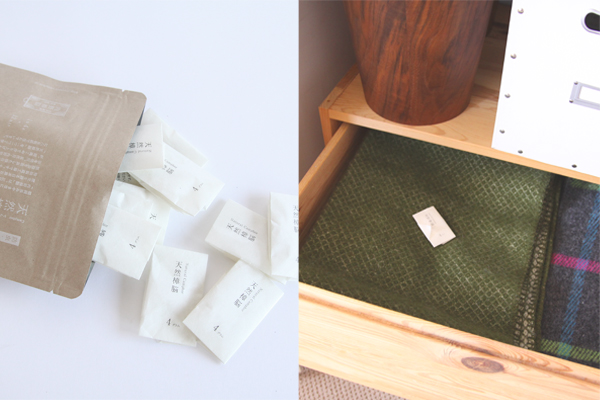
For insect protection, we recommend natural camphor.
Camphor is a natural insect repellent made by distilling the branches and leaves
of the camphor tree (kusunoki). Its refreshing scent envelops
wool items and guards them thoroughly.
When exposed to air, the scent fades quickly, so you won't need to worry about
lingering repellent odors.
This is a major difference from chemical-based insect repellents.
▼Store it in a space-saving way
Winter wool blankets are fluffy and thick, so
folding them up for storage takes a surprising amount of space and
ends up crowding your closet.
Switching from winter to spring wardrobes means using the space once occupied
by lightweight clothes to now store fall and winter sweaters and heavy coats.
Naturally, this requires a lot of additional space.
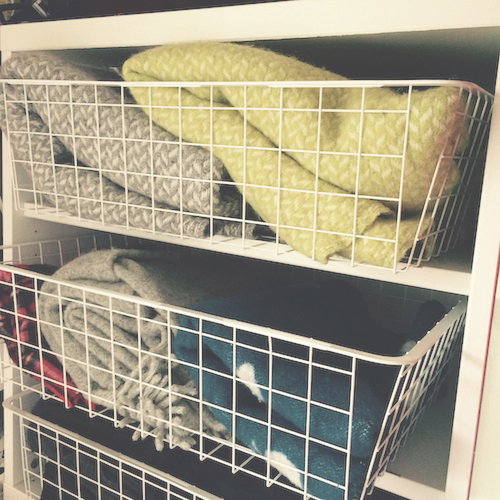
Don't store it away—repurpose it instead
So what we'd like to introduce this time is a way to avoid putting the blanket in the closet at all, and instead
repurpose it for a different use throughout spring and summer.
Somewhere in the second photo, a blanket is stored—
can you tell where??


The answer: it's inside a cushion.
You simply fold the blanket and place it inside the cover,
using it as a cushion.
From autumn through winter, our usual style is to keep
a half-size blanket (90×130cm) and a stole-size blanket (65×200cm)
on hand for a two-seater sofa, one of each.
Trying to fit these into the closet would be quite bulky and troublesome.
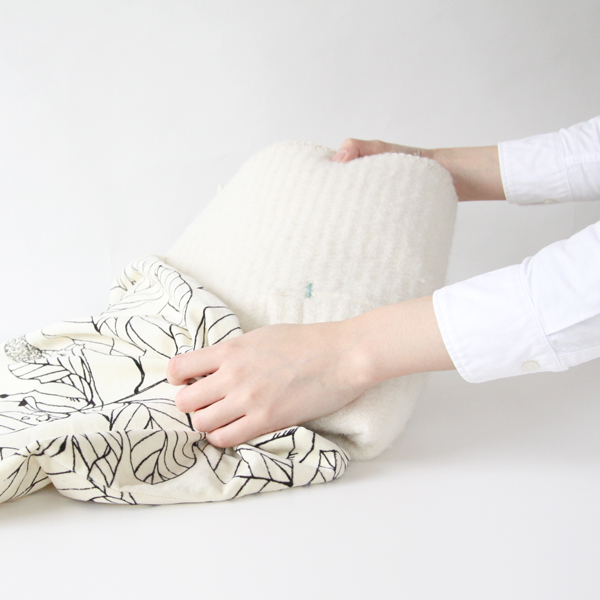
What we used here is a 50×50cm cushion cover belonging to a staff member.
You simply fold two blankets and place them inside it.
It's a fairly large size, with a bit of room to spare even with two blankets inside.
Depending on the size of your cushion cover,
the size and number of blankets that will fit will vary.
Please try it out with the cushion covers you already have.
This is also just the season when people redecorate their rooms for the shift from fall/winter to spring/summer.
With a single spring-colored cushion cover,
your off-season blanket can even help with that redecorating.
You get space-saving storage along with a practical second use, and
by keeping it out in the living room as a cushion,
you won't feel reluctant to take it out again next season.

For spring through summer,
we recommend using a cushion cover made from a crisp, breathable material like linen.
Left on the sofa, it can be hugged, used as a backrest, or
even used as a pillow. It's packed with the appeal of linen that makes you want to keep touching it.
Switching to a spring blanket
Once you've neatly stored your wool blanket and prepared for spring,
why not also switch your blanket itself to a spring-appropriate material?
It's not quite cold enough to need a thick wool blanket, but
there are still those chilly moments when a lap blanket comes in handy,
or times when you think, "maybe I'll take a little nap," and want something to drape over yourself.
A cotton blanket is perfect for scenes like these.

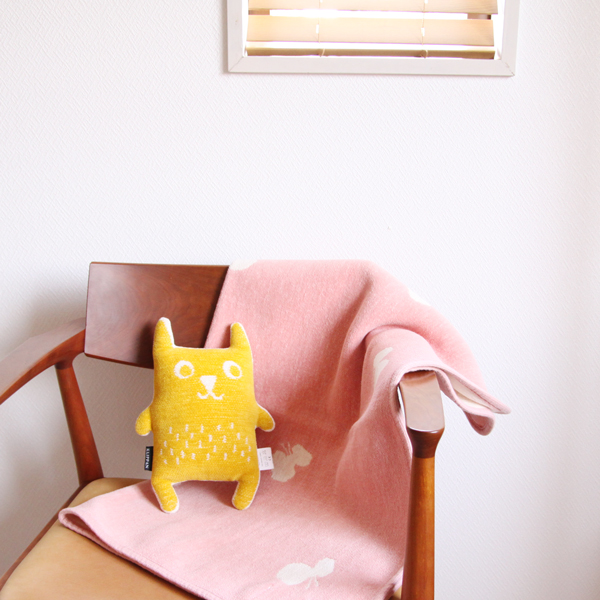
Winter wool blankets tend to come in calm shades like gray and white,
or warm tones like red and brown,
but cotton blankets often come in cute colors like pink, green, and blue,
so simply switching to one can
completely change the atmosphere of a room.
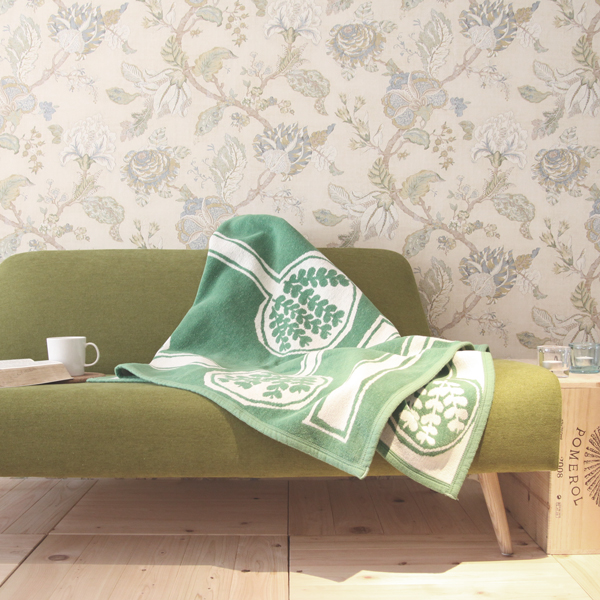
That uplifting feeling as the season turns from winter to spring.
It would be lovely to update your room's décor to match that mood, and make it feel more spring-like.
The wool blanket that kept you warm all winter—if you care for it properly and put it away,
it's funny how you start looking forward to seeing it again in half a year's time.

GUIDE »
CATEGORIES »
- + Gifts by recipient
- + Gifts by scene
- + Clothing
- + Bags / Backpacks
- + Wallets / Card cases
- + Jewelry
- + Shoes
- + Rainy day outfits
- + Kitchen
- + Home
- + Babies / Kids
- + Japanese products
Earn Miles


Payment & Security