


.webp)


.webp)


.webp)


.webp)


Welcome to ZUTTO
Free shipping for newsletter subscribers (some areas excluded)
- トップページ/
- ZUTTO Journal/
- お手入れ・エイジング/
- Scandinavian acce...

Nordic accessories in leather and pewter that age beautifully over time
Do you have something you wear close to you, like a talisman? Something that gives you a sense of reassurance and quiet strength just by having it with you. It's even better when such an item is made of a material that, rather than simply wearing down, develops a beautiful patina the longer you use it.
This time, we'd like to introduce the thoughts behind the materials and the way they change over time in the talisman-like accessories passed down among the Sámi, the indigenous people of Lapland in the Nordic region.



Duodji (also spelled duodje) is a traditional craft that has been passed down among the Sámi, the indigenous people of Lapland in the northern Scandinavian Peninsula, since around the 16th century.
The Sámi people, who live in the northern parts of Finland, Norway and Sweden as well as the northeastern part of Russia, have long been a people who lived a nomadic life alongside reindeer. Today, many have settled down as their lifestyle has changed, but they continue to cherish what has been handed down to them as a source of ethnic pride.

The accessories the Sámi create are called duodji. Their materials are reindeer leather, antler, and sinew, along with pewter, an alloy of tin. To the Sámi people, reindeer are vital to their way of life, and using the leather, antlers and other parts of the reindeer is a way of showing respect—both for nature's blessings and for the reindeer that lived alongside them.
The fact that reindeer antlers have been passed down as a talisman said to bring happiness shows just how important reindeer are to the Sámi people.
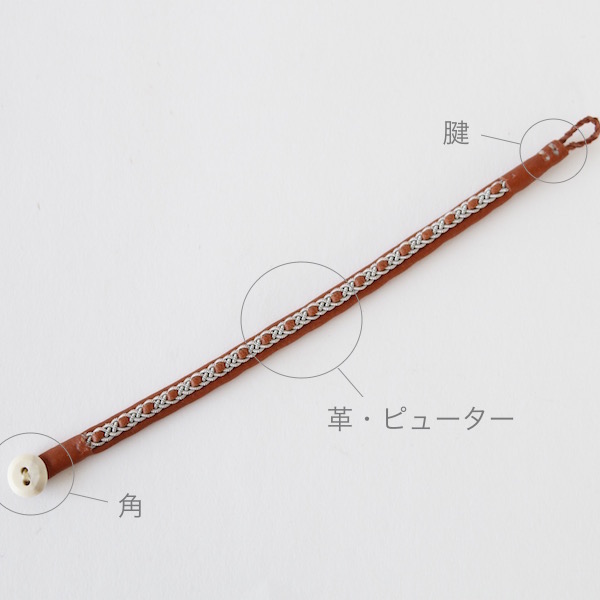
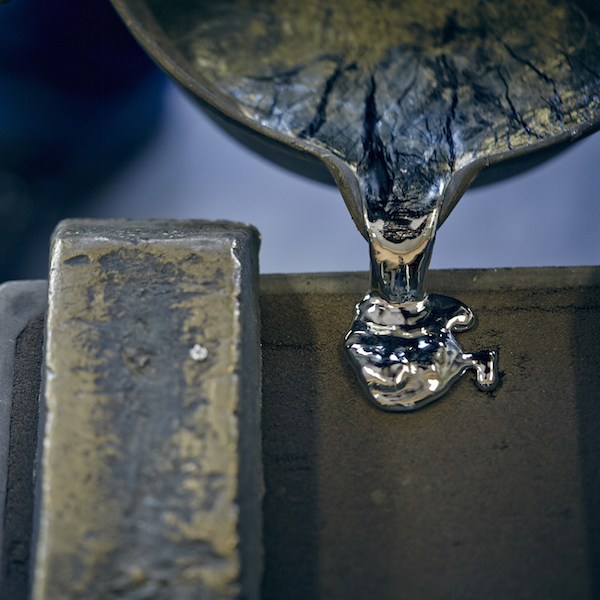
The lustrous silver thread used as decoration is made from an alloy thread of pewter (tin) and 4% silver, and it slowly gains more shine the more it is used. This material came to be used as a "second resource," stemming from the history of the Sámi people once transporting pewter across the Scandinavian Peninsula by reindeer.

Many of the patterns found in duodji have been passed down through generations within families. Designs vary widely, from those in which pewter wire is woven into various patterns, to those where the leather is decorated as if embroidered.
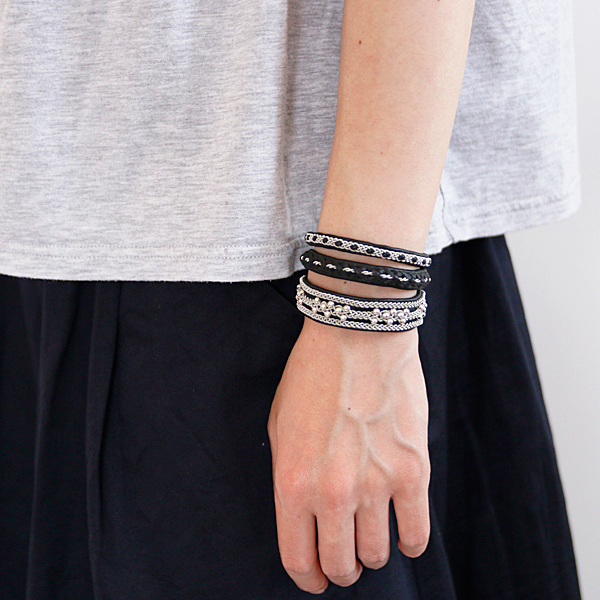

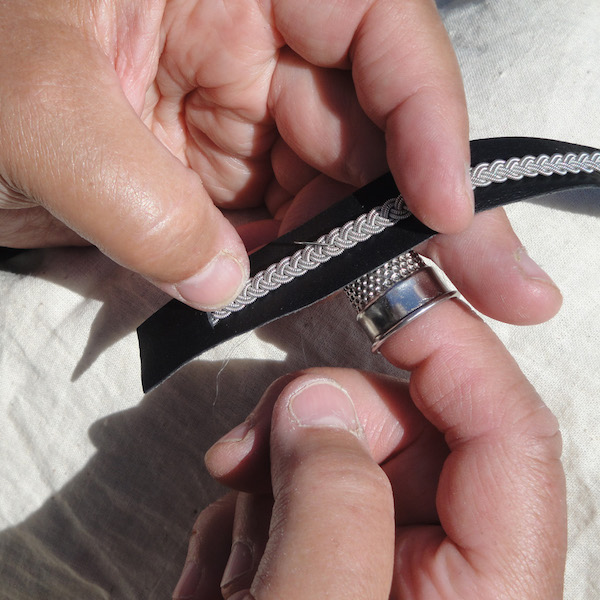
What ZUTTO is introducing here are pieces by Monica Johansson. For over 20 years, she has run her own atelier in a small village surrounded by the beautiful nature of northern Sweden, handling both design and production entirely on her own.
For Monica Johansson, a descendant of the Sámi people, taking up duodji-making was a natural path to follow. She wishes to keep the beautiful Sámi tradition alive without letting it fade, and to share it with the world.




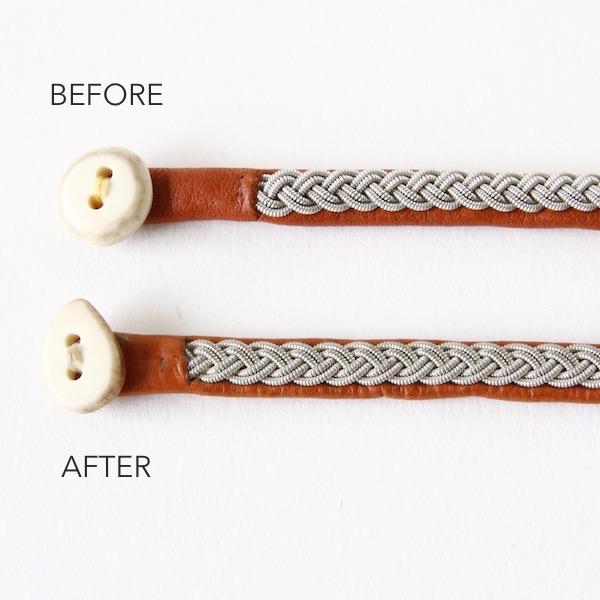
Leather: The color deepens and it becomes even softer
Because reindeer leather is lightweight and fine-grained, it has a moist feel and is extremely soft. Over years of use, the natural oils from your hands will deepen the color, and the leather—once springy—will soften and relax, becoming even easier to handle.
Antler (the button clasp): The edges wear smooth and it gains more luster
The button clasp is made from processed reindeer antler. There is some variation between individual pieces in the color of the antler, and likewise some variation in how it ages, but with use it becomes rounder and takes on a shine. Reindeer antler is regarded as a symbol of power, considered sturdy enough to dig up food from beneath the snow even in the depths of winter.
Reindeer also have the characteristic of shedding and regrowing their antlers once a year, in order to grow ever sturdier ones. Because the antler becomes beautiful once shaped and polished, it is said to be used in many kinds of ornaments.
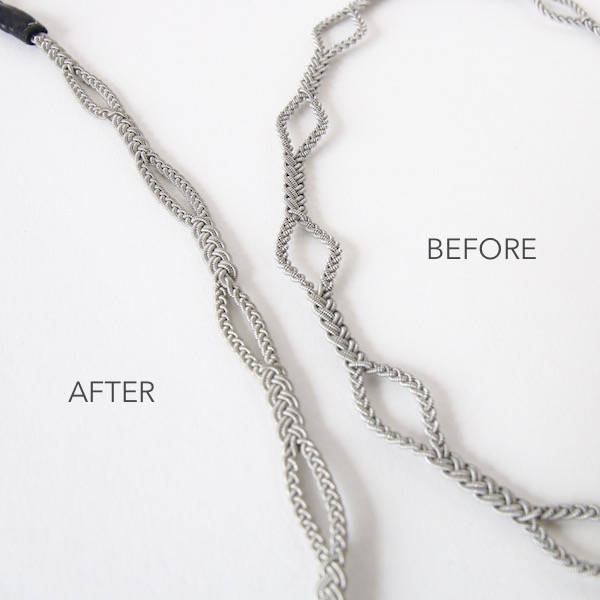
Pewter (decorative parts): Slowly, over time
The pewter parts, which start out firm, also soften and settle in with use. Pewter is a stable material that resists oxidation and rust, so its color changes only slowly, over a long period of time.
Being resistant to rust also means that no harmful substances leach out of it, making it a safe and reliable material. Pewter is also known to have antibacterial properties, and is said to be unlikely to trigger allergic reactions.
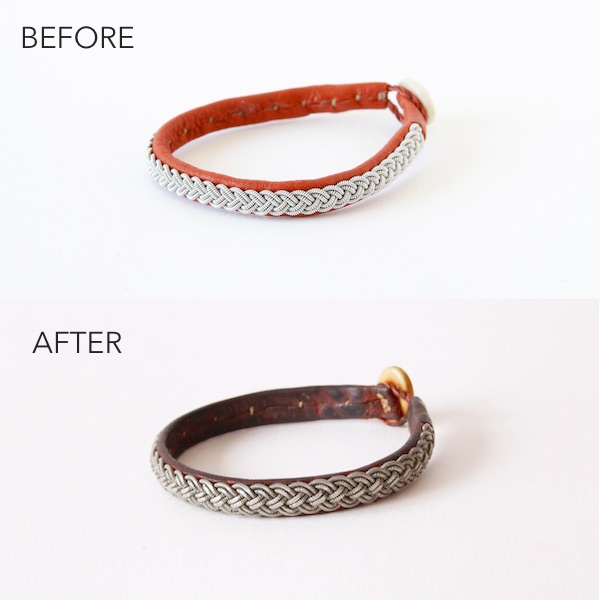

・Once a month, wipe it dry with a cotton cloth.
・The metal may darken over time, so be sure to store it in a sealed container when not in use.
・It's fine if it gets wet during housework or bathing, but to keep it looking its best for as long as possible, we recommend removing it beforehand.
That said, what matters most is wearing it often, with affection. Wearing it regularly naturally replenishes its oils, so there's no need to worry too much about complicated care—just enjoy it freely.
GUIDE »
CONTENTS »
CATEGORIES »
- + Gifts by recipient
- + Gifts by scene
- + Clothing
- + Bags / Backpacks
- + Wallets / Card cases
- + Jewelry
- + Shoes
- + Rainy day outfits
- + Kitchen
- + Home
- + Babies / Kids
- + Japanese products
Earn Miles


Payment & Security




