


.webp)


.webp)


.webp)


.webp)


Welcome to ZUTTO
Free shipping for newsletter subscribers (some areas excluded)
- トップページ/
- ZUTTO Journal/
- ブランドストーリー/
- Linen Aging Labor...
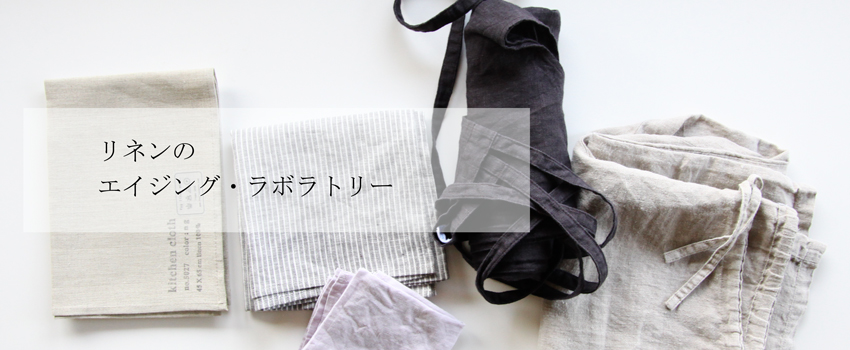
The Linen Aging Laboratory (Part One)

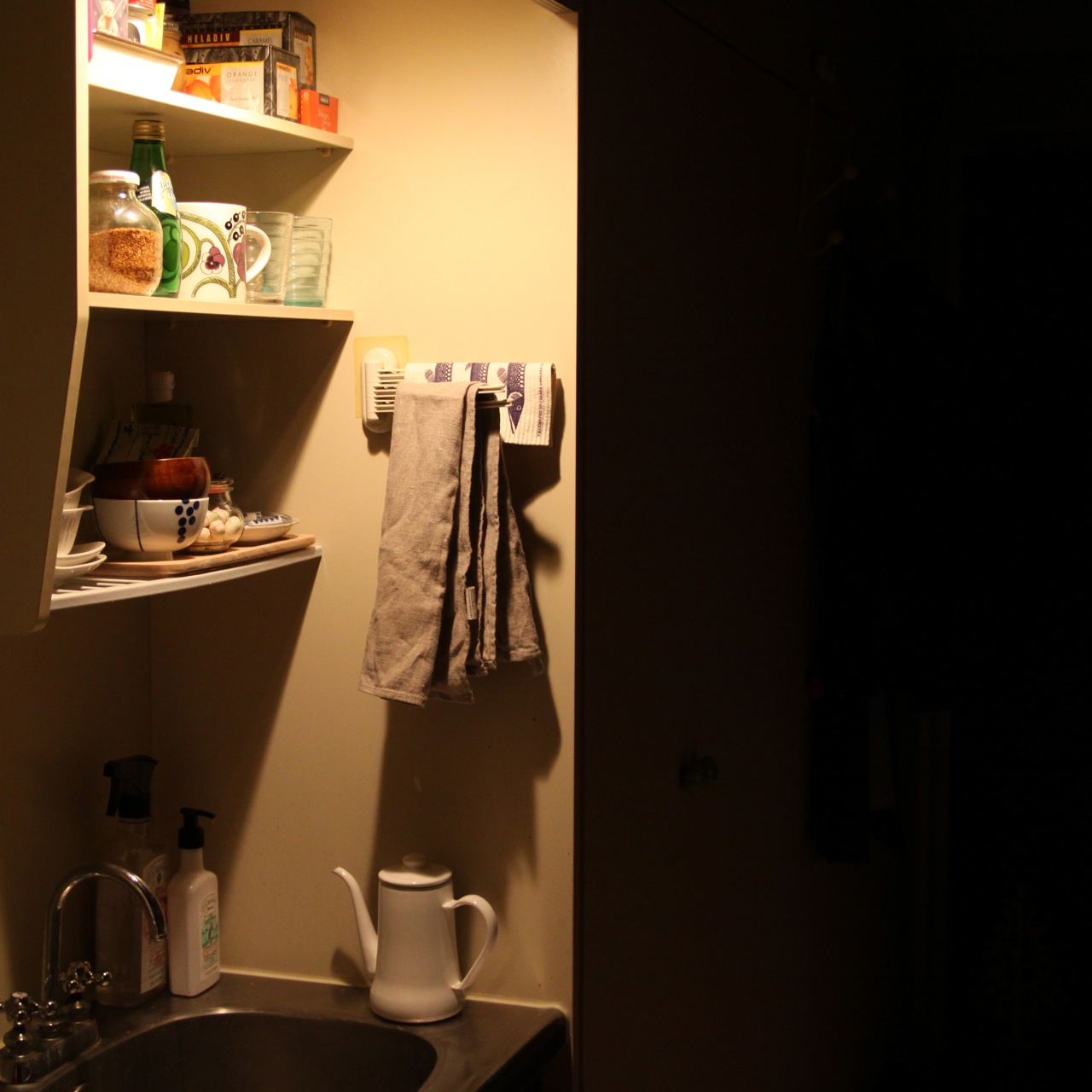

Waking at 2 a.m. with a parched throat,
I got up and headed to the kitchen for water.
In the hushed stillness of the sleeping house,
seeing the well-worn linen hanging in the kitchen
gave me, for some reason, a deep sense of relief.
The reassurance of knowing that the things you use every day are simply there.
It seems that even a single kitchen cloth
can move you in ways you don't expect.
What exactly makes something good for everyday use?
Wanting to understand more about the attachment that grows from daily use,
I visited Yumiko Sekine, owner of fog linen work.

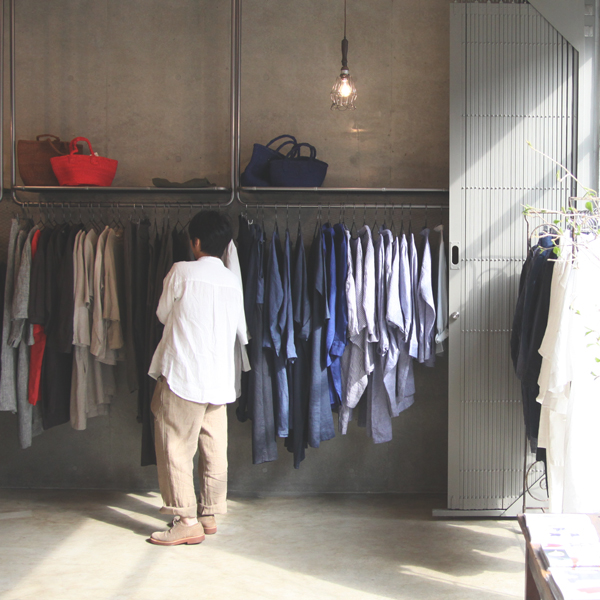
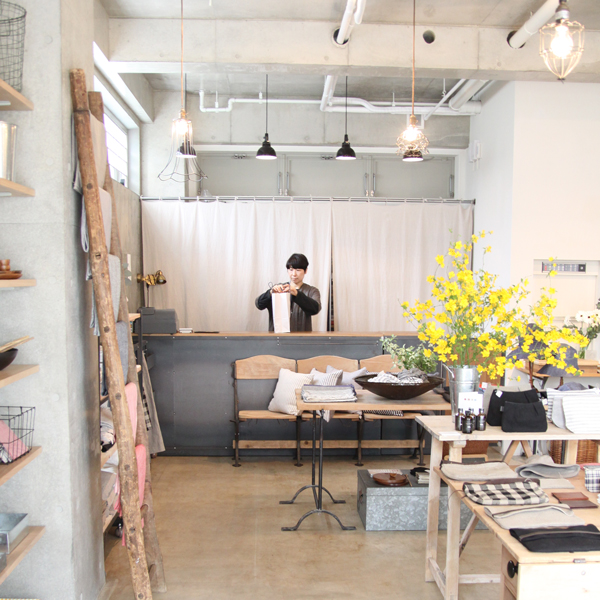
Walk down the gentle slope from Shimokitazawa Station, and you'll come upon
a square, three-story building.
That's the shop for fog linen work.
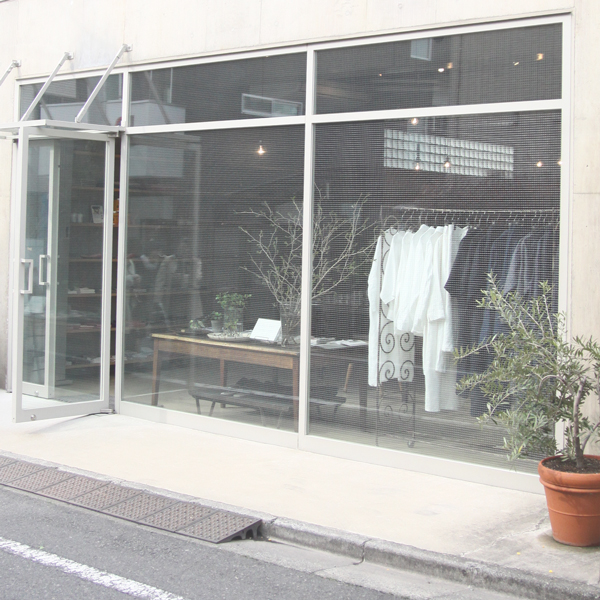
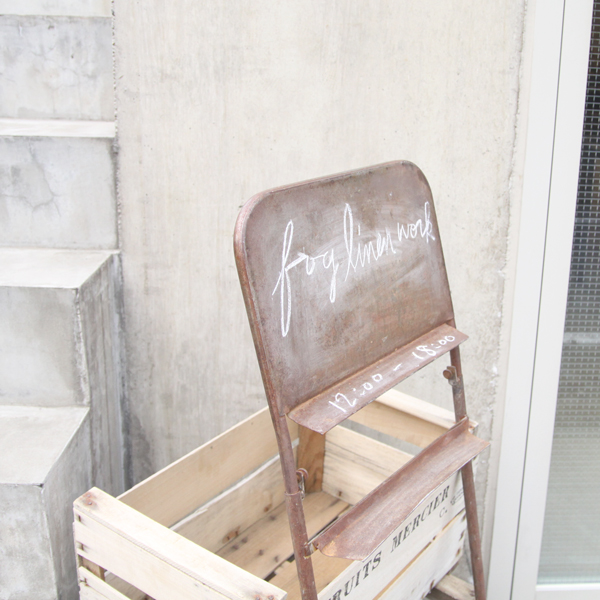
-----This space feels so comfortable, as if it's always been here.
The first floor is the fog shop, the second floor is used for photo shoots and workshops,
and the third floor serves as our office. On the second floor,
we've recently been holding tea-brewing workshops,
and there's also a calligraphy class planned.
We used to have a shop a short walk from Shimokitazawa Station,
but when we decided to move here, we built the space from the ground up, starting with the building itself.
-----I see. Does your own home have a similar feel to it, Sekine-san?
Yes, I think so. Since I value placing things in the shop that I myself would want to use,
it makes sense that the space created to hold those things would naturally take on a similar character.
I do think that's true.
Actually, I was just recently thinking about building my own house,
and as I was imagining what it might look like…
it ended up almost identical to this fog building (laughs).

-----I think I understand that feeling (laughs). But it's interesting, isn't it.
When building a shop, the products—the world of fog—come first,
and then you think about what kind of box (building) should hold them.
And somehow, the creation of a private space naturally ends up resembling that same process.
It's the same when making things as fog linen work.
We never clearly put into words something like, "This is our theme."
It comes down to whether I myself would want to use it. Whether I genuinely want it.
It might seem like a very intuitive way of working,
but even if it can't be put into words, I think this unchanging core
connects to the brand's approach to making things,
as well as to more personal matters, like building my own home.
-----Not putting a clear theme into words.
That actually sounds like it could be quite difficult.
For fog linen work, "everyday use" is something like a theme, or rather,
a concept we hold onto in words,
but we don't decide on something like, "This season, it's this!" as a seasonal theme.
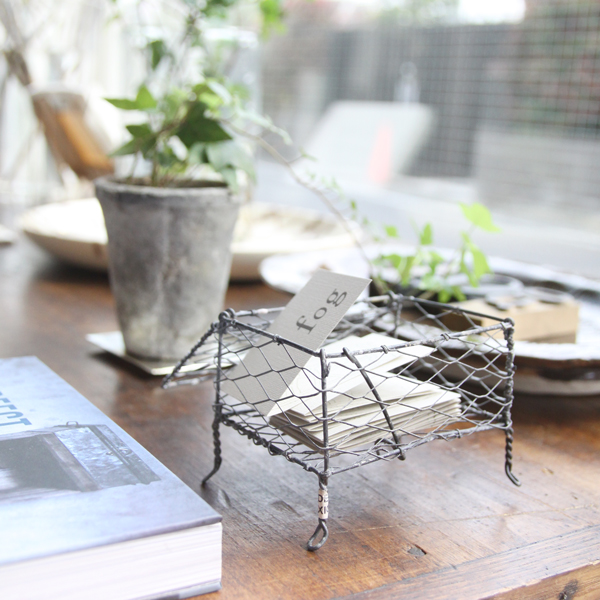
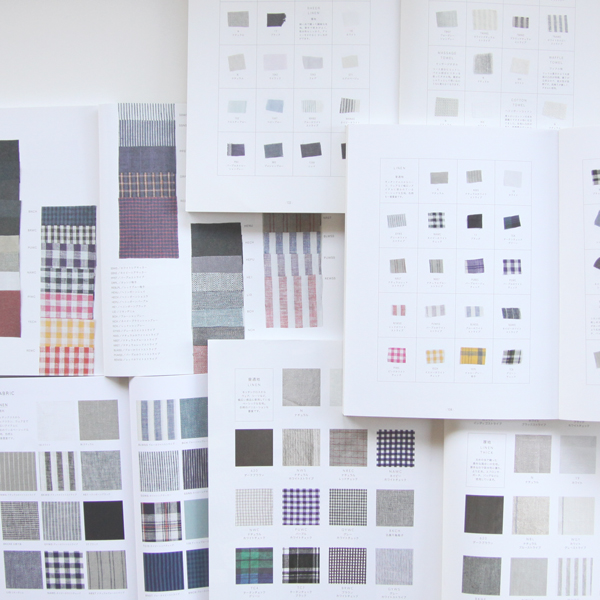
-----I always look forward to the catalog that comes out twice a year.
With each passing season, new items and patterns are added,
and I feel like there's an atmosphere unique to that particular moment.
But you don't set specific themes for each season, then?
Since I plan the linen items on my own,
there's simply no need to put a theme into words
in order to share it with anyone else during the creative process.
I don't make things according to individual themes,
but I do think things like the country I traveled to at the time, or the people I met, often end up having an influence.
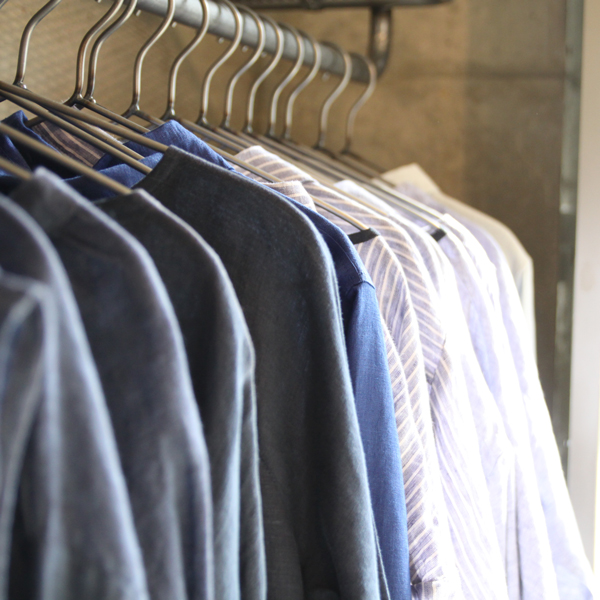

-----Apart from standards like natural and white,
there are also new patterns and colors that rotate in and out, aren't there?
Is there anything you're mindful of when thinking through those variations?
A freshness that keeps people from feeling like it's always the same.
And also something that slips easily into memory,
yet doesn't linger forever—it fades away smoothly.
That's probably how I'd put it.
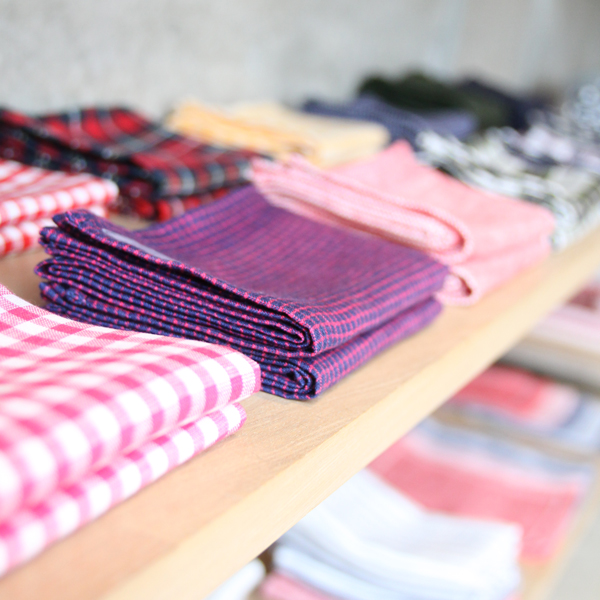
For example, I have about twenty variations
of tablecloths that I use at home, and when guests come over,
it would be a shame if they thought, "Oh, that's the same pattern as before."
But on the other hand, having just one single piece that sticks in someone's memory doesn't feel quite right either.
It's a bit different when it comes to clothing,
but for linen as interior fabric,
whether it's the pattern or the color, we keep a foundation of fog's easy-to-use everyday character,
while still valuing a small touch of novelty. That's the way I think about it.
-----Do you ever feel the pains of creation,
that sense of "I have to make something new"?
Not really! When we put out a new catalog, usually seven or eight patterns get swapped out,
but I never feel forced to think, "I have to come up with a new color."
Rather than adding things we don't need,
I think it's better to add things only when there's something we actually want.
-----I see. Is there a particular pattern that's an especially treasured favorite of yours?
Hmm, I suppose it's probably whatever new pattern is in this season's catalog.
Every time a new season comes around and we release a new pattern, I always end up thinking that (laughs).

-----I think the qualities that make something suited to everyday use
apply across all kinds of different objects.
What do you think is the common thread among such "things"?
Linen is, by nature, an extremely strong material.
It's said to be the strongest among plant-based fibers found in nature.
It's water-resistant, dries quickly, and stains come out easily.
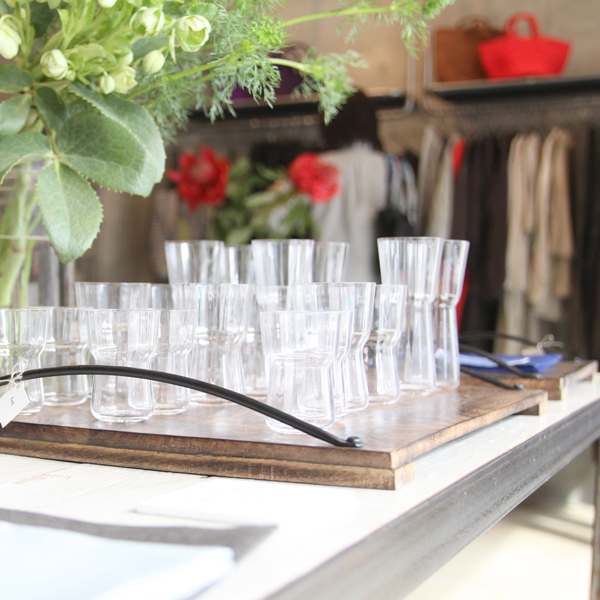
But take ceramic tableware or glass tools, for example—if you drop them,
they're materials that can shatter in that single instant.
So even though the inherent characteristics of materials differ,
when I choose things myself, I look at them from the perspective
of "would I want to buy this same thing again?"
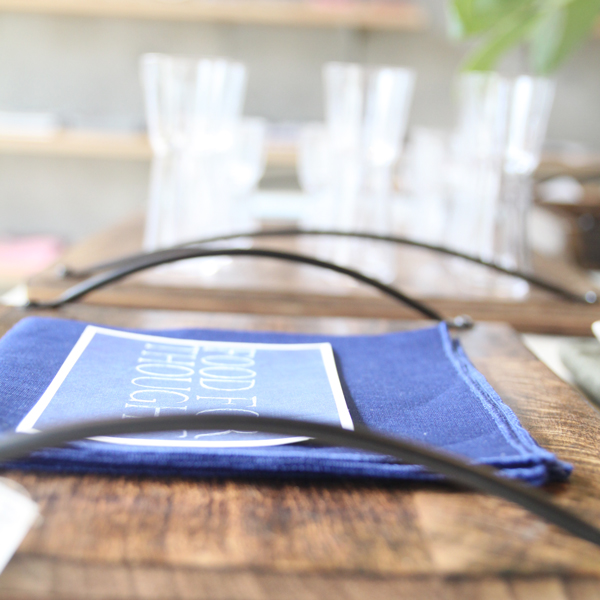

-----Would you want to have the same thing again—is that the standard?
Yes, for example, for people who use fog items,
I'd like us to be a presence where they think, "Ah, I want to buy the same thing again,"
and also to be in a situation where that same item is actually available—
in other words, as a brand, to "keep making it."
Alongside feeling this as a maker, when choosing everyday tools as a user,
when I ask myself whether I could stay fond of something for a long time,
I think what matters is whether I can still think, "yes, this is the one."
Going back to linen, the kitchen cloth—born as fog's very first item—
has been made continuously without a single change in specification ever since.
At the same time as creating new items and new colors,
there's the importance of continuing to make such standards.
What I think matters as a user
may simply be, as it is, my thinking as a maker.
-----Starting with linen, cloth in general seems like a material
where it's hard to draw a clear line for "this can't be used anymore."
Sekine-san, when do you feel it's time to replace it?
Honestly, I myself love the crisp feel of new linen,
so I don't hesitate much when it comes to switching to something new.
Of course, how it changes over time depends on use and how often it's washed,
so there's no fixed timing for when to replace it,
but for example, refreshing the linens at the New Year makes the mind feel refreshed too,
and when guests are coming, I might bring out new larger linens—something like that.
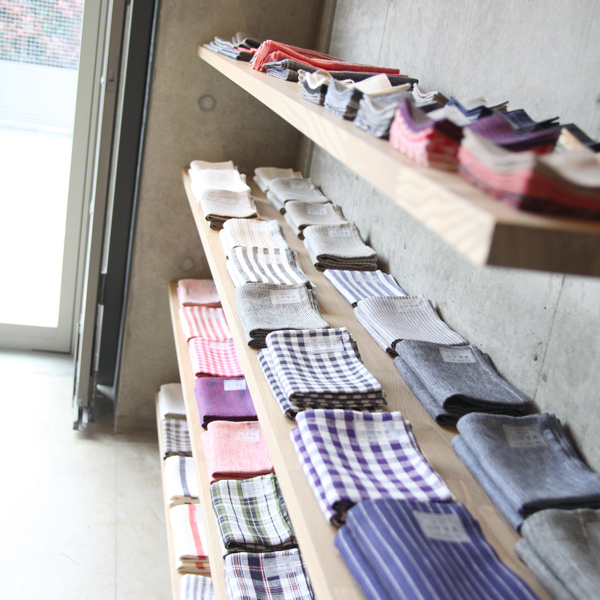
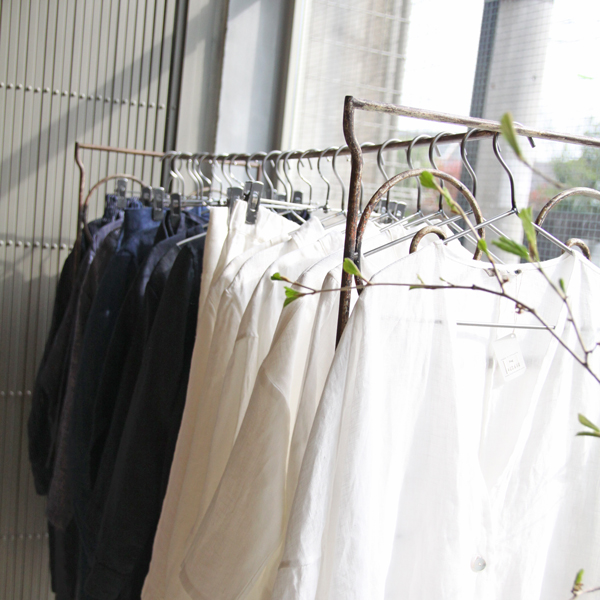

-----Changing linens for a fresh feeling. It's interesting how objects can be
a trigger for a change of heart too. By the way, what do you do with linens once they've gotten old?
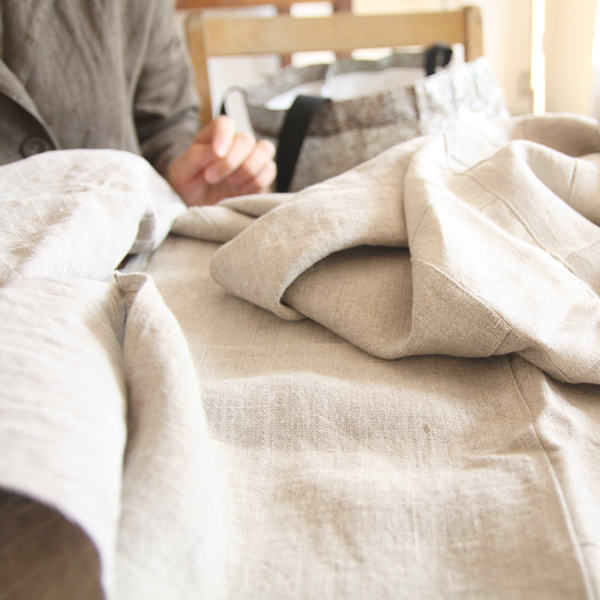
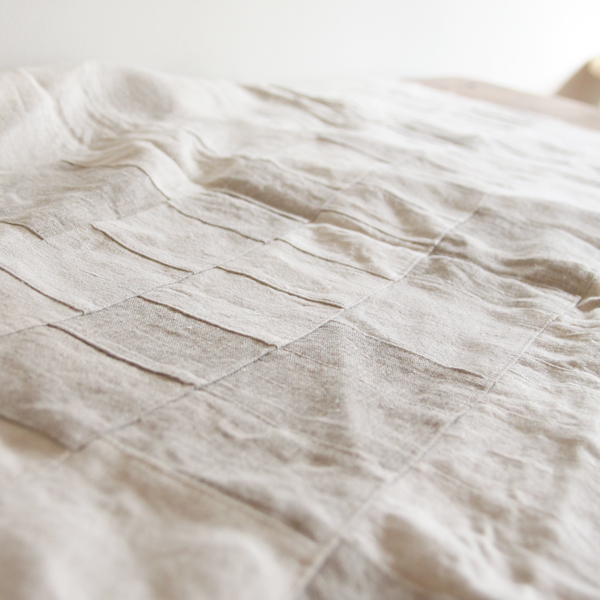
For example, this one. It's made from worn-out linen
that I cut into small pieces, avoiding the holes, and sewed together on a machine.
They were originally all the same "natural" linen,
but due to individual differences in manufacturing, or nuances that emerge
from changes over time, the colors differ slightly, and once pieced together, an expression appears.
-----And on top of the patchwork, there's a further pattern added.
Yes, on top of the patchworked linen, I stitch freehand
swirling loops with the sewing machine.
It looks interesting, and the stitching also makes the fabric more durable.
Sometimes I make it into one large piece of cloth and use it as a curtain,
and sometimes I cut it smaller, sew the edges on the machine,
and use it as a cushion to place between stacked plates.
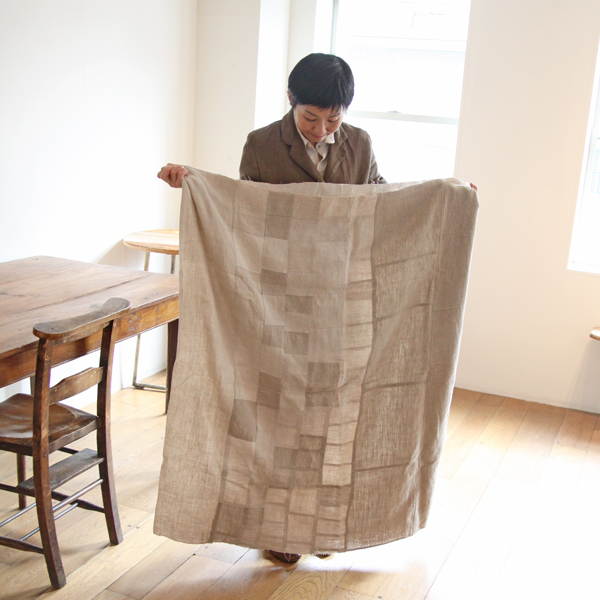
-----Is there any wisdom you'd share for using linen for a long time?
As long as you don't use a dryer, there really aren't many rules like
"you must do this" or "you mustn't do that," so please use it without worry.
Just wash it thoroughly with ordinary laundry detergent,
and dry it well. That's all there is to it.
For those who like it crisp, I'd recommend ironing, but
personally, whether it's a tablecloth or bed linen, I never iron it—
I just use it as is. After washing and drying,
if you fold it and stack it away, it ends up nicely straight anyway (laughs).
-----fog's products are manufactured in Lithuania. What can
you tell us about the characteristics of Lithuanian linen?
Besides Lithuania, there's Irish linen, French linen, and others—
various types of linen depending on where they're produced.
People often have an image that Irish or French linen uses finer thread and more delicate weaving,
while Lithuanian linen has a rougher, coarser weave,
but
in fact, it's said there's almost no clear difference in weaving technique or manufacturing method.
Lithuania has hot summers and cold winters, a climate well-suited to growing flax,
and thanks to this, production has flourished there since ancient times.
Even now, everything from spinning the thread to weaving the cloth is done domestically,
though in recent years, it seems quite common for European linen makers
to import linen thread produced in Lithuania and weave the fabric in their own countries.
In that sense, having an unchanging production system,
and being able to make the thread domestically, is one of the strengths of Lithuanian linen.
This is what allows good products to keep being made at a fair price.

For those of you who are already enjoying fog linen right now,
I'd definitely recommend sometimes buying new linen to add to what you have.
By doing so, you can enjoy both the changes in something you've used for a long time
and the appeal of something new, all at once, which only deepens your attachment to it.
For those thinking of trying it out for the first time,
it's simply a sturdy, long-lasting material,
so I'd be truly delighted if you brought it into your daily life more and more.
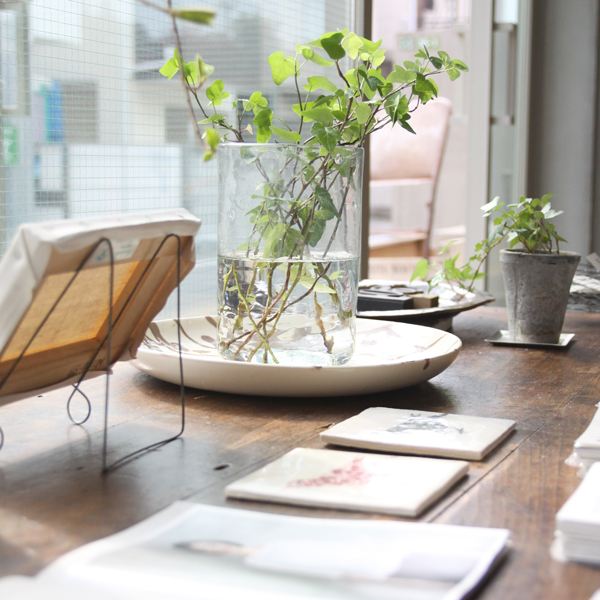

The day we visited the fog shop for this interview was a wonderfully warm spring day.
It was early April, just as the Somei Yoshino cherry blossoms
were beginning to scatter and the double-flowered cherry blossoms were coming into their prime.
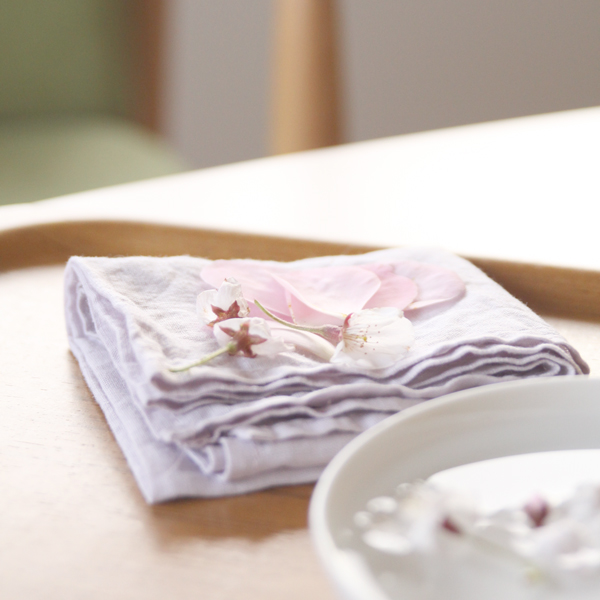
On the way home from the interview, I gathered up
fallen cherry blossoms in the fog handkerchief I was carrying.
Throughout the interview, to every question I posed,
she always answered clearly and without hesitation.
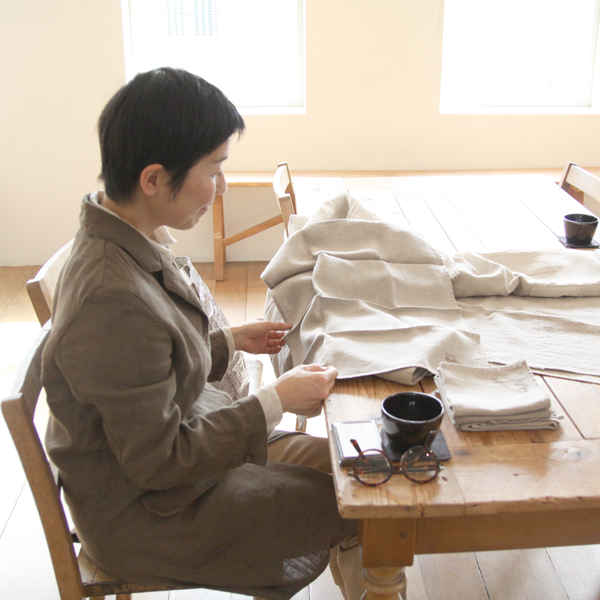
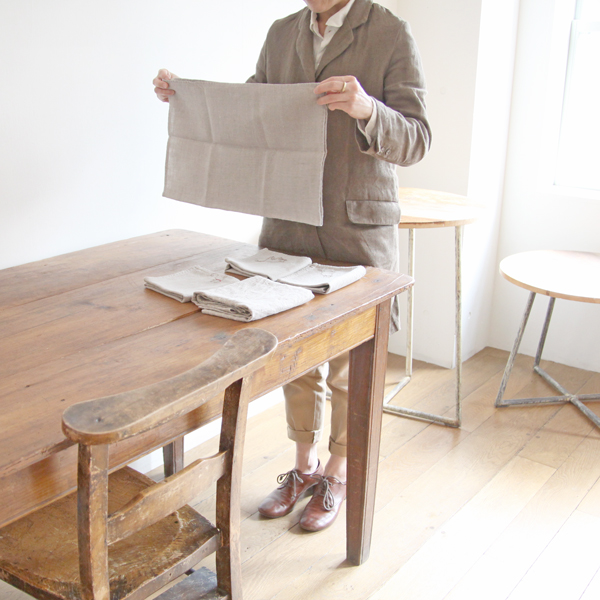
Sekine-san, who answered our questions.
The way she coordinated her linen jacket with a shirt
was truly stylish, and it left a strong impression on us.
The conversation touched on the unconscious connections between building a shop and building a home.
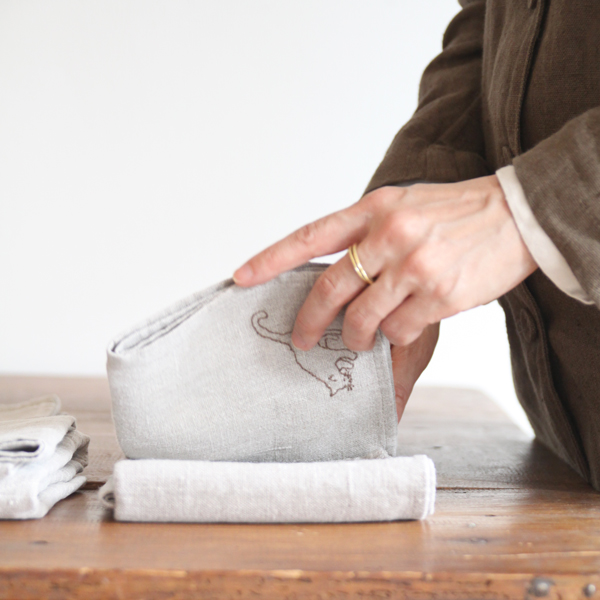
A motif of her beloved cat, which she herself had embroidered.
A staff member carefully ironing at the shop counter.
And customers taking their time to pick up and feel the linen.
Being able to buy and use the things you love.
Finding yourself wanting to use them again. And actually being able to get your hands on them.
We were reminded once more of just how wonderful that is.
In the latter half of this piece, based on what we learned from Sekine-san,
we'll explore the aging of linen.
How much does it shrink when washed?
What pairs well with linen? And more.
We hope to see you again next time.
◇See the full lineup of fog linen work products here
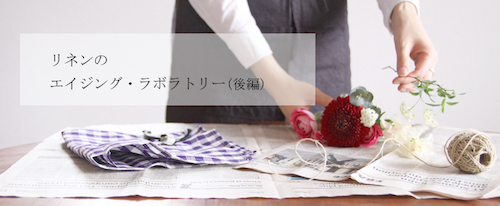
▼The Linen Aging Laboratory, Part 2, is here
GUIDE »
CONTENTS »
CATEGORIES »
- + Gifts by recipient
- + Gifts by scene
- + Clothing
- + Bags / Backpacks
- + Wallets / Card cases
- + Jewelry
- + Shoes
- + Rainy day outfits
- + Kitchen
- + Home
- + Babies / Kids
- + Japanese products
Earn Miles


Payment & Security




