.webp)


.webp)


.webp)


.webp)


- トップページ/
- ZUTTO Journal/
- ブランドストーリー/
- 【Feature】Visiting...

【Feature】A Visit to the Hanamokko Atelier (Part 2)

In Part 1, we heard about the characteristics of iwa-enogu (mineral pigments), the traditional Japanese art material used in Hanamokko's wristwatches, and about the traditions of nihonga (Japanese painting).
Next, we were shown the color sample book of iwa-enogu. Apparently only two or three iwa-enogu manufacturers still exist in Japan today.
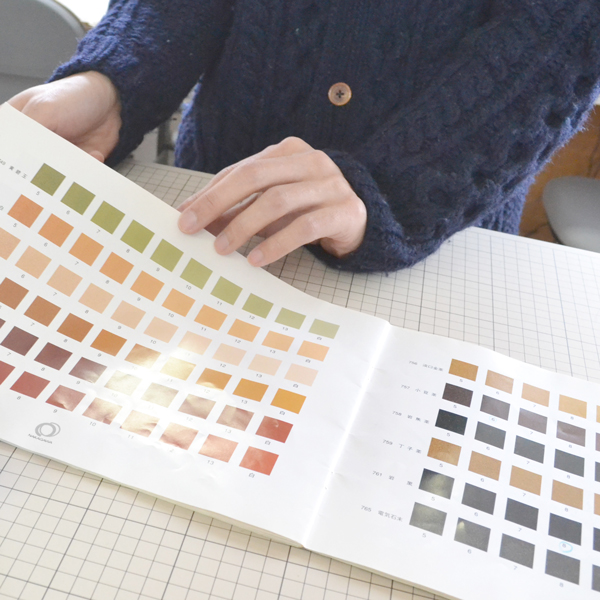
---There are so many varieties. How did you go about choosing the 16 colors for Hanamokko from among all of these?
Hmm, it was really more of a feeling—this color goes with that color, and so on (laughs). But we were particular about choosing natural iwa-enogu wherever possible. There's something called shin-iwa-enogu (synthetic mineral pigment), and aside from colors like "violet" and "navy" that are difficult to express using natural stone, we made a point of selecting the traditional iwa-enogu that have been passed down since ancient times.
---The combination of a wristwatch and iwa-enogu is quite unique. What would you say is the appeal of this pairing?
A wristwatch is a functional product. It's a tool that's expected to tell time accurately. One advantage is that dials painted with iwa-enogu don't change color much over time, so legibility is preserved even after years of use. Because it's a material suited to Japan's hot, humid climate, the surface is also less prone to cracking or peeling.
And beyond the functional aspect of telling time, I think there's something about being able to feel close to the presence of a span of 1,400 years. Most people probably aren't very familiar with nihonga, but I'd be delighted if, alongside a functional product, people could sense this aesthetic sensibility that's been passed down in Japan since ancient times.

Now, let me show you the process—from applying color to the dial, all the way through to assembling the finished wristwatch.
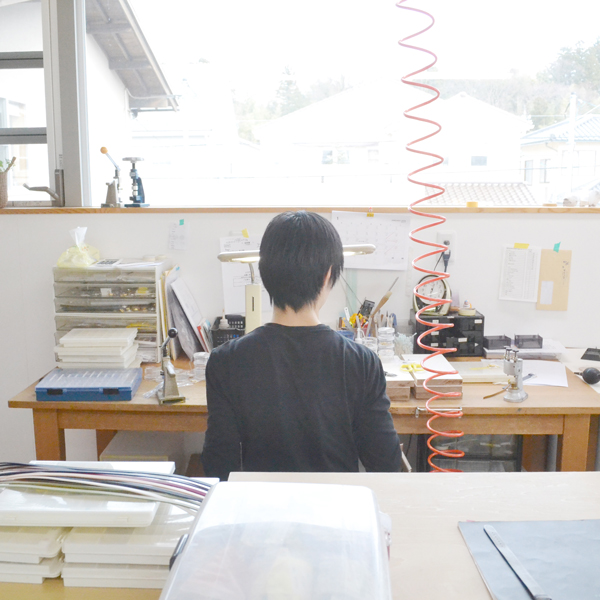
---Is attaching the hands done by hand?
There are machines that can assemble the hands automatically, but at Cielo Blane, every watch is assembled entirely by hand.
The hands are attached in order—hour hand, minute hand, then second hand—and we make sure each one is positioned exactly parallel to the dial.
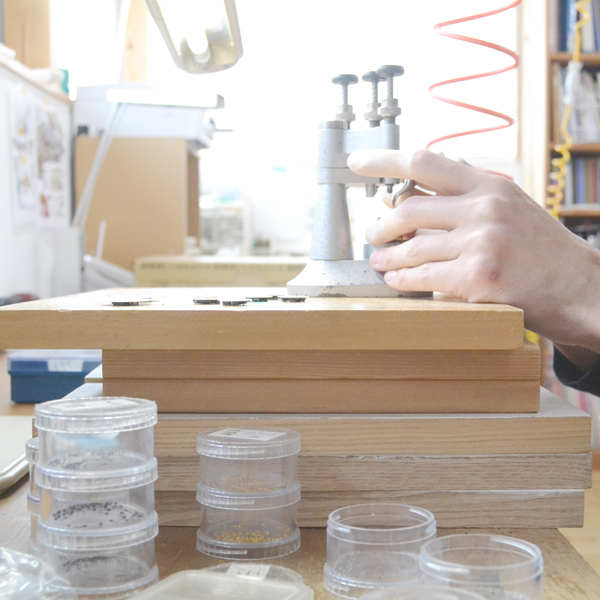
---That's incredibly precise work… It makes me a little worried about whether it will keep proper time.
That's true—if the hands rub against each other, the watch won't function properly, so this is probably the most delicate step, requiring the greatest care. Once the hands are attached and the crown is set, we attach the movement and close it up with the case.
After assembly, we run the watch for a week to check that it's working properly. We check it from the front, then the back, and so on, confirming there are no issues, before finally attaching the strap to complete it.
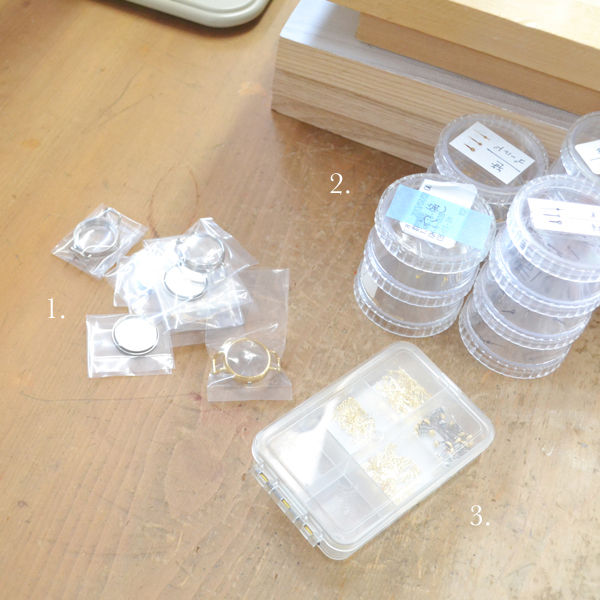
1: Glass case / 2: Watch hands / 3: Crown
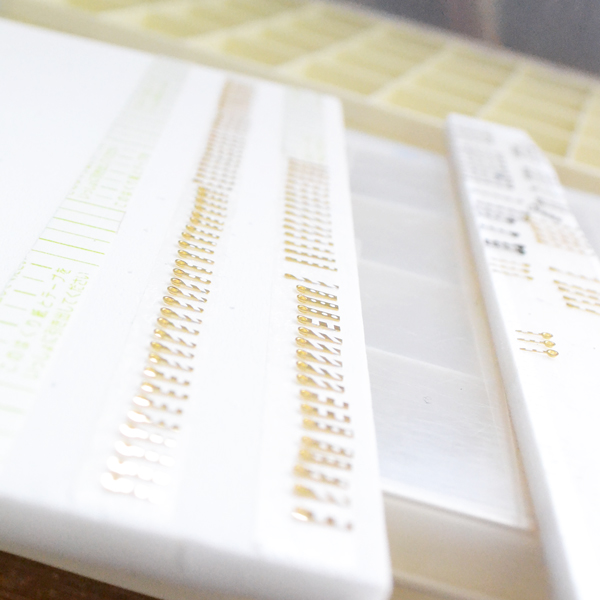
Watch hands finished with a striped pattern. This too is all done by hand.
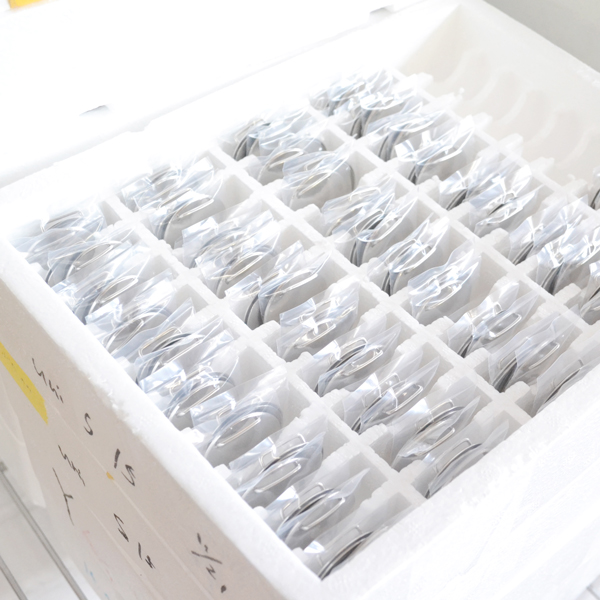
Glass cases waiting to be used
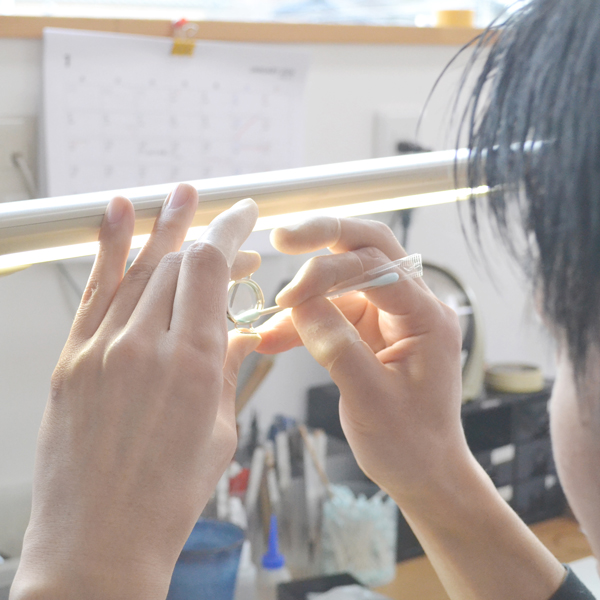
Before assembly. The glass is carefully polished.

The heart of the watch—where the movement is attached.
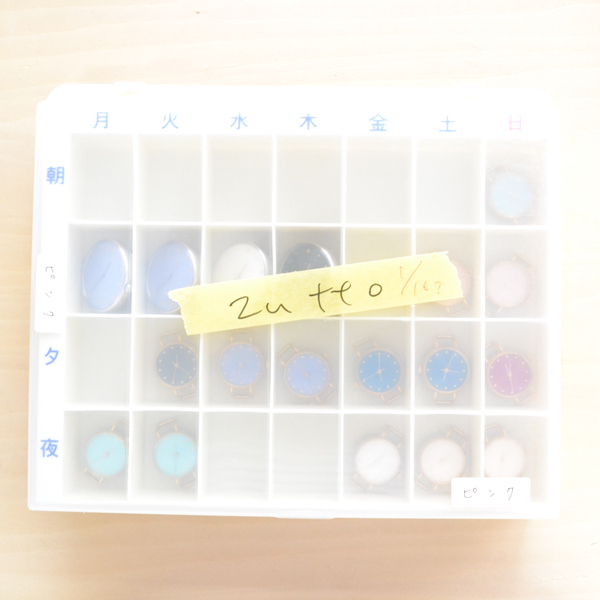
Watches for the ZUTTO order. Having completed their week-long function check, they await shipping.
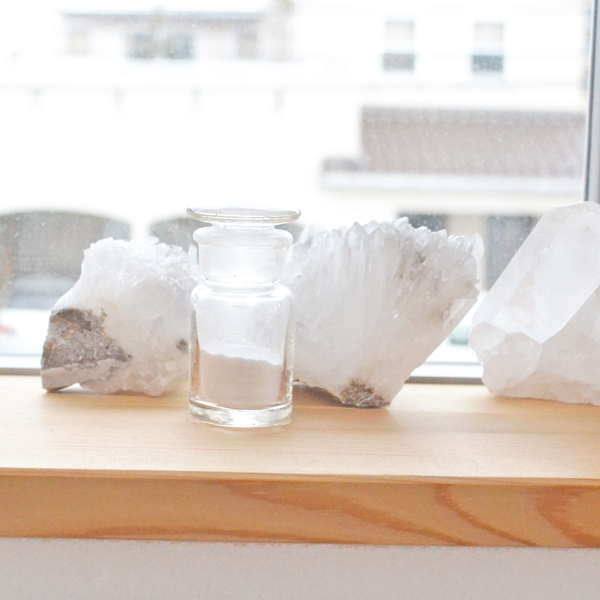
Raw quartz crystal and iwa-enogu by the window.
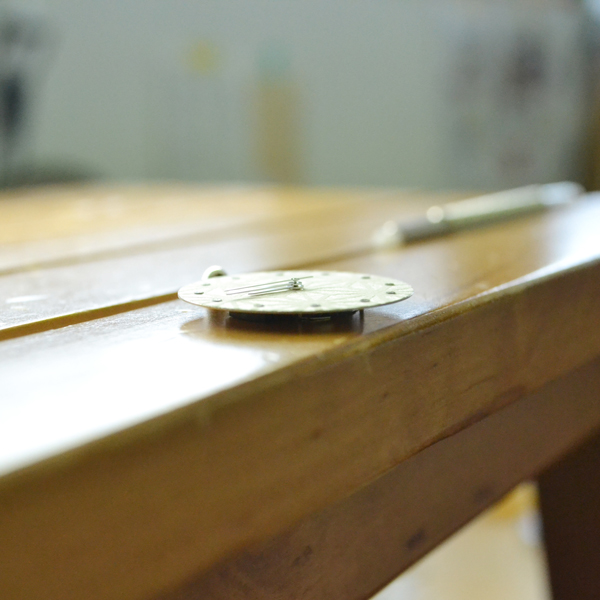
The hour, second, and minute hands assembled. All the hands line up parallel to the dial.
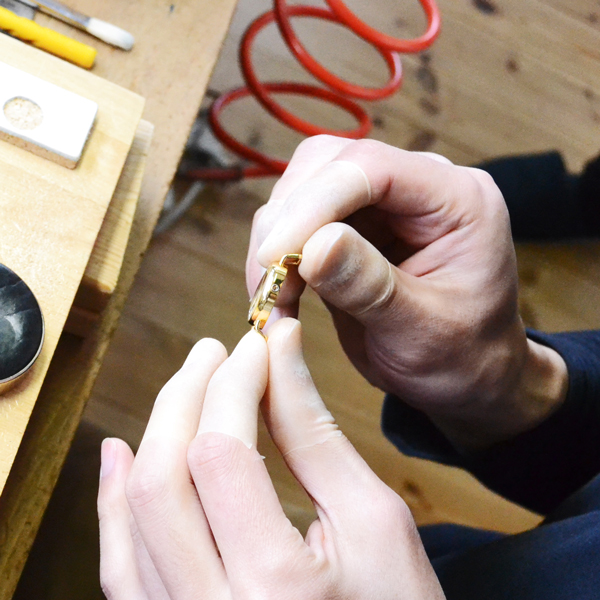
The entire watch assembly is done by hand, by a single craftsman.

---You've shown us every step of the process, from the dial and strap to attaching the hands—all done by hand. This really is a handmade wristwatch.
Given the character of Kanazawa as a place, handmade craftsmanship might be a familiar part of everyday life here.
Ishikawa Prefecture is also home to thriving crafts like Kutani-yaki (Kutani ware) and Wajima-nuri (Wajima lacquerware).
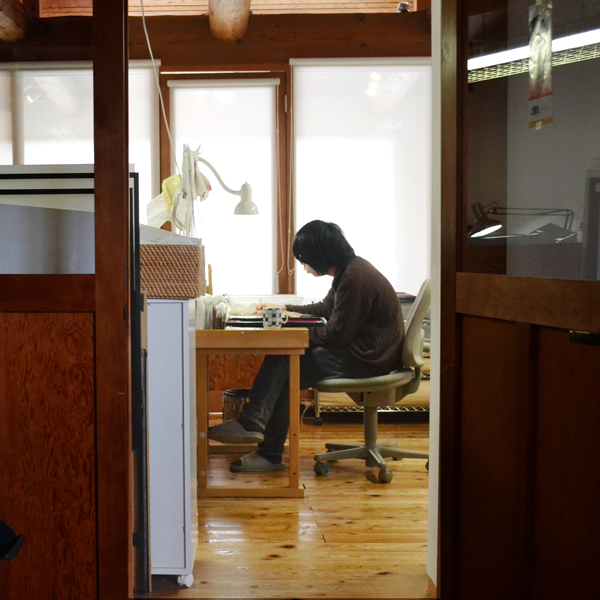
There's an art university, Kanazawa College of Art, near this atelier, and we bring on students from there as craftspeople to work on the straps and dials.
---Are there any new initiatives you're considering for the brand going forward?
Since we're a small workshop, there's a limit to how many pieces we can make at once, but we'd like to gradually incorporate motifs and materials we haven't used before. For example, using watch cases made of solid brass, or incorporating the color palettes of classical nihonga as motifs. We're thinking about how to translate the aesthetic sensibility that's been passed down in Japan since ancient times into the world of wristwatches.
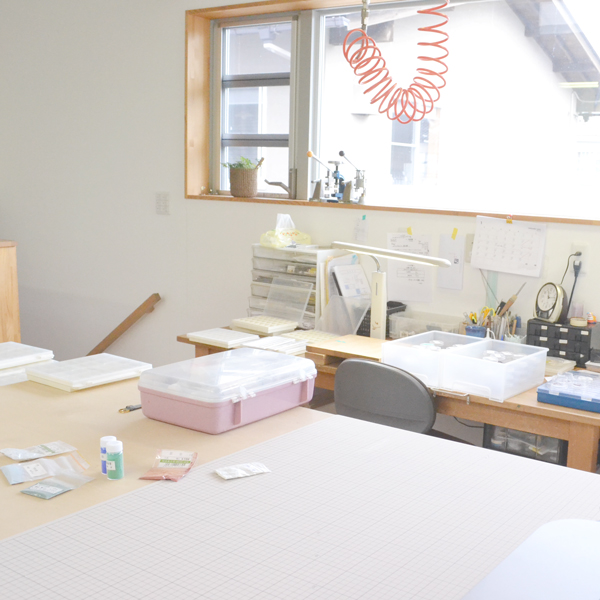

And at the end of the interview, thanks to the craftsman's kindness, we were given a special opportunity to try our hand at making a wristwatch.

1 ) Engrave the index markers on the dial
2 ) Attach the hands
3 ) Assemble the case
4 ) Attach the strap to complete it
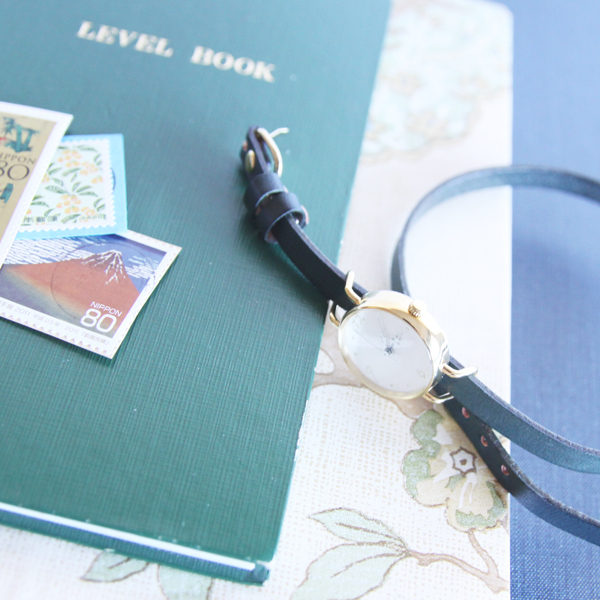
We engraved the index markers onto the dial,
chose our favorite from among the many types of hands, and assembled our own wristwatch.
It turned out to be an unexpectedly wonderful experience.

On the way back from the interview, Mr. Inami, the representative of Cielo Blane, kindly drove us to the station, and along the way he told us about some of Kanazawa's notable sights—the old chaya (teahouse) district that has survived since long ago, and the 21st Century Museum, which had just marked its 10th anniversary.
It was a town where the old, long handed-down and the new coexisted beautifully.
So perhaps it's that very air of Kanazawa that lies sealed between Hanamokko's dials and their glass cases.
A watch—a product that makes visible something invisible, the passage of time—is, when you think about it, a rather strange thing. It's literally mechanical, and at times it can even feel a little cold and artificial.
But by adding iwa-enogu to it—injecting the essence of visible color—
You can feel a sense of time that's different from the time that quietly ticks by—a long, long history.
I feel that the fact everything is handmade adds a real sense of warmth.
This time, we were shown the entire process,
and the delicacy of the craftsman's fingertips is truly remarkable.
There's also a machine that blows air, just like the ones dentists use,
and parts so small you'd think they might blow away if you so much as breathed on them—
seeing things like this at the actual site of manufacturing,
deepened our affection for the product even further.
The wristwatch we carefully brought back from that atelier
is still, even now, quietly ticking away one second at a time.
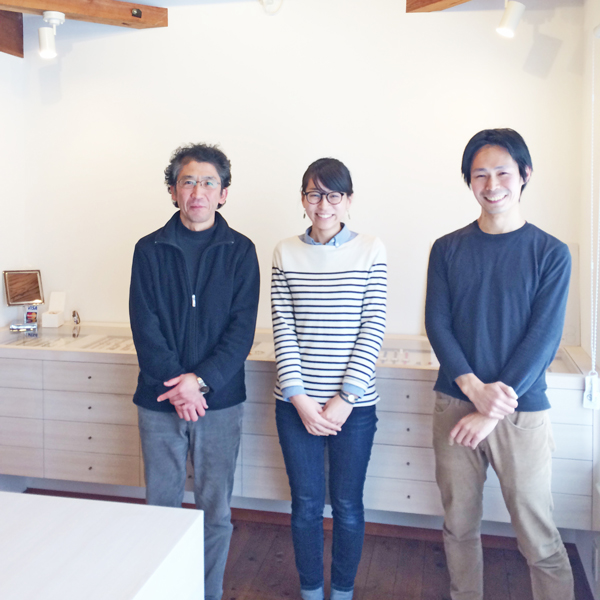
Left: Inami-san (representative of C.Plane) Right: Ushijima-san (craftsman, painter)

◇For more about Hanamokko, click here
GUIDE »
CATEGORIES »
- + Gifts by recipient
- + Gifts by scene
- + Clothing
- + Bags / Backpacks
- + Wallets / Card cases
- + Jewelry
- + Shoes
- + Rainy day outfits
- + Kitchen
- + Home
- + Babies / Kids
- + Japanese products
Earn Miles


Payment & Security