.webp)


.webp)


.webp)


.webp)


- トップページ/
- ZUTTO Journal/
- ブランドストーリー/
- 【ZUTTO's Four Sea...

【ZUTTO's Four Seasons Tea Caddy and Tea Set: The Tea Story】Precious Yamato tea, grown by skilled artisans in Yamazoe Village, in Nara's Yamato Highlands.
Since launching sales at the end of June, ZUTTO's Four Seasons Tea Caddy and Tea Set has been reaching customers one after another—some choosing it for their own homes, others ordering it gift-wrapped as a present. We're delighted to see it find so many happy owners.

In our previous piece, we focused mainly on the story of the four seasons tea caddies, so this time we'd like to talk about the tea leaves themselves.
Read our previous article here >>
The story begins with tea that Kobo Daishi brought back from Tang-dynasty China

For this project, we chose tea from Yamato Seichaen. The Yamato tea (yamatocha) they produce refers to tea grown in the Nara region, and its origins trace back to 806, when the Buddhist monk Kobo Daishi (Kukai) brought tea seeds back from Tang-dynasty China. Nara Prefecture is one of Japan's leading tea-producing regions, and it is also home to the production of "Uji tea," which many people associate with Kyoto.
*Uji tea refers to tea produced across the four prefectures of Kyoto, Nara, Shiga, and Mie.

Yamato tea is grown primarily in mountainous areas rich in nature. Yamato Seichaen produces its tea in Yamazoe Village, in the Yamato Highlands, at an elevation of over 300 meters. The dramatic difference between morning and evening temperatures, the abundant water sources, and the fertile soil that lets crops grow strong and healthy—all of these factors give Yamato tea its clean, crisp flavor and the fragrant aroma that fills the air the moment the tea is brewed.
Yamato Seichaen is committed to having skilled artisans oversee every step from cultivation to tea processing, and their careful, hands-on craftsmanship has earned high praise even from serious tea lovers for its flavor and aroma. For example, with the sencha (green tea) included in the spring and summer tea caddies, tea-processing artisans observe the raw leaves—which vary depending on the variety and harvest timing—and adjust processes such as "steaming" and "rolling" to suit each batch of leaves.
Because the finished tea reflects the artisans' hands-on observation and years of accumulated experience, it lets you fully savor the true, natural flavor of tea crafted slowly and carefully—something quite different from mass-produced tea.
Tea selected to suit each season.
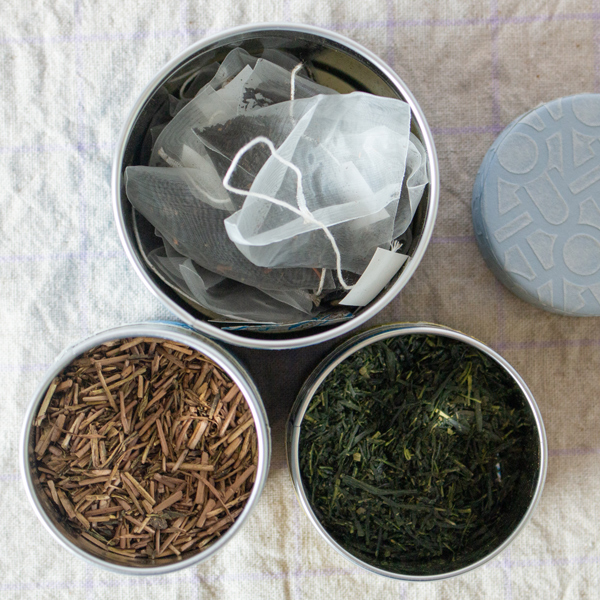
Top: wakocha (Japanese black tea, autumn); left: karigane hojicha (roasted tea, winter); right: niban sencha (second-harvest green tea, summer)
We selected four types of tea leaves, each chosen to evoke the image of a season—spring, summer, autumn, and winter. Both loose leaf tea and tea bags are available. (*The autumn wakocha is available in tea bags only.)
【Spring】Ichiban Sencha (First-Harvest Green Tea)
【Summer】Niban Sencha (Second-Harvest Green Tea)
【Autumn】Wakocha (Japanese Black Tea)
【Winter】Karigane Hojicha (Roasted Tea)

Each set is carefully packed one by one. In fact, the box itself is also handmade—by the same box maker in Fukui Prefecture who crafts the ukigami (floating paper) for Echizen lacquerware.
Here's a brief introduction to the characteristics of each tea and our recommended ways to enjoy them.
【Spring】Ichiban Sencha (First-Harvest Green Tea)

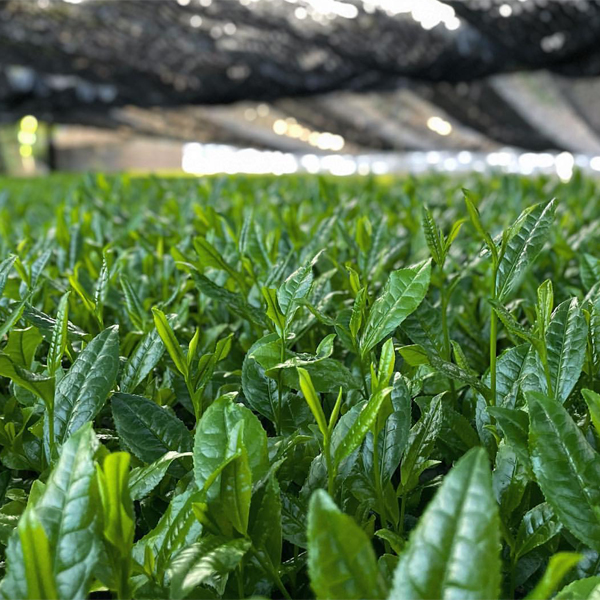
The tea leaves take time to grow, starting in autumn the year before harvest, and begin sprouting in March as the weather warms. The leaves picked from late April through May are called "first tea" (ichibancha), and the new buds that appear about two weeks later are called "second tea" (nibancha). The ichiban sencha in the spring tea caddy is considered the finest-quality tea of the year, grown using shading cultivation, a method that limits sunlight exposure.

A scene from shading cultivation.
Shading cultivation offers several benefits: it slows the conversion of the umami component (theanine) into the bitterness component (catechin), suppresses the hardening of the leaves, and imparts a distinctive shading aroma that enhances the tea's fragrance. The result is a fragrant, refreshing tea with a gentle sweetness.

【Recommended Pairing】Its refreshing aroma and subtle sweetness pair wonderfully with namagashi (fresh confections) and other traditional Japanese sweets.
【Summer】Niban Sencha (Second-Harvest Green Tea)
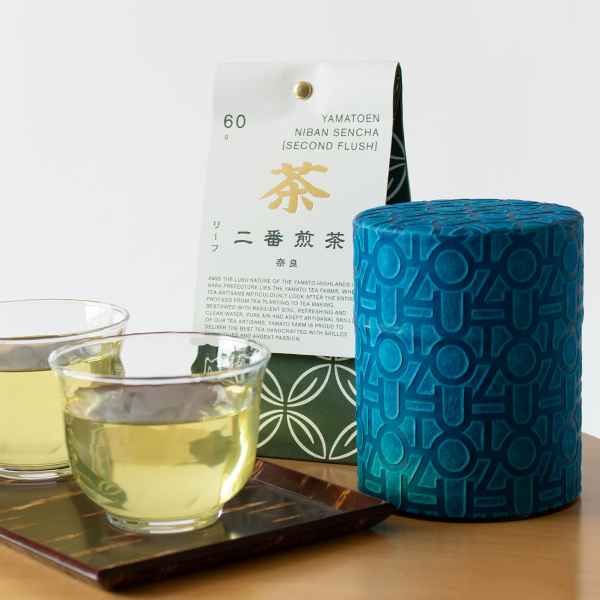
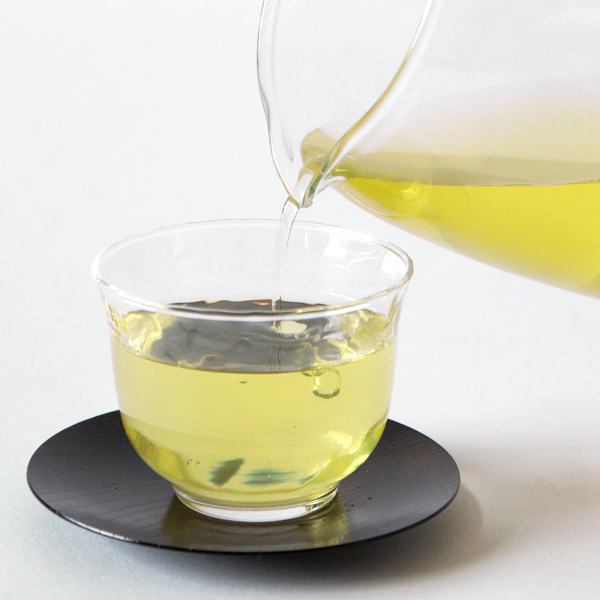
Niban sencha contains more catechins than ichiban sencha and has a familiar taste, like the tea you'd drink every day. We also recommend enjoying it as a cold tea. With its hints of bitterness and astringency, niban sencha has the comforting, everyday flavor people know well.
【Recommended Brewing Method】Brewing it quickly with hot water gives it a clean, crisp flavor. It's also delicious served cold during the hot months. Cold-brewing with water brings out the tea's umami and sweetness fully.

【How to Make Cold Brew (Water Infusion) Tea】
1. Place the tea leaves in a bottle. As a guide, use 10–20g of tea leaves per liter of water. Adjust the amount of tea leaves to suit your taste.
2. Pour water into the bottle. Ice water or cold water works fine too.
3. Let it steep slowly in the refrigerator for 30 minutes to 2 hours. If you prepare it before bed and leave it in the refrigerator overnight, you can enjoy it the next morning.
A leaflet summarizing these brewing methods is included with the set, so it also makes a wonderful gift.

【Autumn】Wakocha (Japanese Black Tea)
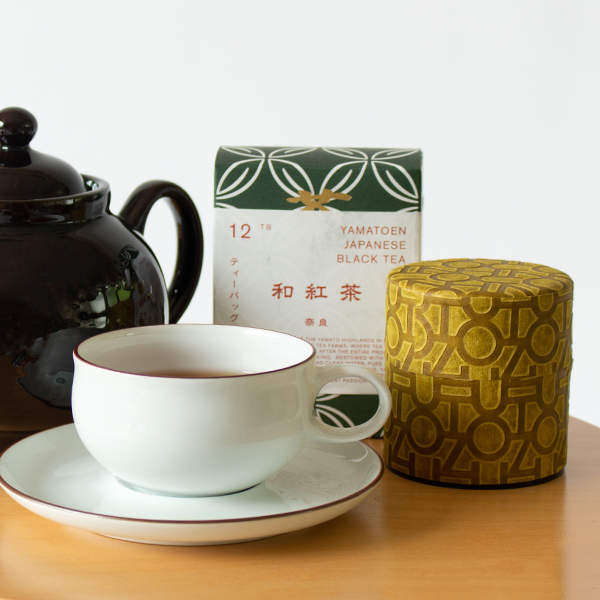

Wakocha is available in tea bags only.
Wakocha refers to black tea grown and processed within Japan. It's made from the same tea plant leaves used for Japanese green tea, and compared to black teas from overseas, it can be enjoyed deliciously without adding milk or sugar. It has a light body, a subtle sweetness, and a clean finish with little astringency.
※Tea types are named differently depending on their processing—"green tea," "black tea," "oolong tea," and "hojicha"—and oolong tea and black tea are made from leaves that have been oxidized and fermented.
【Recommended pairings】Western sweets such as cakes and cookies. This tea also goes well with Japanese food and wagashi (Japanese sweets).
【Another way to enjoy it】We also recommend a flavored arrangement with sliced lemon, similar to black tea.

【Winter】Karigane Hojicha
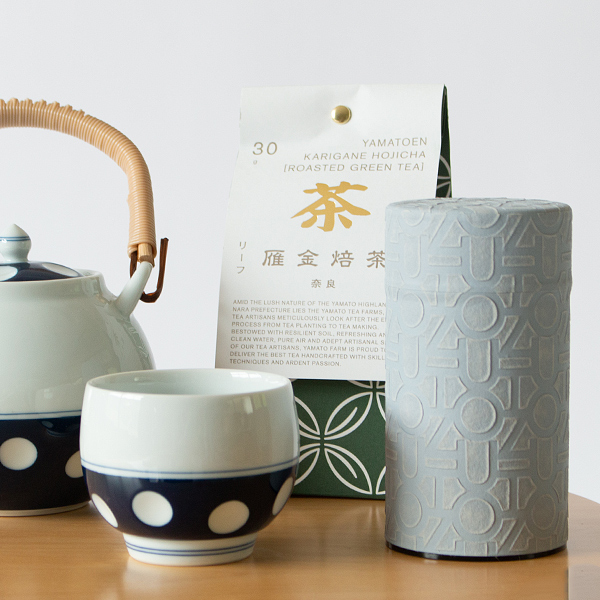
For the winter tea canister, we chose the fragrant karigane hojicha. During the finishing process of green tea, only the stems with a good roasting aroma are selected and roasted at high temperatures to bring out a fragrant, toasty flavor. It is generally known as "kukicha" (stem tea), the very part responsible for "chabashira" (tea stalks standing upright, considered a sign of good luck). It's an easy tea to drink morning, noon, or night, and is gentle enough for children too. The moment hot water is poured, a delightful aroma fills the air, and the taste is characteristically sweet and refreshing.
【Recommended way to brew】
Brewing with water at around 95°C brings out the aroma, allowing you to fully enjoy the distinctive fragrance unique to hojicha. Steeping the leaves for about 30 seconds is sufficient.

Only the stems are selected during the finishing process of green tea, and roasting them at high temperatures gives this tea its distinctive toasty flavor. It's a tea in which you can truly feel the craftsmanship of the artisans.

Staff member who tasted the tea
"I was truly surprised by how fragrant each one was. With four varieties, it's nice to be able to choose depending on how you're feeling at the time.
I thought it was unusual that the autumn tea canister contained 'wakocha' (Japanese-grown black tea), but while it still carries the flavor of Japanese tea, the aftertaste convincingly reminded me of black tea, and it pairs wonderfully with Western sweets! Personally, I liked pairing it with cake. Even so, the calming, soothing feeling you get when drinking it still feels distinctly Japanese to me.
As an everyday tea, I personally prefer the summer 'niban sencha' for its characteristic tea-like astringency, and the winter 'karigane hojicha' has such a wonderful aroma that I'd choose it whenever I want to relax and unwind. The spring 'ichiban sencha' has a special quality to it, so it would also make a lovely gift. For those who want something convenient, tea bags are handy, but for those who often drink with others or want to enjoy plenty of tea, I'd recommend the loose leaf."
Rather than a uniform taste created through blending, this is tea in its natural state, reflecting the climate and conditions of that particular year—much like wine, offering a different flavor each year. Please enjoy a special cup shaped by the natural environment of Nara and the dedication of its artisans.
▽Product page here
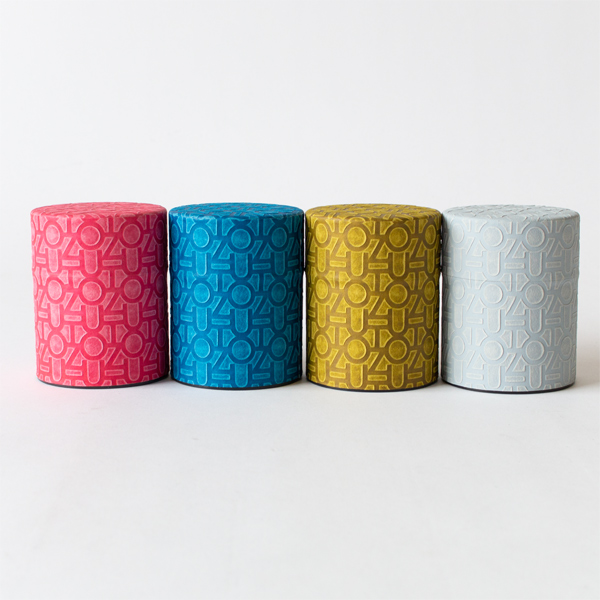
▽Previous article here

GUIDE »
CATEGORIES »
- + Gifts by recipient
- + Gifts by scene
- + Clothing
- + Bags / Backpacks
- + Wallets / Card cases
- + Jewelry
- + Shoes
- + Rainy day outfits
- + Kitchen
- + Home
- + Babies / Kids
- + Japanese products
Earn Miles


Payment & Security