.webp)


.webp)


.webp)


.webp)


Welcome to ZUTTO
Free shipping for newsletter subscribers (some areas excluded)
- トップページ/
- ZUTTO Journal/
- ブランドストーリー/
- A new wood-and-pa...

A new material combining wood and paper: warm, striped wooden products
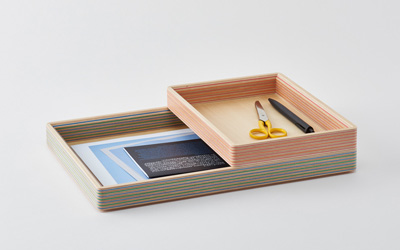
Wooden products with a striped pattern? The items from PLYWOOD laboratory are a curious sight—while retaining the natural warmth of wood, the addition of vividly colored stripes gives them a playful touch. These unusual interior items, which suit both Japanese and Western spaces alike, invite the question: how exactly are they made?
What is Paper-wood?
The material used in PLYWOOD laboratory's wooden products is called Paper-wood, an original material developed by PLYWOOD laboratory in collaboration with Takizawa Veneer, a plywood manufacturer based in Hokkaido.
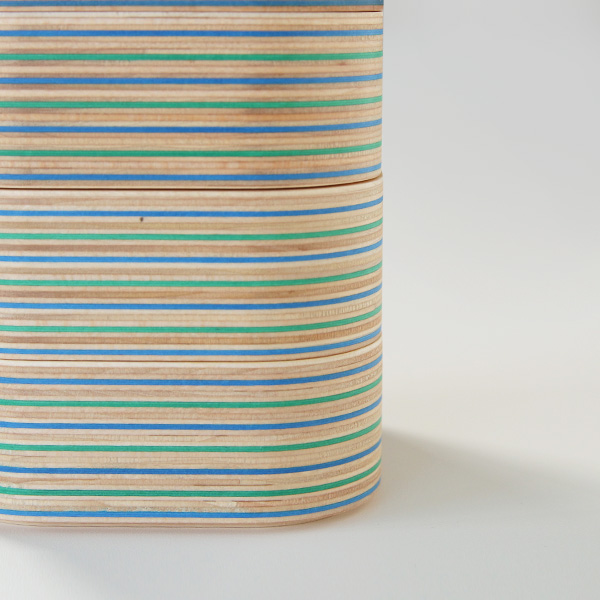
Looking closely at the striped sections, you can see that wood and color alternate in a precise, regular pattern.

The color you see isn't painted on afterward—it comes from vividly colored recycled paper. By alternately layering thin sheets of wood with this bright recycled paper, vivid stripes appear on the cut end grain. The wood used is domestically produced shina (Japanese linden), prized for its bright tone and gentle grain.
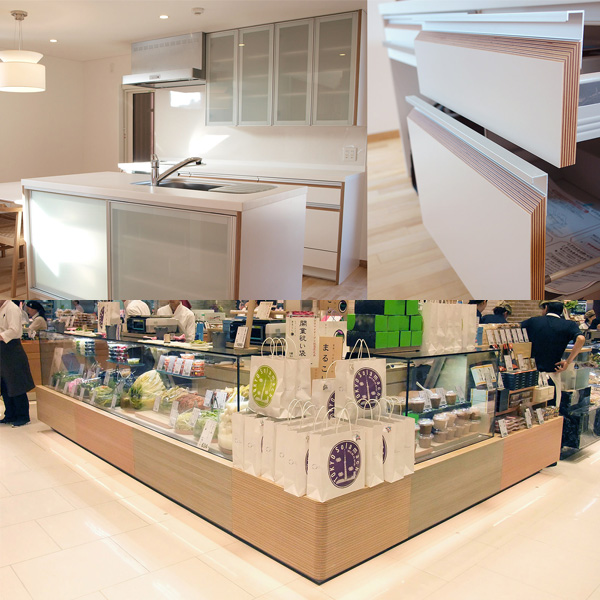
Paper-wood has a distinctive look and texture that can't be achieved through surface finishing methods like painting. And since the color won't peel or fade, it's used as a material in a wide range of applications, from furniture and store fixtures to kitchens.
Making use of plywood-making techniques

Layering this paper and wood into a single material relies on the techniques used to make laminated plywood. Laminated plywood is created by stacking wood sliced into sheets about 1 to 3 mm thick, arranging each layer so the grain direction runs perpendicular to the one beneath it, then pressing them together. This is known in English simply as "plywood." Because it resists warping and distortion while offering high strength, it's widely used in furniture making.
Using wood sourced from Hokkaido
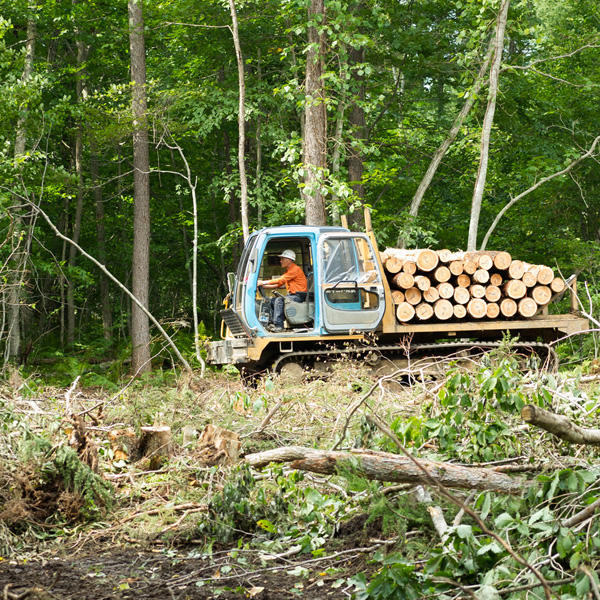
This Paper-wood is made by Takizawa Veneer, a plywood manufacturer in Ashibetsu City, Hokkaido. While most plywood manufacturers today import pre-sliced veneer sheets from overseas for processing, Takizawa Veneer is one of the few companies still committed to careful, hands-on manufacturing—processing Hokkaido-grown wood starting from whole logs, and achieving a wide variety of high-quality products in small-batch production.
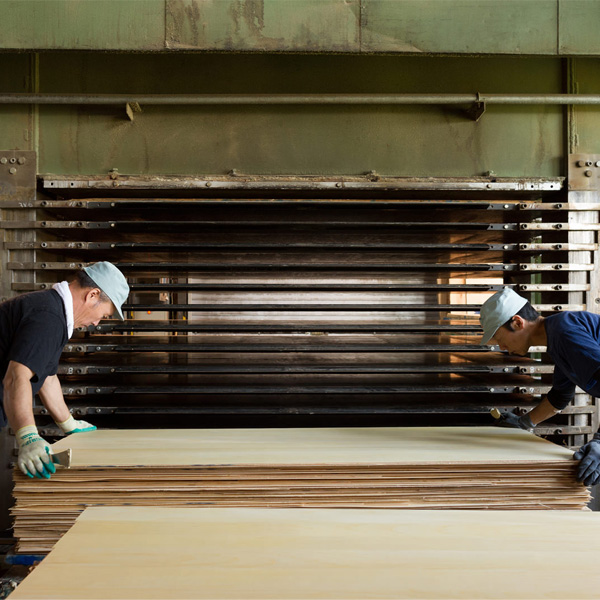
When making plywood, Takizawa Veneer pays particular attention to "the beauty of the end grain." In a process called "patch," every single sheet of veneer is checked by human eyes, and larger knots are filled in with wood inlay work so that no knots appear on the end grain. Likewise, when veneer sheets are glued and layered together, workers visually check for any dust or debris as they stack them, and a final check is made by eye during pressing as well—human inspection continues at every stage of the process. It's this meticulous attention to detail that gives rise to a material like Paper-wood, where the end grain takes center stage. Safety is also a priority: the adhesive used to bond the layers together contains none of the 14 VOC (volatile organic compound) substances, including formalin, so you can choose these products with confidence even for items that children will handle.
Suited to both Japanese and Western spaces
Made from Paper-wood, PLYWOOD laboratory's products are carefully crafted using highly skilled woodworking techniques in Asahikawa, one of Japan's leading furniture-producing regions. Each item is designed by one of two design teams, DRILL DESIGN and FULLSWING, resulting in pieces that double as interior decor thanks to their strong design sensibility—making them wonderful gifts for a housewarming or a birthday. Since these are wooden products unlike anything you've seen before, a PLYWOOD laboratory piece just might spark a new conversation.
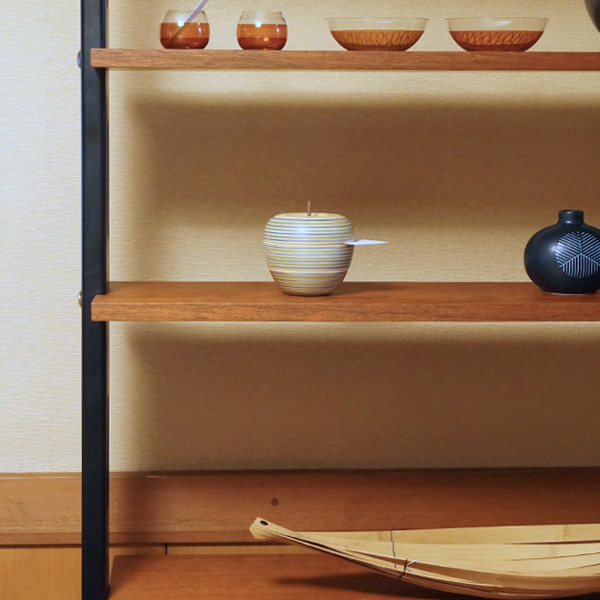
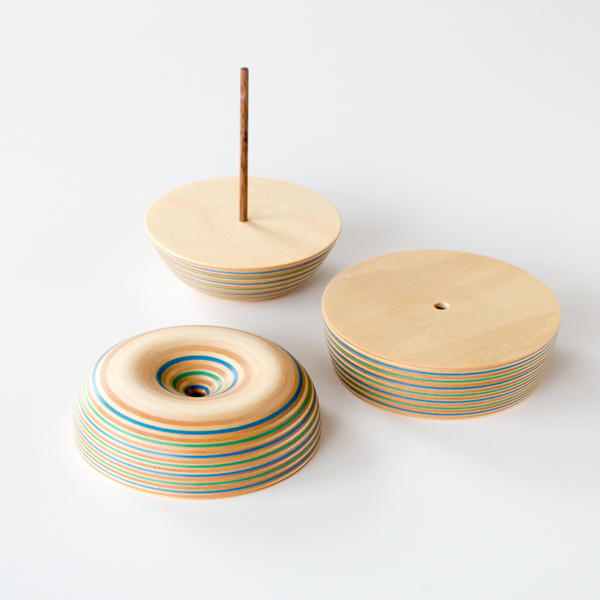
This is an apple-shaped card holder. It's built from three stacked parts, and you can slip cards or notes in between each layer. Place it on your desk to hold memos, or use it to display a shop card as a charming piece of interior decor.
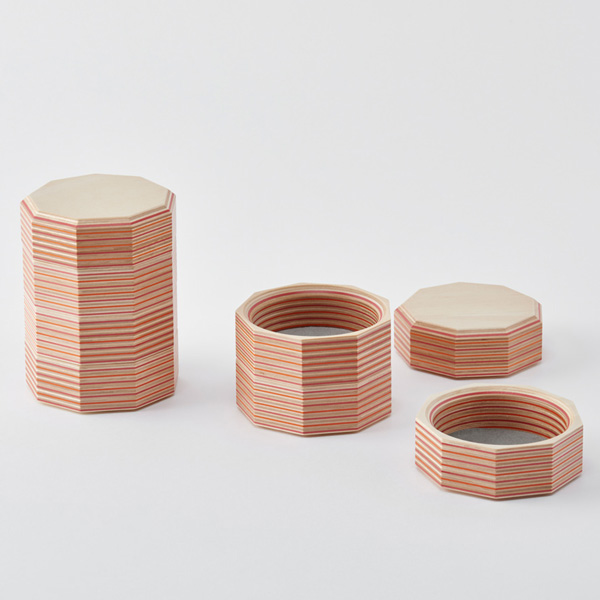
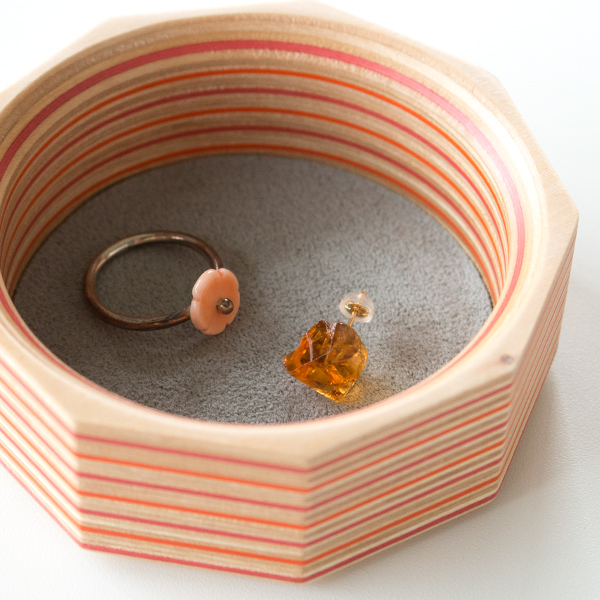
A hexagonal accessory tray. These stackable trays form a striped tower when piled on top of one another. The inside of each tray is lined with fabric, so you don't have to worry about scratching your precious accessories. It also makes a lovely gift to pair with accessories for a birthday or wedding anniversary.
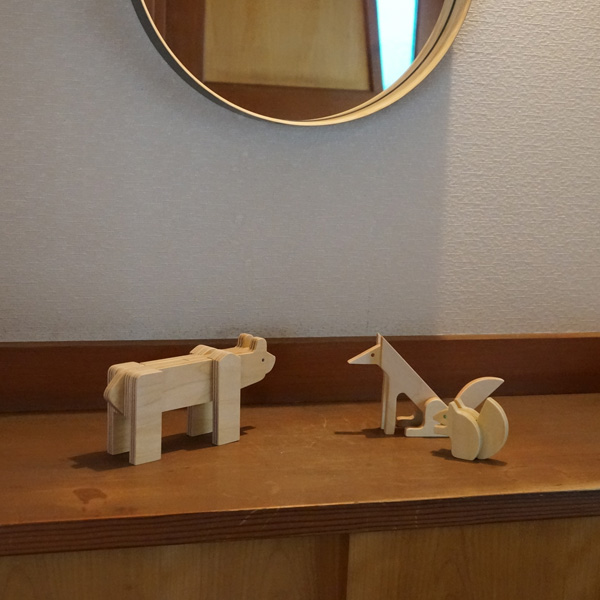
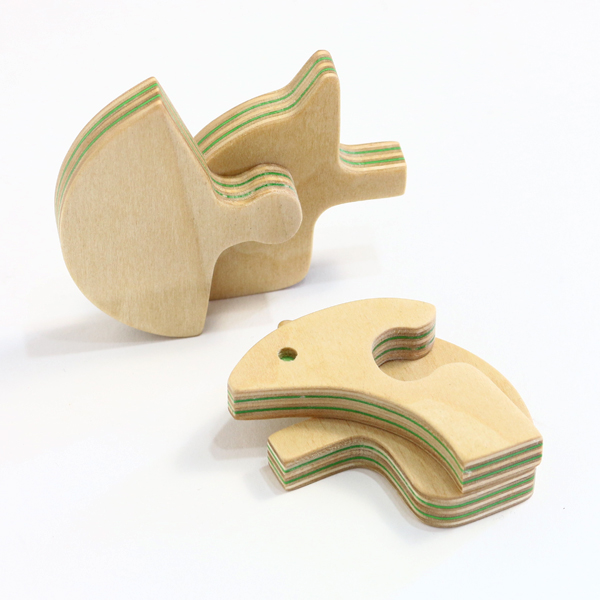
Play Object is a puzzle featuring forest animals native to Hokkaido—the ezo squirrel, the kita kitsune (Ezo red fox), and the brown bear. With their gentle, playful deformation, these animal figures are sure to bring a smile to the faces of children and adults alike. Whether tucked into a small nook by the entryway or lined up together on a living room display shelf, enjoy arranging these animals however you like.
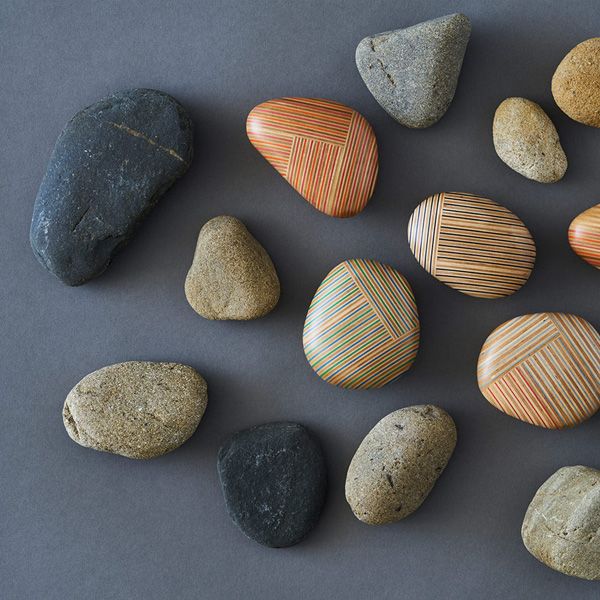
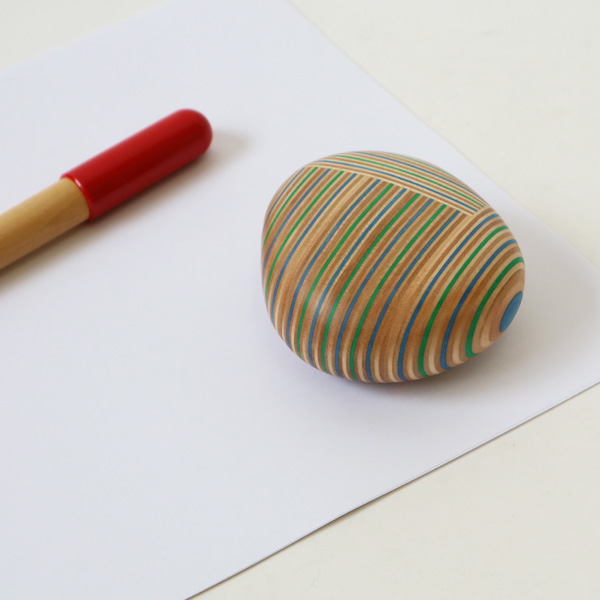
This is a paperweight called koishi. As the name suggests, it's shaped like a small stone (koishi). By combining several pieces of Paper-wood together, the stripes intersect, creating an even more intriguing design.
Care Instructions
Because recycled paper is used, this item is not resistant to water. For everyday care, please wipe it with a soft, dry cloth. If you're concerned about stains or dirt, wipe with a well-wrung cloth and then let it dry thoroughly. Also, please avoid placing it in strong sunlight or in hot, humid locations, as this may cause deformation or deterioration.
▽Click here for the full product lineup from PLYWOOD laboratory
GUIDE »
CATEGORIES »
- + Gifts by recipient
- + Gifts by scene
- + Clothing
- + Bags / Backpacks
- + Wallets / Card cases
- + Jewelry
- + Shoes
- + Rainy day outfits
- + Kitchen
- + Home
- + Babies / Kids
- + Japanese products
Earn Miles


Payment & Security