.webp)


.webp)


.webp)


.webp)


- トップページ/
- ZUTTO Journal/
- お手入れ・エイジング/
- # Material Care G...

Material Care Encyclopedia"Wool"
Table of Contents)
・Everyday Care for Wool Products
・How to Wash Wool Products at Home
・Storage Methods for the Off Season

Characteristics of Wool
Wool is a natural fiber made from sheep's fleece, and it has the following characteristics.
・Excellent heat retention
・Absorbs moisture easily
・Natural odor-resistant properties
・High durability
Wool is widely used in items we encounter in everyday life, mainly in autumn and winter goods such as clothing, interior items, and outdoor gear. In this "Wool Care Encyclopedia," we'll introduce care methods to help you enjoy your wool products for a long time.

Everyday Care for Wool Products
Wool has natural antibacterial, stain-resistant, and deodorizing properties, so it doesn't need to be washed frequently. That said, even though it resists dirt, caring for it after wearing helps keep its appearance neat and prevents the fibers from deteriorating. There are three routine care steps worth incorporating: brushing, spot cleaning dirty areas, and refreshing.
Because wool fiber retains heat so well, avoid putting sweaters, hats, scarves, and similar items straight into the closet after wearing them. Instead, air them out in a well-ventilated, shaded spot to release moisture. Folding them away right away can lead to loss of shape or mold, so be careful. At this stage, if you notice slight dirt or odor, a steam iron or a spray-type fabric deodorizer can help refresh the item easily.

For dirt you're concerned about, dissolve a small amount of neutral detergent in lukewarm water, soak a soft cloth in it, wring it out firmly, and gently wipe the area. Be careful not to scrub too hard, as this can cause fuzzing or shrinkage.
Wool tends to generate static electricity, which attracts dust, and it's also prone to pilling. After wearing an item or before storing it, gently brush along the direction of the fibers with a soft brush to remove dust and dirt caught between them. Smoothing the direction of the fibers this way also helps prevent pilling the next time you wear it. Any pills that do form can be cleaned up by cutting them with scissors or using a dedicated fabric shaver.

How to Wash Wool Products at Home
When washing at home, always check the product tag first. Confirm whether the item can be machine- or hand-washed at home, and check for any specified water temperature.

1. Preparing the Water
・The ideal water temperature for wool is between 36 and 38 degrees Celsius (a warmth close to body temperature, slightly on the warm side). This temperature range removes dirt effectively without over-stressing the wool fibers. In fact, wool is more sensitive to temperature than fibers like cashmere. Please be careful, as temperatures of 40 degrees Celsius or higher (a temperature that feels distinctly hot to the touch) can cause the fibers to tangle and shrink.

2. Dissolving the Detergent in Water
Use a neutral detergent (the kind meant for delicate garments). Avoid alkaline detergents as well as chlorine- or oxygen-based bleaches, since they can damage wool fibers.

3. Using a Washing Machine, or Hand Washing
If using a washing machine, place the item in a fine-mesh laundry net and wash it on the delicate (dry) cycle.

For hand washing as well, fold the item and place it in a fine-mesh laundry net. Gently press-wash it two to three times, then let it soak for 5 to 10 minutes. Avoid scrubbing vigorously or kneading the fabric, as this can cause pilling.

After soaking, fill with fresh water again and rinse by pressing the item 4 to 5 times; once no more bubbles appear, drain the water.
When placing garments in the net, put each item in individually. Hand washing is recommended over machine washing since it causes less friction and is less likely to result in pilling.
Precautions for Specific Items
Since the inside of gloves tends to get dirty, it's effective to turn them inside out before washing. However, if there's a risk of the shape being distorted, wash them without turning them inside out. Also, loosely knitted or woven items are prone to snagging, so it's safer to wash them inside a laundry net.

Remove any detachable decorations before washing.

If foundation makeup or sweat stains are a concern, soak a soft cloth or sponge with a small amount of detergent and gently wipe the area.

4. Spin-Drying
With the item still in the net, spin it in the washing machine for about 30 seconds. It also helps to wrap the item in a bath towel and gently press it to remove excess moisture.

5. Drying
Reshape the item and dry it flat. Avoid direct sunlight, as it may cause discoloration, and dry it in a shaded area instead.

For berets and other items that easily lose their shape, please store them flat rather than rolled up or folded. It's also a good idea to stuff them with crumpled tissue paper to help maintain their shape.

Storage Methods and Off-Season Care
Proper storage and off-season care help prevent fiber deterioration caused by dirt and moisture, and can also help prevent moth damage and mold growth.
Wool items can lose their shape if hung on a hanger, so it's best to store them flat. Heavier knit items in particular should be stored lying flat. Using desiccants or boxes made of moisture-absorbing natural materials (such as cedar) can also help prevent moisture buildup. Since wool is particularly prone to moth damage, be careful to use insect repellents in a way that avoids direct contact with the wool.

We recommend having your items professionally cleaned at a trusted dry cleaner, or caring for them at home, before putting them away for storage. This will ensure you can enjoy wearing them comfortably again next season. When storing items for a long period, place them in a breathable bag or cover.
When Pilling Occurs
How Pilling Forms

Friction from wearing or washing can cause fibers to rise to the surface of the fabric. These fibers become tangled together, forming small round pills. As more friction is applied, these pills become tightly entangled and visible on the fabric's surface.
Pilling can occur not only on wool but also on a variety of materials, including acrylic, polyester, nylon, and cotton. It tends to form especially in areas subject to a lot of friction, so care should be taken regardless of the material.
How to Prevent Pilling
・Wearing the same garment frequently increases friction, making pilling more likely. It's a good idea to give clothes a rest between wears.
・Brushing or combing the surface after wearing or washing helps prevent fibers from tangling.
・Hand washing instead of using a washing machine, or using a laundry net, can reduce friction and prevent pilling. If using a washing machine, it's best to select a delicate or gentle cycle.
・Using fabric softener helps soften the fibers and reduce friction. We recommend using a fabric softener suited to delicate materials.
How to Remove Pills
1. Find noticeable pills on the surface of the garment. Gently pulling on the area where you want to remove the pill can lift it up and make the process easier.

2. Carefully cut off the pill with scissors. Be careful not to let the blades touch the fabric fibers, and cut only the pill itself.

3. After removing the pills, lightly brush the garment to smooth the fibers. Repeat with scissors as needed.
1. Spread the garment out on a flat surface so that the pills are clearly visible.
2. Turn on the electric fabric shaver and check that the blades are working properly.
3. Gently place the fabric shaver against the surface of the garment. Being careful not to press too hard, move it in a circular motion. Repeat this motion until the pills are removed.

4. As pills accumulate on the shaver's blades, its efficiency will decrease, so clean it regularly. Please follow the instruction manual for cleaning the blades and filter.
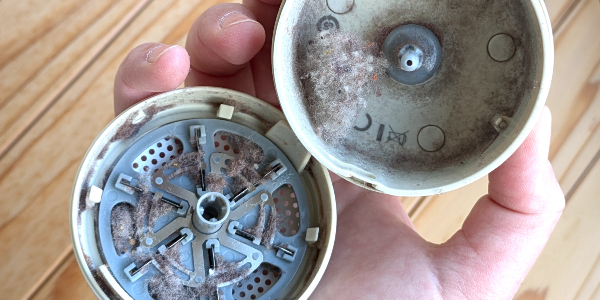
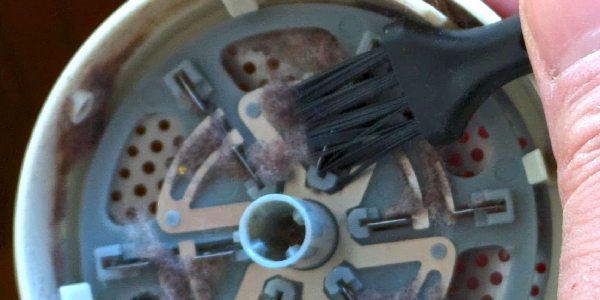
5. Once the pills have been removed, gently shake out the garment to smooth the fibers. Use the fabric shaver again if needed.
Recommended Items for Care

By arranging the bristle tips randomly, this brush effectively removes dust, and is made entirely from natural materials with no synthetic fibers used.
▲KENT Cashmere & Wool Care Clothes Brush

Made with soft, long boar bristles, this brush gently removes dust and dirt while preventing static electricity. Its large, rounded brush surface makes it easy to use, and it's ideal for caring for a wide range of garments, from cashmere to wool.
▲KENT Handbag-Size Wool Care Clothes Brush

Made with firm boar bristles, this brush can also be used on jackets, wool, and suede.

Turn the handle to extend the brush surface, remove debris, then retract it to collect the debris inside for easy cleaning. Lightweight and easy to use with one hand, its polyester material works on any fabric, making it a convenient item for effortlessly caring for your clothes.

This gentle detergent, formulated primarily with surfactants, effectively breaks down stains from food, sweat, and makeup while protecting wool and silk fibers.
 .jpg)
With six precision blades, it quickly removes pilling and fuzz. It can be used after just a short charge, and can even be used while charging. Maintenance is easy too—you can remove lint or clean the blades with the included cleaning brush.

The curved blade tips make delicate work easy without damaging fabric, and the cutting performance is excellent.
▲Nigiribasami (Traditional Grip Scissors)

Ideal for cutting thread and trimming fabric in fine detail, these scissors are made of Japanese high-carbon steel, giving them excellent wear resistance. A re-sharpening service is also available for aftercare.

Made from camphor wood sourced in Kyushu and wrapped in handmade washi paper, this insect repellent protects clothing with its natural fragrance. Unlike chemical products, it offers a refreshing scent reminiscent of a forest walk, and is gentle on the skin.

Simply fill the tank with water, remove the head cover, and turn on the power—this iron steamer is ready to use in about 30 seconds. Keep it near your closet or mirror for quick touch-ups even on busy mornings. It can also be used like a regular iron for pressing; just lay a towel over the garment and press.
Wool Brands


Founded in 1968, aran woollen mills is Ireland's oldest and most renowned knitwear maker, specializing in 100% merino wool.
Its high quality has been recognized through ISO9002 certification and a letter of appreciation from former President Clinton, and its traditional designs are highly regarded around the world.

Founded in 1929, Harley of Scotland is a long-established maker that uses fine Scottish wool to craft Shetland and Fair Isle knitwear.
With quality and craftsmanship rooted in its local heritage, the company produces knitwear both under its own brand and for well-known labels.

Founded in 1963, the Danish children's underwear brand joha offers high-quality garments that make the most of wool's natural properties.
Widely loved throughout Scandinavia, the brand is known for its dedication to both materials and design.

Founded in 1784, JOHN SMEDLEY is a long-established knitwear brand from Derbyshire, England.
By handling every process in-house and adopting cutting-edge technology, the company has become renowned as a master of fine-gauge knitwear.

Since its founding, KLIPPAN has made high-quality wool products in-house, earning wide affection throughout Sweden.
Known for vivid, distinctive designs, its blankets are lovable, lifelong companions built to last for years.

Founded in 1840 in the Basque region, LAULHERE has continued to make high-quality wool berets ever since.
Each beret, finished by hand by skilled artisans, boasts an excellent shape and feel—true testimony to France's enduring tradition.

Founded in 1984, Ojbro Vantfabrik is a family-run brand that creates sustainable gloves and socks featuring traditional Nordic patterns.
Using gentle materials and ethical manufacturing methods, the brand pursues environmentally conscious "slow fashion."
GUIDE »
CATEGORIES »
- + Gifts by recipient
- + Gifts by scene
- + Clothing
- + Bags / Backpacks
- + Wallets / Card cases
- + Jewelry
- + Shoes
- + Rainy day outfits
- + Kitchen
- + Home
- + Babies / Kids
- + Japanese products
Earn Miles


Payment & Security