.webp)


.webp)


.webp)


.webp)


- トップページ/
- ZUTTO Journal/
- ブランドストーリー/
- 【Feature】Visiting...

【Feature】Visiting the Hanamokko Atelier (Part 1)
The "Hanamokko" wristwatches, each one handmade
one by one at an atelier in Kanazawa, Ishikawa Prefecture.
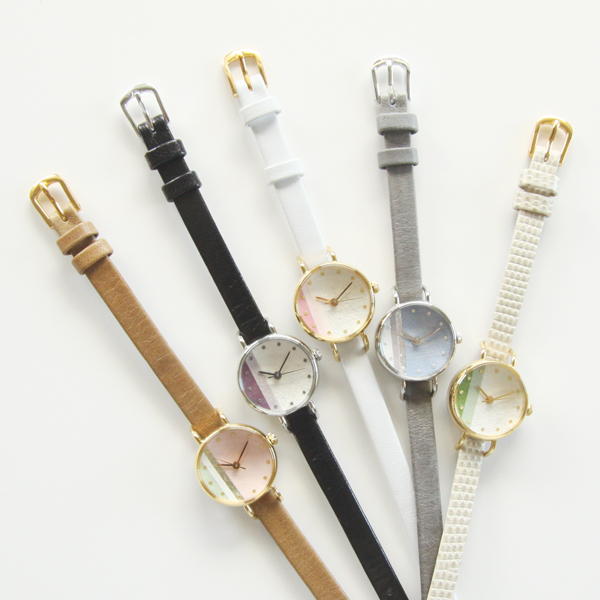
This time, we are launching a new series called "Kasane."
To mark the occasion, we are publishing a report on our visit to the atelier.
We hope you enjoy the aesthetic sensibility passed down
through Japanese tradition, along with the craftsmanship on display.


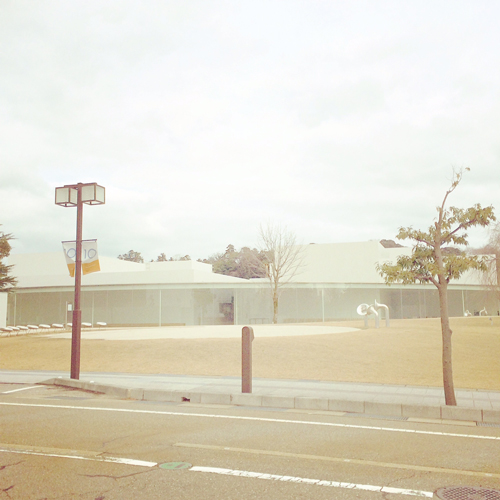
With the opening of the Hokuriku Shinkansen, the Hokuriku region has been getting a lot of attention lately.
When you think of Kanazawa, Kenrokuen Garden and the 21st Century Museum of Contemporary Art may come to mind.
Open a box of rakugan (dried sugar sweets) from Morieya, a long-established shop dating back to the Edo period,
and you'll find a delicate beauty of color rarely seen elsewhere.


Atelier C-plane, which creates the handmade "Hanamokko" wristwatches,
is located in that very Kanazawa, Ishikawa Prefecture.
About a 20-minute bus ride from Kanazawa Station,
the atelier stands quietly in a residential neighborhood.

We spoke with Inami-san, the head of C-plane, and Ushijima-san,
a craftsman who is also active as a Japanese-style painter.

The first thing they showed us was
the showroom, lined with rows of wristwatches.
In a white space filled with natural light,
the watches are neatly arranged in glass cases.
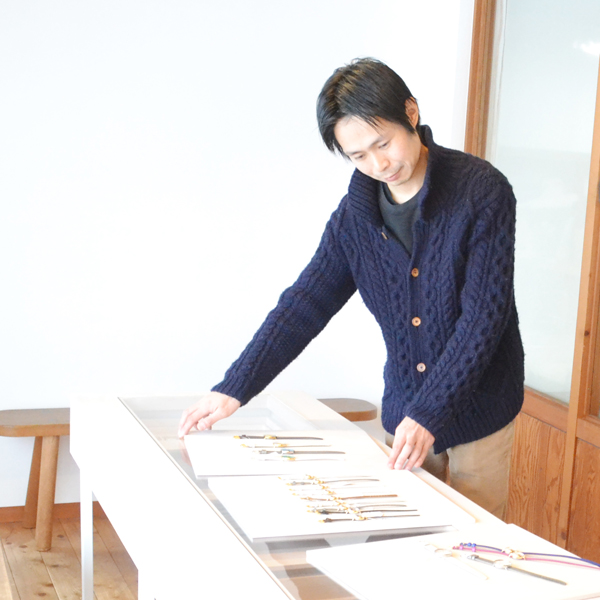
---Seeing them lined up like this is quite a sight.
Yes, it is. Besides the "Konairo" series of "Hanamokko"
that ZUTTO carries, we have a variety of other lines.
This one is called "Cruchan," the very first line we created.
It's still our most popular line at C-plane.
Recently, in collaboration with a certain shop,
we also produced a commemorative watch for the 100th anniversary of Tove Jansson's birth.
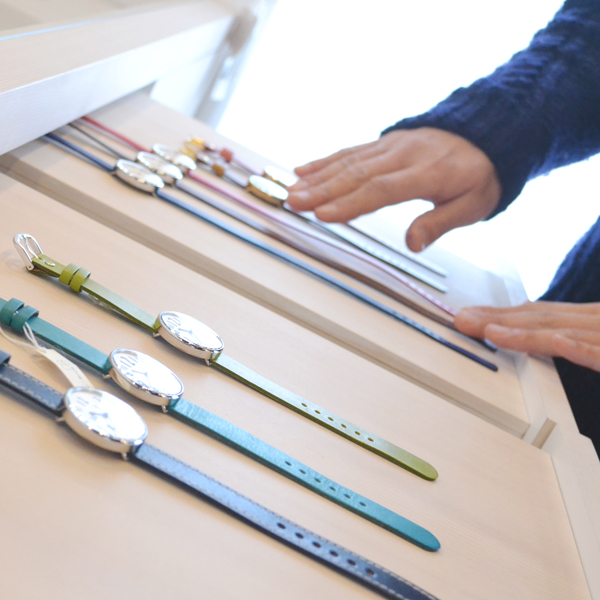
---The combinations of dials and bands seem endless.
That's exactly right. Since the designs
for the bands and dials are all handmade, we can try all sorts of combinations,
even making just a single piece at a time.
So we end up making all kinds of variations... (laughs)
---Is this band made of fabric?
Yes, this is also sewn by hand by our craftsmen using a sewing machine.
That said, since the surface area of both the dial and the band on a watch is small,
fabrics with large printed patterns don't show their design well,
so there are limitations on what we can use.
But finding expression within those constraints is part of the fun.
And this here is the "Hanamokko" series.

---These are so delicate. What technique is used to create these?
These are actually kirie (paper cutouts).
---!!(I'm speechless with surprise.)
We cut washi (Japanese paper) into the shape of a pattern and apply it to the dial.
This one (photo, left) is the unisex size,
and these two (photo, right) are the ladies' sizes.
Since these are also kirie (cut paper art) placed on top of the dial,
we can create other designs too, as long as the size allows for the expression.
There's a watch we made on order with a checkered pattern
for the museum shop of an art museum in Tokyo.
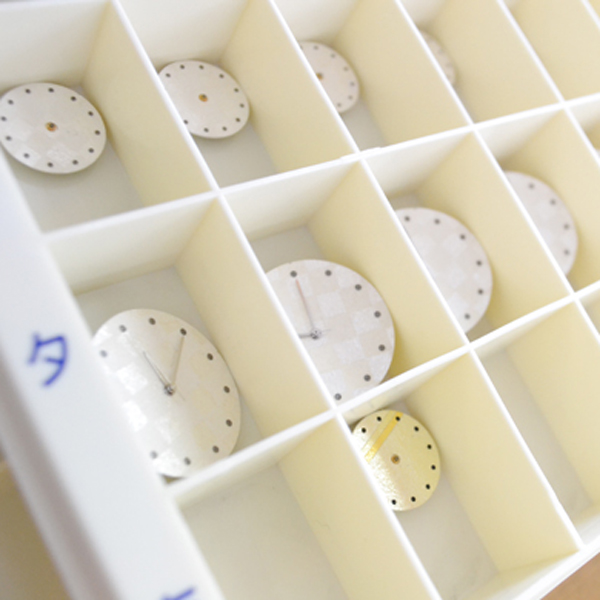
---The expression really changes depending on how the light hits it, doesn't it?
Yes, the way it looks changes with the angle of light coming from the side—that's what makes this watch so interesting.
Which makes photographing it for the official website quite a challenge (laughs).
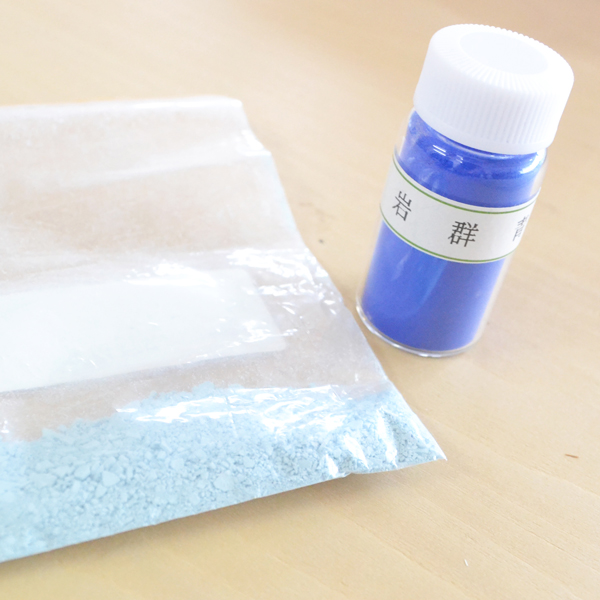
---Could this be a raw stone used for iwa-enogu (mineral pigments)?
Yes, it's a type of natural stone called "azurmalachite."

---A-zu-ro-ma-ra-ka-i-to. That's a tricky name to say...
Everyone says that (laughs).
Azurmalachite gets its name because it's a raw stone
made of a mix of blue azurite
and green malachite.
When you crush just the blue part, you get "gunjo (ultramarine blue)",
and using the green part gives you "rokusho (verdigris green)."
---I see! Which one corresponds to Hanamokko's watches?
If you line them up... it looks like this (as shown in the photo).
By the way, if you use the mineral pigment made by crushing
azurmalachite just as it is, without separating the colors,
you get a blue-green dial called "gunryoku."
If you look closely, you can actually see the blue and green crystals.

---That's fascinating. This gunryoku is a popular color at ZUTTO too.
It's a shade you don't often come across elsewhere.
I'm glad to hear you say that.
It's true—it might be a color where you can really enjoy
the distinctive texture that only iwa-enogu can offer.
Well then, next let's head over to the workshop
where the dials are made using iwa-enogu.

The moment we stepped into the atelier,
colorful parts immediately caught our eye.
These are the raw forms of the dials, before
the hands or index (time markers) have been attached.
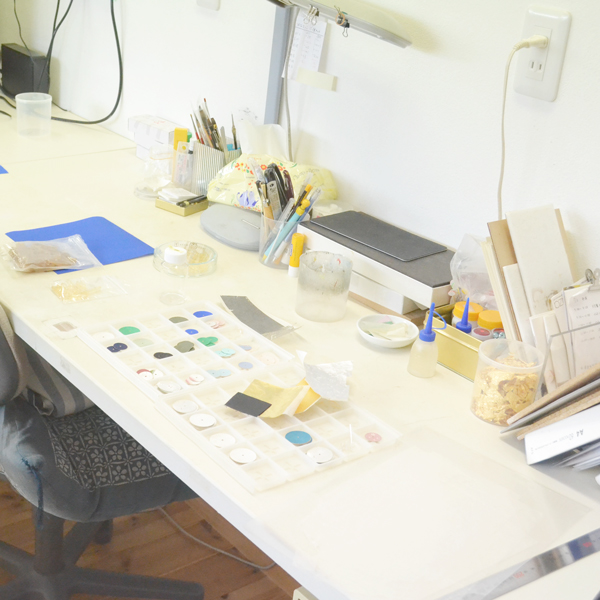
---These are the dials for "Konairo"!
They're much thinner than I imagined.
To prevent malfunctions in the watch,
the washi and pigment applied to the dial
need to be kept to a thickness of 0.1mm or less.
It's an incredibly precise world.
To achieve that thinness while applying the iwa-enogu in very thin layers, we chose
an extremely thin washi said to be the thinnest paper in the world.
But applying the mineral pigment just once
leaves an uneven finish, so we apply it four times.

---How is it possible to keep it this thin even with multiple layers?
Since iwa-enogu (mineral pigment powder) doesn't stick to paper on its own,
it's used by dissolving a material called "nikawa (animal glue)."
As for its composition, it's animal collagen derived from cowhide or fish scales,
a traditional adhesive that has been used since ancient times.
This is dissolved and mixed into the pigment before use.
Iwa-enogu is powder made by crushing rock.
It's a pigment that has been used in Nihonga (Japanese-style painting) since ancient times,
and rather than blending colors together, applying a single pigment evenly
to bring out the natural beauty of the iwa-enogu to its fullest
is a technique commonly used in Nihonga.
---Western paintings express depth and texture
by layering oil paints thickly, don't they?
Is that not something done in Nihonga?
Iwa-enogu are highly transparent pigments, so
they have a characteristic where layering multiple colors
causes the colors to become muddy.
That's why, rather than blending colors together,
a culture developed of applying a single color flat
and expressing things through planes of color.

---I see. Please tell us about the differences
between Western oil paints and Japanese iwa-enogu.
The history of oil paints used in Western painting
is actually only about 600 years long.
In contrast, Japanese iwa-enogu
has been around for over 1400 years since it was introduced in the Asuka period,
so in terms of history, it's more than double.
Western paints developed with the ideal
of reproducing what is seen exactly on canvas (realism),
so a greater variety of colors became necessary.
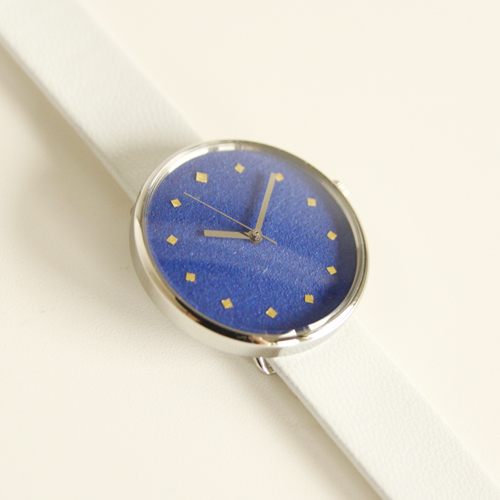
With oil paints, many colors have been artificially created,
and as older painting materials have been replaced generation after generation up to now,
in many cases the colors from that era no longer remain.
But since iwa-enogu is primarily made of natural minerals,
if you use pigment made from the same type of stone,
you can reproduce the colors from 1400 years ago.
The "gunjo (ultramarine)" that people saw back then,
and the "gunjo" we see today, are the very same color.
(To be continued in the latter part)
◇About the Sale of the Kasane Series
The "Kasane" series was born from
the "kasane no irome" (layered color combinations) seen in the sleeve openings of Heian-period court robes.
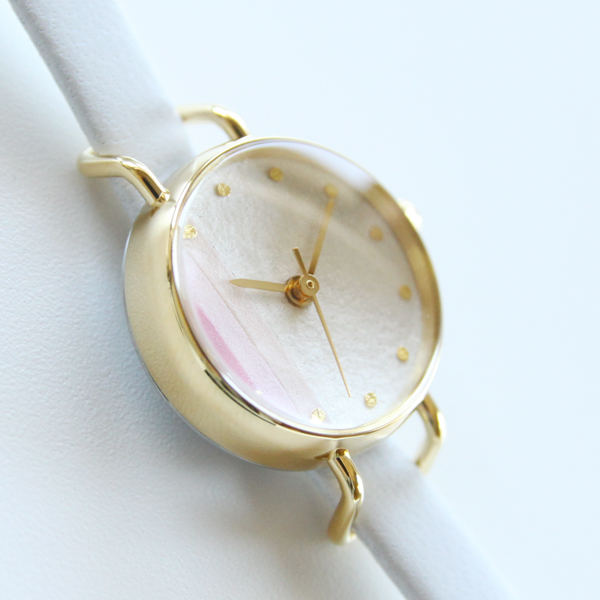
People of old wore garments where the outer fabric and lining were different colors,
enjoying the color combinations according to the season.
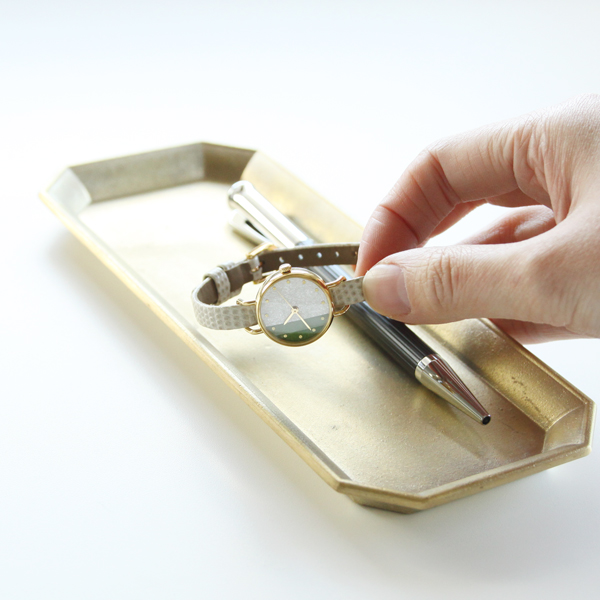
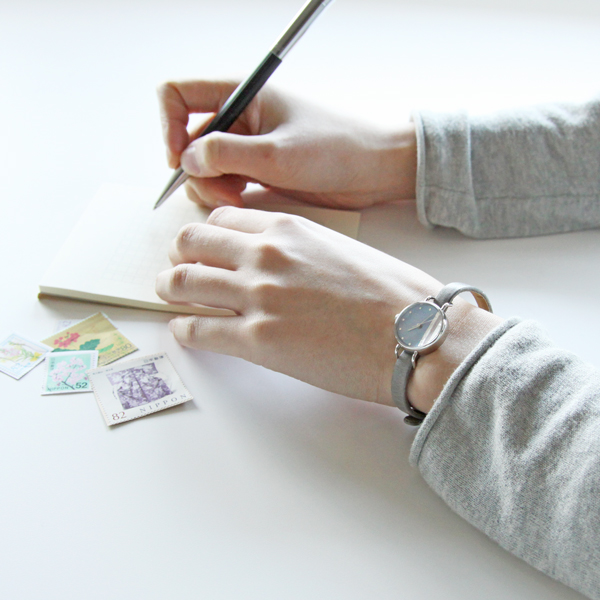
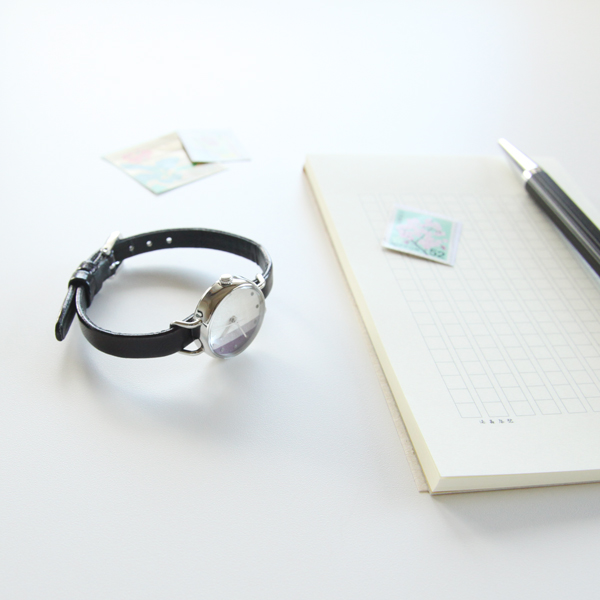
We're introducing 5 colors, including "Yoshino," "Fuji," and "Nadeshiko."
◇For more about Hanamokko, see here
GUIDE »
CATEGORIES »
- + Gifts by recipient
- + Gifts by scene
- + Clothing
- + Bags / Backpacks
- + Wallets / Card cases
- + Jewelry
- + Shoes
- + Rainy day outfits
- + Kitchen
- + Home
- + Babies / Kids
- + Japanese products
Earn Miles


Payment & Security