


.webp)


.webp)


.webp)


.webp)


Welcome to ZUTTO
Free shipping for newsletter subscribers (some areas excluded)
- トップページ/
- ZUTTO Journal/
- ブランドストーリー/
- **Feature: ARATA ...

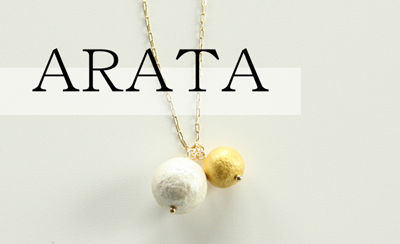
Feature: ARATA — What Only Washi Can Do
Working with the material washi (Japanese paper),
ARATA creates its pieces in Kyoto.
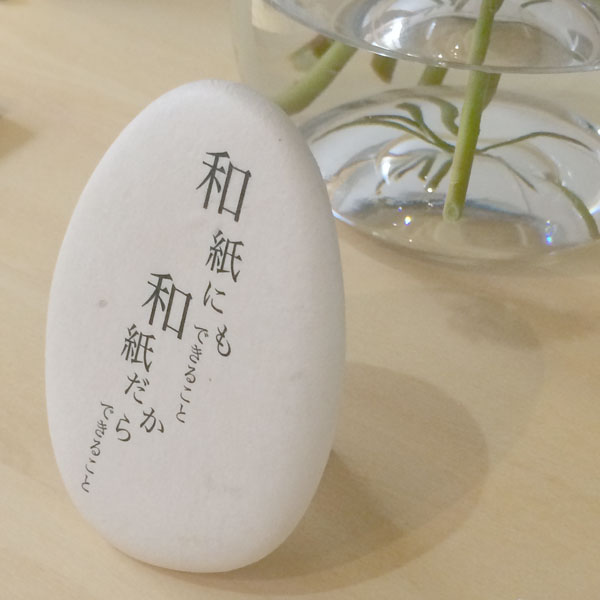
Its concept: "What washi can also do, what only washi can do."
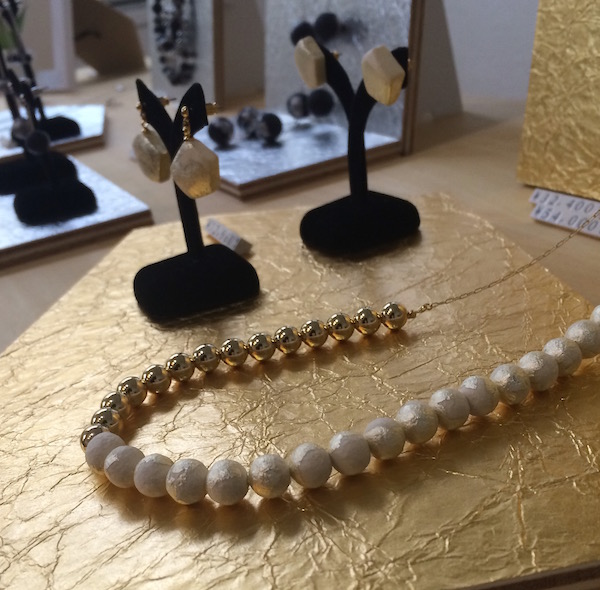
Combining washi with gold or silver leaf, their simple yet somehow warm
accessories showcase the lightness and just-right sturdiness unique to washi.
This time, from ARATA comes
a special order series called "Nekoyanagi," made exclusively for ZUTTO,
along with a new accessory series.
Wanting to understand more deeply the appeal of washi as a material,
and the story of the making behind it, we visited ARATA's atelier in Kyoto.
A short subway ride from the center of Kyoto,
the place where ARATA's accessories are born
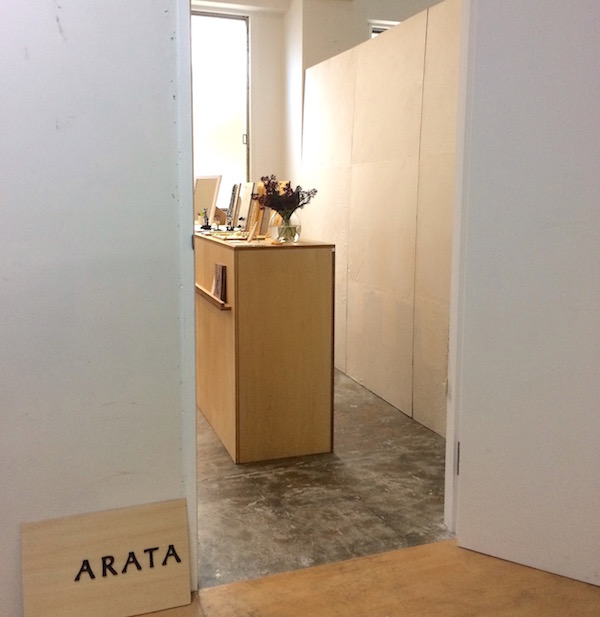
is located inside a building called "Nakamichi Atelier."
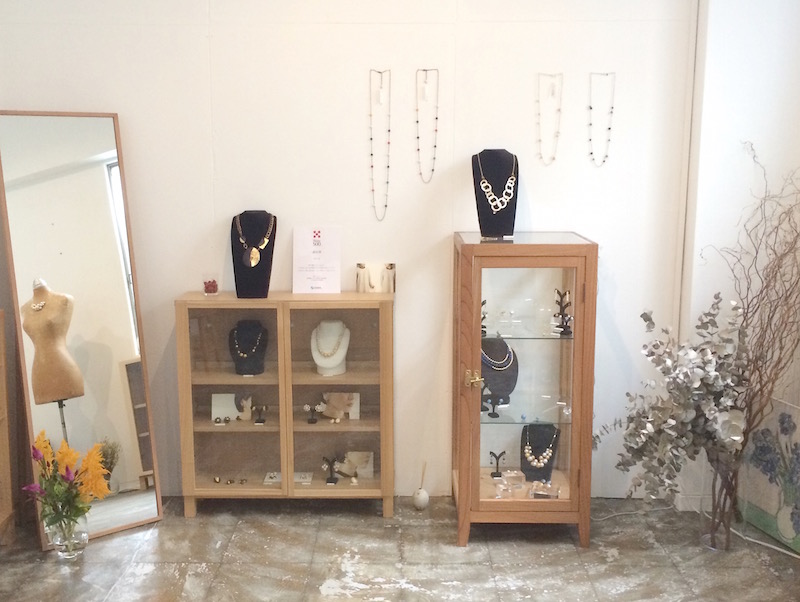
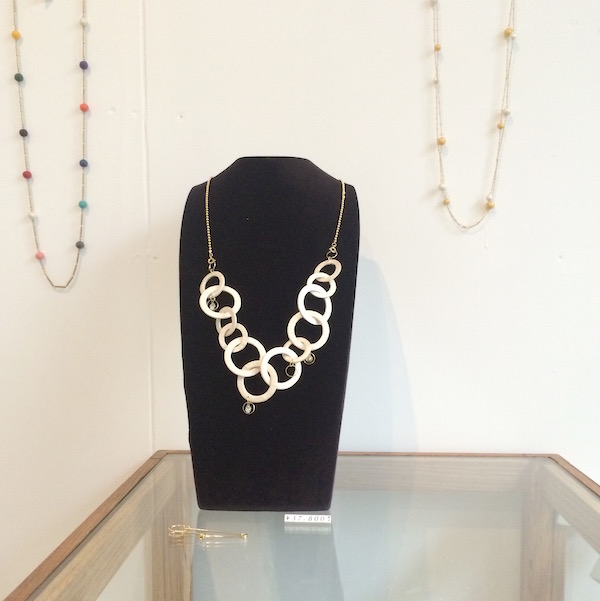
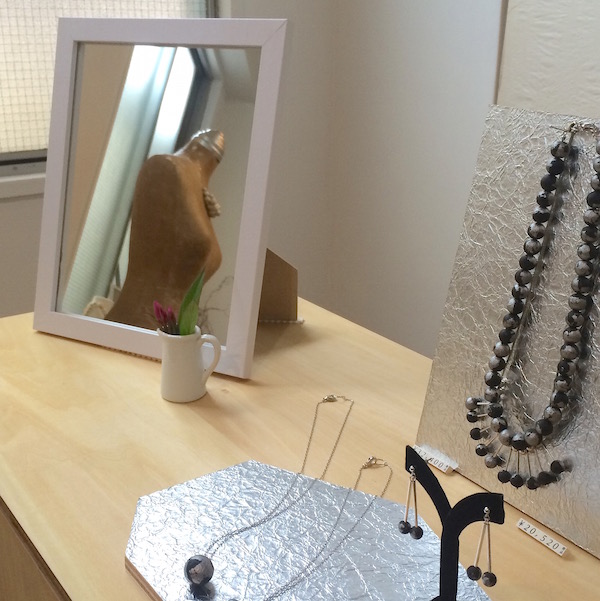
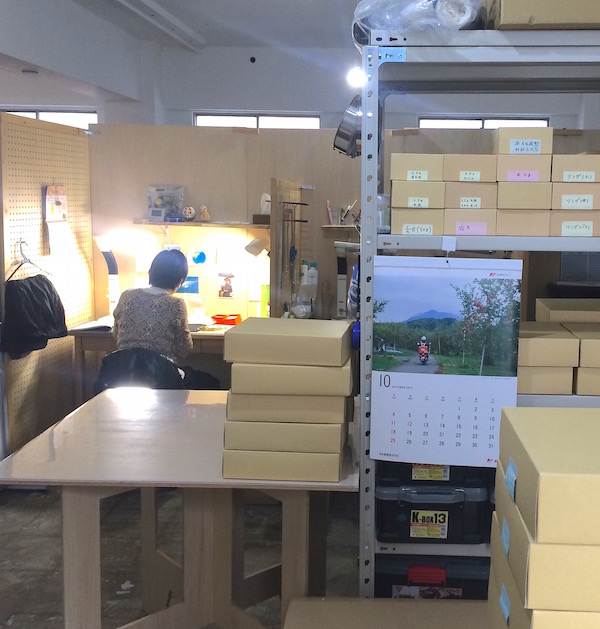
Step inside, and you find a shop lined with ARATA's items.
Further in is the atelier where the accessories are made.
Fixtures arranged with just the right amount of spacing,
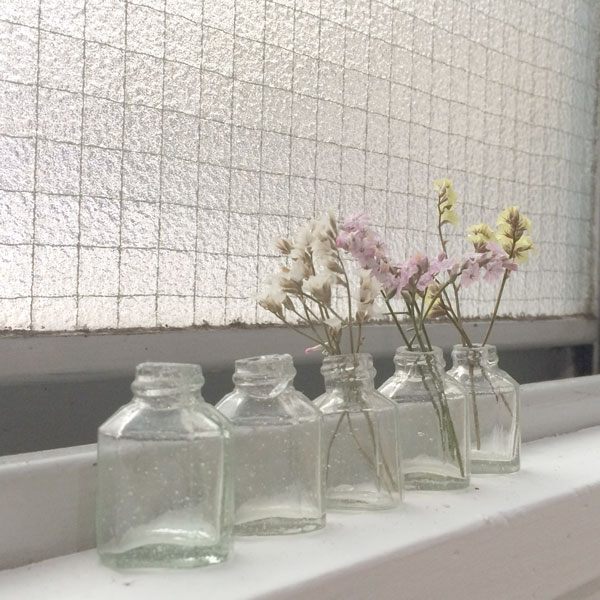
autumn sunlight streaming in through the window.
And washi accessories casting a soft, gentle light.
——What a lovely atelier. Seeing all of ARATA's accessories gathered together like this,
you really get a sense of the worldview behind them.
Thank you. This area of Kyoto originally had
many dyeing workshops,
and even now a lot of their old signs are still standing.
Though many of them have closed down since…
This atelier-and-shop space was also originally a room
in a building used as a different kind of workshop,
and we've been shaping the space bit by bit ever since.
The very first shop we made had such a tiny, tiny space
that only one customer could come in at a time (laughs).
Creating a shop space has really been a continuous process of trial and error.
——What kind of customers do you get?
Since we're a bit removed from the center of Kyoto,
we don't get many first-time visitors just wandering in.
In that sense, it's often people who've seen us in magazines or other media
who become interested and come to visit.
The shop is closed on Wednesdays,
but sometimes while I'm working in the atelier next door I'll hear a knock, knock,
and wonder who it could be—only to find it's a customer.
Having people come all this way specifically to see us
makes us very happy.
——This brand is run by the two of you as a couple—
are you both originally from Kyoto?
Yes, we're both from Kyoto.
Making accessories and visiting temples are our life's work,
and both our work and private life are truly a two-person, three-legged race (laughs).
We've been going to Tokyo together more often now,
to exhibit at trade shows as ARATA.
Just last week we were in Tokyo for an event at a department store.
—It really is a two-person, three-legged race. Do the two of you handle all the design and making as well?
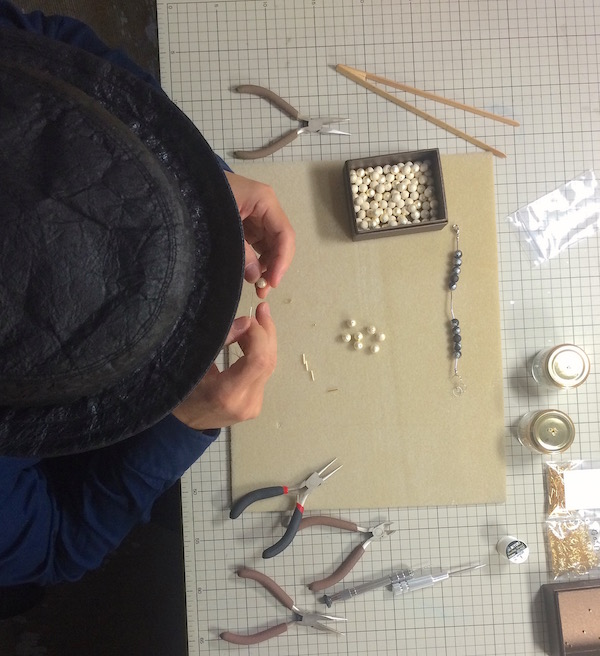
Yes, I handle everything from planning and design through to production myself,
and she works on the production together with me as well.
Of course, when it's just the two of us making things, there are limits
to both volume and speed, but rather than growth in scale,
what I always find myself thinking about is whether we're truly making
something we ourselves are satisfied with, and something the people receiving it will be satisfied with too.
——Something you're truly satisfied with, you say.
Yes—as calm as I may look, I'm always full of worries.
What should the new designs be,
is this really the right direction for the brand to be heading in—things like that.
——Thinking things over like that must take quite a lot of energy,
even though you're just sitting still.
That's true. But I can't help but keep thinking about it.
Recently, we actually moved our home
to a place within walking distance of this atelier,
so whether I'm asleep or awake, work is all I can think about.
In the mornings, I sit here (in the meeting space next to the atelier where we conducted this interview)
at the desk, working through desk tasks alone and mulling things over quietly.
But I think the reason I can keep thinking things through despite the worries
is that it means I haven't lost my drive to improve.
——Is there anything that inspires your designs and creations?
I love visiting temples,
and being in a place like Kyoto,
I think I'm influenced by all sorts of things that catch my eye.
But the colors that jump out at you from books and magazines
are all "assertive" colors, in a way.
Colors placed there with a commercial intent, so to speak.
I don't really get much inspiration from that sort of thing.
What I much prefer are things I happen to catch a glimpse of while out on a walk,
or the colors of a painting seen at a museum—things like that.
That said, even at museums, being in Kyoto
right now every museum seems to be focusing on the showy "Rinpa" school,
which isn't quite what I'm after (laughs).
I think I prefer museums I happen to stop by
on a side trip during a business visit to Tokyo, more than that kind of thing.
——Indeed, colors that don't assert themselves can look more appealing, can't they.
And this isn't quite the same as inspiration, but
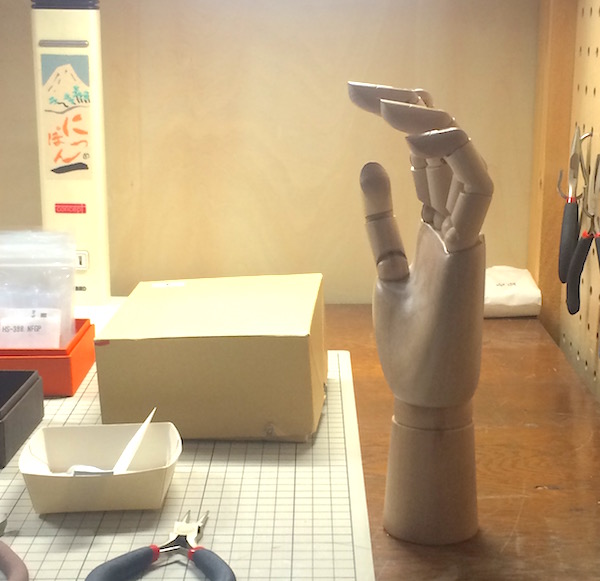
as I work with my own hands making accessories that our customers wear,
I've developed a habit of imagining the invisible parts of everything made by human hands—
how much time and effort went into it.
It's an occupational habit, I suppose (laughs).
For example, the accessories we make
pass through the hands of so many factory workers and craftspeople
before the metal fittings and washi that become our materials even reach us.
So in that sense, the warmth of human hands and the time invested keep accumulating.
That's why we always think carefully about
whether the price of what we make is fair and honest.
——A fair price, you say.
Yes, it means setting a fair price for our own handiwork.
As the makers, we want to feel satisfied that this quality justifies this price,
and ideally, our customers on the receiving end would feel the same way.
That's what we consider ideal.
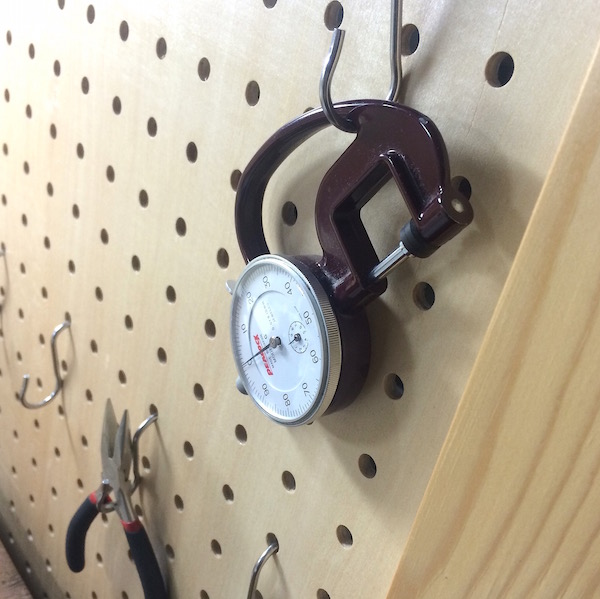
We have a stopwatch here,
and we use it to time how long production takes,
making sure to check
whether the price is indeed fair.
——I can sense both a deep consideration of branding
and a stance of facing your customers honestly.
Your title is "washi designer," Nakamura-san,
but do you have any future prospects or dreams?
Right now we mainly work on accessories for women,
but the appeal of washi (Japanese paper) doesn't stop there.
There's so much more potential for it to take on different forms.
Actually, the hat I'm wearing right now is also made of washi.
Our accessories are shaped by applying foil to washi,
but going forward I'd also like to try creating forms by sewing washi like fabric.
In fact, hoping to realize this someday, I've already set up a sewing machine in our atelier.
Regardless of the form of the piece or the type of item,
I would be truly happy if people could feel the appeal of washi
through ARATA as a brand.
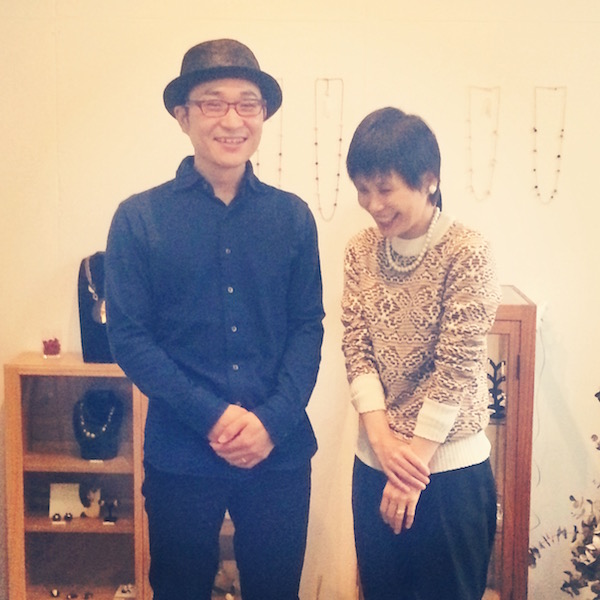
Mr. and Mrs. Nakamura, who run ARATA together.
During the interview, we were treated to delicious coffee
and cream buns with a nostalgic taste, which they had prepared
by buying them from a nearby bakery.
Their gentle smiles left a strong impression, and the sight of the two of them
working side by side on their accessories was truly wonderful.
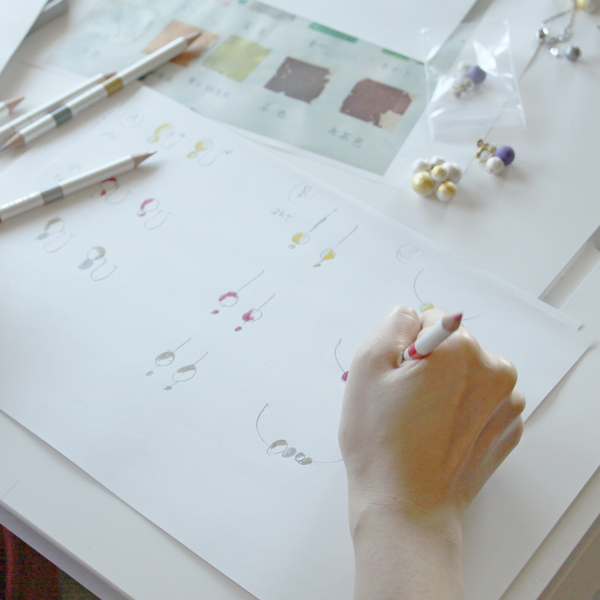
The planning for this custom-order series began
with ARATA first sending us color samples of the foil,
and it all started from there.
While keeping the ARATA worldview that comes through in their standard series intact,
we wanted to deliver an accessory series that felt basic yet a little special,
and that would suit the winter season.
So what we chose was a simple combination of washi and silver foil.
It's characterized by patches of near-white silver foil applied in a mottled pattern.
It's meant to evoke the pussy willow, whose soft, beautiful catkins appear in early spring.
The line includes two types of earrings and one type of necklace.
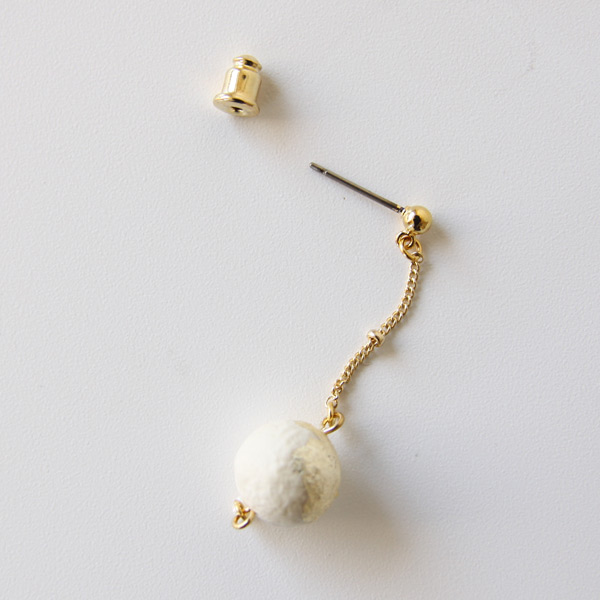
[Custom Order] Dangling Earrings (Pussy Willow) JPA 1582
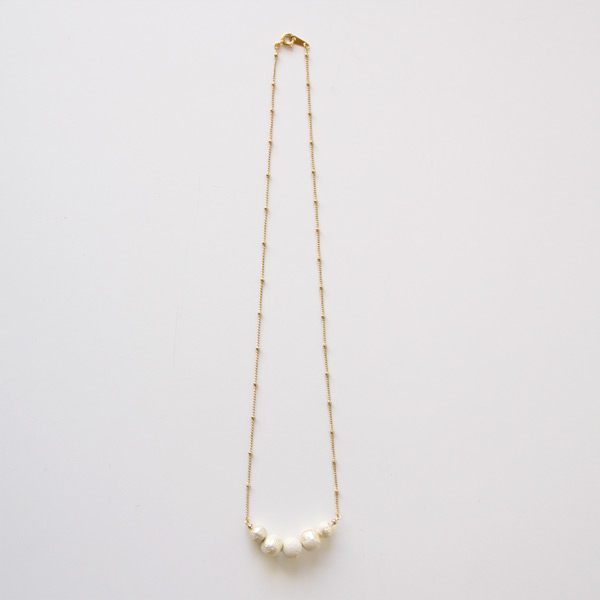
[Custom Order] Necklace (Pussy Willow) JPA 1581
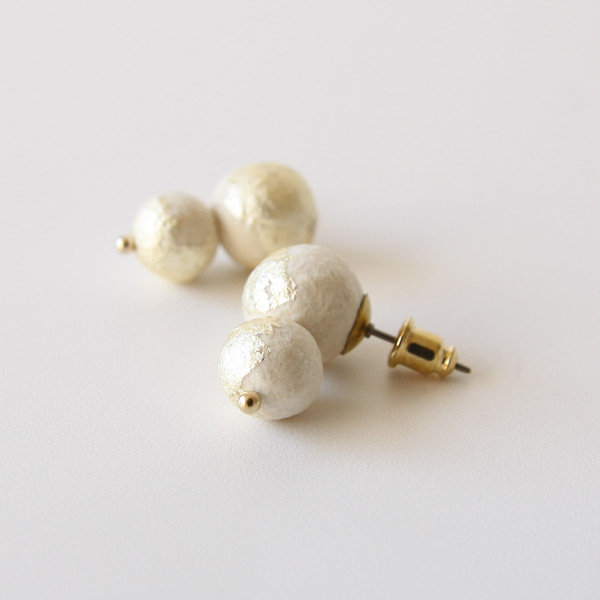
[Custom Order] Two-Bead Foil Ball (Pussy Willow) JPA 1583
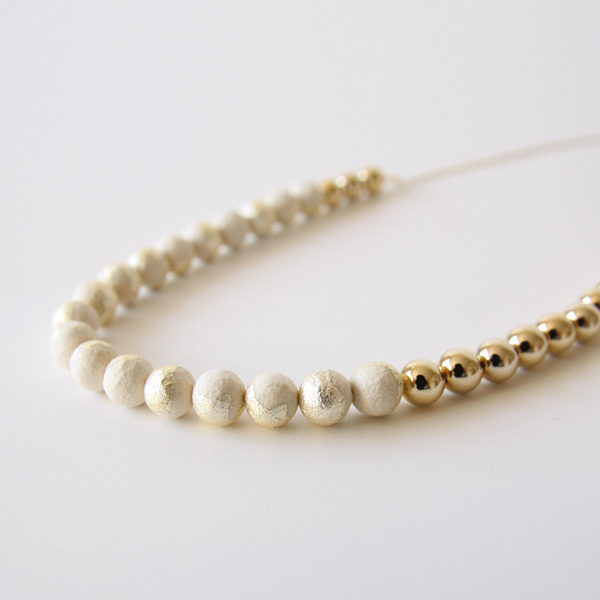
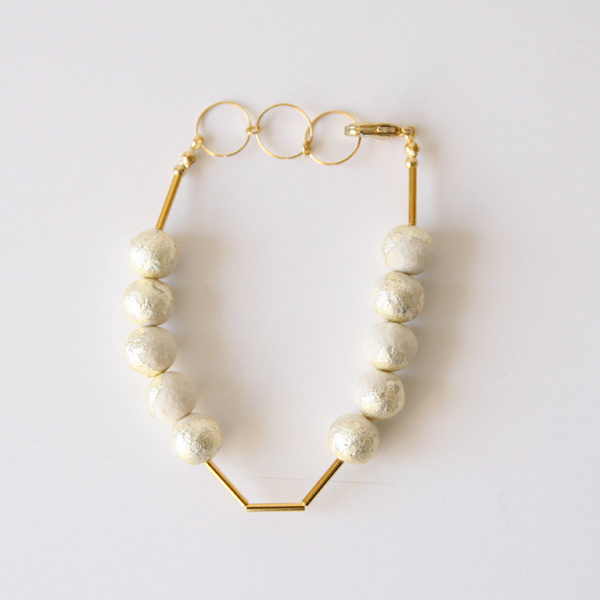
Along with the custom-order items, we'd also like to introduce ARATA's new series.
Here too, the chic combination of white beads and silver foil,
paired with gold chains and fittings, adds a touch of color to winter outfits.
We've prepared one type of necklace and two types of bracelets.
The necklace pairs well with a clean-necked knit sweater or
a feminine dress,
while the bracelets peek out from a coat sleeve for a delicate impression...
Enjoy styling them however you like.

GUIDE »
CONTENTS »
CATEGORIES »
- + Gifts by recipient
- + Gifts by scene
- + Clothing
- + Bags / Backpacks
- + Wallets / Card cases
- + Jewelry
- + Shoes
- + Rainy day outfits
- + Kitchen
- + Home
- + Babies / Kids
- + Japanese products
Earn Miles


Payment & Security




